


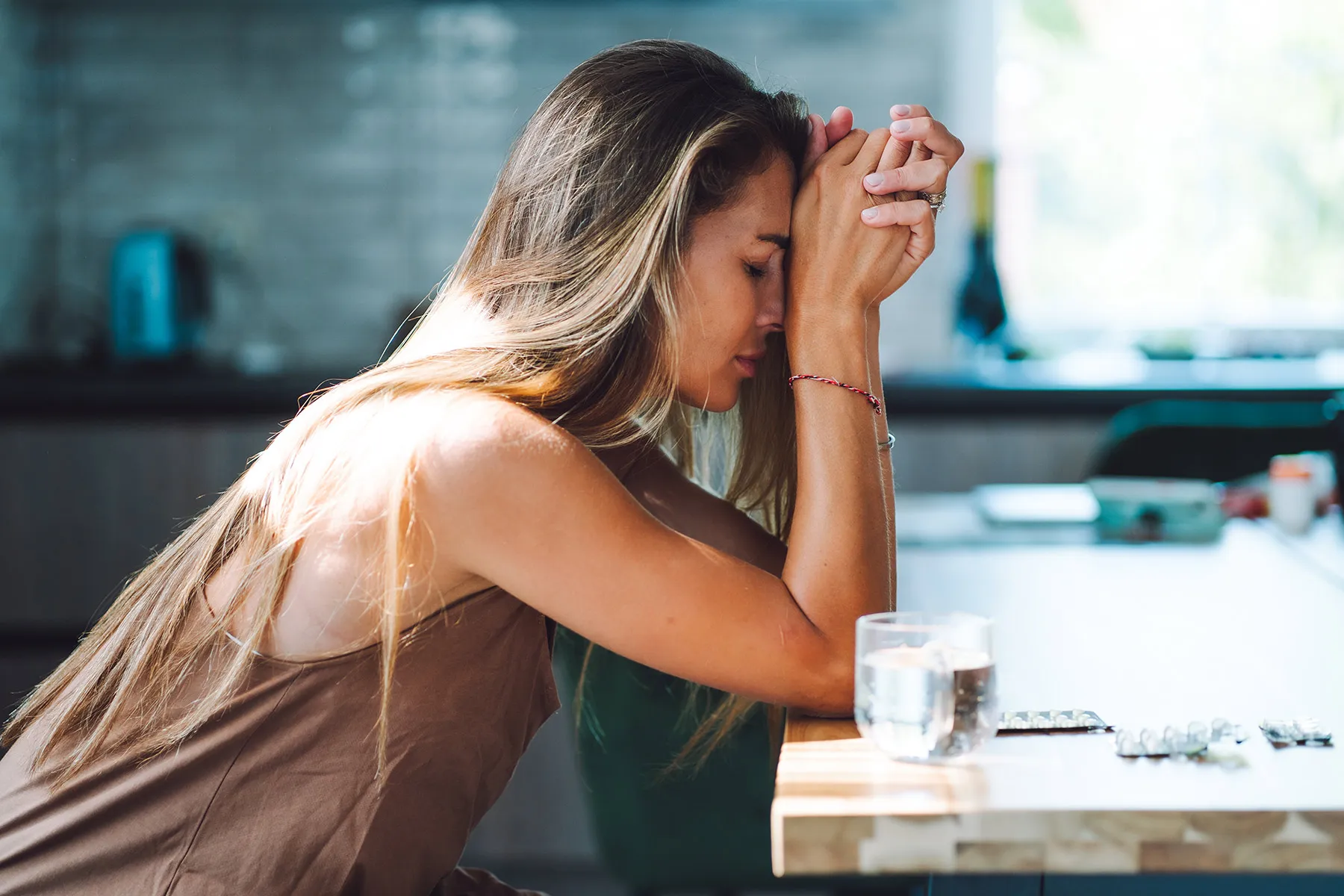
Depression is far more than feeling sad or having a bad week. It’s a real and common health condition that affects how you feel, think, and cope with daily life — and, importantly, it’s treatable. Recognising the symptoms early makes recovery easier. This guide explains what depression is, how to spot the signs, what contributes to it, and when and how to seek help, written with compassion and clarity.
Everyone feels low from time to time, and that’s a normal part of life. Depression is different: the low mood or loss of interest lasts most of the day, nearly every day, for two weeks or more, and it gets in the way of living. It’s not a sign of weakness or something you can simply ‘snap out of’ — it’s a health condition that deserves care and attention.
Common Symptoms Of Depression
Depression looks different from person to person, but the most recognised symptoms include:
- a persistent low, empty, or hopeless mood
- loss of interest or pleasure in things you used to enjoy
- changes in appetite or weight
- sleeping too much or too little
- low energy and constant fatigue
- trouble concentrating, remembering, or making decisions
- feelings of worthlessness or excessive guilt
- restlessness or feeling slowed down
- thoughts of death or self-harm
You don’t need to experience every symptom to be dealing with depression. If several have been present most days for at least two weeks, it’s worth taking seriously.
Depression Isn’t Just Sadness
One of the most misunderstood things about depression is that it isn’t always visible as obvious sadness. It can show up as numbness, irritability, exhaustion, or simply going through the motions while feeling disconnected from life. Some people continue functioning at work or home while struggling intensely underneath. Recognising these less obvious forms is important, both for yourself and for the people around you.
What Contributes To Depression?
Depression usually results from a combination of factors rather than one single cause:
- Genetics and family history
- Brain chemistry and how the brain regulates mood
- Stressful or painful life events, such as loss, trauma, or major change
- Chronic illness or pain
- Hormonal changes
- Ongoing isolation or lack of support
Key point: Depression is not a personal failing. It’s a health condition with real causes — and like other health conditions, it responds to the right support and treatment.
Things That Can Help
Alongside professional care, several habits can support recovery and help prevent relapse. They won’t cure depression on their own, but they make a genuine difference:
- keeping a gentle daily routine, even a very simple one
- moving your body regularly, which lifts mood over time
- staying connected to people, even when you’d rather withdraw
- breaking tasks into small, doable steps
- getting steady sleep and daylight
- being patient and kind with yourself
A Small First Step
On hard days, choose one tiny action — a short walk, a glass of water, opening the curtains, or texting a friend. Depression makes everything feel heavy, so momentum often has to start with something small. That’s not failure; it’s how recovery often begins.
When To Seek Help
Reach out to a healthcare professional if low mood lasts more than two weeks, keeps returning, or interferes with your work, relationships, or ability to care for yourself. Effective treatments exist, including talk therapy, lifestyle support, and sometimes medication, and a professional can help you find the right approach for you. Seeking help early often makes recovery faster and easier.
This is a sensitive topic. If you are struggling with your mental health, you don’t have to face it alone — reaching out to a healthcare professional or someone you trust can make a real difference. If you are in crisis or may be in danger, contact your local emergency services or a crisis helpline right away.
If you ever have thoughts of harming yourself or that life isn’t worth living, please treat it as urgent. Contact a healthcare professional or your local emergency services or a crisis helpline right away. You deserve support, and help is available — you don’t have to go through this alone.
Frequently Asked Questions
Is depression just sadness?
No. Sadness is a normal emotion that passes. Depression is a persistent condition that affects mood, energy, thinking, sleep, and daily functioning, and it isn’t always visible as obvious sadness.
Can depression go away on its own?
Mild low mood sometimes lifts with time and support, but ongoing depression usually improves faster and more reliably with professional treatment.
Does everyone with depression need medication?
No. Treatment is individual. Many people improve with therapy and lifestyle support; medication is one option a professional may discuss when it’s appropriate.
How long does depression last?
It varies widely. With the right support, many people recover, though timelines differ. Seeking help early tends to shorten the journey.
How can I support someone with depression?
Listen without judgement, stay in touch, offer practical help, be patient, and gently encourage professional support. Letting them know they’re not alone matters enormously.
The bottom line: Depression is common and treatable. Its symptoms — lasting low mood, lost interest, low energy, and changes in sleep or appetite — are signals of a health condition, not weaknesses. With the right support, most people recover. If this sounds like you, reaching out is the most important step you can take, and help is available.
Disclaimer
This article is for general informational and educational purposes only and is not a substitute for professional medical advice, diagnosis, or treatment. If you are struggling, please reach out to a qualified healthcare professional. If you are in crisis or may be in danger, contact your local emergency services immediately.
Related: If you are looking for extra support to unwind, our Vena CBD review may help you decide.