


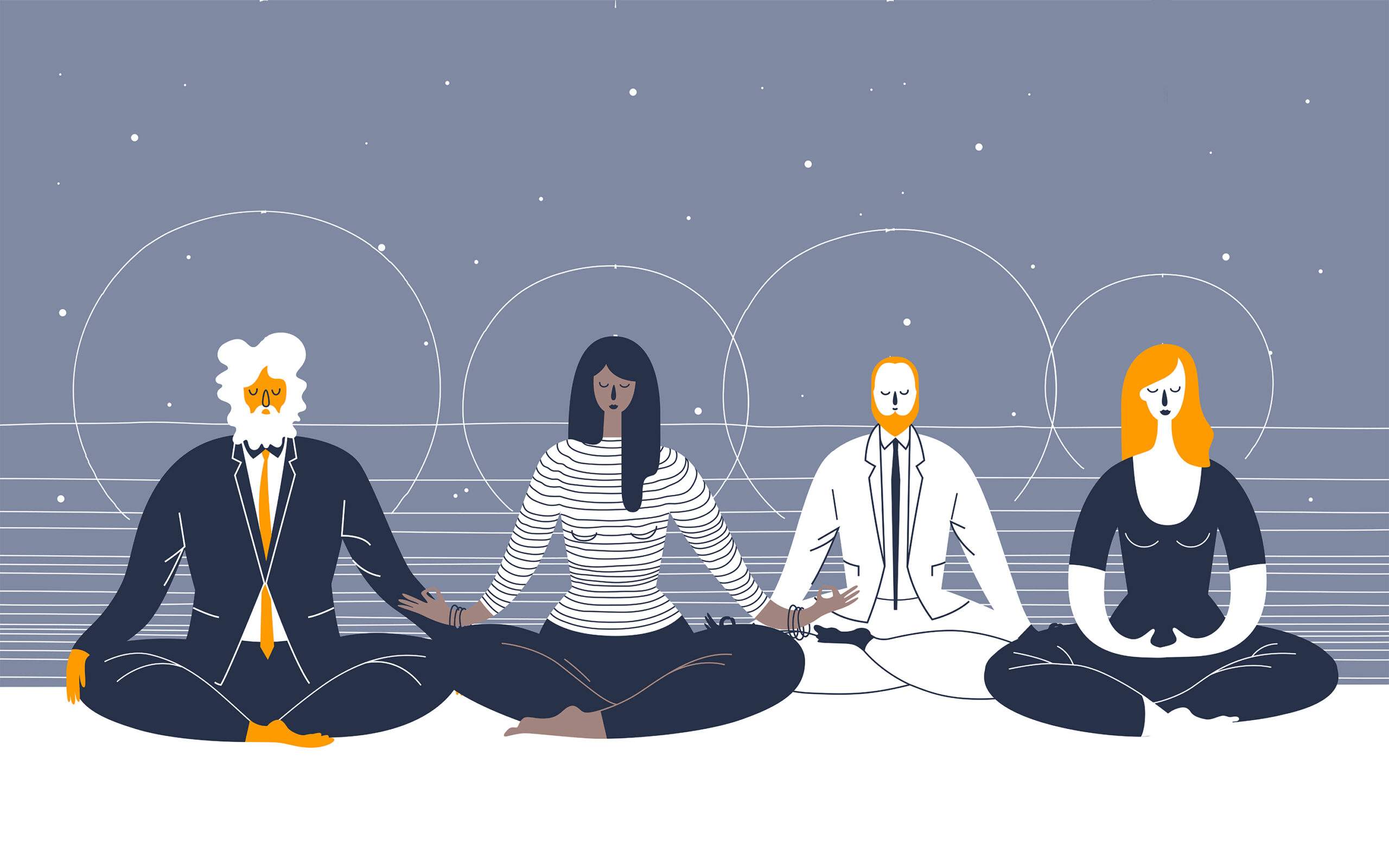
Mindfulness has gone from a niche idea to a mainstream wellness tool — and for good reason. It’s simple, free, requires no equipment, and you can start in just a few minutes a day. If you’re new to it, the concept can sound vague or intimidating, but the reality is refreshingly practical. This beginner’s guide explains what mindfulness really is, the benefits, common myths, and exactly how to begin a practice that lasts.
Mindfulness means paying attention to the present moment on purpose, without judging it. Meditation is one structured way to practise that skill. Crucially, you are not trying to empty your mind or stop thinking — that’s impossible, and chasing it only causes frustration. Instead, you’re learning to notice your thoughts and feelings without getting swept away by them.
Why Practise Mindfulness?
Regular mindfulness is linked with real, meaningful benefits for mental and emotional wellbeing:
- lower stress and a calmer nervous system
- less reactivity to anxious or negative thoughts
- improved focus and attention
- better emotional regulation
- improved sleep
- a greater sense of steadiness and presence day to day
These benefits build gradually with practice — think of it like training a muscle rather than flipping a switch. Consistency matters far more than intensity.
How To Start In Five Minutes
You don’t need an app, a cushion, incense, or any special setup. Here’s a simple practice to begin with:
- Sit comfortably and let your shoulders drop.
- Close your eyes or soften your gaze toward the floor.
- Bring your attention to your breath — the feeling of air moving in and out.
- When your mind wanders (and it will, constantly), gently notice it and guide your attention back to the breath.
- Start with five minutes and build up over time as it feels natural.
Key point: Noticing that your mind has wandered and gently bringing it back is not failing at meditation — that returning is the actual practice. Every time you do it, you’re strengthening the skill.
Mindfulness Without Sitting Still
Formal meditation is just one way in. You can practise mindfulness during everyday moments, which makes it easy to fit into a busy life:
- really tasting and savouring your food or coffee
- feeling your feet and breath while you walk
- listening fully in a conversation without planning your reply
- noticing the sensations of a routine task like washing dishes
These small moments of presence count just as much as sitting meditation, and they help you weave mindfulness naturally into your day.
Common Beginner Myths
Many people give up early because of misunderstandings. Let’s clear up the most common ones:
- ‘I have to clear my mind.’ No — the goal is to notice thoughts, not eliminate them.
- ‘I’m doing it wrong because I get distracted.’ Getting distracted and returning is the practice itself.
- ‘I need long sessions.’ A few consistent minutes beat an occasional long one.
- ‘It’s religious or mystical.’ Mindfulness can be entirely secular and practical.
Building A Habit That Lasts
The key to a lasting practice is making it easy and consistent. A few strategies help:
- attach it to an existing habit — for example, right after brushing your teeth or before bed
- keep it short enough that it feels easy and you’ll actually do it
- be patient and let the benefits build over weeks
- let go of perfectionism — a ‘messy’ session still counts
Start Ridiculously Small
If five minutes feels like too much, start with one. The goal at first isn’t depth — it’s building the daily habit. Once showing up is automatic, the length and benefits grow naturally.
What To Expect Over Time
Some people feel calmer right away, while deeper benefits — like improved focus, less reactivity, and greater emotional steadiness — build over weeks of regular practice. You may have days when your mind feels especially busy, and that’s completely normal. The practice isn’t about achieving a perfectly calm state; it’s about changing your relationship with your thoughts so they have less power over you.
Frequently Asked Questions
How long should a beginner meditate?
Five minutes a day is a great start, and even one minute counts. Consistency matters far more than length, so build up only when it feels natural.
What if I can’t stop thinking?
That’s completely normal and expected. The goal isn’t to stop thoughts but to notice them and gently return your attention. That returning is the practice.
How soon will I feel benefits?
Some people feel calmer right away; deeper benefits like focus and resilience build over a few weeks of regular practice.
Do I need an app to meditate?
No. Apps can be helpful for guidance, but all you really need is a few quiet minutes and your attention. You can start with nothing at all.
Is mindfulness religious?
It has roots in various traditions, but it can be practised in a completely secular, practical way purely as a tool for wellbeing and focus.
The bottom line: Mindfulness is simply paying attention to the present, on purpose and without judgement. It costs nothing, takes only minutes, and grows stronger with practice. Start with a few minutes a day, expect your mind to wander, and gently begin again each time. That returning, repeated consistently, is all it takes to build the skill.
Disclaimer
This article is for general informational and educational purposes only and is not a substitute for professional medical advice, diagnosis, or treatment. If you are struggling, please reach out to a qualified healthcare professional. If you are in crisis or may be in danger, contact your local emergency services immediately.
Related: Exploring CBD for calm and focus? Our Five CBD review breaks down full-spectrum options.