

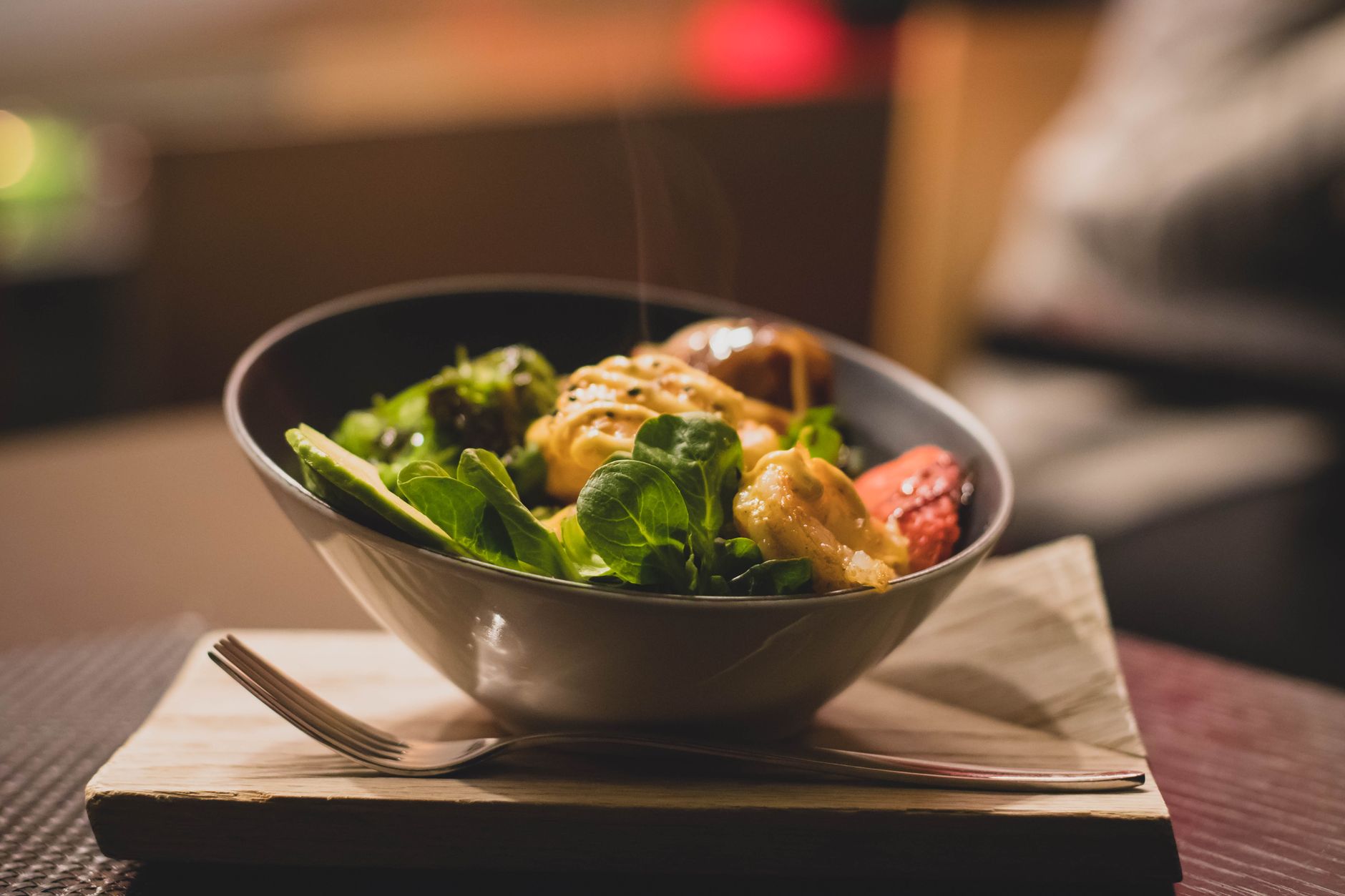
No single food melts away fat — but some foods make weight loss dramatically easier by keeping you full and satisfied on fewer calories. Choosing the right foods means you can eat well, feel content, and still maintain the calorie balance that drives weight loss. This guide covers the best foods to build your meals around, why they work, and how to put them together on your plate.
The smartest weight-loss foods share a common feature: they’re nutrient-dense and filling. They give your body what it needs and keep hunger at bay, so you naturally eat less without feeling deprived. Build your diet around these and a calorie deficit becomes far more comfortable to sustain.
Protein: The Most Filling Nutrient
If there’s one nutrient to prioritise for weight loss, it’s protein. Protein is the most satisfying of the three macronutrients, helping you feel full and reducing cravings. It also protects your muscle while you lose fat, which keeps your metabolism healthier. Excellent protein sources include:
- eggs, chicken, turkey, fish, and lean meat
- Greek yoghurt, cottage cheese, and other dairy
- beans, lentils, chickpeas, and tofu
- edamame and other soy foods
Including a protein source at every meal is one of the simplest, most effective weight-loss strategies there is.
Vegetables And Fruit
Vegetables and fruit are weight-loss superstars. They’re high in fibre and water and low in calories, which means they fill you up for very little energy. They also deliver vitamins, minerals, and antioxidants that support overall health.
- leafy greens, broccoli, peppers, courgette, and cauliflower
- tomatoes, cucumber, carrots, and mushrooms
- berries, apples, oranges, and other whole fruit
Aim to make vegetables the largest component of your plate, and reach for whole fruit when you want something sweet.
Key point: Filling your plate with vegetables is one of the easiest ways to eat fewer calories without eating less food — you get volume and nutrients for very little energy.
Fibre-rich Whole Foods
Fibre slows digestion and keeps you feeling full for longer, which makes a calorie deficit far easier to live with. Beyond fruit and vegetables, good fibre sources include:
- oats, quinoa, brown rice, and whole grains
- beans, lentils, and other legumes
- nuts and seeds in sensible portions
- whole fruits rather than juices
Don’t Forget Water
Water contains zero calories, supports fullness, and is one of the simplest swaps you can make. Replacing sugary drinks, juices, and alcohol with water removes a surprising number of ‘hidden’ calories that don’t fill you up. Drinking a glass of water before meals can also help with portion control for some people.
Foods To Be Mindful Of
You don’t need to ban anything, but some foods are easy to overeat and provide a lot of calories with little fullness. Be mindful of sugary drinks and snacks, refined and ultra-processed foods, fried foods, and large portions of calorie-dense extras like oils, butter, and sauces. Enjoy them in moderation rather than making them the foundation of your diet.
How To Build A Weight-loss Plate
You don’t have to count every calorie. A simple, effective template is:
- Half the plate: vegetables (and some fruit)
- A quarter: a protein source
- A quarter: whole-grain or starchy carbs
- A little: healthy fat for flavour and satisfaction
The Fullness-first Approach
Instead of focusing on what to cut out, focus on what to add: more protein, more vegetables, more fibre. When these foods fill you up, the less helpful foods naturally take up less space — no willpower battles required.
Consistency Beats Perfection
The ‘best’ foods for weight loss only work if you actually enjoy and keep eating them. Choose options you like from these categories, build meals you look forward to, and aim for a pattern that’s mostly nutritious while still leaving room for the foods you love. A realistic, enjoyable diet is one you can sustain — and sustainability is what delivers results.
Frequently Asked Questions
Are there foods that burn fat?
No food directly burns fat. But filling, protein- and fibre-rich foods make it much easier to eat fewer calories overall, which is what drives fat loss.
Is fruit okay for weight loss?
Yes. Whole fruit is filling, nutritious, and a far better choice than sugary snacks when you want something sweet. Whole fruit beats fruit juice.
Do I need to count calories?
Not necessarily. Building meals around protein, vegetables, and fibre naturally helps control calories. Counting can help some people but isn’t essential.
Are carbs bad for weight loss?
No. Whole-food carbs like oats, beans, and vegetables are filling and nutritious. It’s refined and sugary carbs that are easiest to overeat.
What should I drink to lose weight?
Water is the best everyday choice. Swapping sugary drinks, juices, and alcohol for water removes hidden calories that don’t fill you up.
The bottom line: The best foods for weight loss are filling and nutrient-dense: lean proteins, plenty of vegetables and fruit, fibre-rich whole foods, and water. Build your plate around them, focus on adding these foods rather than just cutting others, and choose options you genuinely enjoy so you’ll stick with them. Eat well, stay full, and let consistency do the work.
Disclaimer
This article is for general informational and educational purposes only and is not a substitute for professional medical or nutritional advice. Before starting a new diet or exercise programme — especially if you have a health condition, take medication, or have a history of disordered eating — please consult a qualified healthcare professional.
Related: For a closer look at a prescription option with flexible formats, see our Shed GLP-1 review.
If you’re exploring medically supervised weight-loss options, see our hands-on Yucca GLP-1 program review and our Trimi GLP-1 review.