


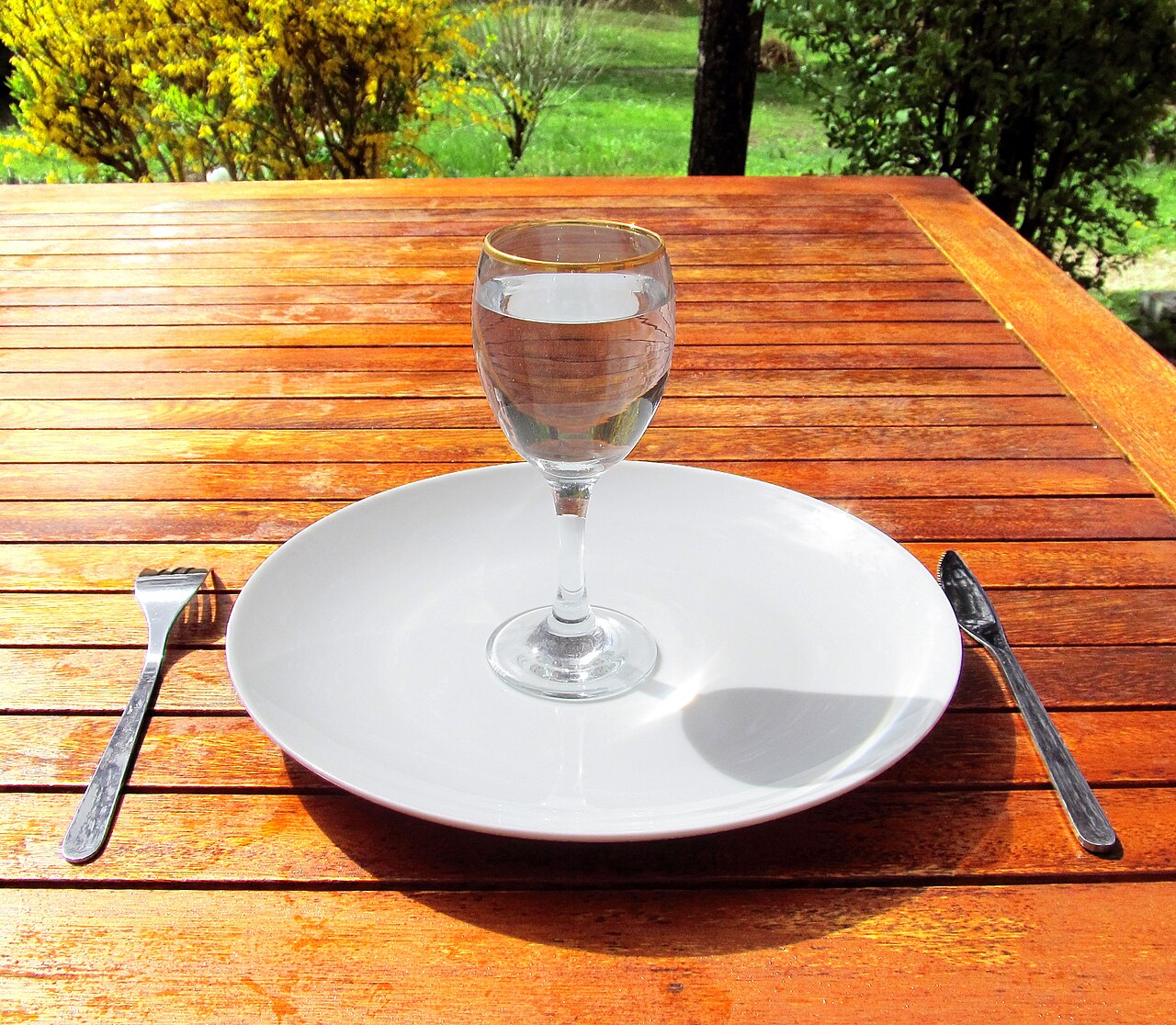
Intermittent fasting has become one of the most talked-about approaches to weight loss and health. Fans swear by it; sceptics call it a fad. So what’s the truth — does intermittent fasting actually work, and is it right for you? This balanced guide explains what intermittent fasting is, how it works, what the evidence says, its potential benefits and downsides, and who should be cautious.
Intermittent fasting (IF) isn’t a diet in the traditional sense — it doesn’t tell you what to eat, but when. You cycle between periods of eating and periods of fasting. For many people, narrowing the window in which they eat naturally leads them to consume fewer calories, which is the real engine behind any weight loss.
How Intermittent Fasting Works
There are several popular methods, and people choose whichever fits their life:
- 16:8 — eat within an 8-hour window each day and fast for the other 16 (often by skipping breakfast or eating dinner early)
- 5:2 — eat normally for five days a week and sharply reduce calories on two non-consecutive days
- Eat-stop-eat — an occasional full 24-hour fast once or twice a week
- Alternate-day fasting — alternating between normal eating days and very low-calorie days
By limiting when you eat, intermittent fasting often reduces overall calorie intake, simply because there are fewer hours and opportunities to eat.
Does It Actually Work?
For weight loss, the honest answer is: yes, it can — but largely because it helps people eat less, not because of any special metabolic magic. When researchers compare intermittent fasting to standard calorie reduction, they generally find similar results for weight loss. In other words, IF is one effective tool among several, and its biggest advantage is that some people find it easier to stick to than counting calories or eating smaller meals all day.
Key point: Intermittent fasting works mainly by helping you eat fewer calories within a set window. The best eating pattern for you is simply the one you can sustain comfortably.
Potential Benefits
Beyond weight loss, supporters point to several possible benefits, some better established than others:
- a simpler eating structure with fewer meals to plan and fewer decisions
- reduced snacking, particularly late at night
- possible improvements in some health markers for certain people
- a sense of control and routine around eating
Potential Downsides
Intermittent fasting isn’t a perfect fit for everyone, and it has real drawbacks:
- Hunger and irritability, especially when starting out
- Overeating during the eating window, which can cancel out the deficit
- Low energy or difficulty concentrating for some people
- Social friction, since meal timing may clash with family or work life
- it can encourage an unhealthy relationship with food in those prone to it
Food Quality Still Matters
A common misconception is that fasting gives you free rein to eat whatever you like during the eating window. It doesn’t. If you fill your window with ultra-processed, calorie-dense foods, you can easily wipe out any benefit. Intermittent fasting works best when combined with nutritious, balanced meals built around protein, vegetables, fibre, and whole foods.
If You Want To Try It
A gentle way to start is the 16:8 method — for example, eating between midday and 8 p.m. Stay hydrated with water, plain tea, and black coffee during the fast, focus on nutritious meals in your window, and pay attention to how it makes you feel. If it leaves you exhausted or miserable, it’s simply not the right tool for you.
Who Should Be Cautious
Intermittent fasting isn’t suitable for everyone. People who are pregnant or breastfeeding, have a history of disordered eating, are underweight, are children or teenagers, or have certain medical conditions or take medication that requires food should avoid it or speak to a doctor first. When in doubt, get personalised advice before starting.
Frequently Asked Questions
Is intermittent fasting better than other diets?
Not inherently. It works mainly by helping you eat fewer calories, and studies generally find it performs similarly to other approaches you can stick to.
Can I drink water while fasting?
Yes. Water, plain tea, and black coffee are generally fine during fasting periods and can help manage hunger.
Will fasting slow my metabolism?
Short-term intermittent fasting isn’t shown to harm metabolism in the way very prolonged extreme dieting can. Eating enough overall and keeping muscle through protein and strength training helps protect it.
Is intermittent fasting safe for everyone?
No. Some people should avoid it or consult a doctor first, including those who are pregnant, have an eating-disorder history, are underweight, or have certain medical conditions.
What can I eat during my eating window?
Focus on balanced, nutritious meals built around protein, vegetables, fibre, and whole foods. Fasting isn’t a licence to eat anything — food quality still matters.
The bottom line: Intermittent fasting can work for weight loss, mainly by helping you eat fewer calories within a defined window — not through any metabolic magic. It suits some people and not others, and food quality during eating periods still matters. If it fits your life and leaves you feeling good, it’s a reasonable tool. If you’re unsure or have a health condition, check with a doctor first.
Disclaimer
This article is for general informational and educational purposes only and is not a substitute for professional medical or nutritional advice. Before starting a new diet or exercise programme — especially if you have a health condition, take medication, or have a history of disordered eating — please consult a qualified healthcare professional.
Related: To see how online prescriptions are handled, read our Willow GLP-1 review.
If you’re exploring medically supervised weight-loss options, see our hands-on Yucca GLP-1 program review and our Trimi GLP-1 review.