


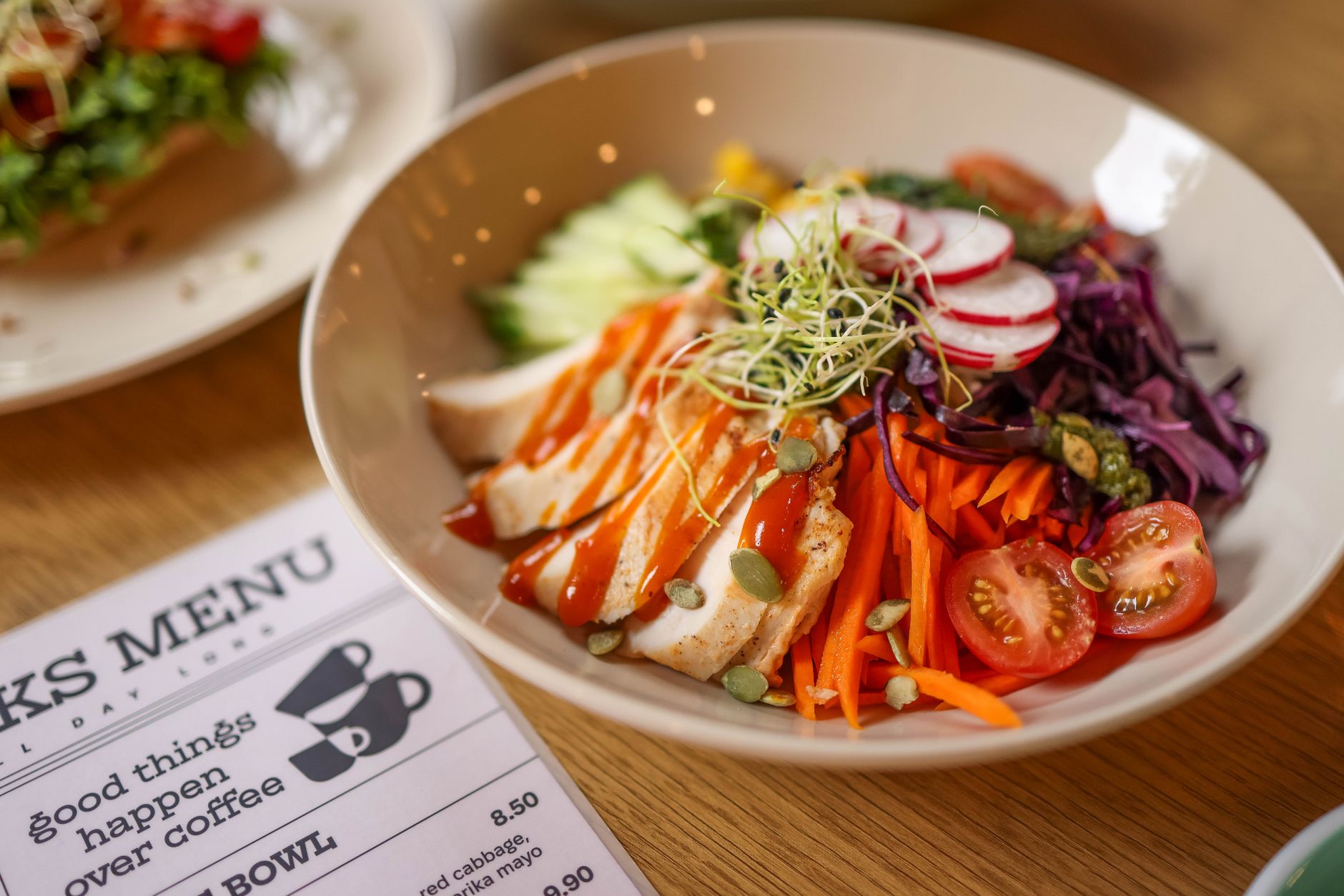
Healthy eating can feel overwhelming — there’s endless conflicting advice, restrictive diets, and complicated rules. But good nutrition is actually far simpler than the noise suggests. At its core, it’s about eating mostly whole foods, in sensible amounts, most of the time. This beginner’s guide breaks down what balanced nutrition really means and how to build healthy eating habits that last.
You don’t need a perfect diet to be healthy. What matters is the overall pattern of what you eat across days and weeks, not any single meal. The goal is to nourish your body, keep your energy steady, and feel good — in a way you can actually maintain for life.
What Balanced Nutrition Means
A balanced diet provides your body with the range of nutrients it needs: carbohydrates for energy, protein for repair and maintenance, fats for hormones and absorption, plus the vitamins, minerals, and fibre found in whole foods. Balance simply means getting enough of each, mostly from nutritious sources, without going to extremes.
Build Your Plate Around Whole Foods
The simplest way to eat well is to centre your meals on minimally processed, whole foods:
- Vegetables and fruit — aim to make these a large part of your plate
- Whole grains like oats, brown rice, and whole-grain bread
- Lean proteins such as fish, poultry, eggs, beans, lentils, and tofu
- Healthy fats from olive oil, nuts, seeds, and avocado
- Water as your main drink
A useful template is the balanced plate: roughly half vegetables and fruit, a quarter protein, and a quarter whole-grain carbohydrates, with a little healthy fat.
Key point: You don’t have to count every calorie or follow strict rules. Building most meals around whole foods does the heavy lifting for you.
Limit, Don’t Ban
No food is off-limits in a healthy diet. Rather than banning treats — which often backfires — simply be mindful of foods worth limiting: sugary drinks and snacks, ultra-processed foods, excess salt, and large amounts of refined carbohydrates. Enjoy them occasionally and in reasonable portions, and let the whole foods make up the bulk of your diet.
Practical Habits That Make Healthy Eating Easier
- Cook more at home, where you control ingredients and portions
- Plan ahead so healthy options are ready when you’re hungry
- Keep nutritious foods visible and convenient
- Don’t shop hungry, which leads to impulse buys
- Eat mindfully — slow down and notice when you’re full
Listen To Your Body
Healthy eating isn’t just about what’s on your plate — it’s also about how you eat. Pay attention to hunger and fullness cues, eat regularly to avoid extreme hunger, and try not to use food as the only way to cope with stress or boredom. A flexible, relaxed relationship with food is part of good nutrition.
Start With One Change
Don’t overhaul everything at once. Pick a single habit this week — adding a vegetable to dinner, swapping a sugary drink for water, or cooking one extra meal at home. Small, sustainable changes beat a strict plan you abandon.
When To Get Personalised Advice
General healthy-eating principles work for most people, but individual needs vary. If you have a health condition, food allergies, are pregnant, or want tailored guidance, a doctor or registered dietitian can help you build a plan that’s right for you.
Frequently Asked Questions
Do I need to follow a specific diet to be healthy?
No. Most people thrive on a balanced diet of mostly whole foods. Strict named diets aren’t necessary unless advised by a professional for a specific reason.
Are carbs bad for me?
No. Whole-food carbs like vegetables, fruit, beans, and whole grains are nutritious and filling. It’s refined and sugary carbs that are best limited.
Is it okay to eat treats?
Yes. No food is off-limits in a healthy diet. Enjoy treats in moderation and let whole foods make up most of what you eat.
How do I start eating healthier?
Begin with one small, sustainable change and build from there. Centring meals on whole foods and drinking more water are great first steps.
Do I have to count calories?
Not necessarily. Building balanced plates of whole foods naturally helps with portions. Counting can help some people but isn’t essential for everyone.
The bottom line: Healthy eating is simpler than it seems: build most meals around whole foods, follow the balanced-plate idea, limit rather than ban less-healthy options, and make small sustainable changes. Listen to your body, keep it flexible, and seek personalised advice if you need it. Consistency over perfection is what truly nourishes you.
Disclaimer
This article is for general informational and educational purposes only and is not a substitute for professional medical or nutritional advice. Everyone’s needs are different — consult a doctor or registered dietitian before making major changes to your diet, especially if you have a health condition or take medication.
Related: For a look at a popular wellness gummy brand, see our Goli review.
If you’re exploring medically supervised weight-loss options, see our hands-on Yucca GLP-1 program review and our Trimi GLP-1 review.