


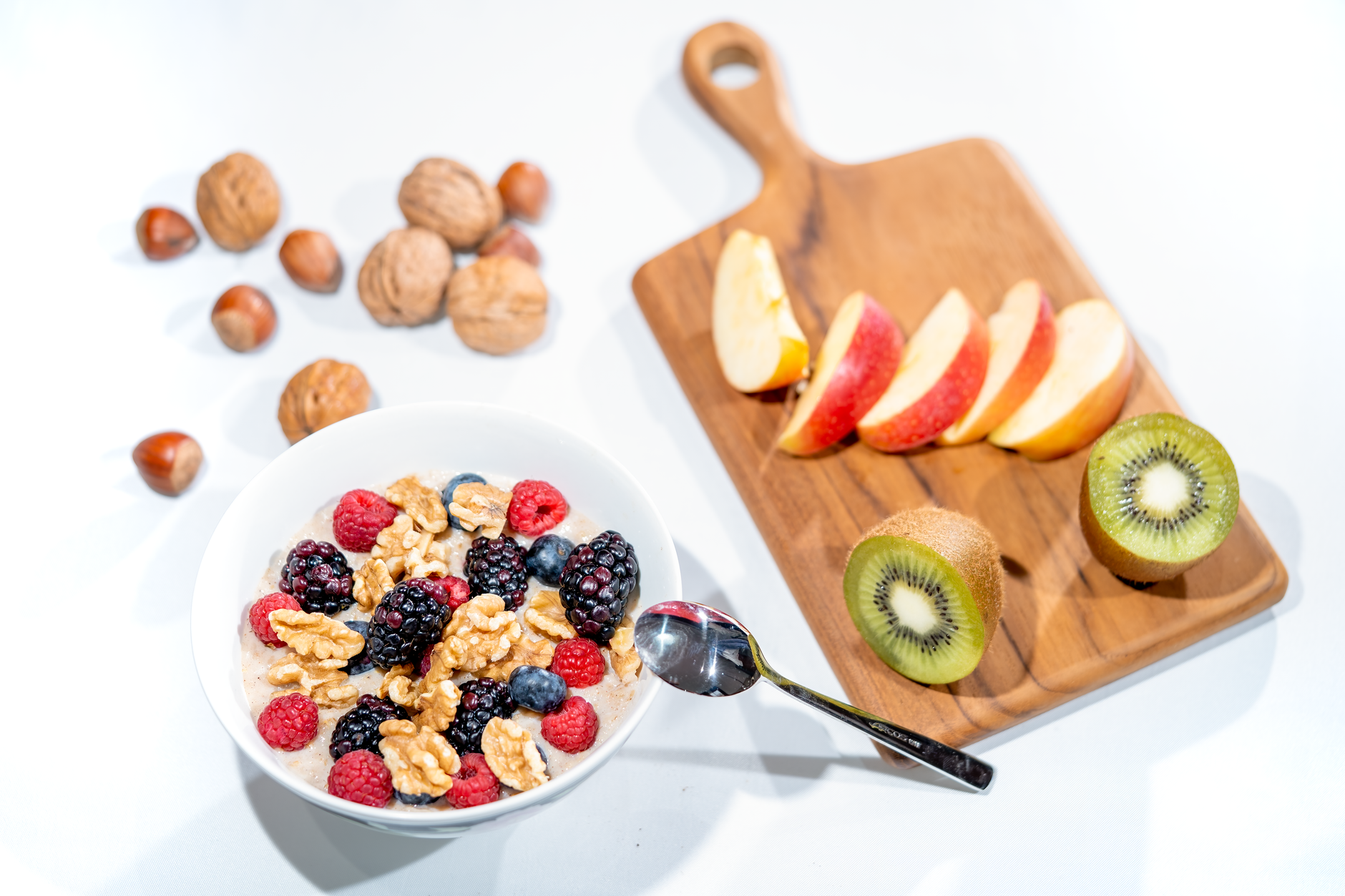
“Superfood” is one of the most popular words in nutrition — splashed across packaging and headlines promising remarkable health benefits. But what does it actually mean, and are these foods really worth the hype? Here’s an honest look at superfoods: what they are, which ones genuinely earn their reputation, and why no single food is magic.
First, an important truth: “superfood” is a marketing term, not a scientific category. It’s used to describe foods that are especially rich in nutrients — vitamins, minerals, antioxidants, fibre, or healthy fats. Many so-called superfoods genuinely are nutritious, but the label can also be used to sell expensive, exotic products that aren’t any better than everyday whole foods.
What Makes A Food “super”?
The foods that earn the title are typically nutrient-dense: they deliver a lot of beneficial nutrients relative to their calories. That can mean high levels of antioxidants, fibre, healthy fats, or particular vitamins and minerals. The key insight is that you don’t need rare or pricey products to get these benefits — many humble, affordable foods qualify.
Everyday Superfoods Worth Eating
These nutritious foods are widely available and genuinely good for you:
- Berries — rich in antioxidants, fibre, and vitamins
- Leafy greens like spinach and kale — packed with vitamins and minerals
- Oily fish such as salmon — high in healthy omega-3 fats
- Nuts and seeds — healthy fats, protein, and fibre
- Beans and lentils — fibre, protein, and nutrients
- Whole grains like oats — fibre and steady energy
- Plain yoghurt — protein and beneficial bacteria
- Cruciferous vegetables like broccoli — fibre and protective compounds
Key point: The most powerful “superfoods” are often the cheapest and most ordinary — beans, oats, leafy greens, and berries beat expensive exotic powders for most people.
The Catch: No Single Food Is Magic
Here’s the most important point. No individual food, however nutritious, can transform your health on its own. Eating a single “superfood” won’t undo an otherwise poor diet, and you don’t need any specific exotic product to be healthy. What truly matters is your overall pattern of eating — a varied diet rich in whole foods of all kinds.
How To Use Superfoods Sensibly
- Focus on variety, not a single hero food — different foods offer different nutrients
- Choose affordable options — frozen berries, tinned beans, and seasonal vegetables count
- Be sceptical of hype around pricey powders and supplements with bold claims
- Build them into balanced meals rather than relying on them alone
Eat The Rainbow
Instead of chasing one trendy superfood, aim for a colourful variety of fruits and vegetables. Different colours often signal different beneficial nutrients, so variety naturally covers your bases.
What About Superfood Supplements And Powders?
Superfood powders, pills, and exotic imports are often expensive and over-hyped. While some can be convenient, they’re rarely necessary, and whole foods are almost always the better, more affordable choice — delivering nutrients in their natural, balanced form along with fibre. Save your money for plenty of real, varied whole foods.
Frequently Asked Questions
Are superfoods actually healthy?
Many foods called superfoods are genuinely nutritious. But “superfood” is a marketing term, and no single food is magic — overall variety matters most.
Do I need expensive exotic superfoods?
No. Affordable everyday foods like beans, oats, leafy greens, and berries are just as beneficial as pricey imported products.
Can one superfood improve my health?
Not on its own. Health comes from your overall pattern of eating, not any single food. Variety of whole foods is what counts.
Are superfood powders worth buying?
Usually not. They’re often expensive and over-hyped. Whole foods provide nutrients more affordably and in a balanced, natural form.
What’s the best superfood?
There isn’t one. A varied diet of many nutritious whole foods beats relying on any single “best” food.
The bottom line: “Superfood” is a marketing label, not magic. Plenty of foods deserve the praise — berries, leafy greens, oily fish, beans, nuts, and whole grains — but no single food transforms your health. Focus on a varied diet of affordable whole foods, eat the rainbow, and be sceptical of pricey powders making big promises.
Disclaimer
This article is for general informational and educational purposes only and is not a substitute for professional medical or nutritional advice. Everyone’s needs are different — consult a doctor or registered dietitian before making major changes to your diet, especially if you have a health condition or take medication.
Related: If you are curious about supplement gummies, our Goli review looks at its apple cider vinegar and wellness range.