


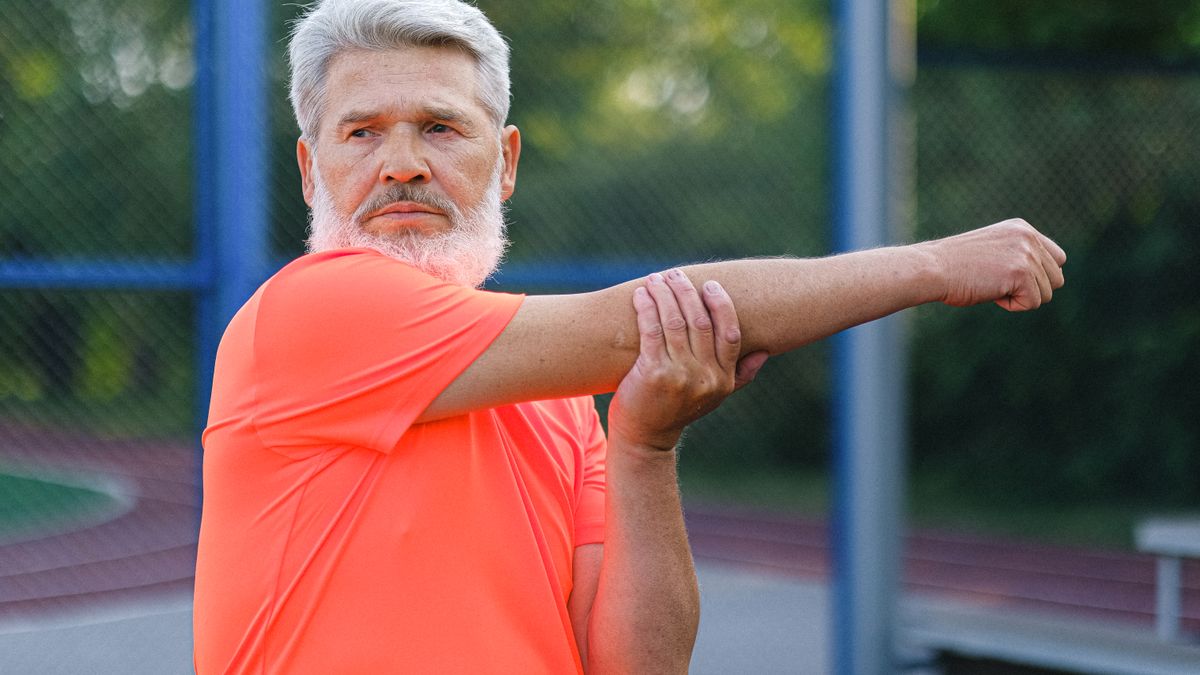
Men often think of bone and joint problems as something to worry about only in old age. In reality, the habits you build in your twenties, thirties, and forties largely determine how strong and mobile you will be decades later. Bones reach peak density in early adulthood and then gradually decline, while joints depend on the muscles, tendons, and cartilage around them staying healthy. Osteoporosis and joint issues are often seen as concerns for women, but men are far from immune, and problems in men are frequently underdiagnosed. Protecting your frame is a long game worth starting now.
Why Bone And Joint Health Matters For Men
Your skeleton does more than hold you up. It protects organs, stores minerals, and provides the anchor points that let you move. As men age, bone density slowly declines and the risk of fractures rises, particularly after significant drops in testosterone or with certain medications and conditions. Joints, meanwhile, can suffer from wear, injury, and inflammation. Keeping both strong preserves independence, reduces pain, and lets you stay active in the activities you enjoy well into later life.
Strength Training Is Your Best Defense
Resistance training is one of the most effective ways to build and maintain bone density and to support the muscles that stabilize your joints. When muscles pull on bones during weight-bearing exercise, they signal the bone to stay strong. Strong muscles around a joint also absorb load and reduce strain. You do not need to lift heavy from day one; progressive, consistent training matters most. Focus on compound movements that work multiple muscle groups, and increase difficulty gradually to avoid injury.
Do Not Skip Weight-bearing And Impact Activity
Bones respond to being loaded. Weight-bearing activities, where you support your own body against gravity, help maintain density in ways that non-impact activities like swimming or cycling do not, valuable as those are for other reasons. Useful options include:
- Walking, hiking, and jogging, which load the lower body and spine.
- Resistance training with weights, bands, or bodyweight.
- Activities with controlled impact, such as certain sports or jumping drills, if your joints tolerate them.
If you have existing joint issues, choose activities that challenge your bones without aggravating pain, and progress carefully.
Nutrition That Supports Your Frame
Bones need raw materials. Calcium is central to bone structure, and vitamin D helps your body absorb it, yet many men fall short on both. Good sources of calcium include dairy, fortified plant milks, leafy greens, and canned fish with bones, while vitamin D comes from sunlight, fatty fish, and fortified foods. Adequate protein also supports both bone and muscle. A balanced diet generally covers these needs, but if you suspect a shortfall, a healthcare professional can check your levels and advise whether supplements make sense for you.
Protect Your Joints During Exercise And Daily Life
Joint health is not just about avoiding damage; it is about moving well. Warming up before activity, using good form when lifting, and progressing gradually all reduce the risk of injury. Maintaining a healthy weight lessens the load on knees and hips, and varying your activities prevents the repetitive strain that can wear specific joints. Mobility and flexibility work helps joints move through their full range comfortably. Small adjustments, like lifting with your legs and setting up an ergonomic workspace, add up over the years.
Habits That Quietly Weaken Bones
Several everyday factors work against bone and joint health. Smoking is associated with lower bone density and slower healing. Heavy alcohol use can interfere with the body’s ability to build bone and raises the risk of falls. A sedentary lifestyle allows both muscle and bone to weaken over time. Being mindful of these patterns, and moderating or eliminating the harmful ones, protects the investment you make through exercise and nutrition. Consistency in avoiding these pitfalls matters as much as any single positive habit.
Know Your Risk And When To Get Checked
Some men face higher risk due to family history, low testosterone, long-term use of certain medications such as steroids, or conditions that affect bone. Because bone loss and early joint problems often cause no symptoms until something goes wrong, it is worth discussing your risk with a healthcare professional, especially as you move into middle age. Persistent joint pain, swelling, stiffness, or a fracture from a minor fall all warrant medical attention rather than being brushed off as normal aging.
Frequently Asked Questions
At what age should men start caring about bone health? Ideally in early adulthood, since bones reach peak density and then decline. Building strength and good habits early gives you more to work with later, but it is never too late to benefit from exercise and good nutrition.
Is running bad for my joints? For most healthy people, running is not inherently harmful and can support bone health. Problems usually arise from doing too much too soon or with poor form. Progress gradually, and adjust if you have existing joint issues.
Can men get osteoporosis? Yes. Although it is more common in women, men do develop osteoporosis and can experience fractures from it. It is often underdiagnosed in men, which is why knowing your risk factors is worthwhile.
The Takeaway
Strong bones and healthy joints are not a matter of luck; they are built through consistent effort over years. Regular strength training, weight-bearing activity, sound nutrition with enough calcium, vitamin D, and protein, and avoiding habits like smoking and heavy drinking all protect your frame. Pay attention to your personal risk factors and get checked when something feels off. The work you put in now is what keeps you moving comfortably and confidently for decades to come.
Related: Exploring GLP-1 medication for metabolic health? Our WellMedr review walks through the process.
If you’re exploring medically supervised weight-loss options, see our hands-on Yucca GLP-1 program review and our Trimi GLP-1 review.