


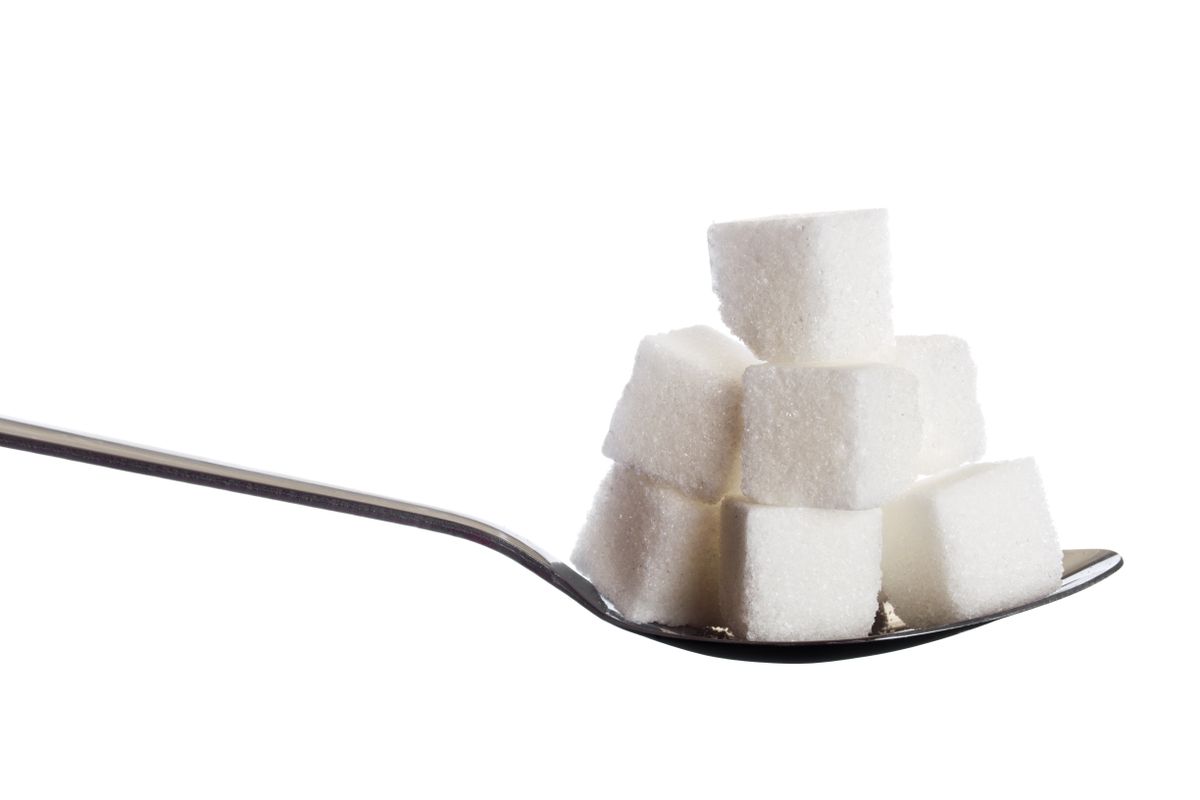
Added sugar has a way of slipping into your day almost unnoticed. It hides in the obvious places, like soda and candy, but also in bread, pasta sauce, salad dressing, flavored yogurt, and drinks that market themselves as healthy. Most people eat far more of it than they realize, and cutting back is one of the most reliable ways to feel steadier energy, fewer cravings, and better long-term health.
The good news is that reducing added sugar does not require an all-or-nothing overhaul. Small, consistent changes tend to work better than dramatic bans that leave you feeling deprived. Here is a practical, sustainable guide to eating less added sugar without turning every meal into a battle of willpower.
Know The Difference Between Natural And Added Sugar
Not all sugar is a problem. The sugar naturally found in whole fruit, plain dairy, and vegetables comes packaged with fiber, water, vitamins, and minerals that slow digestion and blunt blood sugar spikes. Added sugar is different. It is the sweetener stirred into foods during processing or cooking, and it delivers calories with little else. When health guidance talks about cutting back, it means added sugar, not the apple in your lunchbox.
Learn To Spot It On Labels
Food labels are your best tool. Look for the “added sugars” line on the nutrition panel, which separates it from naturally occurring sugar. Then scan the ingredient list, because sugar wears many disguises. Cane juice, corn syrup, dextrose, maltose, agave nectar, honey, and anything ending in “-ose” are all forms of sugar. If several of them appear near the top of the list, the product is sweeter than it looks.
Start With What You Drink
Sugary drinks are the single largest source of added sugar for many people, and they are also the easiest place to make progress. A can of soda, a sweetened coffee, or a bottled juice can carry as much sugar as a dessert, yet liquids do little to fill you up. Try swapping one sweet drink a day for water, sparkling water, or unsweetened tea. If plain water feels boring, add citrus, cucumber, or a few berries for flavor without the sugar load.
Cut Back Gradually So Your Taste Adjusts
Your palate adapts to sweetness over time. If you slowly reduce the sugar in your coffee, cereal, or baking, foods that once tasted normal will start to taste cloying, and lightly sweetened options will taste just right. Tapering also spares you the sense of sudden deprivation that often triggers a rebound. Cutting a teaspoon at a time is slower, but it is far more likely to last.
Rethink Breakfast And Snacks
Mornings are a common sugar trap. Many cereals, granolas, flavored oatmeals, and yogurts are surprisingly sweet. Choose plain versions and add your own fruit, or build breakfasts around protein and fiber, such as eggs, plain Greek yogurt, or oats with nuts. For snacks, reach for options that combine protein, fat, or fiber, like a piece of fruit with nut butter, since these keep you full and reduce the mid-afternoon urge to raid the vending machine.
Do Not Swap Sugar For A Pile Of Substitutes
Artificial and low-calorie sweeteners can help some people cut calories, but leaning on them heavily keeps your taste for intense sweetness alive. The goal is to enjoy food that is less sweet overall, not to chase the same sugar rush through other means. If you use sweeteners, treat them as an occasional bridge rather than a permanent crutch, and keep working toward genuinely lower-sugar habits.
Cook More Of Your Own Food
When you cook at home, you control what goes in. Many packaged and restaurant foods contain added sugar you would never add yourself, from pasta sauces to marinades to bread. Making simple versions at home, or choosing brands with little to no added sugar, quietly removes a large share of the sugar you never chose to eat in the first place.
Leave Room For Treats You Actually Enjoy
Cutting back does not mean cutting out. Trying to eliminate every sweet thing usually backfires. Instead, be deliberate. Decide which treats are genuinely worth it to you, enjoy them slowly, and skip the low-quality sugar that sneaks in without giving you much pleasure. A dessert you truly love, eaten mindfully, fits far better into a lasting routine than a diet built on rules you cannot keep.
Frequently Asked Questions
How much added sugar is too much? Major health bodies suggest keeping added sugar to a small share of daily calories, roughly under 25 grams a day for women and 36 grams for men as a general guide. Most people benefit simply from eating less than they do now.
Will cutting sugar help me lose weight? It can, mainly because sugary foods and drinks add calories without keeping you full. But weight depends on your overall pattern of eating and activity, not one nutrient alone.
Are natural sweeteners like honey healthier? Honey and maple syrup contain trace nutrients, but your body treats them much like other added sugars. Use them sparingly rather than assuming they are a free pass.
The Takeaway
Eating less added sugar is less about strict rules and more about steady, realistic habits. Start with your drinks, read labels, taper gradually so your taste adjusts, and cook more at home so you decide what goes in. Leave room for the treats you truly love, and let the mindless sugar go. Over time, these small shifts add up to more stable energy, fewer cravings, and a diet that supports your health without feeling like punishment.
Related: If you are curious about supplement gummies, our Goli review looks at its apple cider vinegar and wellness range.