


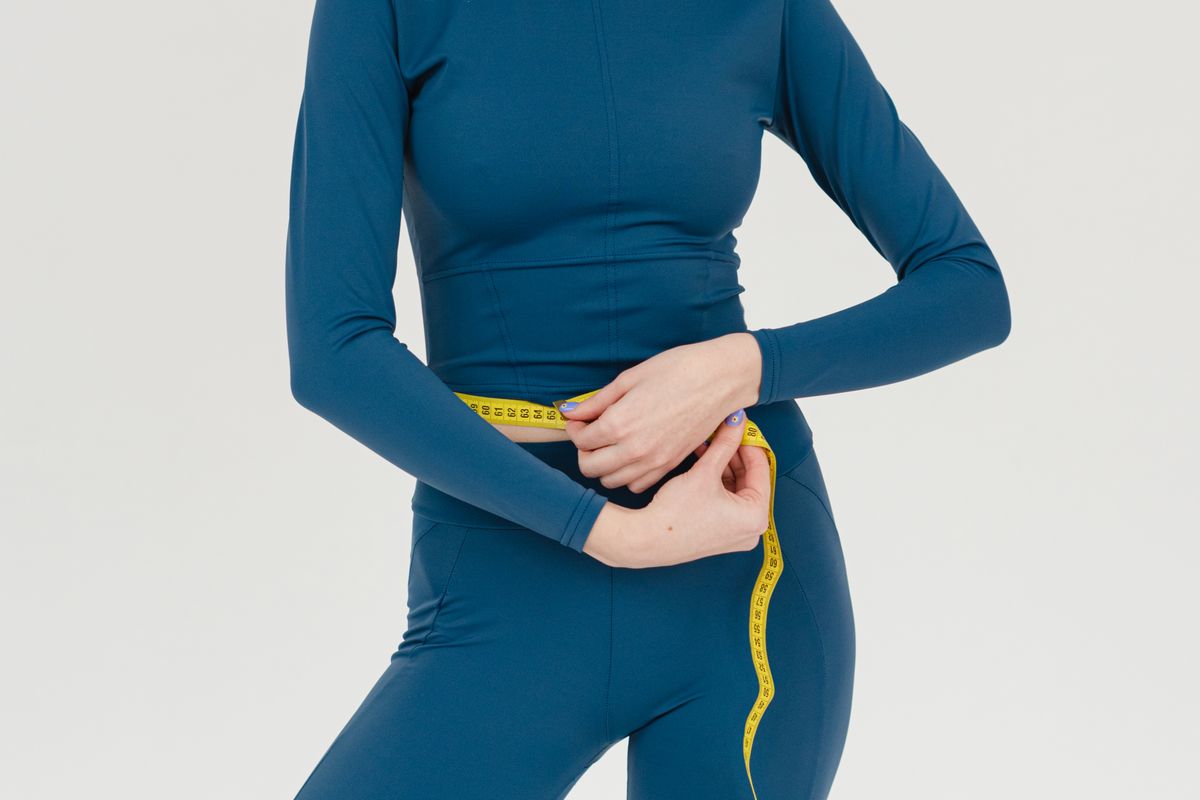
Belly fat is one of the most common frustrations for people trying to get healthier, and it is also one of the most misunderstood. There is no exercise or food that melts fat from your midsection alone, and no supplement that targets your waistline. What actually works is a steady set of habits that lower your overall body fat and support your metabolism. Here is a practical look at how to lose belly fat in a way you can sustain.
Why Belly Fat Matters
Not all fat is the same. The soft fat just under the skin is called subcutaneous fat. Deeper in the abdomen sits visceral fat, which wraps around your organs and is more strongly linked to health risks such as type 2 diabetes and heart disease. The good news is that visceral fat tends to respond well to lifestyle changes, often shrinking earlier than fat in other areas once you become more active and eat better.
You Cannot Spot-reduce Fat
Doing hundreds of crunches will strengthen your abdominal muscles, but it will not burn the fat sitting on top of them. Your body draws energy from fat stores all over, not just the area you are exercising. Losing belly fat comes from creating a modest, consistent calorie deficit so your body taps into its fat reserves, combined with habits that favor the loss of visceral fat specifically.
Focus On Whole, Protein-rich Foods
What you eat matters more than any single workout. A few priorities make the biggest difference:
- Build meals around protein, such as eggs, fish, poultry, beans, and yogurt, which keeps you full and helps preserve muscle as you lose weight.
- Fill half your plate with vegetables and fruit for fiber and volume with fewer calories.
- Choose whole grains over refined ones, and swap sugary drinks for water, sparkling water, or unsweetened tea.
- Limit ultra-processed snacks and added sugar, which are easy to overeat and often drive belly fat gain.
You do not need a restrictive diet. Small, repeatable swaps that lower your overall calorie intake tend to work better than dramatic plans you cannot maintain.
Move More, And Add Strength Training
Regular activity helps you burn energy and improves how your body handles blood sugar. Aim for at least 150 minutes of moderate movement each week, such as brisk walking, cycling, or swimming. Just as important is strength training two or more times a week. Building muscle raises the number of calories you burn at rest and helps you keep lean tissue while losing fat, which is what gives your body a firmer shape as the fat comes off.
Prioritize Sleep And Manage Stress
Two overlooked factors have a real effect on belly fat. Poor sleep disrupts the hormones that control hunger and fullness, making you more likely to overeat and crave high-calorie foods. Chronic stress raises cortisol, which is associated with more fat storage around the abdomen. Getting seven to nine hours of sleep and finding regular ways to decompress, whether that is walking, breathing exercises, or time with friends, supports every other effort you make.
Watch Alcohol And Liquid Calories
Alcohol delivers a lot of calories with little nutrition, and the phrase “beer belly” exists for a reason. Sugary sodas, sweetened coffees, and even large amounts of juice can quietly add hundreds of calories a day without filling you up. Cutting back on these is one of the simplest, highest-impact changes many people can make.
Be Patient And Track The Right Things
Fat loss is rarely fast, and your midsection is often the last place to change. Instead of fixating on the scale, notice how your clothes fit, your energy levels, and your strength. A realistic goal is losing about 0.5 to 1 percent of your body weight per week. Slow, steady progress is far more likely to stay off than rapid loss from an extreme approach.
Frequently Asked Questions
What is the fastest way to lose belly fat? There is no safe shortcut. A steady calorie deficit through better food choices, more movement, strength training, and good sleep is the approach that actually works and lasts.
Do ab exercises burn belly fat? No. They strengthen the muscles underneath but do not remove the fat on top. Whole-body activity and diet are what reduce fat.
Why is belly fat so hard to lose? Genetics, hormones, age, sleep, and stress all play a role, and the abdomen is often where the body holds fat longest. Consistency over time is the key.
The Takeaway
Losing belly fat is not about a secret food, gadget, or endless crunches. It comes from the same durable habits that improve overall health: eating mostly whole, protein-rich foods, moving regularly, building muscle, sleeping well, and keeping stress in check. Focus on progress you can maintain, give it time, and your waistline will follow the rest of your body.
Related: For a closer look at a prescription option with flexible formats, see our Shed GLP-1 review.
If you’re exploring medically supervised weight-loss options, see our hands-on Yucca GLP-1 program review and our Trimi GLP-1 review.