


By Marcus Reyes · Updated August 10, 2026 · Fact-checked
Ask ten men their cholesterol number and a few will know it. Ask for their blood pressure and you’ll mostly get shrugs. That’s a problem, because high blood pressure — hypertension — is one of the most common health issues men face, and it does its damage without a single obvious symptom. Nearly half of adult men have it, and a large share of them have no idea.
The good news hiding inside that grim statistic: blood pressure responds to everyday habits faster than almost any other health marker. Here’s what the numbers mean, why men in particular tend to miss the warning, and what actually brings the number down.
The numbers most men can’t recite
A blood pressure reading has two parts. The top number (systolic) is the pressure in your arteries when your heart beats. The bottom number (diastolic) is the pressure between beats. A healthy reading sits below 120/80. Between 120 and 129 systolic is considered elevated. At 130/80 and above, you’re in hypertension territory, according to the American Heart Association’s current guidelines.
One high reading doesn’t make a diagnosis — pressure bounces around with stress, caffeine, even a full bladder. A pattern of high readings does.
Why high blood pressure gets missed in men
Men see doctors less often than women, full stop. Between ages 20 and 50, many men only show up when something hurts — and hypertension doesn’t hurt. It’s often discovered by accident, during a work physical or a visit for something unrelated. By then it may have been climbing for years.
There’s also a stubborn myth that you’d somehow feel it — headaches, a red face, tension. In reality, most people with high blood pressure feel completely normal. That’s exactly why doctors call it the silent killer, and why a men’s checkup schedule matters. If you haven’t seen our guide to health screenings by age, blood pressure sits near the top of that list at every age.
What it’s quietly doing in the background
Untreated, high pressure works like slow water damage. It stiffens and scars artery walls, forces the heart muscle to thicken, and strains the small vessels in the kidneys, eyes, and brain. Over the years that raises the risk of heart attack, stroke, kidney disease, vision loss, and erectile dysfunction — that last one is often the first sign that gets a man’s attention.
It also travels with company. Extra weight, high blood sugar, and high cholesterol tend to cluster together, which is why hypertension often shows up alongside type 2 diabetes risk. Improve one and you usually improve the others.
How to get a reading you can trust
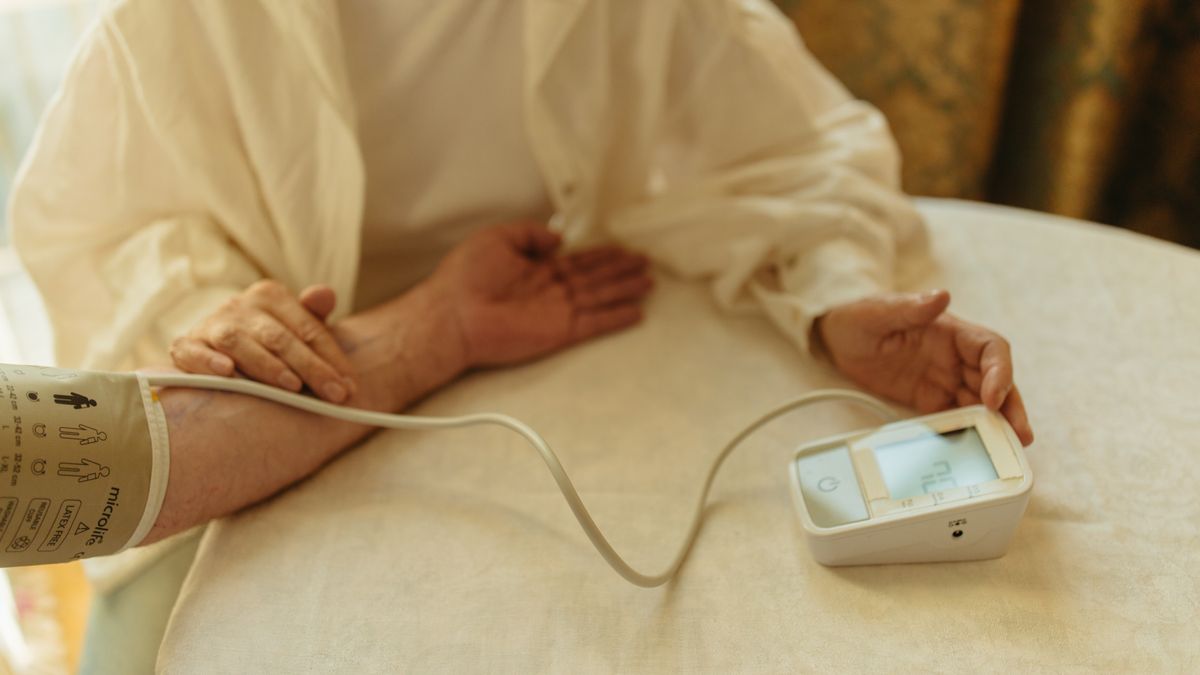
A single reading at the doctor’s office can mislead in both directions — some people spike from clinic nerves, others read artificially low. A home monitor solves this. Automatic arm-cuff monitors are inexpensive, validated, and simple to use.
- Sit quietly for five minutes first, feet flat, back supported, arm at heart level.
- No caffeine, exercise, or smoking in the 30 minutes before.
- Take two readings a minute apart, morning and evening, for a week.
- Write them down or let the monitor’s app do it — the average tells the real story.
Bring that log to your doctor. A week of home readings is far more useful than one number captured in a rushed appointment.
Food habits that move the number
You don’t need a dramatic diet overhaul. The eating pattern with the best evidence — DASH — is mostly a handful of swaps: more vegetables, fruit, beans, and unsalted nuts; fewer processed and packaged foods. Sodium is the big lever. Most of the salt men eat doesn’t come from the shaker, it comes from restaurant food, deli meat, bread, and snacks. Cooking at home even a few more nights a week cuts sodium without you tracking a thing.
Potassium pushes the other way — it helps your body flush excess sodium. Bananas, potatoes, beans, yogurt, and leafy greens are all solid sources. Losing even five to ten pounds, if you’re carrying extra, reliably drops pressure a few points on its own.
Movement: the cheapest medicine you have
Regular aerobic exercise lowers systolic pressure by roughly 5 to 8 points — comparable to some medications. Brisk walking, cycling, swimming, jogging: the type matters far less than the consistency. Aim for about 150 minutes a week, which breaks down to a very manageable 30 minutes, five days.
Strength training helps too, a couple of sessions a week. If you’re starting from zero, start smaller than you think you need to. Ten minutes of walking after meals counts, and it’s a habit that survives busy weeks. The habits in our guide to protecting your heart overlap almost completely with the ones that lower blood pressure — it’s the same project.

Alcohol, sleep, and stress: the quiet contributors
Alcohol raises blood pressure in a dose-dependent way — the more regularly you drink, the higher it creeps. Keeping it to no more than two drinks a day (and taking days off) measurably helps. Poor sleep does damage as well: untreated sleep apnea, common in men who snore heavily, is strongly tied to resistant hypertension. If you snore and wake up tired, that’s worth raising with a doctor.
Chronic stress keeps your system marinating in adrenaline and cortisol. You can’t eliminate it, but daily pressure valves — a walk, exercise, ten minutes of quiet, actual hobbies — blunt the physical toll.
When lifestyle isn’t enough
Sometimes genetics deal a tough hand, and habits alone won’t get you under 130/80. That’s not a failure. Blood pressure medications are well-studied, inexpensive, and effective, and they work best combined with the habits above — often letting you use a lower dose. What matters is the number, not how you get there. Skipping treatment out of pride is how men end up meeting their cardiologist in an emergency room.
Frequently asked questions
Can I feel when my blood pressure is high?
Almost never. Except in rare, dangerously high spikes, hypertension produces no reliable symptoms. The only way to know your number is to measure it.
How often should men check their blood pressure?
If your readings are normal, checking once a year is reasonable. If you’re elevated, have a family history, or carry extra weight, check at home weekly and review the trend with your doctor.
Does coffee cause high blood pressure?
Caffeine nudges pressure up temporarily for an hour or two, but moderate daily coffee isn’t linked to long-term hypertension for most people. Just skip it right before a measurement.
The takeaway
High blood pressure in men is common, silent, and very fixable — but only if you know your number. Buy a cuff or use the machine at the pharmacy, get a week of honest readings, and take them seriously. Between less sodium, more movement, moderate drinking, better sleep, and medication when it’s needed, this is one of the few health risks you can genuinely control.
This article is for general information only and is not medical advice. Talk with a healthcare professional about your blood pressure and before making changes to treatment.