


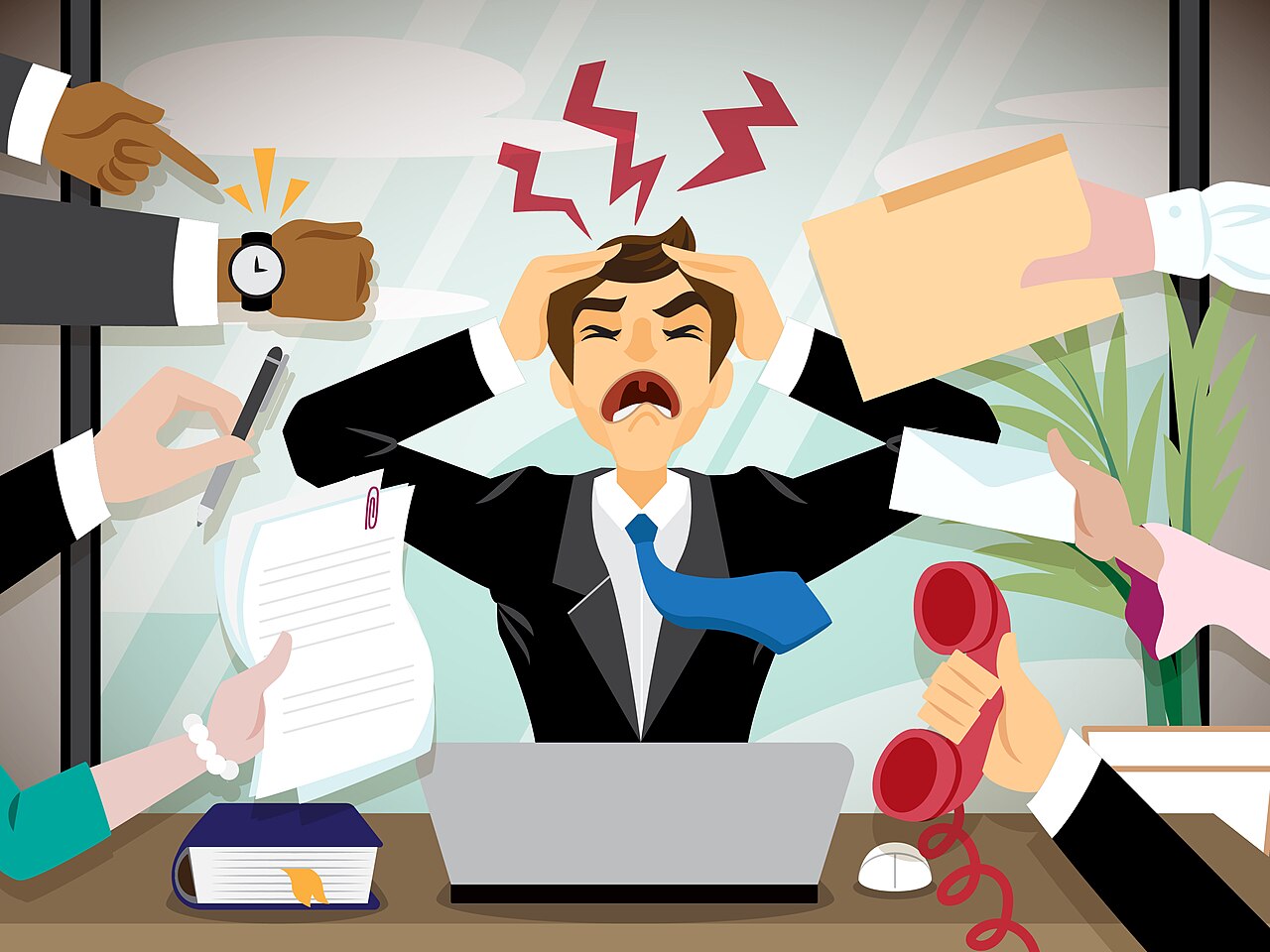
Stress is a normal, unavoidable part of life — but constant, unmanaged stress takes a real toll on your mood, sleep, relationships, and health. The good news is that you don’t need to eliminate every pressure to feel better. A handful of simple daily habits can lower stress in a real and lasting way. This guide covers practical, science-backed techniques to reduce stress that you can start using today.
Stress is your body’s response to demands and pressure. In short bursts it can actually be helpful, sharpening your focus and energy. The trouble starts when stress becomes chronic and never switches off, keeping your body in a constant state of alert. Managing stress is less about removing every challenge and more about helping your body recover between them.
1. Breathe With A Longer Exhale
Your breath is the fastest, most accessible tool you have for calming stress. Slow, deep breathing with an exhale longer than the inhale activates your body’s relaxation response, lowering your heart rate and easing tension. Even two minutes can settle a racing heart and a busy mind. Try breathing in for four seconds and out for six.
2. Move Your Body Every Day
Physical activity is one of the most effective stress reducers there is. It burns off stress hormones, releases mood-lifting chemicals, and gives your mind a break. It doesn’t have to be a workout — a brisk walk, a bike ride, stretching, or dancing in the kitchen all count. Regular movement builds resilience to stress over time.
3. Protect Your Sleep
Stress and sleep are tightly linked: stress wrecks sleep, and poor sleep makes you more reactive to stress. Breaking this cycle is powerful. Keep consistent sleep and wake times, wind down without screens, and give yourself enough hours. Better sleep makes everything else easier to handle.
4. Set Boundaries And Prioritise
A great deal of stress comes from taking on too much and trying to do everything at once. Decide what truly matters, tackle those things first, and get comfortable saying no to what doesn’t fit. Breaking big tasks into smaller steps also stops pressure from piling up into one overwhelming mass.
5. Stay Connected And Take Real Breaks
Talking with people you trust relieves stress, and so does genuinely stepping away from work to do something restorative. Short, real breaks throughout the day — not just scrolling your phone — prevent stress from building to a peak. Connection and downtime aren’t luxuries; they’re part of staying well.
Key point: You can’t remove every source of stress, but you can change how your body responds to it. The goal is to build in regular recovery so stress doesn’t accumulate unchecked.
6. Look After The Basics
Some everyday habits quietly raise or lower your stress levels. Going easy on caffeine and alcohol, eating regular balanced meals, getting outside for daylight, and limiting constant screen and news exposure all help keep your baseline stress lower. Small adjustments here add up.
A 60-second Reset
Feeling overwhelmed? Stop, take five slow breaths, deliberately unclench your jaw and drop your shoulders, and name one small thing you can do next. These mini-resets stop stress from snowballing through the day.
Build Stress Relief Into Your Routine
The most effective stress management isn’t something you do only in a crisis — it’s woven into your daily life. Choose one or two techniques from this list and practise them regularly, even on good days. Like fitness, stress resilience builds with consistency, so that when bigger pressures arrive, you’re better equipped to handle them.
When Stress Is Too Much
If stress feels constant, affects your health, sleep, or relationships for weeks, or leaves you feeling overwhelmed, hopeless, or unable to cope, it’s worth talking to a healthcare professional. Ongoing stress can blend into anxiety, depression, or burnout, and support can help you get ahead of it before it takes a larger toll.
This is a sensitive topic. If you are struggling with your mental health, you don’t have to face it alone — reaching out to a healthcare professional or someone you trust can make a real difference. If you are in crisis or may be in danger, contact your local emergency services or a crisis helpline right away.
Frequently Asked Questions
What’s the fastest way to reduce stress in the moment?
Slow your breathing with a long exhale for one to two minutes. It quickly activates your body’s relaxation response.
Is all stress bad?
No. Short-term stress can boost focus and performance. The problem is chronic stress that never lets your body recover.
How long until stress-management habits help?
Some, like breathing, work immediately. Others, such as regular exercise and better sleep, build noticeable resilience over a few weeks.
Can stress affect my physical health?
Yes. Chronic stress is linked with poor sleep, high blood pressure, weakened immunity, and other effects, which is why managing it matters for your whole body.
What if my stress is caused by something I can’t change?
Focus on what you can control — your routines, boundaries, recovery, and support. For situations you can’t change, stress-coping skills and talking to someone help you carry them better.
The bottom line: You can’t avoid stress, but you can change how your body handles it. Slower breathing, daily movement, steady sleep, clear boundaries, and real connection are simple, proven tools. Build one or two into your routine and practise them consistently. If stress becomes constant or overwhelming, professional support can help you get ahead of it.
Disclaimer
This article is for general informational and educational purposes only and is not a substitute for professional medical advice, diagnosis, or treatment. If you are struggling, please reach out to a qualified healthcare professional. If you are in crisis or may be in danger, contact your local emergency services immediately.
Related: If stress or worry is weighing on you, our Vena CBD review looks at its No Worries gummies and calming range.