


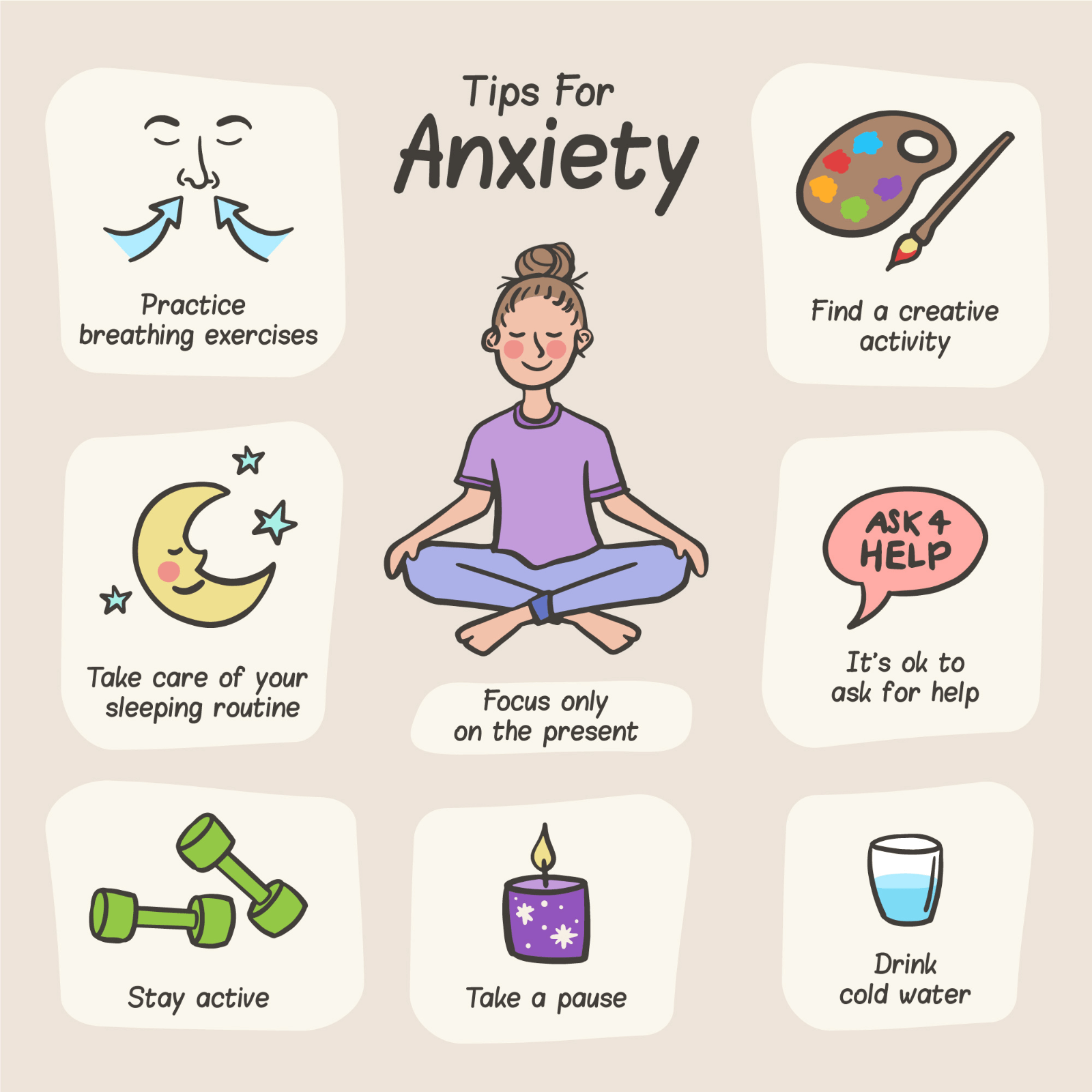
Anxiety is one of the most common human experiences — almost everyone feels it at some point. In small doses it’s useful, sharpening your focus and keeping you safe. But when worry becomes constant and out of proportion, it can wear you down and start to interfere with daily life. The good news is that anxiety is highly manageable. This guide explains what anxiety is, how to recognise the signs, what causes it, and the practical, evidence-informed ways to manage it.
Anxiety is your body’s natural response to stress or perceived danger — the uneasy, on-edge feeling you get before something important. This response is normal and even helpful in the right context. It becomes a problem when it shows up frequently, feels far bigger than the situation calls for, or starts to disrupt your work, sleep, relationships, and enjoyment of life.
Common Signs Of Anxiety
Anxiety affects both the mind and the body at the same time, and people experience it differently. The most common signs include:
- persistent worry that’s hard to switch off
- feeling restless, tense, or on edge
- a racing heart, tight chest, or shallow breathing
- trouble concentrating or a mind that goes blank
- irritability
- muscle tension, headaches, or an upset stomach
- difficulty falling or staying asleep
- avoiding situations that trigger worry
When several of these persist for weeks, feel hard to control, and interfere with daily life, it may point to an anxiety disorder rather than ordinary, passing stress.
The Difference Between Everyday Anxiety And An Anxiety Disorder
Everyday anxiety is temporary and tied to a specific situation — a job interview, an exam, a difficult conversation — and it eases once the situation passes. An anxiety disorder is more persistent and intense: the worry lingers even without a clear trigger, feels disproportionate, and gets in the way of normal living. Understanding this difference helps you know when self-help is enough and when it’s worth seeking support.
What Causes Anxiety?
Anxiety rarely has a single cause. It usually grows from a combination of factors:
- Genetics and family history — anxiety can run in families
- Brain chemistry and how your nervous system responds to stress
- Ongoing stress at work, home, or in relationships
- Past difficult or traumatic experiences
- Certain health conditions or hormonal changes
- Everyday drivers like too much caffeine, alcohol, or too little sleep
Knowing your personal triggers — the situations, substances, and habits that wind you up — is a powerful first step toward managing them.
How To Manage Anxiety Day To Day
You won’t eliminate anxiety completely, and that isn’t the goal. The aim is to lower its intensity and stop it from running your day. These approaches are well supported and easy to begin:
Slow Your Breathing
A few minutes of slow, deep breathing — with an exhale longer than the inhale — signals your nervous system that it’s safe to settle. It’s one of the fastest ways to calm anxiety in the moment.
Move Your Body
Regular physical activity is one of the most reliable ways to reduce anxious feelings. It burns off stress chemicals and releases mood-lifting ones. It doesn’t need to be intense — a brisk walk counts.
Look After The Basics
- protect your sleep, since anxiety and poor sleep feed each other
- limit caffeine and alcohol, which can amplify anxiety
- eat regular, balanced meals to keep energy and mood steady
Work With Your Thoughts
Anxiety thrives on ‘what if’ thinking. Naming worries, writing them down, and gently questioning whether they’re realistic can make them feel smaller and more manageable. Focusing on what you can control, and on the present moment, also helps.
Stay Connected
Talking with someone you trust eases the load and reminds you that you’re not facing things alone. Isolation tends to make anxiety worse.
Try This Now
Breathe in slowly for 4 seconds, hold for 4, and breathe out for 6. Repeat for two minutes. The longer exhale is what tells your body to relax — a simple tool you can use anywhere, anytime.
When To Seek Help
If anxiety is intense, lasts most days for weeks, or stops you from living the life you want, it’s worth talking to a healthcare professional. Effective treatments exist, including talk therapies such as cognitive behavioural therapy (CBT) and, in some cases, medication. Reaching out is a sign of strength, not weakness — and the earlier you do, the easier things tend to be.
This is a sensitive topic. If you are struggling with your mental health, you don’t have to face it alone — reaching out to a healthcare professional or someone you trust can make a real difference. If you are in crisis or may be in danger, contact your local emergency services or a crisis helpline right away.
Frequently Asked Questions
Is anxiety the same as stress?
They overlap but differ. Stress is usually tied to a specific external pressure and eases when it passes. Anxiety can linger even when there’s no clear threat.
Can lifestyle changes really reduce anxiety?
Yes. Better sleep, regular movement, less caffeine, and stress-management skills can meaningfully lower everyday anxiety, though more persistent anxiety may also benefit from professional support.
When does anxiety become a disorder?
When it’s frequent, feels out of proportion, is hard to control, and interferes with daily life over weeks or months, it may be an anxiety disorder worth assessing.
What’s the fastest way to calm anxiety in the moment?
Slow breathing with a longer exhale works quickly for many people, calming the nervous system within a couple of minutes.
Should I avoid the things that make me anxious?
Avoidance can ease anxiety briefly but often makes it stronger over time. Gradually facing manageable challenges, ideally with support, tends to help more.
The bottom line: Anxiety is common, understandable, and manageable. Small daily habits — slower breathing, regular movement, steady sleep, less caffeine, and staying connected — can loosen its grip. Learn your triggers and work gently with anxious thoughts. If anxiety persists or overwhelms you, professional help works, and seeking it early makes a real difference.
Disclaimer
This article is for general informational and educational purposes only and is not a substitute for professional medical advice, diagnosis, or treatment. If you are struggling, please reach out to a qualified healthcare professional. If you are in crisis or may be in danger, contact your local emergency services immediately.
Related: Curious about adaptogens like ashwagandha? See our Goli review.