


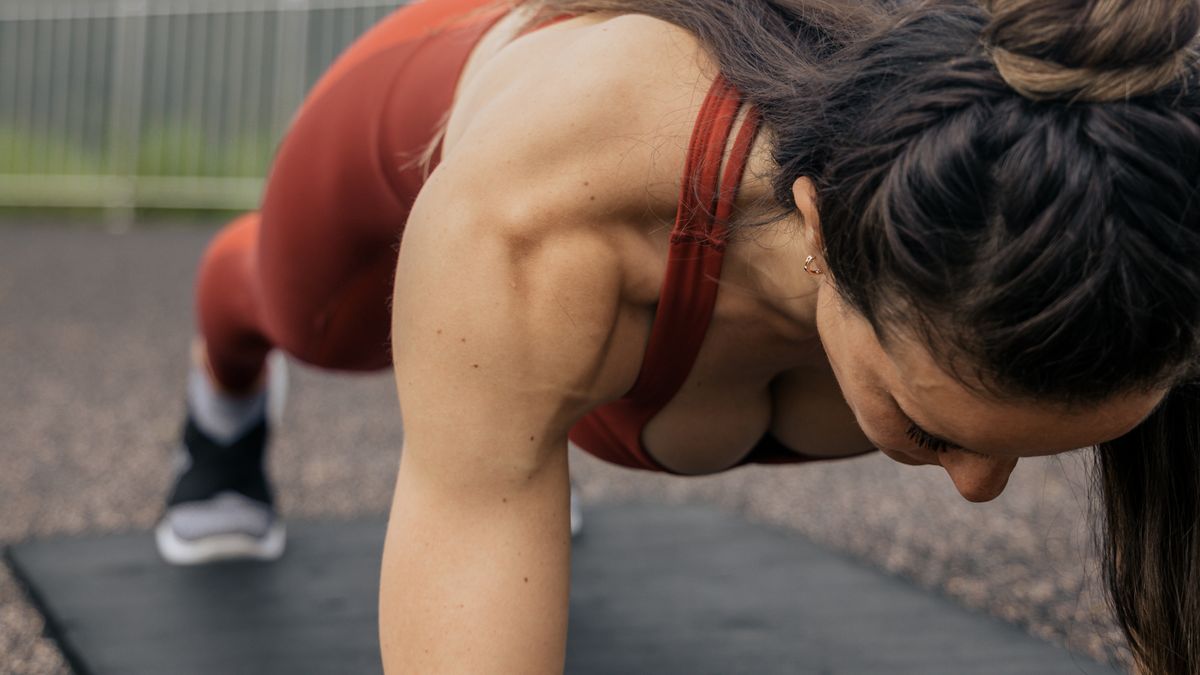
Ask most people what the core is and they will point to their abs. But your core is far more than the muscles you see in the mirror. It is a whole network of muscles wrapping around your torso, front, back, and sides, that stabilizes your spine and connects your upper and lower body. A strong core is not really about a flat stomach; it is about moving well, standing tall, and protecting your back through everything from lifting groceries to playing sport. Here is how to understand your core and build it safely, whatever your starting point.
What Your Core Actually Is
Your core includes the muscles on the front of your abdomen, the deep muscles that wrap around your midsection like a natural belt, the muscles along your spine, and even parts of your hips and pelvis. Together they work to keep your trunk stable while your arms and legs move. Think of the core as the link in a chain: when it is strong and stable, force transfers efficiently through your body. When it is weak, other areas, often the lower back, end up compensating.
Why Core Strength Matters For Everyday Life
Core strength shows up everywhere, usually without you noticing. It helps you maintain good posture, keeps your balance as you age, and lets you bend, twist, and lift without straining. A stable core can reduce the risk of lower back pain, one of the most common complaints among adults, by supporting the spine during daily movement. For anyone who exercises or plays sport, a strong core improves performance because nearly every athletic movement relies on transferring force through a stable trunk.
Move Beyond Crunches
Traditional crunches target only part of the core and can strain the neck and back when done poorly. A more effective approach trains the core to do its real job: resisting movement and stabilizing the spine. Some of the most useful exercises include:
- Planks and side planks, which build stability throughout the trunk.
- Dead bugs and bird dogs, which teach the core to stay steady while limbs move.
- Carries, such as holding a weight at your side while walking, which challenge the whole system.
These train the core the way you actually use it, rather than isolating a single muscle group.
Focus On Quality Over Quantity
When it comes to the core, how you perform an exercise matters more than how many repetitions you grind out. Rushing through movements or holding your breath reduces the benefit and can encourage poor form. Instead, move slowly and with control, keep your spine in a neutral position, and breathe steadily throughout. A shorter set done well will do more for you than a long set performed sloppily. If you feel an exercise mainly in your lower back or neck, that is a sign to adjust your form or scale it back.
How Often To Train Your Core
The core is involved in most compound exercises, so it gets some work during squats, deadlifts, and many other movements. Dedicated core training a few times a week is plenty for most people. Because these muscles are used constantly, they tend to recover fairly quickly, but they still benefit from rest, so you do not need to train them every day. Consistency over weeks and months is what builds lasting strength, not occasional intense sessions followed by long gaps.
Build A Simple, Balanced Routine
An effective core routine trains the muscles from several angles rather than only the front. Include an exercise that resists movement, such as a plank, one that challenges the sides, such as a side plank or a carry, and one that involves the back muscles, such as a bird dog. Start with what you can do well and gradually increase difficulty, whether by holding positions longer, adding light resistance, or progressing to harder variations. Warming up first and listening to your body help keep progress steady and injury-free.
Common Mistakes To Avoid
A few habits hold people back. Chasing only visible abs while ignoring the deeper stabilizing muscles leaves the core unbalanced. Holding your breath during exercises reduces stability and effectiveness. Progressing too quickly, before your form is solid, invites strain. And relying on core work alone while ignoring overall fitness and nutrition rarely produces the results people hope for. A visible midsection depends heavily on overall body composition, which is shaped by diet and total activity, not core exercises alone.
Frequently Asked Questions
Will core exercises give me a flat stomach? Core training strengthens the muscles, but whether they are visible depends largely on overall body fat, which is influenced by diet and total activity. Strong core muscles and visible abs are related but not the same thing.
How long until I notice results? Many people feel greater stability and better posture within a few weeks of consistent training. Visible changes and bigger strength gains take longer and depend on your overall routine and nutrition.
Are planks better than crunches? For most people, plank-style stability exercises train the core more functionally and with less strain than crunches. A varied routine that includes several movement types is more effective than relying on any single exercise.
The Takeaway
A strong core is one of the most useful things you can build for everyday life, supporting your posture, balance, and back through nearly everything you do. Rather than chasing endless crunches or visible abs, train your core the way you use it: with stability-focused exercises done with good form, a few times a week, as part of a balanced fitness routine. Over time, that steady effort pays off in how strong, capable, and comfortable your body feels.
Related: Combining fitness with weight goals? Our Gala GLP-1 review explains the medical weight-loss option.