


By Priya Nair · Updated July 30, 2026 · Fact-checked
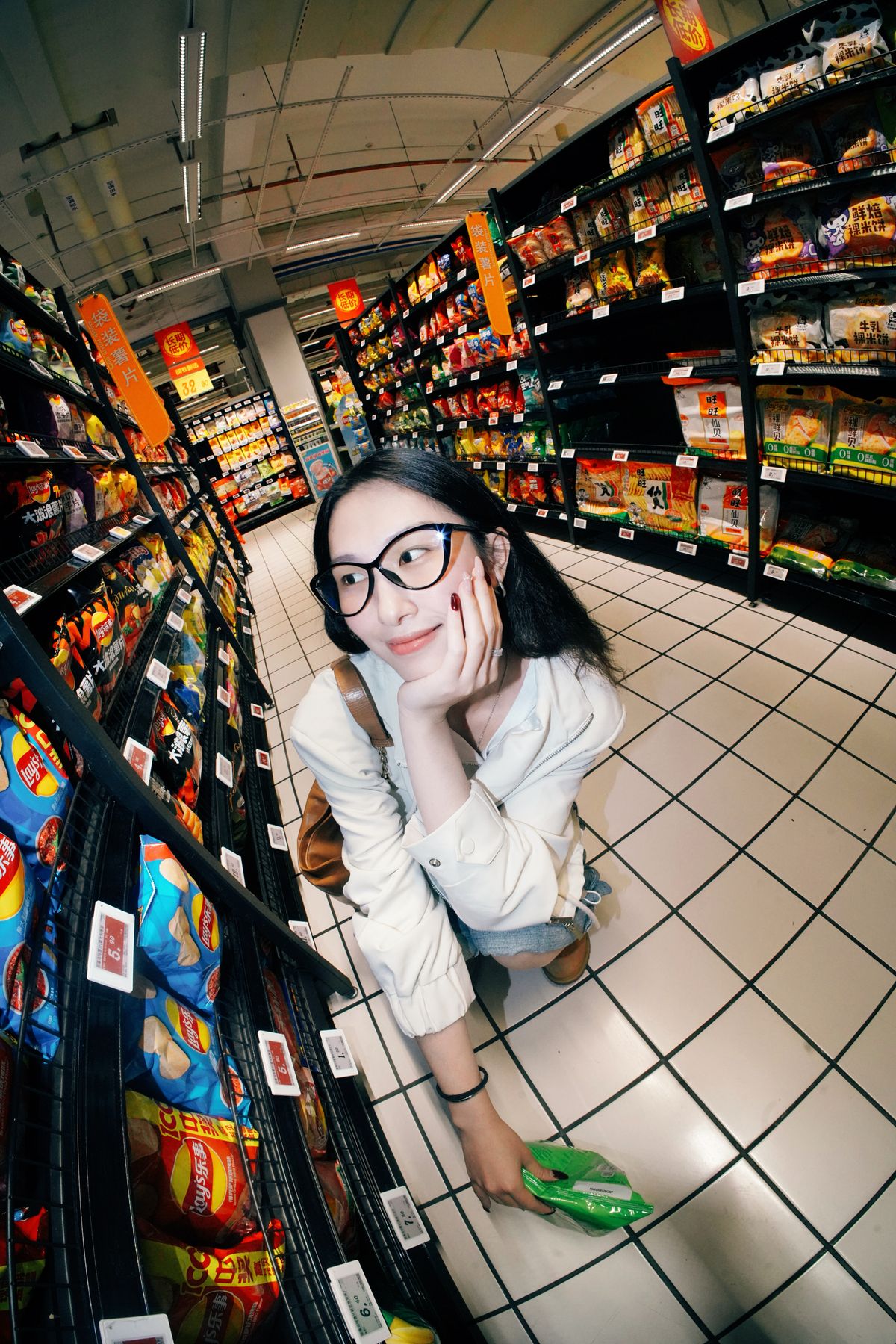
Ultra-processed foods have become the backbone of the modern diet, and most of us don’t even notice. In the US and much of Europe, they account for more than half of the calories people eat on a given day. That’s not a fringe habit. That’s breakfast cereal, sandwich bread, flavored yogurt, and the protein bar you grabbed because it seemed like the responsible choice. This guide walks through what “ultra-processed” actually means, what the research does (and doesn’t) show, and how to eat fewer of these foods without turning dinner into a chemistry project.
What counts as ultra-processed?
Researchers usually lean on the NOVA classification, which sorts food by how much industrial processing it goes through rather than by its nutrients. Group 1 is whole or minimally processed food — an apple, plain oats, frozen peas. Group 2 covers kitchen ingredients like oil and salt. Group 3 is processed food in the old-fashioned sense: canned beans, cheese, fresh bread made from flour, water, salt, and yeast.
Group 4 is where things get interesting. Ultra-processed foods are industrial formulations built mostly from substances extracted from foods — refined starches, protein isolates, hydrogenated oils — plus additives you’d never keep in your pantry: emulsifiers, flavor enhancers, colorings, artificial sweeteners. Soft drinks, packaged snacks, instant noodles, chicken nuggets, and most supermarket bread all land here.
Why they’re so easy to overeat
Here’s the uncomfortable part: these products are engineered to be eaten quickly and in large amounts. They tend to be soft, calorie-dense, and precisely tuned combinations of salt, sugar, and fat that your brain finds hard to put down. One tightly controlled NIH trial gave people either an ultra-processed diet or a minimally processed one, matched for calories and nutrients on paper. When allowed to eat freely, the ultra-processed group ate about 500 more calories a day and gained weight in just two weeks.
Speed matters too. Softer textures mean less chewing, faster eating, and less time for fullness signals to catch up. You’ve probably experienced this with a sleeve of crackers. Nobody has that experience with lentils.
What the research links them to
Large observational studies have associated diets high in ultra-processed food with higher risks of obesity, type 2 diabetes, heart disease, and earlier death. A major umbrella review in The BMJ in 2024 pooled evidence covering millions of participants and found consistent links, with the strongest signals for cardiovascular disease, anxiety and depression, and all-cause mortality.
A fair caveat: most of this evidence is observational, so it shows association rather than airtight proof of cause and effect. People who eat more ultra-processed food often differ in other ways too. Still, the pattern shows up across countries and study designs, and the NIH feeding trial gives it a plausible mechanism. You don’t need certainty to justify eating fewer soft drinks.
The gray areas nobody talks about
Not everything with a wrapper deserves the same suspicion. Whole-grain breakfast cereals, packaged wholemeal bread, plain yogurt with added cultures, and canned baked beans are technically processed — sometimes ultra-processed — yet they deliver fiber, protein, and micronutrients at a low cost. Some studies even find breads and cereals show weaker (or no) associations with harm compared to processed meats and sugary drinks.
So the goal isn’t purity. It’s shifting the balance. A frozen vegetable stir-fry with a store-bought sauce is a better weeknight outcome than takeout, even if the sauce has an emulsifier in it.
How to spot ultra-processed foods on a label
You don’t need to memorize additive numbers. A few quick checks do most of the work:
- Read the ingredient list, not the front of the pack. Marketing lives on the front. Reality lives on the back.
- Look for ingredients you wouldn’t cook with. Protein isolate, glucose-fructose syrup, modified starch, and “natural flavorings” are hallmarks of Group 4.
- Count. Five or fewer recognizable ingredients is a decent rough filter, though it’s not a perfect rule.
- Be skeptical of health halos. “High protein,” “low fat,” and “plant-based” say nothing about processing. Plenty of ultra-processed products wear all three badges.

Realistic ways to cut back
Going from 60% ultra-processed to zero overnight is a recipe for a short-lived experiment. Swaps beat bans:
- Trade flavored yogurt for plain yogurt plus fruit. Same convenience, a fraction of the sugar.
- Swap soda for sparkling water most days — this one change removes a surprising share of many people’s ultra-processed calories.
- Cook a double batch twice a week. Leftovers are the single best defense against the 6pm instant-noodle decision.
- Upgrade your bread. A bakery loaf or one with a short ingredient list is an easy, painless switch.
- Keep one “assembly meal” on standby: canned beans, a bag of salad, olive oil, feta. Five minutes, mostly Group 1 and 3.
What to eat instead
The boring answer happens to be the right one: a pattern built around vegetables, fruit, legumes, whole grains, nuts, fish, and olive oil. If that sounds familiar, it’s essentially the Mediterranean diet, which has some of the strongest evidence in nutrition science. And eating this way doesn’t have to be expensive — dried beans, oats, frozen vegetables, and eggs are among the cheapest foods in the store. We’ve covered how to do it affordably in our guide to eating healthy on a budget.
Frequently asked questions
Are all ultra-processed foods bad for you?
No. The category is broad, and items like whole-grain bread and fortified cereals can fit in a healthy diet. The strongest concerns center on sugary drinks, processed meats, and snack foods — the products people tend to overeat.
Is frozen food ultra-processed?
Usually not. Plain frozen fruit and vegetables are minimally processed and just as nutritious as fresh, sometimes more so because they’re frozen at peak ripeness. Frozen ready meals with long ingredient lists are a different story.
How much ultra-processed food is okay?
There’s no official safe threshold. Research suggests risk climbs as the share of your diet grows, so most experts frame it as direction, not perfection: shrink the proportion over time and build meals around whole foods first.
The takeaway
Ultra-processed foods aren’t a moral failing — they’re convenient, cheap, and everywhere, which is exactly why they now dominate so many diets. The evidence linking heavy intake to weight gain and chronic disease keeps stacking up, even if some questions remain open. You don’t need to quit them entirely. Read ingredient lists, make a handful of smart swaps, and let whole foods take up more room on your plate each week. Direction beats perfection.
This article is for general informational purposes only and is not a substitute for professional medical advice, diagnosis, or treatment. Always consult a qualified health professional with questions about your diet or health.