


By Priya Nair · Updated July 26, 2026 · Fact-checked
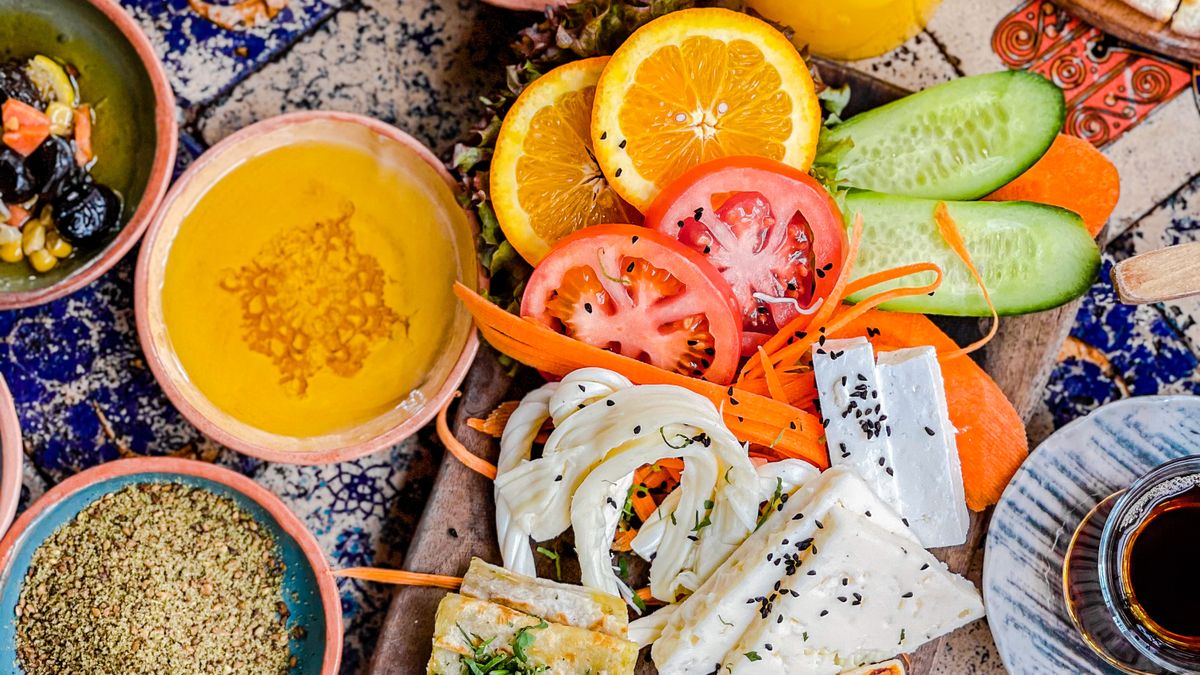
The Mediterranean diet is one of the most studied eating patterns in the world, and for good reason. Rather than a strict set of rules, it describes the way people have traditionally eaten in countries bordering the Mediterranean Sea: plenty of vegetables, fruit, whole grains, beans, olive oil, and fish, with less red meat and fewer processed foods. If you are looking for a realistic, flexible approach to eating that supports long-term health, this beginner’s guide to the Mediterranean diet will help you understand what it is and how to start.
What The Mediterranean Diet Actually Is
The Mediterranean diet is a pattern, not a strict meal plan. It is built around whole, minimally processed foods and healthy fats, especially extra-virgin olive oil. Traditional versions emphasize shared meals, seasonal produce, and an active lifestyle. Because it focuses on what to add rather than what to cut out, many people find it easier to stick with than restrictive diets that ban entire food groups.
The Core Foods To Build Meals Around
You do not need special or expensive ingredients to eat this way. The foundation is simple, familiar, and widely available:
- Vegetables and fruit: aim to fill half your plate with them at most meals.
- Whole grains: oats, brown rice, whole-grain bread, barley, and bulgur.
- Legumes: lentils, chickpeas, and beans for fiber and plant protein.
- Healthy fats: extra-virgin olive oil, nuts, seeds, and avocado. It helps to understand healthy fats vs unhealthy fats so you know which to prioritize.
- Fish and seafood: a couple of times a week, especially oily fish like sardines or salmon.
- Herbs and spices: to add flavor instead of relying on salt.
Foods To Enjoy In Moderation
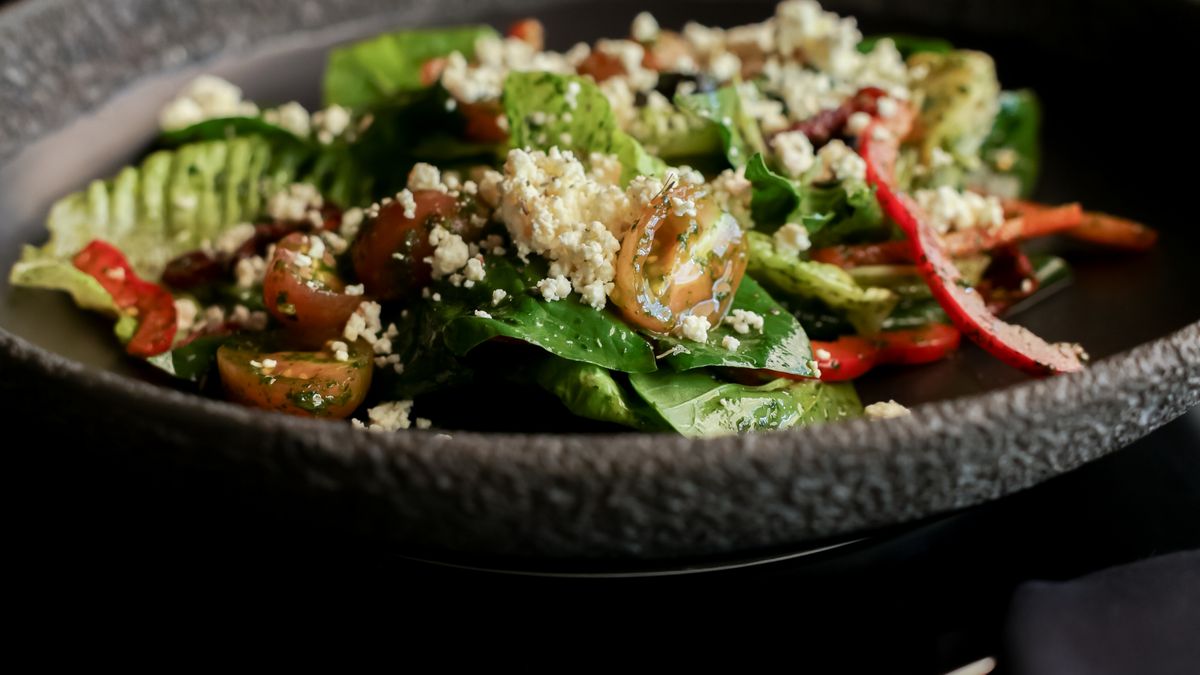
The Mediterranean pattern does not forbid foods, it shifts the balance. Poultry, eggs, and dairy such as yogurt and cheese appear in smaller amounts. Red meat and sweets are occasional rather than daily. Ultra-processed snacks, sugary drinks, and refined grains take a back seat. Thinking in terms of frequency rather than strict bans makes the diet more sustainable and less stressful to follow.
Why Researchers Pay Attention To It
The Mediterranean diet is associated in large observational studies with heart and metabolic health, likely because it is rich in fiber, unsaturated fats, and antioxidants while being lower in added sugar and processed meat. These principles line up closely with the World Health Organization’s guidance on a healthy diet. It is not a cure or a guarantee, and individual results vary. What makes it appealing to many nutrition experts is that it reflects a whole pattern of eating rather than a single “miracle” food, which tends to be more meaningful for long-term wellbeing.
How To Start Without Overhauling Your Kitchen
You do not have to change everything overnight. Small, steady swaps are more likely to last:
- Cook with olive oil instead of butter or refined seed oils.
- Add a vegetable or salad to one more meal each day.
- Swap one meat-based dinner a week for a bean or lentil dish.
- Choose whole-grain versions of bread, pasta, and rice.
- Keep nuts and fruit on hand as easy snacks.
- Drink water as your default beverage.
A Simple Day Of Mediterranean Eating
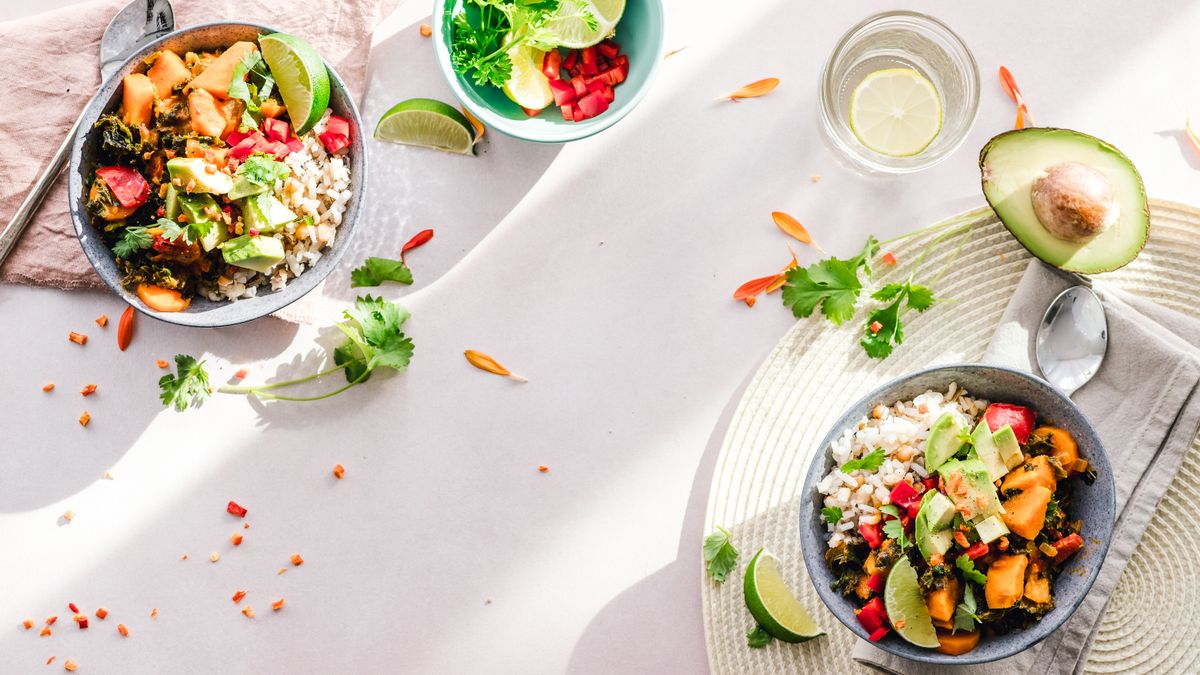
Putting it together is easier than it sounds. Breakfast might be plain yogurt with fruit and a handful of walnuts. Lunch could be a grain bowl with chickpeas, tomatoes, cucumber, feta, and olive oil. A snack of an apple and almonds keeps you going. Dinner might be baked fish with roasted vegetables and a side of whole grains. Nothing here is complicated, and most meals come together with pantry staples.
Common Mistakes To Avoid
Beginners sometimes assume “Mediterranean” means unlimited pasta, cheese, and bread, but portion balance still matters. Others pour on olive oil without noticing that calories add up, or lean heavily on packaged “Mediterranean-style” products that are actually highly processed. The spirit of the diet is fresh, simple, home-prepared food. Keeping that principle in mind helps you avoid turning a healthy pattern into something it was never meant to be.
Frequently Asked Questions
Is The Mediterranean Diet Good For Weight Loss?
It can support a healthy weight because it is filling and rich in fiber, but weight change still depends on your overall calorie balance. Many people find it easier to maintain than restrictive diets, which helps with consistency over time.
Do I Have To Eat Fish If I Don’t Like It?
No. Fish is encouraged, but you can get healthy fats and protein from sources like nuts, seeds, legumes, and olive oil. A largely plant-based Mediterranean approach is perfectly workable.
Is It Expensive To Follow?
It does not have to be. Staples like beans, lentils, oats, seasonal vegetables, and canned fish are budget-friendly. For more ideas, see our guide on how to eat healthy on a budget. Buying in season and cooking at home keeps costs down.
The Takeaway
The Mediterranean diet works because it is flexible, satisfying, and built on real food rather than rigid rules. You do not need to be perfect or change everything at once. Start with a few simple swaps, focus on vegetables, whole grains, legumes, and olive oil, and let the pattern build gradually. Over time, these small choices add up to an eating style you can genuinely live with.
This article is for general informational purposes only and is not a substitute for professional medical advice. Consult a qualified healthcare provider or registered dietitian before making significant changes to your diet, especially if you have a health condition.