


By Hannah Brooks · Updated July 31, 2026 · Fact-checked
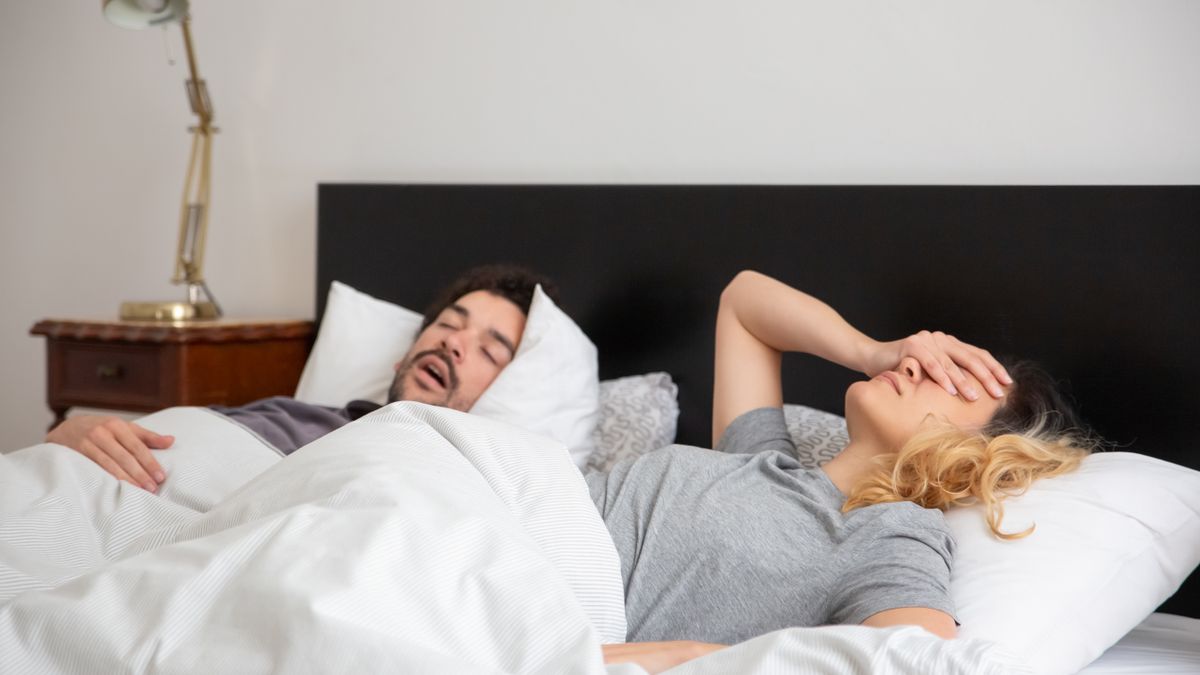
Snoring gets treated like a punchline. But when the snoring is loud and choppy, and it keeps ending in a stretch of silence followed by a gasp, it stops being funny. That pattern is the classic signature of sleep apnea — a condition where your breathing repeatedly stops and restarts while you sleep, sometimes hundreds of times a night.
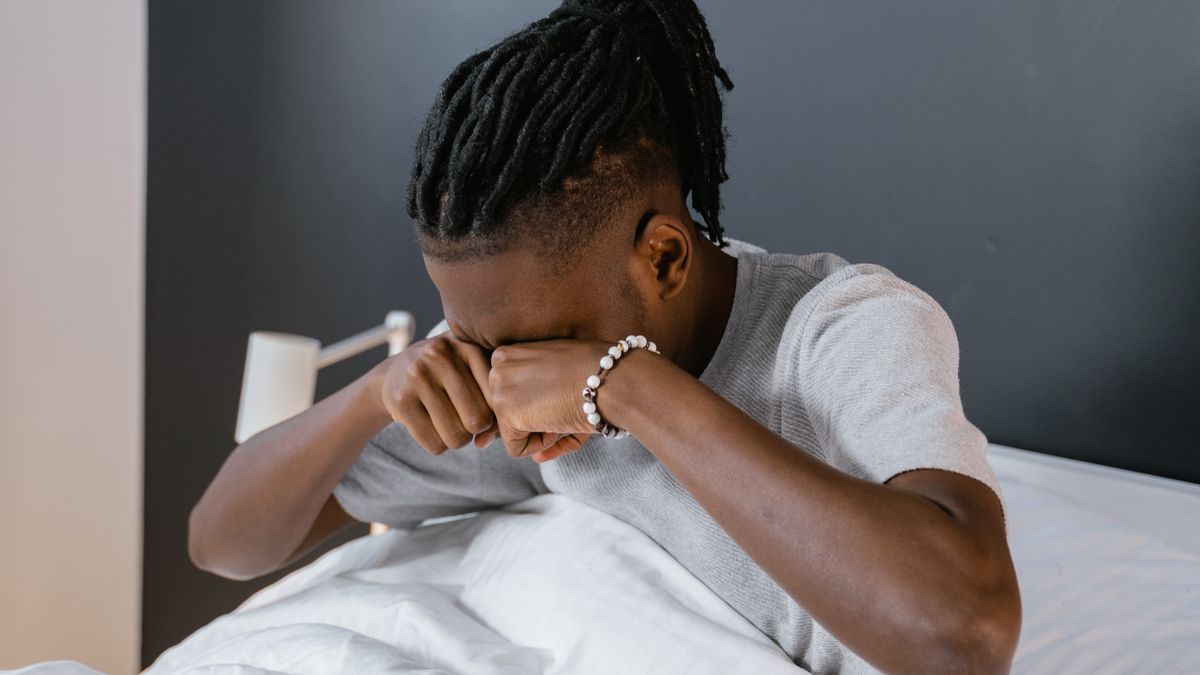
The frustrating part is how quietly it does its damage. You don’t remember waking up thirty times an hour. You just know you’re exhausted again after what should have been a full night in bed, and you can’t figure out why.
What sleep apnea actually is
In the most common form, obstructive sleep apnea, the muscles at the back of your throat relax too much during sleep. The airway narrows or closes, airflow stops for ten seconds or longer, and your blood oxygen dips. Your brain notices and jolts you just awake enough to reopen the airway — usually with a snort or gasp you’ll never remember.
There’s also a rarer form, central sleep apnea, where the problem isn’t a blocked airway but the brain briefly failing to send the signal to breathe. Some people have a mix of both. Either way, the result is the same: your sleep gets shredded into fragments, and your body spends the night under stress instead of recovering.
The signs most people miss
Loud snoring is the headline symptom, but it’s rarely the one that gets people to a doctor. Watch for the quieter clues:
- Snoring with pauses, choking, or gasping (often reported by a partner)
- Waking with a dry mouth or a dull morning headache
- Feeling unrefreshed no matter how long you slept
- Nodding off during the day — in meetings, watching TV, even at red lights
- Irritability, brain fog, or trouble concentrating
- Getting up to urinate several times a night
A partner often spots it first. If you sleep alone, your body keeps the score instead: the daytime sleepiness is the tell. And if your problem is lying awake rather than snoring through fragmented sleep, that points more toward insomnia, which is a different beast.
Who’s more likely to have it
Anyone can have sleep apnea — including fit people and children — but a few things stack the odds. Carrying extra weight, especially around the neck, is the biggest one. Men develop it more often than women, though the gap narrows after menopause. Risk climbs after 40, runs in families, and gets worse with alcohol in the evening, smoking, and sleeping flat on your back. A naturally narrow airway, large tonsils, or chronic nasal congestion can do it too.
One number worth knowing: a neck circumference above about 17 inches in men (16 in women) is associated with higher risk. It’s not destiny, just a flag.
What untreated sleep apnea does to your body
Each time your oxygen dips and your brain startles awake, your nervous system fires a small stress response. Multiply that by dozens of events an hour, every night, for years. Untreated sleep apnea is linked to high blood pressure, heart disease, stroke, atrial fibrillation, and type 2 diabetes. It also makes weight loss harder, drags down mood, and — through plain sleepiness — raises the risk of car and workplace accidents.
That list sounds grim, and it is. But it’s also the good news in disguise: treating the apnea takes real pressure off nearly every system on it.
How doctors diagnose it
Diagnosis used to mean a night in a sleep lab wired to sensors. That still happens for complicated cases, but many people now qualify for a home sleep test — a small device you wear for a night or two that tracks breathing, oxygen, and heart rate in your own bed.
The result is usually summarized as an AHI (apnea-hypopnea index): the number of breathing disturbances per hour. Under 5 is normal, 5–15 is mild, 15–30 moderate, and over 30 severe. The National Heart, Lung, and Blood Institute has a solid plain-language overview of the process if you want to read ahead of an appointment.
Treatments that actually help
CPAP — a small machine that keeps your airway open with gently pressurized air through a mask — remains the gold standard, and modern machines are far quieter and more comfortable than the ones people remember from a decade ago. Most people who stick with it past the awkward first weeks describe the change as dramatic: real mornings, actual energy.
It’s not the only option. Custom oral appliances that hold the lower jaw forward work well for mild to moderate cases. Positional therapy helps people whose apnea mostly happens on their back. Weight loss can meaningfully reduce severity, and for some people with specific anatomy, surgery or a hypoglossal nerve stimulator implant is on the table. The right choice depends on your sleep study, not on what worked for your brother-in-law.
What you can do starting tonight
None of these replace a diagnosis, but they lean in the right direction while you arrange one:
- Sleep on your side — back sleeping lets gravity close the airway. Our guide to sleep positions covers how to make the switch stick.
- Skip alcohol within three hours of bed; it relaxes exactly the muscles you need firm.
- Raise the head of your bed a few inches.
- Treat nasal congestion so you’re not forced to mouth-breathe.
- Keep a consistent sleep schedule — exhaustion makes apnea events worse.
Frequently asked questions
Can sleep apnea go away on its own?
Sometimes mild cases improve with weight loss or by consistently avoiding back sleeping. But moderate and severe apnea rarely resolves untreated — and because you can’t feel the events happening, “it seems better” isn’t a reliable measure. Retesting is.
Is snoring always sleep apnea?
No. Plenty of people snore without apnea. The combination to take seriously is snoring plus pauses or gasping plus daytime sleepiness. Any two of those together deserve a conversation with a doctor.
What happens during a home sleep test?
You pick up (or receive by mail) a small kit — typically a finger oxygen sensor, a chest band, and a nasal cannula — wear it overnight in your own bed, and return it. A sleep physician reads the data and calls you with results. It’s much less of an ordeal than most people expect.
The takeaway
Sleep apnea is common, underdiagnosed, and very treatable. If your snoring comes with silences and gasps, or you’re dragging through days after full nights in bed, don’t write it off as getting older. A one-night test can tell you what’s going on — and treatment gives many people the first real sleep they’ve had in years.
This article is for general information and isn’t medical advice. If you suspect sleep apnea or have symptoms that worry you, talk with a qualified healthcare professional.