


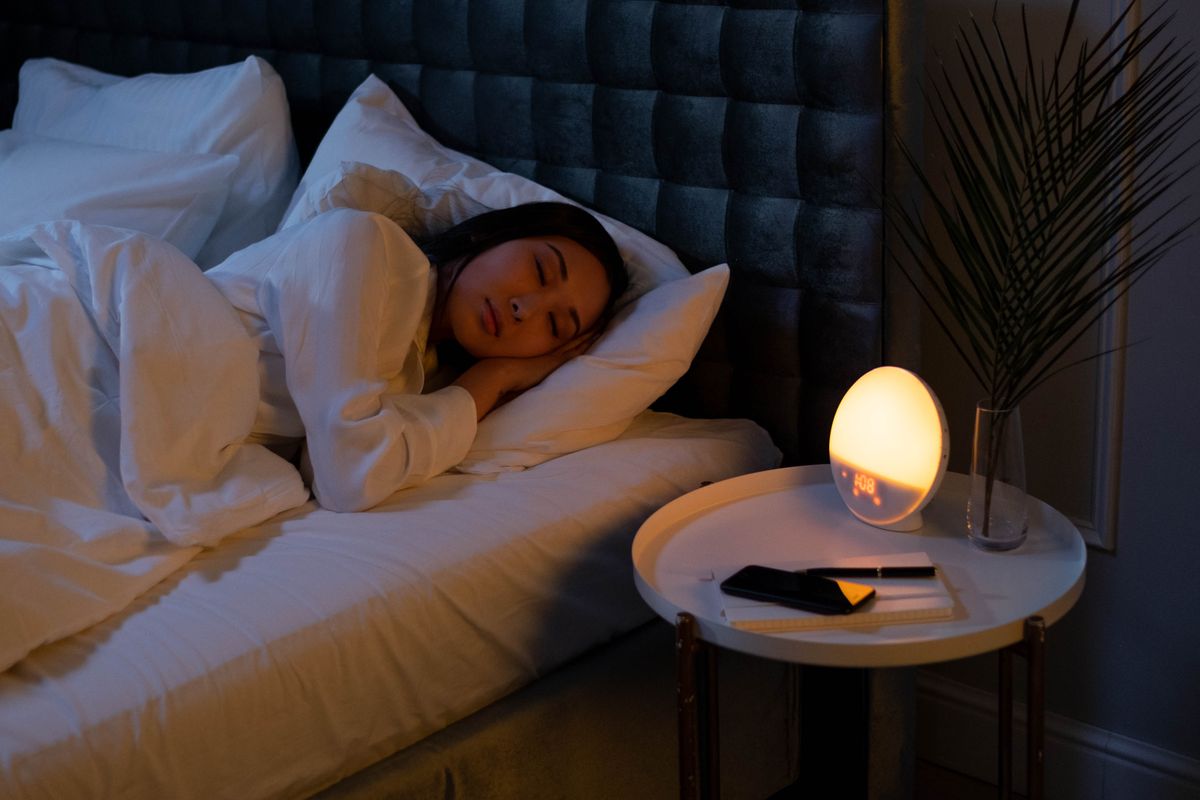
You spend about a third of your life asleep, and the position you spend it in matters more than most people realize. The way you lie in bed can affect your breathing, your back and neck, heartburn, snoring, and even how rested you feel in the morning. There is no single perfect sleep position for everyone, but understanding the strengths and drawbacks of each can help you sleep more comfortably and wake up with fewer aches. Here is what to know about the best sleep positions for your health.
Side Sleeping: The Most Popular For Good Reason
Sleeping on your side is the most common position, and it has real advantages. It tends to keep the airway open, which can reduce snoring and is often recommended for people with sleep apnea. It can also ease acid reflux, particularly when you lie on your left side. For pregnant women, side sleeping — especially on the left — is usually advised to support healthy circulation.
The main downsides are pressure on the shoulder and hip you are lying on, and the risk of neck strain if your pillow does not support your head well. A pillow that keeps your neck level with your spine, and a pillow between your knees, can solve most of these issues.
Back Sleeping: Good For Alignment, Not For Everyone
Lying on your back keeps your head, neck, and spine in a naturally neutral line, which can help prevent aches when your mattress and pillow give the right support. It also distributes weight evenly and keeps your face off the pillow, which some people prefer.
The catch is breathing. Back sleeping can worsen snoring and sleep apnea because the tongue and soft tissue are more likely to fall back and narrow the airway. If you snore heavily or have been told you stop breathing at night, back sleeping may not be your best option — talk to a doctor about it.
Stomach Sleeping: The Least Recommended
Sleeping on your stomach can reduce snoring, but it comes with the most trade-offs. It flattens the natural curve of your spine and forces your neck to turn to one side for hours, which often leads to neck and back pain over time. If stomach sleeping is the only way you feel comfortable, a very thin pillow or no pillow under your head, plus a flat pillow under your pelvis, can reduce the strain on your spine.
Matching Your Position To Your Health
The best position often depends on what you are dealing with:
- Snoring or sleep apnea: side sleeping usually helps; back sleeping often makes it worse
- Acid reflux or heartburn: try your left side, and avoid lying flat right after eating
- Back or neck pain: back or side sleeping with good support tends to be gentler than stomach sleeping
- Pregnancy: side sleeping, ideally on the left, is generally recommended
- Shoulder pain: avoid sleeping on the painful shoulder
These are general patterns, not rules. Comfort and staying asleep matter too, so use them as a starting point.
Your Pillow And Mattress Do Half The Work
Even the best position falls apart on the wrong setup. The goal is to keep your head, neck, and spine in a relatively straight line. Side sleepers usually need a firmer, thicker pillow to fill the gap between the head and shoulder. Back sleepers need a thinner pillow that supports the neck without pushing the head forward. Stomach sleepers need almost no pillow at all. A mattress that is neither sagging nor overly hard supports healthy alignment in any position.
Can You Actually Change How You Sleep?
You cannot fully control your position once you are asleep, but you can nudge it. Start in the position you want and use pillows to make it comfortable and hard to roll out of. Some people place a pillow behind their back to discourage rolling flat, or a body pillow to encourage side sleeping. It takes time and repetition to shift a lifelong habit, so be patient. Comfort ultimately wins — if a “better” position keeps you awake, the sleep you lose may cost more than the position gains.
When Position Isn’t The Real Problem
If you wake up unrefreshed, in pain, or gasping despite trying different positions, the issue may be something else — an unsupportive mattress, an underlying sleep disorder, or a health condition. Loud snoring, pauses in breathing, morning headaches, or persistent daytime sleepiness are reasons to see a doctor. Adjusting your position is a helpful tool, but it is not a substitute for treating a real sleep problem.
Frequently Asked Questions
What is the healthiest sleep position overall? For most people, side sleeping offers the best balance of benefits, especially for breathing and reflux. Back sleeping is good for spinal alignment if you do not snore. The best position is one that keeps you comfortable and your spine supported.
Is sleeping on your stomach really that bad? It is the hardest on your neck and back because of the twist and flattened spine. If you sleep this way, use minimal pillows to reduce the strain.
Does sleep position help with snoring? Yes. Sleeping on your side often reduces snoring, while lying on your back tends to make it worse. Heavy snoring still warrants a medical check.
The Takeaway
There is no universal best sleep position, but side sleeping suits the most people, back sleeping supports spinal alignment for those who do not snore, and stomach sleeping asks the most of your neck and back. Match your position to any issues you have, back it up with the right pillow and mattress, and prioritize comfort so you actually stay asleep. If pain or breathing problems persist no matter how you lie, see a doctor.
Related: If you want a nighttime routine add-on, our Beam review looks at its Dream sleep powder and how it aims to support rest.