



By Priya Nair · Updated August 3, 2026 · Fact-checked
Humans have been fermenting food for thousands of years – originally to keep it from spoiling, long before anyone knew bacteria existed. Now the science has circled back around: those tangy, funky foods our great-grandparents made out of necessity turn out to be some of the most interesting things you can put in your gut. But the supermarket version of “fermented” ranges from genuinely alive to pasteurized marketing. Here’s how to tell the difference and what these foods can realistically do for you.
What fermentation actually is
Fermentation is controlled microbial work: bacteria and yeasts eat the sugars in milk, cabbage, or grains and produce acids, gases, and alcohol. That acid is why yogurt tastes tart and sauerkraut puckers your mouth – and it’s also what preserves the food. Along the way, microbes partially break down proteins and sugars (one reason fermented dairy sits easier with many lactose-sensitive people) and produce new compounds, including certain B vitamins and vitamin K2.
What the research shows so far
The most cited recent evidence comes from a Stanford trial in which people who ate a high-fermented-food diet for ten weeks – yogurt, kefir, kimchi, kombucha – showed increased gut microbiome diversity and lower markers of inflammation compared with a high-fiber-only group. Observational research links regular yogurt eaters with modestly better metabolic health. It’s promising rather than miraculous: fermented foods look like a genuinely useful piece of a healthy diet, not a cure for anything.
The heavy hitters, briefly
- Yogurt: the most studied of all – look for “live and active cultures” on the label
- Kefir: a drinkable fermented milk with a wider range of microbe species than yogurt
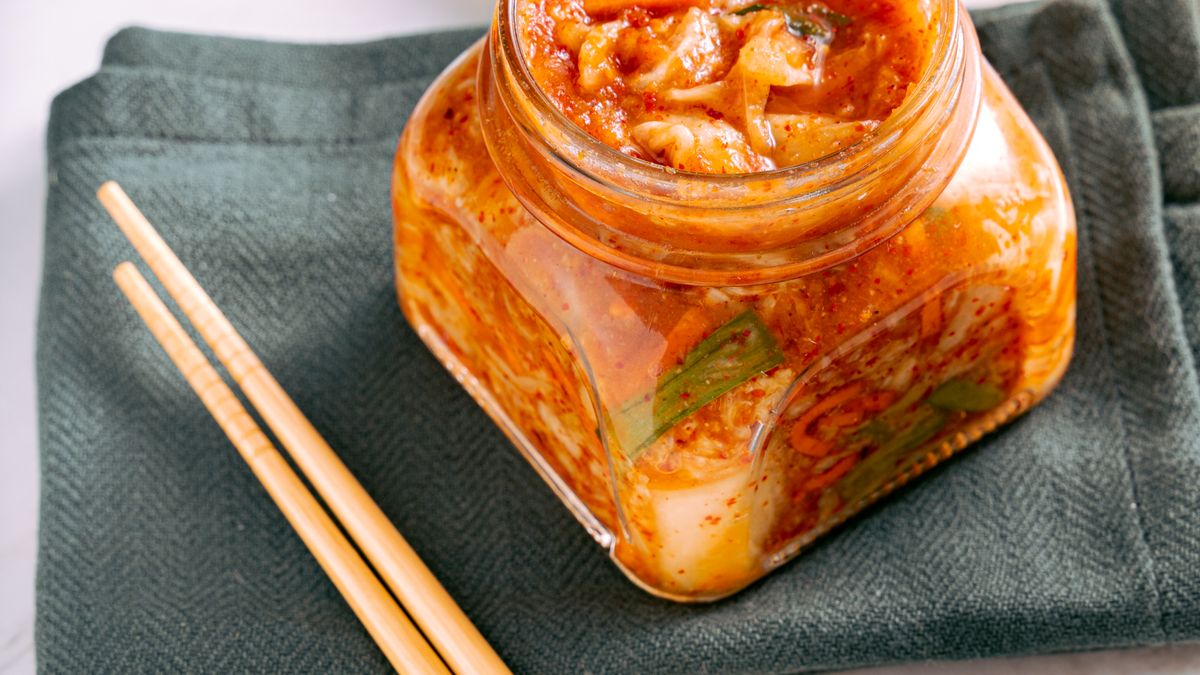
- Kimchi and sauerkraut: fermented vegetables that bring fiber and live cultures together – if sold refrigerated
- Miso and tempeh: fermented soy staples with savory depth and, in tempeh’s case, solid protein
- Kombucha: fermented tea; pleasant and mildly acidic, though watch the sugar content between brands
Alive or just flavored: reading the label
Heat kills microbes, so anything pasteurized after fermentation – most shelf-stable sauerkraut, many pickles, some kombucha – delivers the taste without the living cultures. Clues that a product is still alive: it’s sold refrigerated, the label says raw or unpasteurized or names live cultures, and vegetable ferments may fizz gently when opened. One more distinction worth knowing: vinegar pickles aren’t fermented at all – they’re just vegetables in acid. Delicious, but a different thing.
Fermented foods vs probiotic supplements
Supplements deliver specific strains at known doses, which matters in some medical situations – that’s a conversation for your doctor. For general health, food has advantages capsules can’t match: a wider variety of microbe species, plus the fiber, protein, and nutrients that come attached. Fermented vegetables are a particularly good deal because they feed your existing gut bacteria (fiber) while adding new ones (cultures) in the same bite. It’s the same logic that makes whole diets like the Mediterranean pattern outperform isolated nutrients.
How to start without overdoing it
If your gut isn’t used to fermented foods, a sudden pile of kimchi can announce itself with bloating and gas. Start with one small serving a day – half a cup of yogurt, a forkful of sauerkraut alongside dinner, a small glass of kefir – and build over a couple of weeks. Variety beats volume: rotating two or three different ferments likely does more for microbial diversity than a lot of one thing.
Easy ways to eat more of them
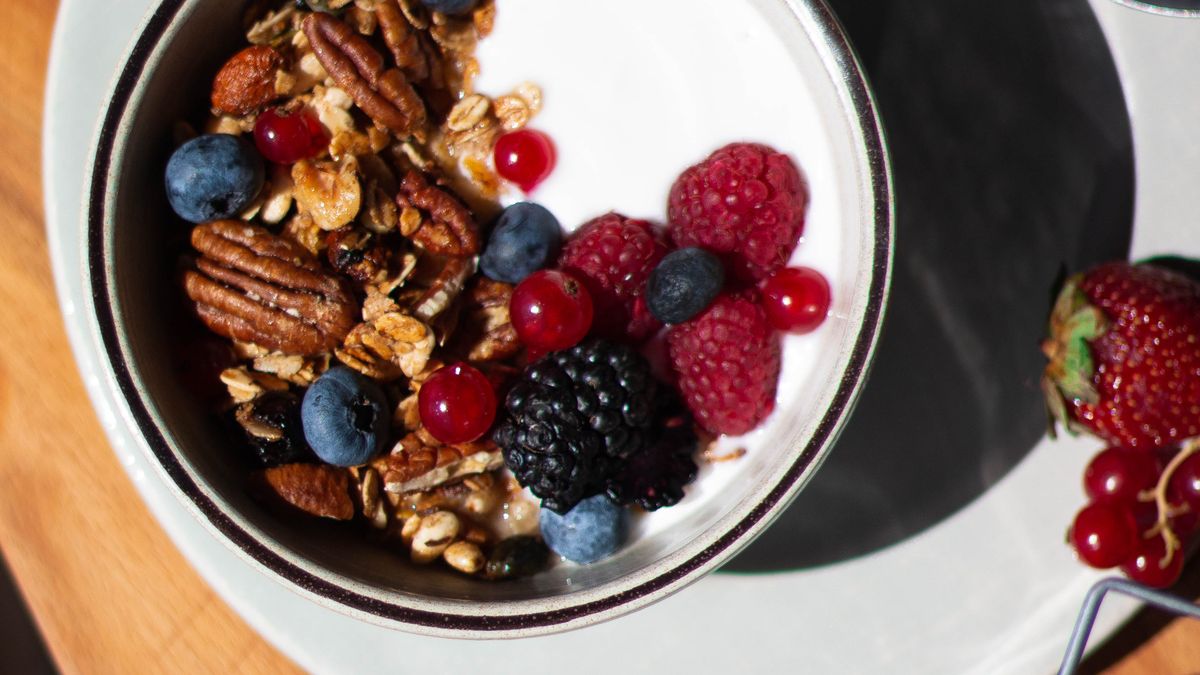
- Swap your usual snack for yogurt with fruit a few times a week
- Use kefir in smoothies instead of milk
- Add a spoonful of kimchi or kraut to rice bowls, eggs, or sandwiches
- Stir miso into dressings and soups (add it off the heat to keep cultures alive)
- Try tempeh anywhere you’d use tofu for a nuttier, firmer bite
These swaps also tend to crowd out ultra-processed options, which is its own quiet win for your gut.
Who should be careful
Fermented foods are safe for most people, but they’re rich in histamine and tyramine, which some individuals react to with headaches or flushing. People with significantly weakened immune systems, and anyone advised to limit sodium (kimchi and miso are salty), should talk to their doctor or a dietitian about how much makes sense. Homemade fermenting is safe when done properly – follow tested recipes and trust your nose.
Frequently asked questions
How often should I eat fermented foods?
Most research showing benefits involved daily or near-daily servings. A realistic target is one to three small servings a day, worked up to gradually.
Does cooking kill the probiotics in fermented food?
Yes – sustained heat kills live cultures. Cooked ferments still offer flavor and some fermentation by-products, but for live microbes, eat them cold or add them after cooking.
Is kombucha as healthy as yogurt or kefir?
It’s the least studied of the popular ferments and some brands carry a lot of added sugar. Enjoy it as a soda alternative; fermented dairy and vegetables have stronger evidence behind them.
The takeaway
Fermented foods are one of the rare nutrition trends with real history and real science behind them. Pick one or two you actually enjoy, check that they’re genuinely alive, start small, and make them a habit rather than a hero ingredient. Your gut microbes – all few trillion of them – respond to what you feed them every day.
This article is for general informational purposes only and is not medical advice. Consult a qualified health professional or registered dietitian about your individual dietary needs.