



By Daniel Cole · Updated August 5, 2026 · Fact-checked
Here’s a number that surprises most people: the calories you burn through everyday movement — walking to the store, doing dishes, pacing during phone calls, fidgeting at your desk — can add up to more than what you burn in the gym. Sometimes far more. Scientists call it NEAT, short for non-exercise activity thermogenesis, and if you’re trying to lose weight, it might be the most underrated tool you have.
What NEAT actually is
NEAT covers every calorie you burn from movement that isn’t formal exercise and isn’t sleeping or digesting. Carrying groceries, climbing the stairs to your apartment, gardening, vacuuming, walking the dog, even tapping your foot while you wait — all of it counts.
What makes NEAT interesting is how wildly it varies between people. Research on non-exercise activity suggests the gap between a very sedentary person and a naturally active one can reach several hundred calories a day — up to 2,000 in extreme comparisons. Same jobs, same gyms (or no gyms), completely different daily burn. That gap is one reason two people can eat the same food and drift in opposite directions on the scale.
Why NEAT matters more than most workouts
Do the math on a typical gym session: 30 to 45 minutes, maybe 250 to 400 calories. Now consider that you’re awake for around 16 hours a day. What you do with the other 15 hours dwarfs the workout.
None of this means exercise doesn’t matter — it does, enormously, for your heart, muscles, mood, and long-term health. But if weight loss is the goal, a hard workout can’t outrun 15 sedentary hours. A calorie deficit is still what drives fat loss, and NEAT quietly determines how big that deficit gets to be.
The sneaky part: NEAT drops when you diet
When you cut calories, your body doesn’t just sit there and accept it. One of its first quiet moves is dialing down spontaneous movement. You fidget less, take the elevator without thinking about it, sit more. Studies on overfeeding and underfeeding show NEAT swings in both directions — it rises when people eat more and sinks when they eat less.
This is one reason weight loss slows even when you’re following your plan. You’re not doing anything wrong; your body is just burning less through movement you never noticed you were doing. Which means protecting your NEAT on purpose — deliberately keeping your daily movement up while dieting — is a real strategy, not a nice-to-have. It also helps explain the frustration behind daily scale fluctuations that make progress hard to read.
Raising your NEAT at work

Desk jobs are NEAT killers, but they’re workable. A few changes that cost almost nothing:
- Take calls standing or pacing. A one-hour phone meeting spent walking around your office can burn double or triple what it would sitting.
- Use the stairs as the default, elevator as the exception.
- Walk to a coworker’s desk instead of messaging when it’s practical.
- Set a reminder to stand and move for two or three minutes every hour. It sounds trivial. Over a week, it isn’t.
- Park farther away, or get off transit one stop early.
At home, chores count more than you think
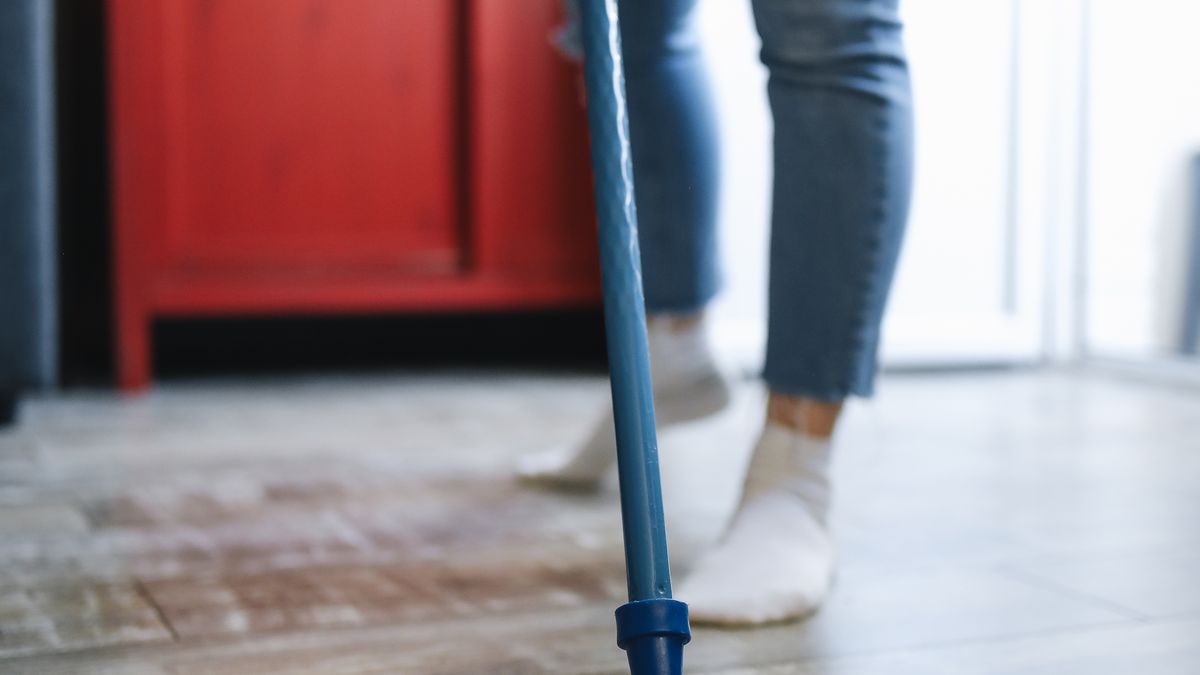
Housework has a hidden fitness resume. An hour of active cleaning — vacuuming, mopping, scrubbing, hauling laundry — typically burns somewhere between 150 and 250 calories depending on your size and effort. Gardening runs higher. Cooking beats ordering in, not just for the ingredients but because you’re on your feet the whole time.
The mental shift is treating these tasks as movement you get to bank rather than annoyances to rush through. Put music on, move a little faster than necessary, and the chore becomes the workout you weren’t going to do anyway.
Walking: the heavyweight of NEAT
If you only change one thing, make it walking. It’s low-impact, free, requires no recovery, and stacks onto a normal day without demanding a schedule slot. The CDC counts brisk walking toward the 150 weekly minutes of moderate activity most adults should aim for.
You don’t need 10,000 steps — that number came from a pedometer marketing campaign, not a lab. Research generally shows meaningful health benefits starting around 7,000 daily steps, and every extra thousand helps. If you’re at 3,000 now, aim for 5,000 and hold it for a couple of weeks before pushing higher. Consistency beats heroics.
How NEAT fits alongside real workouts
Think of it as a two-layer system. Workouts build the machine: muscle, cardiovascular fitness, strength, bone density. NEAT keeps the engine running hot all day. People who maintain weight loss long-term almost always have both — not because they’re grinding in the gym daily, but because movement is stitched into their routine in ways that don’t rely on motivation.
Stress management belongs in the picture too, since chronic stress nudges people toward both stillness and snacking — we’ve covered how stress and cortisol affect weight separately.
Frequently asked questions
Can I lose weight with NEAT alone, without exercising?
You can lose weight with a calorie deficit alone, and higher NEAT makes that deficit easier to create and sustain. That said, keeping some structured exercise — especially strength training — helps you hold onto muscle while losing fat, which matters for keeping the weight off.
How many extra calories can NEAT realistically burn?
For most people, deliberately increasing daily movement adds a few hundred calories of burn per day — commonly 200 to 400. It depends on your size, job, and how aggressively you build movement in. Small on any single day, substantial over a month.
Do fitness trackers measure NEAT accurately?
Step counts are reasonably reliable; calorie estimates are rough. Use a tracker to spot trends — am I moving more this week than last? — rather than treating its calorie number as truth.
The takeaway
Weight loss doesn’t only happen in workouts. It happens in stairwells, kitchens, phone calls, and errands — the thousands of small movements your body makes between workouts. Protect them, stack them, and let them compound. The gym builds fitness; your ordinary day, done a little less conveniently, quietly does the rest.
This article is for general informational purposes only and is not a substitute for professional medical advice. Talk with a healthcare provider before making significant changes to your diet or activity, especially if you have a medical condition.


 is the movement you do outside workouts. Learn why it matters for weight loss and easy ways to raise it daily.)