


By Marcus Reyes · Updated August 6, 2026 · Fact-checked
Ask any man who’s passed a kidney stone and he’ll describe it with unusual precision — the date, the hour, the exact hallway of the emergency room. Kidney stones in men are common, brutally memorable, and stubbornly likely to return: about one in ten men will have at least one, and roughly half of first-timers see another within ten years. The encouraging part is that prevention is mostly boring, cheap, and genuinely effective. Here’s what’s going on and what to do about it.
What a kidney stone actually is
Your kidneys filter waste minerals out of your blood and send them out in urine. When urine gets too concentrated, those minerals — most often calcium and oxalate — start crystallizing, the way sugar crystallizes in syrup. Given time, crystals grow into stones ranging from a grain of sand to a pebble. Small ones can pass unnoticed. Larger ones get stuck in the ureter, the narrow tube between kidney and bladder, and that’s when the famous pain begins.
Why men get more of them
Men form stones at roughly twice the rate of women, and the peak years run from the 30s through the 50s. Part of it is anatomy and hormones, but a lot of it is pattern: bigger portions of meat and salt, more time working or exercising in heat while under-drinking, and a tendency to treat thirst as something to deal with later. Family history stacks the odds further, as do obesity, diabetes, and gout — if gout is on your radar, our guide to gout in men covers a condition that shares much of the same territory.
What the symptoms feel like
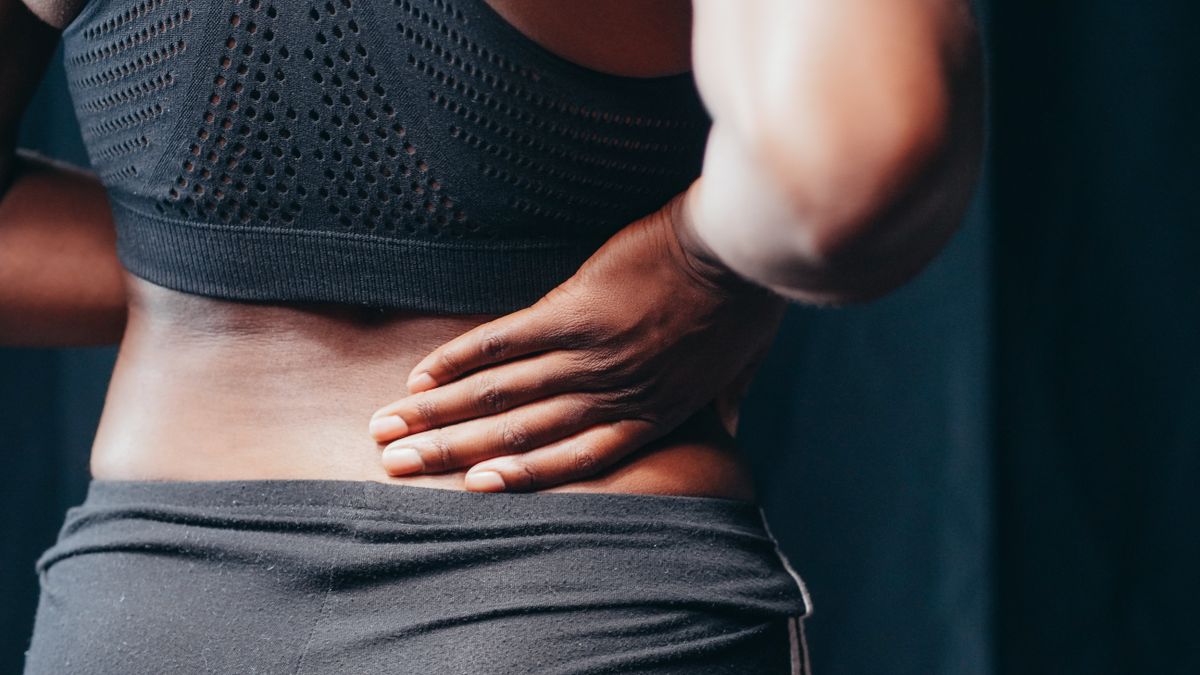
The signature is sudden, severe pain in the side or lower back that comes in waves and can radiate to the groin. Men often describe it as the worst pain of their lives. Other clues: blood-tinged or pink urine, nausea, pain with urination, or a constant urge to go. A stone sitting quietly in the kidney, on the other hand, may cause nothing at all and turn up on a scan done for something else.
Water is most of the battle
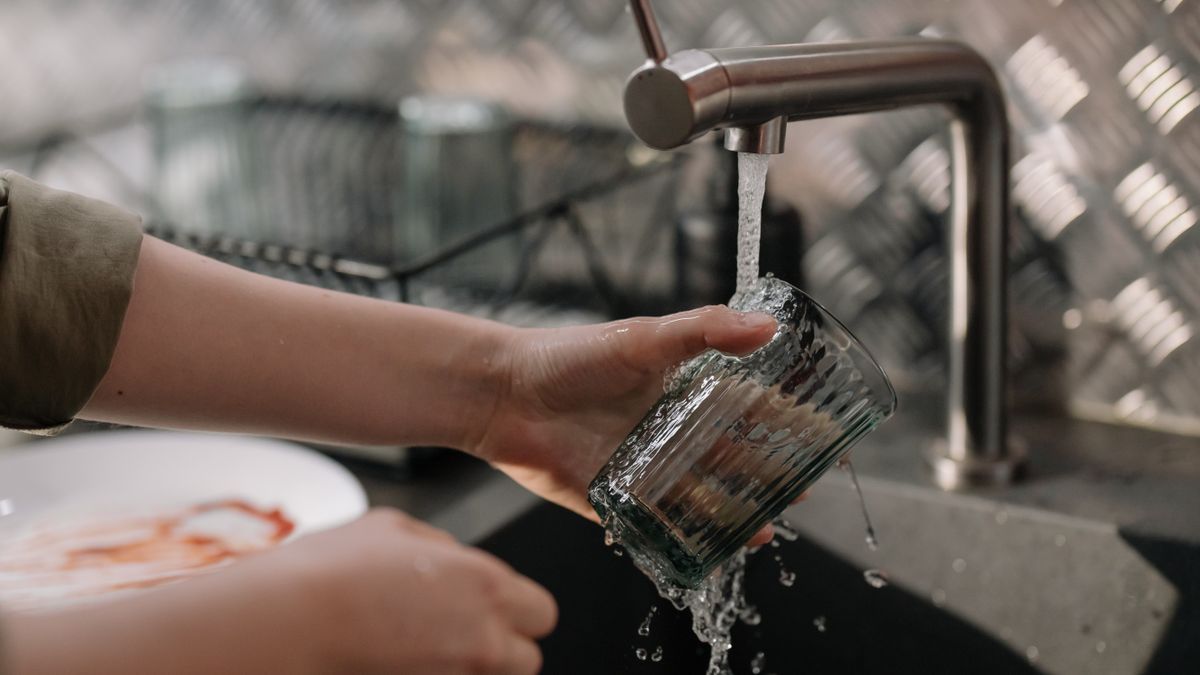
Dilute urine simply can’t grow crystals well. The standard target after a first stone is enough fluid to produce about 2.5 liters of urine a day, which for most men means drinking around 3 liters, more in hot weather or with heavy sweating. The color check is easier than counting: pale yellow is where you want to live. Coffee and tea count toward the total, and citrus is a bonus — the citrate in lemons and oranges actively blocks crystal formation, which is why urologists are surprisingly enthusiastic about lemonade.

Diet tweaks that actually matter
The surprises here trip people up. Cutting calcium is the classic mistake — dietary calcium binds oxalate in the gut and keeps it out of your urine, so normal calcium intake protects you. The real levers are salt (high sodium pushes calcium into urine), animal protein (large meat portions acidify urine and raise stone risk), and oxalate-heavy foods like spinach, rhubarb, almonds, and beets if you’re a calcium-oxalate stone former. Notice what’s not on the list: you don’t need an extreme diet, just a rebalanced one. Our piece on men’s nutrition lays out an eating pattern that happens to serve stone prevention too. The National Institute of Diabetes and Digestive and Kidney Diseases (NIDDK) publishes detailed guidance on kidney stones if you want to go deeper.
When to see a doctor — and when to go now
Severe pain that won’t settle, fever or chills with back pain, vomiting that prevents keeping fluids down, or urine that stops flowing — any of these mean the emergency department, today. Fever plus a blocked stone can turn into a serious infection quickly. For less dramatic symptoms, a regular appointment works: imaging will size and locate the stone, and stones under about 5 millimeters usually pass on their own with fluids and pain control, while larger ones have well-established procedures — shock waves, a thin scope, or laser — that don’t involve big incisions.
Stones tend to repeat — so find your type
If you’ve passed a stone, try to catch it in a strainer and have it analyzed. Knowing whether it was calcium oxalate, uric acid, or something rarer turns prevention from guesswork into a plan; uric acid stones, for instance, respond to different measures than calcium ones. A 24-hour urine collection can spot exactly what your chemistry is doing wrong. Men who follow a targeted plan cut their recurrence risk dramatically — this is one of the few areas of medicine where homework pays off that directly.
Frequently asked questions
How long does it take to pass a kidney stone?
Small stones often pass within one to three weeks; many under 4 mm pass within days once they reach the lower ureter. If a stone hasn’t passed in four to six weeks, or pain is unmanageable, your doctor will usually discuss removing it.
Does beer help pass kidney stones?
The kernel of truth is that any fluid increases urine flow. But alcohol dehydrates you afterward and raises uric acid, which can promote stones. Water and citrus drinks do the same job better without the downside.
Are kidney stones a sign of kidney disease?
Usually not — most stone formers have normally functioning kidneys. But repeated stones and blockages can damage kidneys over time, and stones sometimes signal a metabolic issue worth investigating, which is another reason to get a recurrence evaluated rather than just endured.
The takeaway
Kidney stones in men are common, painful, and — this is the part worth remembering — largely preventable. Drink enough that your urine stays pale, go easier on salt and oversized meat portions, keep calcium normal rather than cutting it, and get any stone you pass analyzed. The habits are unglamorous, but so is a night in the ER. Your future self will take the boring win.
This article is for general information only and is not medical advice. Talk to your doctor or a qualified health professional about your individual situation.