



By Priya Nair · Updated August 7, 2026 · Fact-checked
Vitamin D has a strange reputation. It’s technically a hormone, your skin manufactures it from sunlight, and yet somewhere between a quarter and half of people tested run low on it. If you spend most of your day indoors — and most of us do — there’s a fair chance you’re one of them.
This guide walks through what vitamin D actually does in your body, how to tell whether you’re getting enough, and the most reliable ways to top up: sun, food, and, when it makes sense, a supplement.
What vitamin D actually does
Most people file vitamin D under bones, and that’s fair. Without it, your gut absorbs only a fraction of the calcium you eat. Severe deficiency causes rickets in children and soft, fracture-prone bones in adults.
Bone health is just the headline, though. Vitamin D receptors sit in tissues all over the body — immune cells, muscle, the brain. Low levels have been linked to more frequent respiratory infections, muscle weakness, and low mood, especially through winter. Researchers still argue over how much of that is cause and how much is effect (people who feel unwell spend less time outdoors, after all), but the bone and immune roles are solidly established. Vitamin D works as part of a team, too — it pairs with calcium, magnesium, and vitamin K. Our guide to vitamins and minerals covers how the whole cast fits together.
Why so many people run low
Your skin makes vitamin D when UVB rays land on it. That single fact explains most deficiency: UVB doesn’t pass through glass, clothing blocks it, sunscreen dampens it, and for a good chunk of the year the sun sits too low in the sky for much UVB to reach you at all.
Some people start at higher risk than others. Living far from the equator, working indoors, having darker skin (melanin slows vitamin D production), being over 65 (older skin produces less), and carrying extra body fat (which holds vitamin D out of circulation) all stack the odds. Diet rarely rescues the situation on its own — unlike vitamin C, vitamin D occurs naturally in very few foods.
How much do you need?
The standard recommendation for adults is 600 IU (15 micrograms) a day, rising to 800 IU after age 70. Plenty of researchers consider those figures conservative, but they’re a sensible floor.
The only way to know your actual status is a blood test — 25-hydroxyvitamin D, if you want the name on the lab slip. Below 20 ng/mL is generally considered deficient, and 20 to 30 ng/mL is borderline. It’s usually a cheap add-on at routine bloodwork, and worth asking about at your next check-up if you’ve never had it measured.
Sunlight: the original source
For lighter skin, roughly 10 to 20 minutes of midday sun on bare arms and legs a few times a week produces a meaningful dose of vitamin D in the warmer months. Darker skin needs noticeably longer. Past a certain point production levels off — your skin self-regulates — so an hour of baking doesn’t bank extra for later.
The obvious catch: unprotected sun exposure raises skin cancer risk, and no dermatologist will cheer for tanning in the name of vitamin D. A reasonable middle path is brief, regular exposure kept well short of any hint of burning, with sunscreen for anything longer than that.
Foods that deliver vitamin D
The natural food list is short: fatty fish (salmon, sardines, mackerel, trout), egg yolks, and mushrooms that have been exposed to UV light. A palm-sized serving of salmon can cover most of a day’s requirement by itself; the rest contribute more modest amounts.
Fortified foods do a lot of quiet work here — most milk, many plant milks, and plenty of breakfast cereals carry added vitamin D, typically 100 to 150 IU per serving. If you already eat fish a couple of times a week, the same habit that supports your heart (see our piece on healthy fats vs unhealthy fats), you’re ahead of most people.

Should you take a supplement?
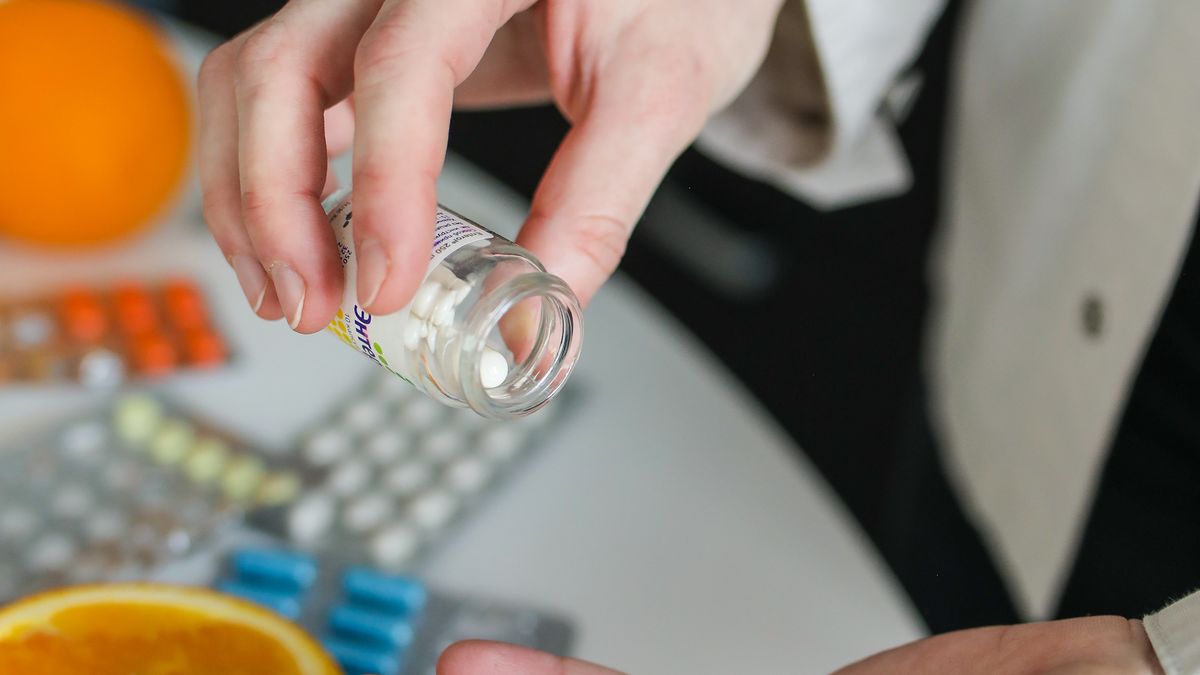
If your blood level is low, or your life keeps you out of the sun for months at a stretch, a supplement is the most dependable fix. Vitamin D3 (cholecalciferol) raises blood levels more effectively than D2, and typical maintenance doses run from 600 to 2,000 IU a day. Higher corrective doses exist, but that’s a conversation for your doctor, guided by a test result rather than a guess.
One practical detail: vitamin D is fat-soluble, so it absorbs better taken with a meal that contains some fat. Breakfast with eggs or lunch with olive oil both work; a glass of water on an empty stomach is the weakest option.
Can you get too much?
From sunlight, no — your skin caps its own production. From supplements, yes. The adult upper limit is 4,000 IU a day for routine use, and true toxicity, while rare, is unpleasant: nausea, kidney stones, dangerously high blood calcium. It almost always traces back to very high-dose supplements taken for long periods without testing.
The rule of thumb is boring but sound: more is not better, enough is better. The National Institutes of Health’s vitamin D fact sheet is a good reference if you want the full detail.
Frequently asked questions
Can I get enough vitamin D from sunlight in winter?
If you live much beyond 37 degrees latitude — roughly north of San Francisco or Seoul — winter sun is too weak for meaningful vitamin D production, no matter how long you stand in it. Your body draws on stores built in summer, then food and supplements carry the rest.
What are the signs of low vitamin D?
Often there are none, which is what makes it easy to miss. When symptoms do show up, they’re vague: fatigue, aching muscles or bones, frequent colds, low mood. A blood test is the only reliable answer.
Do I need to take vitamin D with food?
It absorbs best with a meal containing fat. Timing doesn’t matter much beyond that — morning or evening, daily or a larger weekly dose, consistency is what counts.
The takeaway
Vitamin D sits at an awkward intersection: hard to get from food, easy to get from sun but with strings attached, and invisible when it’s missing. Sensible sun habits plus fish and fortified foods cover many people. If you suspect you’re falling short, a simple blood test settles the question, and a modest daily D3 supplement is a safe, cheap fix for most adults who need one.
This article is for general informational purposes only and is not medical advice. Talk to your doctor or a qualified health professional before making changes to your diet, supplements, or sun exposure, especially if you have a health condition or take medication.