



By Daniel Cole · Updated August 8, 2026 · Fact-checked
Walk into any gym and you’ll see someone grimacing on a cylinder of foam, rolling back and forth like they’re trying to iron out a stubborn wrinkle. Foam rolling has gone from physical-therapy curiosity to standard equipment in two decades. But what is it actually doing — and are you doing it right?
I’ll say this up front: foam rolling is useful, cheap, and low-risk. It’s also surrounded by claims it can’t quite back up. Here’s an honest look at what the research supports, plus a simple routine you can start tonight.
What foam rolling actually does
The popular explanation — that you’re “breaking up” knots or scar tissue in your fascia — doesn’t hold up well. The pressure a roller applies isn’t remotely enough to physically remodel connective tissue. What rolling does appear to do is neurological: sustained pressure calms the nervous system’s grip on a tight muscle, reduces the sensation of stiffness, and temporarily increases your tolerance for stretch.
In practice, that distinction matters less than it sounds. The muscle feels looser, moves further, and hurts less. The mechanism is just more “volume knob on your nerves” than “meat tenderizer.”
What the research supports
Reviews of the evidence point to three fairly consistent benefits. Rolling before exercise produces a short-term bump in range of motion without the strength loss that long static stretching can cause. Rolling after hard sessions modestly reduces the intensity of delayed-onset muscle soreness. And regular rolling seems to improve how quickly you feel recovered between sessions, even if objective performance changes are small.
What rolling won’t do: change your muscle length permanently, “release toxins,” or substitute for actual strength and mobility work. Think of it as a useful supporting act, not the headliner.
Before or after your workout?
Both work — they just do different jobs. A minute or two per muscle group before training pairs nicely with a dynamic warm-up, especially for areas that feel rusty. Afterward, slower and gentler rolling can take the edge off soreness. If you only have five minutes, roll after your session and spend your pre-workout time on the movement prep we covered in our guide to warming up and cooling down.
How to roll the main muscle groups
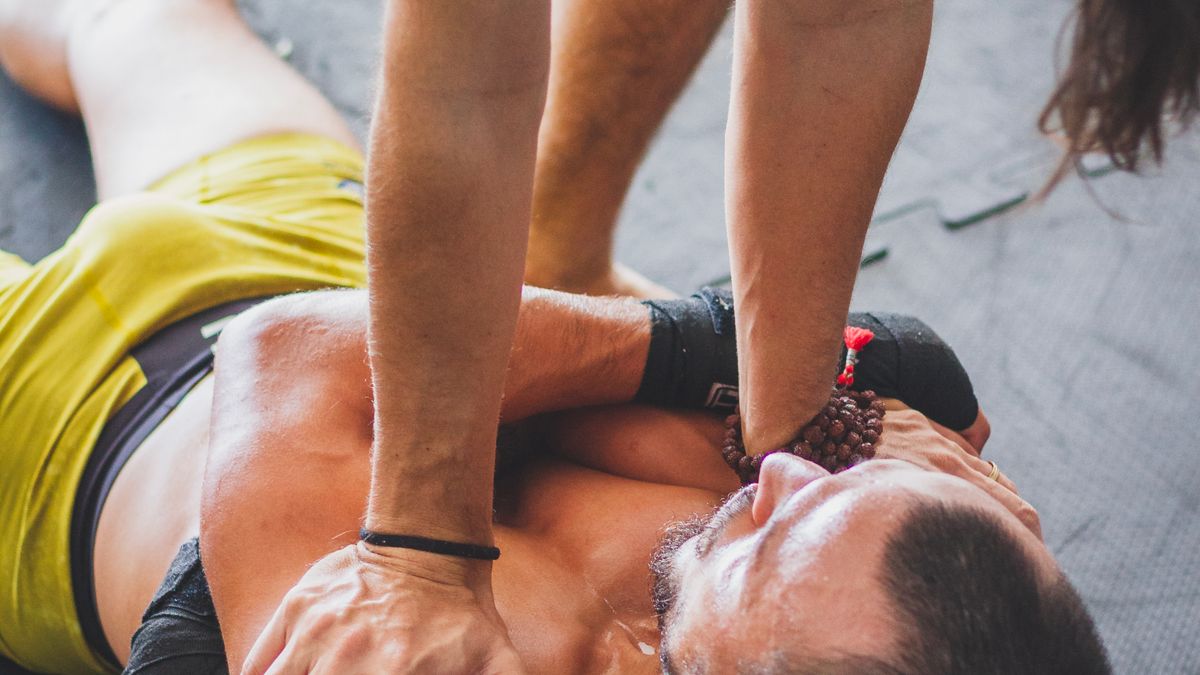
The technique is the same everywhere: place the muscle on the roller, support your weight with your hands or free leg, and make slow passes — about an inch per second. When you find a tender spot, pause on it for 20 to 30 seconds and breathe. Don’t hold your breath and don’t rush.
- Calves: sit with one leg on the roller, cross the other over it for pressure, roll ankle to knee.
- Quads: face down, roller under the front of your thighs, roll hip to just above the knee.
- Hamstrings: seated, roller under the back of the thigh, roll sit bone to knee.
- Glutes: sit on the roller, lean toward one side, cross that ankle over the opposite knee.
- Upper back: lie back with the roller under your shoulder blades, hands behind your head, roll mid-back to shoulders.
- Lats: lie on your side with the roller under your armpit, roll a few inches up and down.
Total time: eight to ten minutes for the whole body. More isn’t better — after about 60 seconds per muscle, the returns flatten out.
Mistakes that make rolling hurt more than it helps
The biggest one is chasing pain. Rolling should feel like a firm massage — around a six out of ten at most. Grinding on a spot until your eyes water just makes the muscle guard harder. Other common errors: rolling directly on your lower back (the spine doesn’t appreciate unsupported pressure — work the glutes and upper back instead), rolling the IT band itself rather than the quad and glute muscles around it, and scrubbing back and forth so fast the tissue never gets a chance to respond.
Choosing a roller
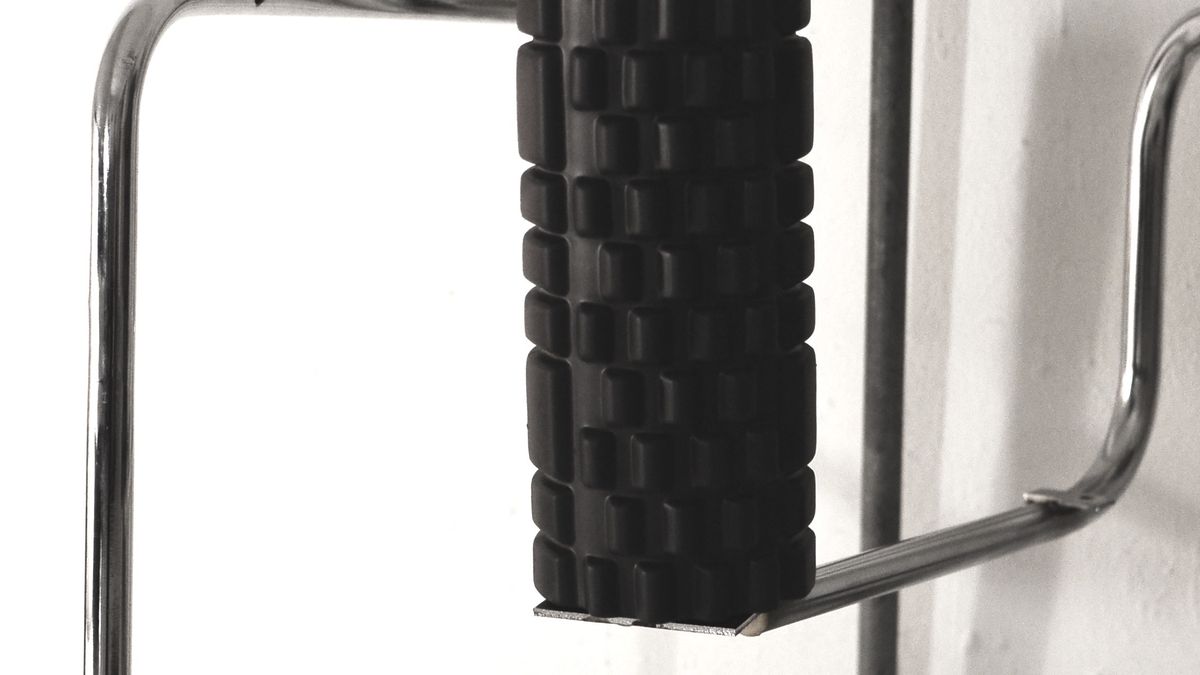
Smooth and medium-density is the right call for most people — firm enough to do the job, forgiving enough that you’ll actually use it. Textured rollers with ridges and knobs feel intense but don’t outperform smooth ones in studies. Vibrating rollers show some promise for range of motion, though they cost several times more. Start basic; upgrade only if you find yourself wanting more.
Who should skip it
Skip rolling over areas with an acute injury, deep bruising, or recent surgery, and avoid it entirely if you have a clotting disorder or take blood thinners, unless your doctor okays it. Numbness, tingling, or sharp pain are stop signs, not challenges. And if a muscle stays stubbornly tight for weeks no matter how much you roll, the issue is usually weakness or a movement habit — strength work like the routines in our functional fitness guide will do more than any roller can.
Frequently asked questions
How often should I foam roll?
Daily is fine, but three to four sessions a week around your workouts captures most of the benefit. Consistency beats marathon sessions.
Is it normal for foam rolling to hurt?
Mild discomfort on tight spots is normal. Sharp, radiating, or bone-deep pain is not — ease off the pressure or skip that area and see a professional if it persists.
Can foam rolling replace stretching?
Not quite — they complement each other. Rolling temporarily reduces stiffness, which can make your stretching and mobility work more productive right after.
The takeaway
Foam rolling won’t transform your body, but it reliably makes tight muscles feel better, buys you some range of motion, and softens post-workout soreness — all for the price of a cylinder of foam and ten minutes. Roll slowly, breathe, stay off the spine, and stop chasing pain. That’s really all there is to it.
This article is for general information only and is not medical advice. If you have an injury or a health condition, check with a qualified professional before starting a new recovery routine.