

Protein gets a lot of attention in fitness circles, but it matters for everyone — not just gym-goers. It builds and repairs muscle, supports your immune system, makes enzymes and hormones, and keeps you feeling full. Yet many people are unsure how much they actually need or where to get it without overcomplicating their diet.
This is a practical guide to protein: how much, what kind, and how to fit it into real meals.
What Protein Actually Does
Protein is made of amino acids, the building blocks your body uses to maintain muscle, skin, hair, and organs, and to run countless processes. Unlike fat, the body does not store protein in a dedicated reserve, which is why a steady daily intake matters. Get too little over time and the body starts breaking down muscle to cover its needs.
How Much Protein Do You Need?
The basic government guideline to prevent deficiency is around 0.8 grams of protein per kilogram of body weight per day — but that is a minimum to avoid deficiency, not an optimum for health, aging, or activity. Most current evidence suggests that many people do better toward 1.2 to 2.0 grams per kilogram, with the higher end relevant for those who:
- exercise regularly, especially strength training;
- are trying to lose fat while keeping muscle;
- are older adults, who need more protein to fight age-related muscle loss.
A simple practical target many people use is roughly 1.6 grams per kilogram if active. If numbers feel fussy, aiming for a palm-sized portion of protein at each meal is a reasonable rule of thumb.
Quality And “complete” Proteins
Animal proteins — meat, fish, eggs, dairy — are “complete,” containing all the essential amino acids in good proportions. Many plant proteins are lower in one or more amino acids, but this is easily solved by eating a variety of plant foods across the day. You do not need to combine specific foods at the same meal; overall variety does the job.
Best Protein Sources
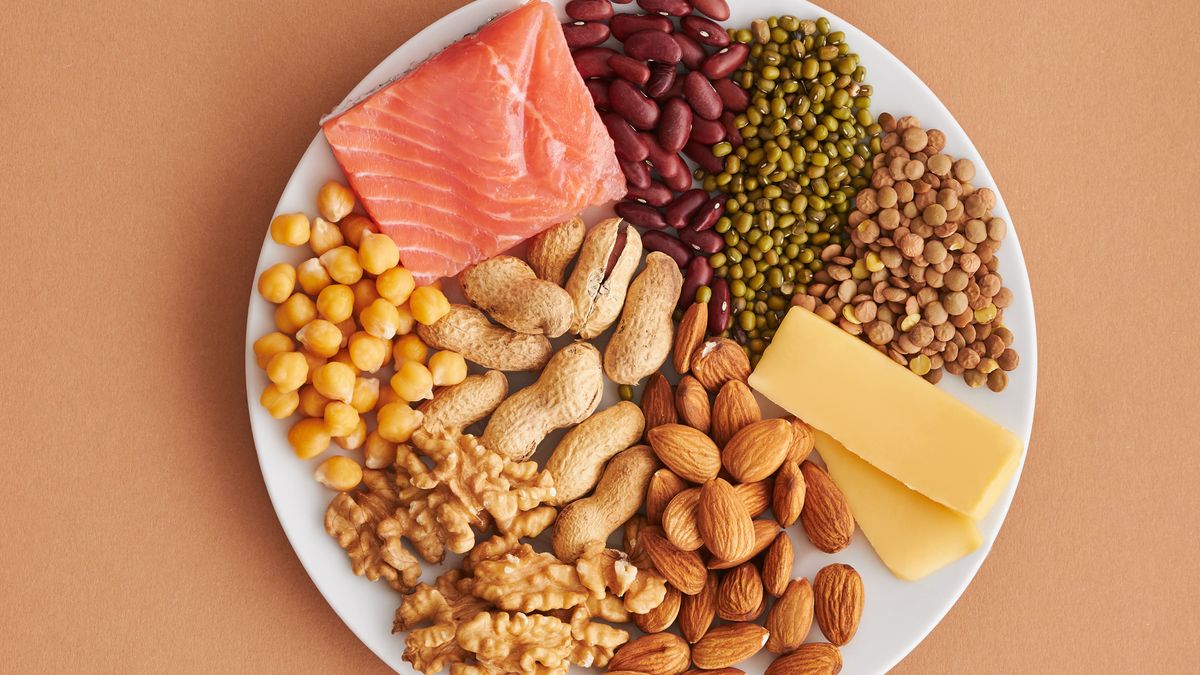
- Animal: chicken, turkey, lean beef, fish and seafood, eggs, Greek yogurt, cottage cheese, milk.
- Plant: lentils, beans, chickpeas, tofu and tempeh, edamame, peas, nuts and seeds, whole grains.
- Convenient: protein powders (whey or plant-based) can help fill gaps but are not required if your meals are solid.
How To Actually Hit Your Target
The most common mistake is back-loading protein — eating very little at breakfast and lunch, then a large amount at dinner. Spreading protein across meals helps your body use it more effectively. Practical moves include adding eggs or yogurt at breakfast, building lunches around a protein source, and keeping easy options like canned fish, beans, or pre-cooked chicken on hand.
Can You Eat Too Much Protein?
For healthy people, higher-protein diets are generally safe and well tolerated. Concerns about protein “harming healthy kidneys” are not supported for people without existing kidney disease. That said, more is not infinitely better — beyond a certain point, extra protein offers little added benefit and simply displaces other nutritious foods. People with kidney disease or other medical conditions should follow personalized medical advice.
Frequently Asked Questions
Do I need protein right after a workout? The “anabolic window” is wider than once thought. Hitting your total daily protein matters far more than precise timing.
Is plant protein as good as animal protein? It can be, as long as you eat a variety of plant sources and enough total protein. Plant-forward diets just require a bit more attention to variety and quantity.
Are protein shakes necessary? No. They are a convenience, useful for busy days or higher targets, but whole foods can cover your needs.
The Takeaway
Protein is a foundational nutrient, not just a gym supplement. Aim higher than the bare-minimum guideline if you are active or older, choose a mix of quality sources, and spread it across your meals rather than cramming it into one. Get those basics right and protein quietly supports nearly everything else in your health.
Related: For a look at a popular wellness gummy brand, see our Goli review.