


By Hannah Brooks · Updated August 4, 2026 · Fact-checked
Somewhere around 3 a.m., millions of wrists are quietly collecting data. Sleep trackers have gone from novelty to default — they’re built into nearly every smartwatch, ring, and fitness band sold today. And every morning, they hand us a verdict: a score, a graph, a judgment on how we spent the night.
The question almost nobody stops to ask: is any of it accurate? The honest answer is more interesting than a simple yes or no — and knowing where the line sits will change how you use the numbers.
How sleep trackers actually work
Consumer trackers don’t measure sleep directly. Real sleep measurement — the kind done in a lab — reads your brain waves, eye movements, and muscle tone through polysomnography. Your watch can’t see any of that.
Instead, it infers. Using an accelerometer for movement, an optical sensor for heart rate and its variability, and sometimes skin temperature or blood oxygen, the device runs your night through an algorithm and produces its best guess about when you were asleep and in which stage. It’s clever estimation, not observation. That distinction explains almost everything about what follows.
What they measure surprisingly well
Credit where due: modern trackers are quite good at the basics. Total sleep time, roughly when you fell asleep, when you woke, and major interruptions — for most people, the better devices get within 20 to 30 minutes of lab measurements on these. That’s genuinely useful.
They’re even better at trends. One night’s number is noisy; three weeks of numbers tell a story. If your average sleep time drifts from 7 hours to 6 over a month, or your resting heart rate climbs during a stressful stretch, the tracker will catch it — and that pattern matters more than any single night ever could.
Where the data gets shaky: sleep stages
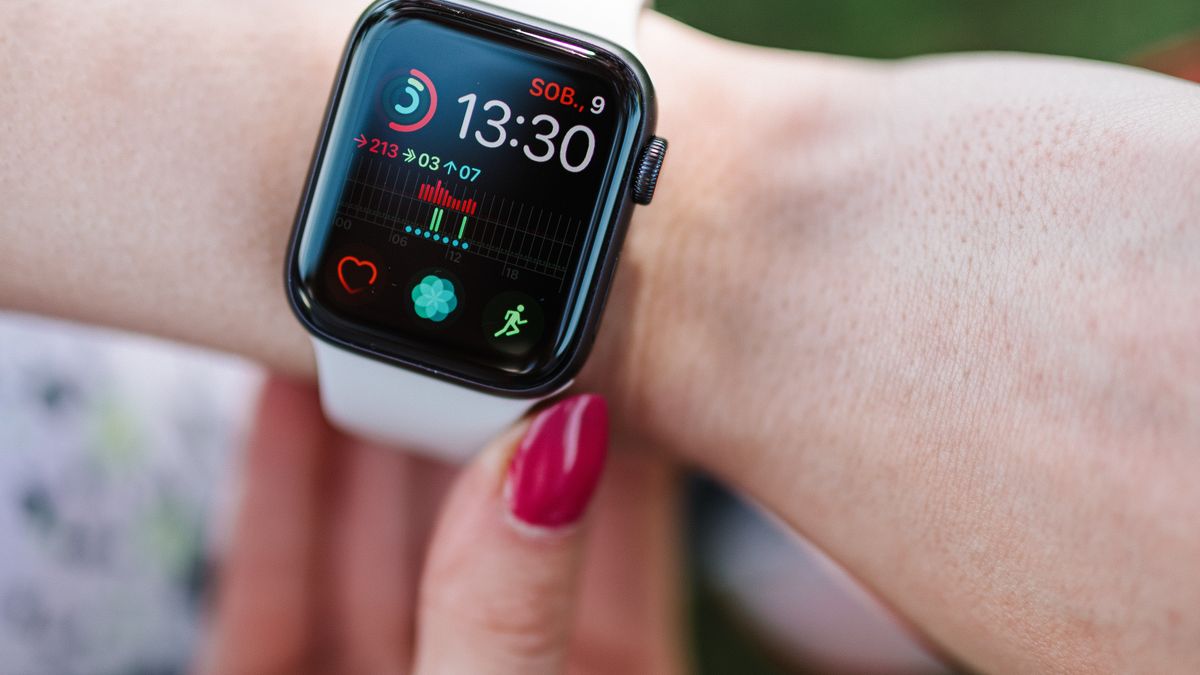
Here’s where marketing outruns science. Those neat charts showing your deep sleep and REM in tidy blocks? Validation studies consistently find consumer wearables identify sleep stages correctly only about 50 to 70 percent of the time. They routinely mistake quiet wakefulness for sleep and mislabel light sleep as deep.
So if your device says you got 42 minutes of deep sleep instead of the 90 it says you need, don’t panic — the number may simply be wrong. Stage data is best treated as decoration, not diagnosis. If you want to understand what those stages actually do, our guide to sleep cycles and stages covers the real biology.
The sleep score problem
Every brand compresses your night into a single number, and every brand computes it differently — the formulas are proprietary, unvalidated against outcomes, and not comparable across devices. An 82 on one platform might be a 74 on another for the identical night.
Scores also have a psychological cost. Researchers have documented people who feel fine after a night’s sleep, check their phone, see a low score, and promptly feel tired. The label came first; the fatigue followed. That’s the tail wagging the dog.
Orthosomnia: when tracking backfires
Sleep clinicians coined a term for a pattern they now see regularly: orthosomnia — an anxious perfectionism about sleep data that itself disrupts sleep. Patients lie awake worrying about ruining their score, which raises arousal, which worsens sleep, which lowers the score. The tracker becomes the insomnia.
If you recognize yourself here — checking the app first thing with a knot in your stomach, feeling graded rather than informed — the fix is simple and surprisingly hard: take the device off for two weeks. Many people sleep noticeably better without the audience.
How to use a tracker wisely
- Watch weekly averages, not nightly numbers.
- Trust total sleep time and consistency; ignore stage percentages.
- Use it to test changes — earlier caffeine cutoff, cooler room, consistent bedtime — and see what shifts your average over a couple of weeks.
- Let how you feel by mid-morning outvote the score. Alert and clear-headed beats any number.
- If short sleep keeps showing up, address the debt itself — here’s what actually works for catching up on lost sleep.
When to skip the gadget and see a doctor
No wearable can diagnose a sleep disorder. Loud snoring with gasping or breathing pauses, crushing daytime sleepiness despite adequate hours, restless legs that delay sleep, or months of trouble falling and staying asleep — these deserve a clinician, not another app. Some watches now flag possible breathing disturbances, and that’s worth mentioning at an appointment, but confirmation requires a proper sleep study. The National Heart, Lung, and Blood Institute maintains plain-language guidance on sleep disorders and when testing makes sense.
Frequently asked questions
Are sleep trackers accurate?
For total sleep time and wake time, reasonably — usually within about half an hour of lab measures. For sleep stages, no: expect 50 to 70 percent agreement at best. Trust the trends, hold the stages loosely.
Which type is best — watch, ring, or mattress sensor?
Comfort wins. The best tracker is the one you’ll wear consistently and forget about. Rings tend to be less intrusive at night; mattress sensors require no wearing at all. Accuracy differences between major brands are smaller than their marketing suggests.
Should I stop using mine altogether?
If it nudges you toward earlier, more consistent nights, keep it. If it makes you anxious or you feel worse after seeing a bad score, take a break — your body’s own signals are the data that matter most.
The takeaway
A sleep tracker is a decent odometer and a poor microscope. Let it tell you roughly how much you’re sleeping and whether your habits are trending the right way — and let it stop there. The details it claims to see, it mostly guesses. Protect a consistent schedule, a dark cool room, and a wind-down routine, and you’ll improve every number that matters, on the wrist and off it.
This article is for general informational purposes only and is not a substitute for professional medical advice. If you have ongoing sleep problems, talk with a qualified health provider.