


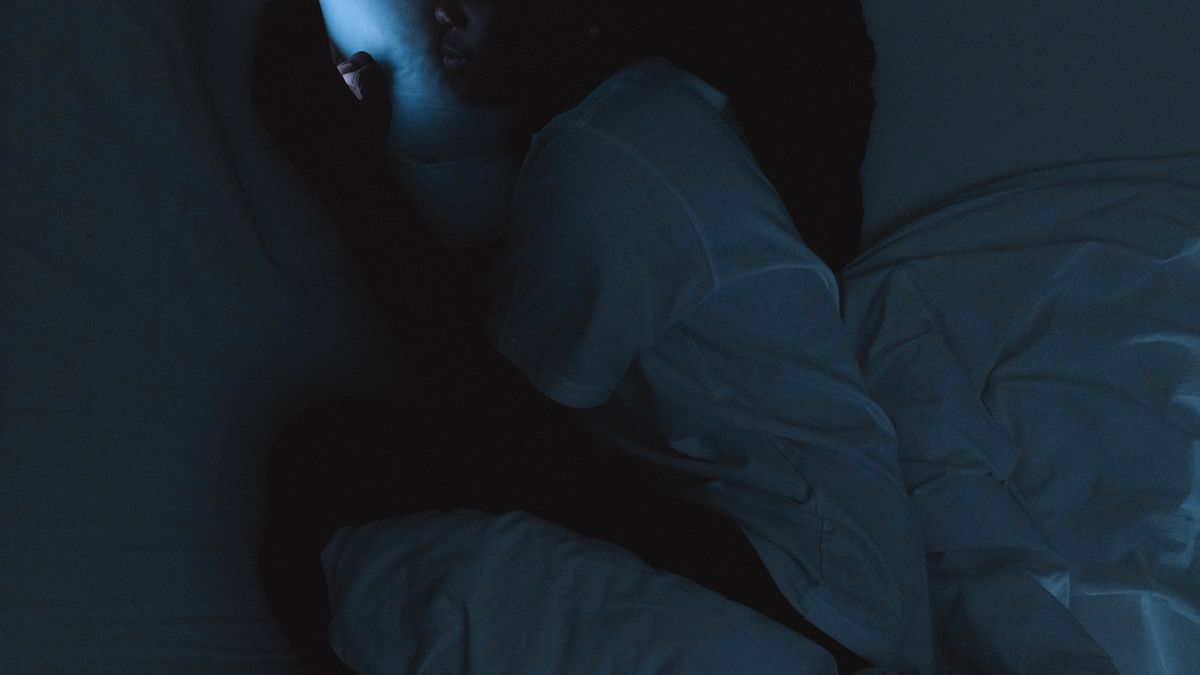
For many of us, the last thing we touch at night and the first thing we reach for in the morning is a glowing screen. Scrolling in bed feels relaxing, but it may be quietly working against the deep, restorative sleep your body needs. The connection between late-night screen time and poor sleep is well established, and the good news is that it is one of the easier sleep problems to fix. Here is how screens affect your rest and what you can do about it without giving up your devices entirely.
How Light Signals Your Brain To Stay Awake
Your body runs on an internal clock called the circadian rhythm, which uses light as its main cue. In the evening, as natural light fades, your brain begins releasing melatonin, the hormone that makes you feel sleepy. Bright light, especially the blue-enriched light from phones, tablets, and laptops, can suppress melatonin and trick your brain into thinking it is still daytime. The result is that you feel wired when you should be winding down.
It Is Not Only The Light
Blue light gets most of the attention, but the content on your screen matters just as much. Checking work email, reading upsetting news, or getting pulled into an engaging show or game keeps your mind alert and emotionally activated. Social media in particular is designed to hold your attention, so “just five more minutes” easily becomes an hour. This mental stimulation can be as disruptive to sleep as the light itself.
How This Shows Up In Your Sleep
Regular late-night screen use is associated with several problems: taking longer to fall asleep, getting less total sleep, and feeling less rested in the morning. Because scrolling delays your bedtime, it often quietly shrinks the window you have for sleep, leaving you short even if the quality were fine. Over time, this can turn into a frustrating cycle of tiredness and dependence on devices to wind down.
Building A Screen Buffer Before Bed
One of the most effective changes is to create a buffer zone between screens and sleep. Aim to put devices away thirty to sixty minutes before you plan to sleep. This gives your brain time to produce melatonin and shift out of alert mode. If a full hour feels impossible, start with fifteen minutes and extend it as the habit takes hold. Consistency matters more than perfection.
Make Your Devices Less Disruptive
If some evening screen use is unavoidable, a few adjustments soften the impact:
- Turn on night mode or a warm-color filter to reduce blue light
- Lower your screen brightness in the evening
- Silence non-essential notifications after a set hour
- Avoid work email and stressful content late at night
- Keep the phone out of arm’s reach so checking it takes effort
These tweaks do not replace a real wind-down, but they reduce how much your devices work against you.
Replace The Scroll With A Wind-down Routine
The habit of scrolling in bed often fills a genuine need to relax and transition into sleep. Rather than simply removing it, replace it with something calming: reading a physical book or e-reader with warm lighting, gentle stretching, a warm shower, journaling, or a short breathing exercise. A predictable routine signals to your body that sleep is coming, and it becomes easier over time as your brain learns the pattern.
Keep The Bedroom A Screen-light Zone
Where you charge your phone has a surprising effect on how you use it. Charging your device across the room, or ideally outside the bedroom, removes the temptation to scroll in bed and check it the moment you wake. Many people use their phone as an alarm, but a simple standalone alarm clock can free the bedroom from screens entirely. Protecting the bedroom as a space for rest strengthens the mental link between being in bed and sleeping.
Frequently Asked Questions
Do blue-light glasses fix the problem? They may reduce some light exposure, but they do nothing about the mental stimulation of engaging content or the way scrolling delays your bedtime. They are a small aid, not a complete solution.
Is watching TV before bed as bad as using a phone? A TV is usually farther from your eyes and less interactive, so it can be somewhat less disruptive, but stimulating or stressful content still keeps your mind alert. A calm wind-down is better than any screen.
How long before bed should I stop using screens? Aim for thirty to sixty minutes screen-free before sleep. If that feels like a lot, start smaller and build up gradually.
The Takeaway
Late-night screen time undermines sleep in two ways: the light suppresses melatonin, and the content keeps your mind switched on. You do not have to abandon your devices, but building a screen-free buffer before bed, dimming and warming your displays, and swapping the bedtime scroll for a calming routine can meaningfully improve how quickly you fall asleep and how rested you feel. Start tonight by charging your phone a little farther from your pillow.
Related: If you want a nighttime routine add-on, our Beam review looks at its Dream sleep powder and how it aims to support rest.