



By Marcus Reyes · Updated August 4, 2026 · Fact-checked
Every August, the same thing happens: runs that felt easy in May suddenly feel like slogs, and the gym parking lot empties out while the sidewalks shimmer. Exercising in the heat isn’t just less comfortable — it’s a real physiological challenge, and treating it like any other workout is how people get into trouble.
The good news? Your body is remarkably adaptable. With a few adjustments to timing, pace, and hydration, you can train outdoors all summer without flirting with heat exhaustion. Here’s what actually matters.
Why heat makes every workout feel harder
When you exercise, your muscles generate heat — a lot of it. Normally your body dumps that heat by sending blood to the skin and sweating. On a hot, humid day, both systems are fighting uphill. The air is already warm, so radiating heat away works poorly, and humid air slows the evaporation of sweat, which is where most of the cooling actually happens.
The result: your heart works harder to pump blood to both your muscles and your skin at the same time. That’s why your heart rate runs 10 to 20 beats higher at the same pace you cruised at in spring. You’re not out of shape. You’re air-conditioning your own body while trying to train.
Know the warning signs of heat illness
Heat illness sits on a spectrum, and it can slide from mild to serious faster than most people expect. According to the CDC, the signs worth memorizing are:
- Heat cramps: painful muscle spasms, usually in the legs or abdomen, often the first hint you’re behind on fluids and electrolytes.
- Heat exhaustion: heavy sweating, dizziness, nausea, headache, weakness, cool and clammy skin. Stop, get to shade, sip fluids, and cool down.
- Heat stroke: confusion, slurred speech, hot skin (sweating may stop), a body temperature of 103°F or higher. This is a medical emergency — call for help immediately.
One rule beats all the others: if you feel confused, chilled, or strangely irritable during a hot workout, stop. Those brain-related symptoms are the ones that precede real trouble.
Time your workouts around the sun
The simplest fix costs nothing: move your workout. Early morning is usually the coolest window of the day, often 15 to 20 degrees cooler than mid-afternoon. Evening works too, though pavement and buildings keep radiating stored heat well after sunset.
Check the heat index, not just the temperature — humidity changes everything. A 88°F day at 70 percent humidity is more dangerous than a dry 95°F day. Many weather apps now show a “feels like” number; treat anything above 90°F as a cue to shorten the session, slow down, or head indoors.
Hydration: start before you’re thirsty
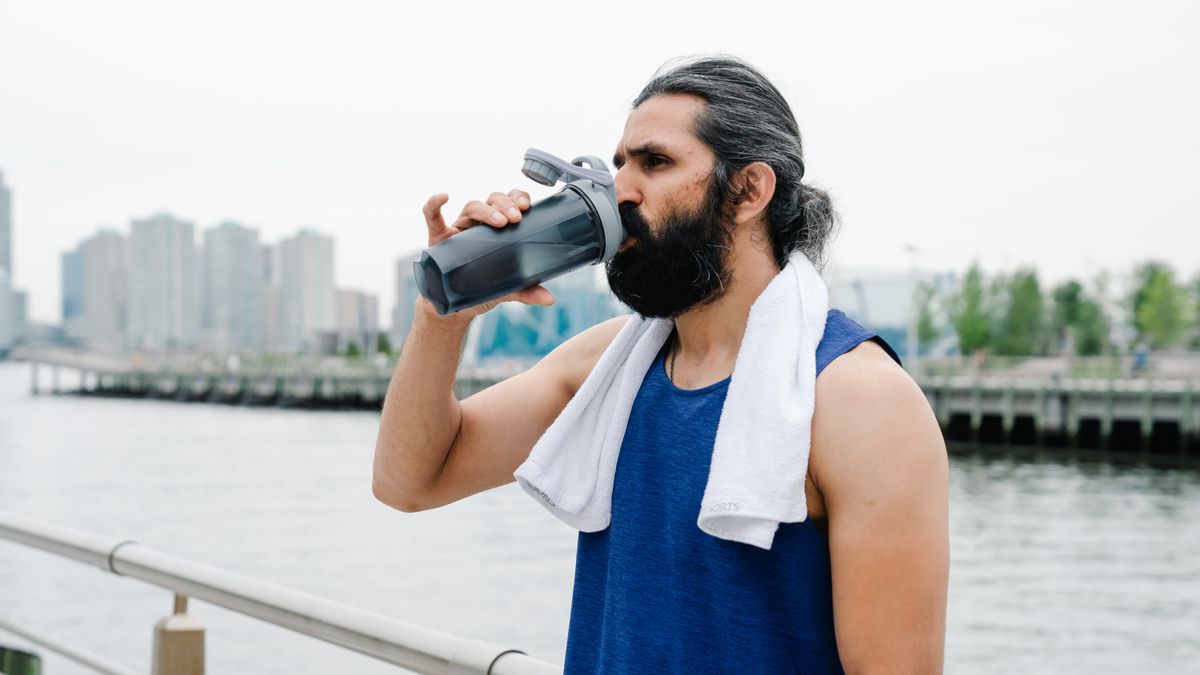
Thirst is a lagging indicator. By the time you feel it, you’re already mildly dehydrated. A practical routine for hot days: drink about 16 ounces of water in the two hours before you head out, then sip regularly — roughly 4 to 8 ounces every 15 to 20 minutes during exercise, adjusted for your sweat rate and body size.
For sessions under an hour, water does the job. Go longer, or sweat heavily, and electrolytes start to matter — sodium in particular. A sports drink, electrolyte tablet, or even salty food afterward helps you hold onto the fluid you drink instead of just passing it through. And a quick self-check: if your urine is dark yellow after a workout, you finished behind on fluids.
Give your body two weeks to adapt
Here’s the part almost nobody does deliberately: heat acclimatization. With repeated, gradual exposure — about 10 to 14 days of shorter, easier sessions in the heat — your body genuinely changes. You start sweating sooner and more efficiently, your blood plasma volume expands, and your heart rate at a given pace drops back down.
So when a heat wave rolls in, don’t attempt your normal Tuesday intervals on day one. Cut intensity by a third, keep the first few sessions under 30 or 40 minutes, and build back up. Athletes who train through summers this way often arrive in fall noticeably fitter — the adaptation carries over to cool weather, too.
Dress and plan smarter
Small logistics add up on hot days:
- Wear light-colored, loose, moisture-wicking fabric. Cotton soaks and clings; technical fabric lets sweat evaporate.
- Pick shaded routes — parks and tree-lined streets over open asphalt.
- Use sunscreen. Sunburn impairs your skin’s ability to shed heat.
- Pre-cool if you can: a cold shower or an icy drink before a hot session lowers your starting temperature.
- Tell someone your route if you’re heading out alone in extreme conditions.
Know when to take it indoors
There’s no medal for suffering. When the heat index pushes past the mid-90s, when air quality is poor, or when you’re sick, sleep-deprived, or taking medications that affect heat tolerance (some blood pressure drugs and antihistamines do), moving the workout inside is the smart call — not the soft one.
Indoor days are a good time for strength work or intervals you’d struggle to do safely outside. If you’re new to structured indoor training, our guide to HIIT for beginners is a solid place to start, and a proper warm-up and cool-down matters just as much in the gym as it does in the sun.
Frequently asked questions
Is it safe to exercise in 90-degree weather?
For most healthy adults, yes — with reduced intensity, shade, steady fluids, and a plan to stop if warning signs appear. Check the heat index rather than the raw temperature, and be far more conservative if you’re unacclimatized, older, pregnant, or managing a heart condition.
Do I burn more calories exercising in the heat?
Slightly, because your heart and sweat response work harder. But the difference is small, and most of the extra weight you “lose” on a hot day is water that returns as soon as you rehydrate. Heat is not a useful fat-loss tool.
What should I drink after sweating heavily?
Water plus sodium. That can be a sports drink, an electrolyte mix, or plain water alongside a salty snack. If a long session left you lightheaded, keep sipping over the next few hours rather than chugging all at once.
The takeaway
Heat doesn’t have to end your outdoor training — it just changes the rules. Go earlier, go slower, drink before you’re thirsty, and give your body a couple of weeks to adapt. Respect the warning signs, especially anything that affects your thinking, and be willing to trade a hard session for a safe one. The fitness you build by training consistently through summer beats any single heroic workout in the sun.
This article is for general informational purposes only and is not a substitute for professional medical advice. Always consult a qualified health provider with questions about your health or before starting a new exercise program.