


Monday, July 13, 2026
Home Blog Page 13

Sexual Health and Aging: What to Expect

Elderly couple lovingly embracing outdoors, showcasing happiness and togetherness.

Sexual health doesn’t end at a certain age — it remains a meaningful part of life and wellbeing for many people well into later years. While bodies change with age, intimacy, connection, and satisfaction can continue and even deepen. Understanding what to expect helps you adapt with confidence rather than worry. Here’s an honest, reassuring look at sexual health and ageing.

It’s a common myth that sexuality fades away with age. In reality, many older adults continue to value and enjoy intimacy. What tends to change is not whether intimacy matters, but how it’s experienced — and adapting to those changes is a normal, manageable part of growing older.

What changes with age

Ageing brings natural physical changes that can affect sexual health for both men and women:

  • Hormonal changes — including menopause in women and gradual changes in men
  • Slower physical responses and changes in arousal or sensation
  • Health conditions and medications that become more common with age
  • Changes in energy, mobility, or confidence

These changes are normal. They don’t mean the end of intimacy — often they simply call for some adaptation, patience, and communication.

Key point: Ageing changes how intimacy works, not whether it’s possible or worthwhile. Many people find that connection and satisfaction continue throughout later life.

Adapting with confidence

A few approaches help you navigate these changes positively:

  • Communicate openly with your partner about needs and changes
  • Focus on connection and intimacy in all its forms, not just one definition
  • Be patient and flexible — allow more time and adjust expectations
  • Look after your general health — fitness, sleep, and managing conditions all help
  • Seek help for specific issues rather than assuming nothing can be done

The role of overall health

Sexual wellbeing in later life is closely tied to general health. Staying physically active, managing chronic conditions, maintaining a healthy weight, and looking after your mental and emotional wellbeing all support intimacy. In this sense, caring for your sexual health and caring for your overall health go hand in hand.

Intimacy is broader than you think

Physical closeness, affection, emotional connection, and shared tenderness are all part of intimacy. Focusing on connection in its fullest sense — not a narrow definition — often makes later-life relationships richer and more satisfying.

Don’t hesitate to seek help

Many age-related sexual health concerns can be helped, yet people often assume they must simply accept them. Whether it’s changes related to menopause, erectile difficulties, discomfort, or the effects of a health condition or medication, a doctor can offer practical options. Raising these topics is routine for healthcare professionals, and getting support can meaningfully improve quality of life.

Emotional wellbeing and relationships

Later life often brings changes beyond the physical — retirement, health events, or shifts in a relationship. These can affect intimacy too. Nurturing emotional closeness, communicating openly, and supporting each other through life’s changes keeps relationships strong, and intimacy is part of that ongoing connection.

Frequently asked questions

Does sexual health end with age?

No. Many people continue to value and enjoy intimacy in later life. What changes is how it’s experienced, not whether it matters or is possible.

What changes should I expect with age?

Natural changes include hormonal shifts, slower physical responses, and the effects of health conditions or medications. These are normal and often manageable.

Can age-related sexual concerns be treated?

Often, yes. Many concerns — from menopause-related changes to erectile difficulties — can be helped, so it’s worth discussing them with a doctor rather than just accepting them.

How can couples keep intimacy alive as they age?

Open communication, patience, flexibility, focusing on connection in all its forms, and looking after general health all help intimacy continue and even deepen.

Is it worth seeing a doctor about these changes?

Yes. Doctors address these topics routinely, and many age-related concerns have practical solutions that can improve quality of life.

The bottom line: Sexual health remains a meaningful part of life as we age. Bodies change, but intimacy, connection, and satisfaction can continue and deepen with communication, patience, and care for your overall health. Many age-related concerns can be helped, so don’t hesitate to seek support. Ageing reshapes intimacy — it doesn’t have to end it.

Related: Curious about checking your hormone levels? Our Everlywell review looks at at-home hormone panels.

How to Build Muscle: A Beginner’s Guide for Men

Adult man performing bench press exercise with barbell in a gym setting, showcasing strength and fitness.

Building muscle is one of the best investments a man can make in his long-term health. More muscle means greater strength, a faster metabolism, better posture, stronger bones, improved insulin sensitivity, and a body that looks and performs better with age. The good news is that the fundamentals are simple and well established — you don’t need expensive supplements, complicated programmes, or hours in the gym. This beginner’s guide walks you through everything that actually matters: how muscle grows, how to train, how to eat, and how to recover.

Muscle grows when you challenge it with enough resistance, give it the nutrients it needs, and allow it time to recover and adapt. Get those three pillars — training, nutrition, and recovery — right, and progress is almost inevitable. Get them wrong, and you’ll spin your wheels no matter how motivated you are.

How muscle actually grows

When you lift a challenging weight, you create small amounts of stress and microscopic damage in the muscle fibres. In response, your body repairs those fibres and adapts by making them slightly bigger and stronger, so they’re better prepared next time. This process is called muscle hypertrophy. The key driver is progressive overload — gradually asking your muscles to do a little more over time, whether that’s more weight, more reps, or better control. Without that progression, your body has no reason to keep adapting.

Pillar 1: Train with progressive overload

Your training should be built around compound exercises — movements that work several muscle groups at once. These give you the most results for your time and build functional, real-world strength.

  • Squats — legs, glutes, and core
  • Deadlifts — the entire posterior chain
  • Bench press or push-ups — chest, shoulders, triceps
  • Rows — back and biceps
  • Overhead press — shoulders and arms
  • Pull-ups or lat pulldowns — back and biceps

For beginners, two to four sessions a week is plenty. A simple, effective approach is three full-body sessions a week, performing five or six compound exercises each time for around three sets of 6 to 12 reps. The last couple of reps of each set should feel genuinely challenging. Each week, try to add a small amount — a little more weight, an extra rep, or cleaner form. That steady progression is the engine of muscle growth.

Focus on form first

Before chasing heavy weights, learn to perform each movement well. Good technique builds muscle more effectively and protects you from injury. If you’re unsure, start lighter, film yourself, or get guidance from a qualified trainer for a few sessions. Ego-lifting with sloppy form is one of the fastest ways to stall or get hurt.

Pillar 2: Eat to build

You can train perfectly and still fail to build muscle if your nutrition doesn’t support it. Two things matter most: protein and overall calories.

Protein

Protein provides the building blocks for muscle repair and growth. Aim for roughly 1.6 to 2.2 grams of protein per kilogram of body weight per day, spread across your meals. Good sources include:

  • lean meats, poultry, and fish
  • eggs and dairy such as Greek yoghurt and cottage cheese
  • beans, lentils, tofu, and other plant proteins
  • a protein shake if you find it hard to hit your target through food alone

Calories and carbs

To build muscle you generally need a small calorie surplus — eating slightly more than you burn — so your body has the energy and raw materials to grow. Don’t fear carbohydrates; they fuel hard training and support recovery. Build meals around whole foods, with plenty of vegetables, quality protein, smart carbs like oats, rice, and potatoes, and healthy fats.

Pillar 3: Recover and sleep

Muscle is built during recovery, not during the workout itself. Training breaks muscle down; rest and good nutrition build it back stronger. If you never recover properly, you never fully reap the rewards of your effort.

  • Sleep 7–9 hours a night — this is when much of your repair and hormonal recovery happens
  • Take rest days and avoid hammering the same muscles hard on consecutive days
  • Manage stress, which competes with recovery
  • Stay hydrated and eat consistently

A simple beginner plan

Three full-body sessions per week. Each session: 5–6 compound exercises, 3 sets of 6–12 reps, resting 1–2 minutes between sets. Add weight or reps whenever you can. Keep it boring and consistent — that consistency is exactly what builds muscle.

Common beginner mistakes to avoid

Most beginners stall not because the science is hard, but because of a few avoidable habits:

  1. Programme-hopping — constantly switching plans before any of them has time to work
  2. Skipping protein — training hard but under-eating the nutrient muscle needs most
  3. Chasing soreness — soreness isn’t a reliable measure of a good workout
  4. Neglecting the lower body — legs are a huge driver of overall growth and strength
  5. Expecting fast results — muscle builds over months, and impatience leads to quitting
  6. Ignoring recovery — more training is not always better

How long until you see results

Beginners often have the advantage of ‘newbie gains,’ when the body responds quickly to training. Many men notice strength improving within a few weeks and visible changes within two to three months of consistent training and eating. Progress then slows and becomes more gradual, which is completely normal. Tracking your lifts in a notebook or app is one of the best ways to stay motivated, because it shows the steady progress that the mirror sometimes hides.

Frequently asked questions

Do I need supplements to build muscle?

No. Whole foods cover the vast majority of what you need. Protein powder is a convenient way to hit your protein target, and creatine is a well-researched, optional extra — but neither is required to build muscle.

How many days a week should a beginner train?

Two to four sessions a week is ideal. Three full-body workouts per week is a simple, highly effective starting point that allows enough stimulus and enough recovery.

Will lifting weights make me bulky too fast?

No. Building noticeable muscle takes months and years of consistent effort. You have full control over how far you take it, and you can stop or maintain whenever you like.

Should I do cardio too?

Some cardio is great for heart health and overall fitness. Just keep the balance sensible so it doesn’t interfere with recovery and eating enough to grow.

Why am I not gaining muscle despite training hard?

The most common reasons are not eating enough protein or calories, not progressively overloading, inconsistent training, or poor recovery. Review those four first.

The bottom line: Building muscle comes down to three simple pillars: train with progressive overload, eat enough protein and calories, and recover properly with good sleep and rest. Keep the basics consistent for a few months, track your progress, and avoid the common beginner traps. Simple, repeated consistently, beats complicated every single time.

Related: Considering a medical weight-loss route? Our Gala GLP-1 review explains how online semaglutide and tirzepatide programs work.

Erectile Dysfunction: Causes and What Can Help

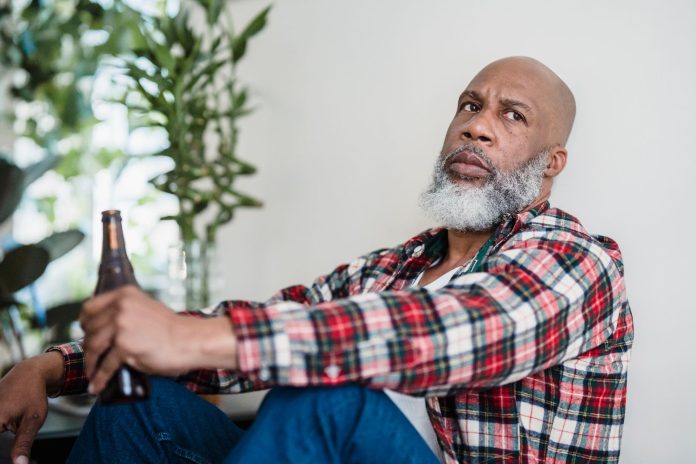
Bearded man in plaid shirt, sitting and holding a beer indoors.

Erectile dysfunction (ED) is far more common than many men realise, yet it’s often surrounded by embarrassment and silence. Understanding it matters, because ED is usually treatable and can sometimes be an early sign of other health issues worth checking. This article explains what ED is, its common causes, and the steps and support that can help — in a straightforward, non-judgmental way.

Erectile dysfunction means having ongoing difficulty getting or keeping an erection firm enough for satisfying intimacy. The occasional difficulty is completely normal and nothing to worry about. ED becomes worth addressing when it happens regularly, persists, or causes distress.

Common causes of ED

ED can have physical causes, psychological causes, or a combination of both. Common contributors include:

  • Cardiovascular and circulation issues — since erections depend on healthy blood flow
  • Other health conditions such as diabetes or high blood pressure
  • Stress, anxiety, and depression
  • Relationship difficulties
  • Certain medications
  • Lifestyle factors — smoking, excess alcohol, lack of exercise, and being overweight
  • Hormonal factors and ageing

Key point: Because erections rely on healthy blood flow, ED can sometimes be an early warning sign of heart or circulation problems — which is one reason it’s worth discussing with a doctor rather than ignoring.

Why seeing a doctor matters

Many men avoid seeking help for ED out of embarrassment, but a doctor is the best place to start. Beyond addressing the ED itself, a healthcare professional can check for underlying conditions, review medications, and discuss the most appropriate options for you. ED is a very common reason for medical visits, and doctors approach it routinely and discreetly.

Steps that can help

Depending on the cause, several approaches can make a difference:

Lifestyle improvements

Because ED is closely tied to overall health, healthy habits often help — and they benefit your whole body:

  • being physically active and maintaining a healthy weight
  • not smoking and limiting alcohol
  • eating a heart-healthy diet
  • managing stress and prioritising sleep
  • looking after your mental health

Addressing psychological factors

When stress, anxiety, depression, or relationship issues play a role, support such as counselling or therapy — sometimes involving a partner — can be very helpful.

Medical options

There are effective medical treatments for ED, which a doctor can discuss and tailor to your situation and health. The right option depends on the underlying cause, so professional guidance is important rather than self-treating.

Don’t suffer in silence

ED is common, treatable, and nothing to be ashamed of. Reaching out to a doctor is the single most useful step — it addresses the issue and can catch any underlying health concerns early.

Supporting your relationship

ED can affect both partners, so open, reassuring communication helps. Approaching it as a shared challenge — rather than a source of blame or shame — reduces pressure, which itself can ease the problem. Patience, understanding, and tackling it together make a real difference.

Frequently asked questions

Is occasional erectile difficulty a problem?

No. Occasional difficulty is completely normal. ED is worth addressing when it happens regularly, persists, or causes distress.

Can ED be a sign of other health problems?

Yes. Because erections depend on healthy blood flow, ED can sometimes be an early sign of heart or circulation issues, which is why a check-up is wise.

Is ED treatable?

In most cases, yes. ED is usually treatable, with options ranging from lifestyle changes and psychological support to medical treatments a doctor can discuss.

Do lifestyle changes really help ED?

Often, yes. Exercise, a healthy weight, not smoking, limiting alcohol, and managing stress can all help, since ED is closely linked to overall health.

Should I be embarrassed to see a doctor?

Not at all. ED is very common, and doctors address it routinely and discreetly. Seeking help is the most useful step you can take.

The bottom line: Erectile dysfunction is common, usually treatable, and sometimes an early sign of other health issues — so it’s worth addressing rather than ignoring. Causes range from physical and lifestyle factors to stress and relationships. Healthy habits, psychological support, and medical options all help. The most important step is talking to a doctor, who can find the cause and the right solution.

Related: For an online route to care and prescriptions, see our Medvi telehealth review.

Healthy Eating: A Beginner’s Guide to Balanced Nutrition

A vibrant salad bowl featuring fresh vegetables and grilled chicken on a wooden table.

Healthy eating can feel overwhelming — there’s endless conflicting advice, restrictive diets, and complicated rules. But good nutrition is actually far simpler than the noise suggests. At its core, it’s about eating mostly whole foods, in sensible amounts, most of the time. This beginner’s guide breaks down what balanced nutrition really means and how to build healthy eating habits that last.

You don’t need a perfect diet to be healthy. What matters is the overall pattern of what you eat across days and weeks, not any single meal. The goal is to nourish your body, keep your energy steady, and feel good — in a way you can actually maintain for life.

What balanced nutrition means

A balanced diet provides your body with the range of nutrients it needs: carbohydrates for energy, protein for repair and maintenance, fats for hormones and absorption, plus the vitamins, minerals, and fibre found in whole foods. Balance simply means getting enough of each, mostly from nutritious sources, without going to extremes.

Build your plate around whole foods

The simplest way to eat well is to centre your meals on minimally processed, whole foods:

  • Vegetables and fruit — aim to make these a large part of your plate
  • Whole grains like oats, brown rice, and whole-grain bread
  • Lean proteins such as fish, poultry, eggs, beans, lentils, and tofu
  • Healthy fats from olive oil, nuts, seeds, and avocado
  • Water as your main drink

A useful template is the balanced plate: roughly half vegetables and fruit, a quarter protein, and a quarter whole-grain carbohydrates, with a little healthy fat.

Key point: You don’t have to count every calorie or follow strict rules. Building most meals around whole foods does the heavy lifting for you.

Limit, don’t ban

No food is off-limits in a healthy diet. Rather than banning treats — which often backfires — simply be mindful of foods worth limiting: sugary drinks and snacks, ultra-processed foods, excess salt, and large amounts of refined carbohydrates. Enjoy them occasionally and in reasonable portions, and let the whole foods make up the bulk of your diet.

Practical habits that make healthy eating easier

  • Cook more at home, where you control ingredients and portions
  • Plan ahead so healthy options are ready when you’re hungry
  • Keep nutritious foods visible and convenient
  • Don’t shop hungry, which leads to impulse buys
  • Eat mindfully — slow down and notice when you’re full

Listen to your body

Healthy eating isn’t just about what’s on your plate — it’s also about how you eat. Pay attention to hunger and fullness cues, eat regularly to avoid extreme hunger, and try not to use food as the only way to cope with stress or boredom. A flexible, relaxed relationship with food is part of good nutrition.

Start with one change

Don’t overhaul everything at once. Pick a single habit this week — adding a vegetable to dinner, swapping a sugary drink for water, or cooking one extra meal at home. Small, sustainable changes beat a strict plan you abandon.

When to get personalised advice

General healthy-eating principles work for most people, but individual needs vary. If you have a health condition, food allergies, are pregnant, or want tailored guidance, a doctor or registered dietitian can help you build a plan that’s right for you.

Frequently asked questions

Do I need to follow a specific diet to be healthy?

No. Most people thrive on a balanced diet of mostly whole foods. Strict named diets aren’t necessary unless advised by a professional for a specific reason.

Are carbs bad for me?

No. Whole-food carbs like vegetables, fruit, beans, and whole grains are nutritious and filling. It’s refined and sugary carbs that are best limited.

Is it okay to eat treats?

Yes. No food is off-limits in a healthy diet. Enjoy treats in moderation and let whole foods make up most of what you eat.

How do I start eating healthier?

Begin with one small, sustainable change and build from there. Centring meals on whole foods and drinking more water are great first steps.

Do I have to count calories?

Not necessarily. Building balanced plates of whole foods naturally helps with portions. Counting can help some people but isn’t essential for everyone.

The bottom line: Healthy eating is simpler than it seems: build most meals around whole foods, follow the balanced-plate idea, limit rather than ban less-healthy options, and make small sustainable changes. Listen to your body, keep it flexible, and seek personalised advice if you need it. Consistency over perfection is what truly nourishes you.

Related: For a look at a popular wellness gummy brand, see our Goli review.

Burnout: How to Recognize and Recover

tired stressed woman working
Photo: Shixart1985 (CC BY 2.0) via Wikimedia Commons

Burnout is more than a busy week or ordinary tiredness. It’s a state of deep physical and emotional exhaustion that builds from long-term, unmanaged stress — often, but not only, from work. It can creep up slowly until your energy, motivation, and sense of accomplishment have quietly drained away. Spotting it early makes recovery far easier. This guide explains how to recognise burnout, what causes it, and how to genuinely recover.

Burnout develops gradually. You push through stress for so long, with too little recovery, that you eventually hit a wall. It can affect anyone, and it often hits the people who care most about what they do — which is part of why it can feel so confusing and demoralising when it arrives.

The warning signs of burnout

Burnout typically shows up in three core ways:

  • Exhaustion — feeling drained, depleted, and unable to recover even with rest
  • Detachment or cynicism — growing numb, distant, or negative toward your work and the people around it
  • Reduced effectiveness — feeling unproductive, ineffective, or as though nothing you do matters

Other common signs include irritability, trouble concentrating, headaches or stomach issues, disrupted sleep, getting ill more often, and losing interest in things you once enjoyed. Many people dismiss these signs as just being ‘busy’ — but together they’re a clear signal that something needs to change.

Burnout vs. ordinary stress

Stress and burnout are related but different. Stress generally involves too much — too many demands and pressures, but with the sense that if you could just get on top of things, you’d feel better. Burnout is more about not enough — feeling empty, depleted, and beyond caring. Stress can feel urgent and overwhelming; burnout often feels flat and hopeless. Recognising which you’re experiencing helps you respond in the right way.

What causes burnout?

Burnout comes from chronic stress that’s never adequately resolved. Common drivers include:

  • an unsustainable workload with too little recovery
  • a lack of control over your work or schedule
  • unclear or conflicting expectations
  • little recognition or reward for your efforts
  • poor work–life boundaries
  • doing demanding or emotionally heavy work without enough support

Key point: Burnout is a signal that something in your situation needs to change — not a personal failure or a sign that you’re not strong enough.

How to recover from burnout

Recovery takes more than a weekend off. Because burnout comes from sustained conditions, lasting recovery means changing those conditions, not just briefly escaping them. These steps help:

1. Rest properly

Prioritise genuine rest and recovery — quality sleep, real downtime, and activities that restore rather than drain you. This isn’t laziness; it’s a necessary part of refilling an empty tank.

2. Set and protect boundaries

Protect time away from work, learn to say no, and create clear lines between work and the rest of your life. Boundaries are what stop the cycle from simply repeating.

3. Lighten the load where you can

Look honestly at what’s on your plate. Delegate, simplify, postpone, or renegotiate where possible. You may not be able to change everything, but even small reductions in demand can create room to recover.

4. Reconnect with what matters

Make space for relationships, hobbies, and activities that bring you meaning and joy. Burnout narrows your world; deliberately widening it again is part of healing.

5. Move and get outside

Gentle physical activity and time outdoors help your nervous system reset, lift your mood, and rebuild energy. Keep it kind and manageable rather than another source of pressure.

6. Ask for support

Talk to people you trust, and seek professional help if you need it. You don’t have to figure this out alone, and outside perspective often helps you see options you’ve been too depleted to notice.

A recovery starting point

Pick one boundary to protect this week — a real lunch break, no email after a set hour, or one screen-free evening. Recovering from burnout often starts with small, protected pockets of rest that prove change is possible.

When to seek help

If exhaustion, detachment, or low mood persist despite rest, or if you feel hopeless or unable to cope, talk to a healthcare professional. Burnout can overlap with anxiety and depression, and support helps you recover sooner and reduces the risk of it returning.

This is a sensitive topic. If you are struggling with your mental health, you don’t have to face it alone — reaching out to a healthcare professional or someone you trust can make a real difference. If you are in crisis or may be in danger, contact your local emergency services or a crisis helpline right away.

Frequently asked questions

Is burnout the same as stress?

Not quite. Stress usually involves too much pressure but a sense you could cope if things eased. Burnout is the empty, depleted state that follows long-term unmanaged stress.

Can a holiday fix burnout?

A break can help you rest and offer perspective, but lasting recovery usually requires changing the workload, boundaries, or conditions that caused the burnout in the first place.

How long does burnout recovery take?

It varies. With rest, boundaries, and support, many people improve over weeks to months. The key is changing what drained you, not just pausing it.

Can burnout affect my physical health?

Yes. Burnout is linked with fatigue, sleep problems, headaches, getting ill more often, and other physical effects, which is why addressing it matters for your whole health.

How can I prevent burnout from returning?

Maintain boundaries, build in regular recovery, watch for early warning signs, and address sources of chronic stress before they pile up again.

The bottom line: Burnout is a signal that something needs to change, not a personal failing. Watch for the three core signs — exhaustion, detachment, and reduced effectiveness — then recover by resting properly, setting boundaries, lightening your load, reconnecting with what matters, and reaching out for support. Caught early and addressed honestly, burnout is something you can recover from.

Related: If you are looking for extra support to unwind, our Vena CBD review may help you decide.

Insomnia: Causes and Natural Remedies

Few things are as frustrating as lying awake, watching the hours tick by, while sleep refuses to come. Insomnia is incredibly common — almost everyone experiences it at some point, and for some it becomes an ongoing struggle. The encouraging news is that many cases improve significantly with changes you can make yourself. This guide explains what insomnia is, what causes it, the natural remedies that genuinely help, and when it’s time to seek professional support.

Insomnia means having trouble falling asleep, staying asleep, or waking too early and being unable to get back to sleep — despite having the opportunity and time to rest. It can be short-term (lasting days or weeks, often tied to a specific stressor) or chronic (occurring at least three nights a week for three months or more). Understanding which kind you’re dealing with helps point you toward the right solution.

Common causes of insomnia

Insomnia rarely has a single cause. More often it’s a combination of factors, and identifying yours is the first step to fixing the problem.

  • Stress, worry, and anxiety — a racing or anxious mind is one of the most common culprits
  • Irregular sleep schedules — shift work, jet lag, or inconsistent bedtimes confuse your body clock
  • Caffeine, alcohol, and nicotine — all can disrupt sleep, especially later in the day
  • Screens and light before bed, which delay your body’s sleep signals
  • An uncomfortable environment — too warm, too noisy, or too bright
  • Late, heavy meals or going to bed hungry
  • Certain health conditions, pain, or medications

The vicious cycle of insomnia

One reason insomnia can become self-sustaining is the anxiety it creates. After a few bad nights, you start to dread bedtime and worry about not sleeping — and that very worry keeps you awake, reinforcing the problem. Breaking this cycle often matters as much as addressing the original trigger. The goal is to make your bed and bedtime feel calm and low-pressure again.

Natural remedies that genuinely help

For many people, the following habits make a real difference. Give them a couple of weeks of consistency before judging the results.

1. Keep a consistent schedule

Go to bed and wake up at roughly the same times every day, including weekends. This is one of the most powerful ways to steady your body clock and make sleep come more naturally.

2. Build a calming wind-down

Give yourself 30–60 minutes of low-stimulation, screen-free time before bed. Dim the lights, read, stretch, take a warm shower, or practise slow breathing. This signals to your body that the day is ending.

3. Watch caffeine and alcohol

Caffeine can linger for hours, so avoid it from early afternoon if you’re sensitive. Alcohol might make you drowsy at first but disrupts sleep later in the night, so keep it moderate and not too close to bedtime.

4. Optimise your bedroom

Make your sleep space cool, dark, and quiet. Reserve the bed for sleep so your brain strongly associates it with rest rather than wakefulness, scrolling, or work.

5. Calm a racing mind

If worries keep you up, try writing them down before bed to get them out of your head, or use slow breathing with a longer exhale. A short ‘worry dump’ on paper can be surprisingly effective.

If you can’t sleep, don’t force it

Lying in bed frustrated only strengthens the link between your bed and wakefulness. If you’re still awake after about 20 minutes, get up, do something calm and dimly lit, and return to bed only when you feel sleepy. And avoid clock-watching — it adds pressure.

What about sleep supplements?

Some people turn to natural sleep aids. A consistent routine and good habits should always come first, as they address the root of the problem. If you’re considering any supplement or sleep aid, it’s worth discussing it with a pharmacist or doctor, since effectiveness varies, some can interact with medications, and they’re not a substitute for tackling the underlying causes.

When to seek professional help

If insomnia lasts more than a few weeks, happens most nights, or affects your mood, focus, or daily functioning, it’s worth speaking to a healthcare professional. One of the most effective, well-evidenced treatments is a structured programme called cognitive behavioural therapy for insomnia (CBT-I), which addresses the thoughts and habits that keep insomnia going. A professional can also check for any underlying conditions contributing to the problem.

Frequently asked questions

What is the fastest natural way to fall asleep?

There’s no instant switch, but a calm wind-down and slow breathing with a longer exhale help most people. Consistency over several nights matters far more than any single trick.

Does caffeine really cause insomnia?

For many people, yes. Caffeine can disrupt sleep for hours after consumption, so cutting it after early afternoon often helps noticeably.

Is it bad to look at my phone in bed?

Generally yes. Screen light and stimulation delay your body’s sleep signals and keep your mind active. A screen-free wind-down supports better sleep.

When does insomnia need medical attention?

If it lasts more than a few weeks, occurs most nights, or impairs your daily life, see a professional. Effective treatments like CBT-I are available.

Will one bad night hurt my health?

No. Occasional poor sleep is completely normal and your body copes fine. It’s chronic, ongoing insomnia that’s worth addressing.

The bottom line: Insomnia is common and, in many cases, very treatable with consistent habits: a steady schedule, a calming wind-down, limiting caffeine and screens, an optimised bedroom, and techniques to quiet a busy mind. Don’t force sleep, and break the worry cycle. If it persists for weeks or affects your life, professional help — especially CBT-I — works well.

Related: For a closer look at a popular sleep aid, read our Beam Dream review.

The Importance of Rest and Recovery in Fitness

Man doing seated stretch in gym, emphasizing fitness and flexibility training.

In fitness culture, it’s easy to believe that more is always better — more workouts, more intensity, more pushing. But one of the most overlooked secrets to getting fitter, stronger, and healthier is rest. Recovery isn’t the opposite of training; it’s the part where the benefits of training actually happen. This guide explains why rest and recovery matter so much, and how to do them well.

When you exercise, you place stress on your muscles and body. The improvements — getting stronger, fitter, faster — don’t happen during the workout itself, but during the recovery that follows, when your body repairs and adapts. Skip the recovery, and you limit your progress and raise your risk of burnout and injury.

Why recovery matters

  • It’s when you get stronger — muscles repair and adapt during rest, not during the workout
  • It prevents overtraining — too much without enough recovery leads to fatigue and plateaus
  • It reduces injury risk — tired, under-recovered bodies are more prone to injury
  • It supports motivation — rest keeps exercise sustainable and enjoyable
  • It benefits your whole body — recovery involves sleep, hormones, and your nervous system

Key point: Rest isn’t laziness or a setback — it’s an essential part of training where your hard work turns into real results.

The pillars of good recovery

Sleep

Sleep is the most powerful recovery tool there is. Much of your body’s repair, muscle building, and hormonal balancing happens while you sleep. Aim for quality, consistent sleep — it does more for your fitness than almost anything else you can do outside the gym.

Rest days

Your body needs time off from hard training. Rest days let muscles repair and your nervous system recover. This doesn’t always mean doing nothing — gentle “active recovery” like walking or light stretching can help while still giving your body a break from intense effort.

Nutrition and hydration

Recovery is fuelled by what you eat and drink. Adequate protein supports muscle repair, carbohydrates replenish energy, and staying hydrated supports nearly every recovery process. Nourishing your body well is part of recovering well.

Signs you need more recovery

Your body sends signals when it isn’t recovering enough. Watch for:

  • persistent fatigue or feeling drained
  • performance plateauing or declining
  • constant muscle soreness that doesn’t ease
  • poor sleep, irritability, or low motivation
  • getting ill more often

If you notice these, it’s often a sign to ease off and prioritise rest rather than pushing harder.

Build recovery into your plan

Treat rest as part of your training, not an afterthought. Schedule rest days, protect your sleep, and don’t feel guilty about them — they’re where your progress is made.

Recovery for beginners and beyond

Recovery matters at every level. Beginners need time for their bodies to adapt to new activity, while more experienced exercisers training harder need even more deliberate recovery. Whatever your level, balancing effort with rest is the key to steady, sustainable progress — and to enjoying fitness for the long term rather than burning out.

Frequently asked questions

How many rest days do I need?

It varies with your training and level, but most people benefit from at least one or two rest or easier days a week. Listen to your body and adjust.

Is it bad to work out every day?

Not necessarily, if intensity is varied and you include easier or active-recovery days. But hard training every day without recovery raises the risk of fatigue and injury.

Why am I not making progress despite training hard?

Under-recovery is a common cause. Too much training without enough rest, sleep, or nutrition can cause plateaus. Try prioritising recovery.

What is active recovery?

Gentle, low-intensity movement like walking or light stretching on rest days. It supports recovery while still giving your body a break from hard effort.

Does sleep really affect fitness?

Yes, hugely. Much of your repair, muscle building, and hormonal recovery happens during sleep, making it one of the most important recovery tools.

The bottom line: Rest and recovery are where the benefits of exercise actually happen. Quality sleep, regular rest days, and good nutrition let your body repair, adapt, and get stronger while preventing burnout and injury. Treat recovery as an essential part of your training, not an afterthought — it’s the key to sustainable, long-term progress.

Related: Looking at supplements for performance? See our Beam review.

Sleep Hygiene: Simple Habits for Better Rest

sleep hygiene habits for better rest
Photo: Shixart1985 (CC BY 2.0) via Wikimedia Commons

‘Sleep hygiene’ sounds clinical, but it simply means the everyday habits and conditions that set you up for good sleep. The quality of your nights is shaped far more by these daily choices than by anything fancy — and improving them is one of the most effective, lowest-cost ways to sleep better. This guide walks through the sleep-hygiene habits that genuinely matter, why they work, and how to build them without overhauling your whole life.

Good sleep rarely happens by accident. It’s the product of what you do during the day, in the evening, and in the hour before bed. The encouraging part is that these are habits anyone can build, and small changes often add up to noticeably better rest.

Keep a consistent sleep schedule

This is the foundation of good sleep hygiene. Going to bed and waking up at similar times every day — yes, including weekends — keeps your internal body clock steady, so you naturally feel sleepy and wake up at the right times. An irregular schedule, by contrast, leaves your body confused about when it should be winding down. Of all the habits here, a consistent wake-up time is one of the most powerful.

Build a calming wind-down routine

Your body needs a transition between the busyness of the day and sleep. Give yourself around 30 minutes of calm, low-stimulation time before bed:

  • dim the lights to support your natural sleep signals
  • step away from screens, or at least reduce their use
  • do something relaxing — reading, stretching, a warm shower, or slow breathing
  • avoid stressful tasks, intense conversations, or work right before bed

Optimise your sleep environment

Where you sleep matters as much as when. A few adjustments make your bedroom far more sleep-friendly:

  • keep it cool — a slightly cooler room supports better sleep
  • make it dark — block out light with curtains or an eye mask
  • keep it quiet, or use steady background sound to mask noise
  • invest in a comfortable mattress and pillows
  • reserve the bed for sleep — not work, scrolling, or eating

Key point: Reserving your bed mainly for sleep helps your brain build a strong, automatic association between getting into bed and drifting off.

Mind your daytime habits

Good sleep is built during the day, not just at night. These daytime habits strongly influence how well you sleep:

Get daylight and movement

Exposure to natural light, especially in the morning, anchors your body clock and helps you feel alert by day and sleepy at night. Regular physical activity also deepens sleep — just keep very intense exercise away from the hour or two before bed.

Watch caffeine and timing

Caffeine can stay in your system for many hours, so be mindful of afternoon and evening coffee, tea, and energy drinks if you’re sensitive. Late, heavy meals and too much alcohol close to bedtime can also disrupt sleep.

Manage light and screens

Light is one of the strongest signals to your body clock. Bright light and screens in the evening tell your brain it’s still daytime, delaying sleep. Aim to dim your environment as bedtime approaches, and reduce screen use in the final stretch before bed. In the morning, do the opposite — get bright light to help you wake up and reset your clock.

Start with one habit

Don’t try to change everything at once. Pick a single habit — a consistent wake-up time, or a 30-minute screen-free wind-down — and stick with it for two weeks. Once it’s automatic, add another. Small, sustainable changes beat an overwhelming overhaul.

How long until it works?

Some sleep-hygiene changes help right away, while others — especially a consistent schedule — show their full benefit after a week or two of consistency. Sleep responds to patterns, so give new habits a fair chance before deciding whether they’re working.

When good habits aren’t enough

Sleep hygiene resolves a great deal of everyday sleep trouble, but it isn’t a cure for everything. If you’ve genuinely improved your habits and still struggle to fall or stay asleep, feel unrefreshed, or are excessively sleepy by day, it’s worth speaking to a healthcare professional to rule out a sleep disorder or other cause.

Frequently asked questions

What is the most important sleep-hygiene habit?

A consistent sleep and wake schedule is arguably the most powerful. It steadies your body clock and underpins most other improvements.

How long does it take for better sleep hygiene to work?

Some changes help immediately, but consistency over one to two weeks usually brings the clearest, most reliable improvement.

Is it really bad to use my phone in bed?

For most people, yes. Screen light and stimulation delay sleep, so keeping phones out of bed and dimming screens beforehand supports better rest.

Does napping ruin sleep hygiene?

Not necessarily. Short, early-afternoon naps are usually fine. Long or late naps can interfere with night-time sleep for some people.

Can I catch up on sleep at weekends?

A little, but big swings in your schedule disrupt your body clock. Consistent nightly sleep is far better than weekday deprivation and weekend catch-up.

The bottom line: Sleep hygiene is simply the set of daily habits that lead to better rest: a consistent schedule, a calming wind-down, an optimised bedroom, smart daytime light and movement, and mindful caffeine and screen use. Start with one habit, give it a couple of weeks, and build from there. If great habits still aren’t enough, seek professional advice.

Related: Curious whether calming supplements help you wind down? See our Vena CBD review.

Better Sleep for Better Mental Health

Sleep is not a luxury — it’s one of the foundations of good mental health. When rest suffers, your mood, focus, resilience, and ability to cope all take a hit. And because the relationship works both ways, poor mental health can also disrupt sleep, creating a difficult cycle. The encouraging news is that improving one often improves the other. This guide explains the deep link between sleep and mental health and how to support both.

Sleep and mental health are intertwined. Poor sleep can worsen anxiety, low mood, and irritability, while stress and worry make it harder to fall and stay asleep. Understanding this two-way connection is the first step to breaking any negative cycle and using better sleep as a genuine mental-health tool.

How sleep affects your mind

While you sleep, your brain does essential work: it processes emotions, consolidates memories, and resets for the day ahead. Without enough quality rest, this maintenance suffers. The result is that you’re more likely to feel anxious, reactive, and overwhelmed, and less able to concentrate, regulate your emotions, or cope with everyday stress. Over time, ongoing sleep problems are closely linked with mental health difficulties — which is exactly why protecting sleep is so important.

The sleep–mental health cycle

It’s easy to get caught in a loop. Stress and anxiety keep you awake; the resulting poor sleep then worsens your mood and anxiety the next day; and that, in turn, makes the following night harder. Breaking this cycle anywhere — by improving sleep habits, by managing stress, or both — can create positive momentum in the other direction. You don’t have to fix everything at once; small improvements often ripple outward.

Signs your sleep needs attention

  • taking a long time to fall asleep most nights
  • waking often, or waking too early and struggling to drift back
  • feeling unrefreshed even after enough hours
  • daytime fatigue, low mood, or poor focus
  • feeling more irritable, anxious, or overwhelmed than usual
  • relying on caffeine to get through the day

Habits for better sleep and a healthier mind

Good sleep is built mostly through daytime and evening habits. These changes support both your sleep and your mental wellbeing:

  • Keep a consistent schedule — going to bed and waking at similar times steadies your body clock
  • Wind down without screens — dim the lights and step away from devices before bed
  • Watch caffeine and alcohol, especially later in the day
  • Get daylight and movement — both support deeper sleep and lift mood
  • Make your bedroom restful — cool, dark, and quiet
  • Calm a racing mind — slow breathing, journaling, or writing down worries before bed

Key point: Improving your sleep is one of the most powerful and accessible things you can do for your mental health — and small, consistent habits make the biggest difference.

Calming a busy mind at night

For many people, it’s an anxious, racing mind that stands between them and sleep. A few techniques help: write your worries or tomorrow’s tasks on paper to get them out of your head; practise slow breathing with a longer exhale; and avoid lying in bed frustrated — if sleep won’t come after a while, get up, do something calm in low light, and return when sleepy. Trying to force sleep usually backfires; gently letting go works better.

A simple wind-down

About 30 minutes before bed, dim the lights, put your phone away, and do something calming — read, stretch, or breathe slowly. This signals to your mind and body that the day is ending, easing the transition into restful sleep.

When to seek help

If sleep problems last for weeks, or come alongside persistent low mood, anxiety, or exhaustion, it’s worth talking to a healthcare professional. Treating sleep and mental health together often brings the best results, and effective support — including approaches like cognitive behavioural therapy — is available for both.

This is a sensitive topic. If you are struggling with your mental health, you don’t have to face it alone — reaching out to a healthcare professional or someone you trust can make a real difference. If you are in crisis or may be in danger, contact your local emergency services or a crisis helpline right away.

Frequently asked questions

How many hours of sleep do I need for good mental health?

Most adults do best with about 7–9 hours of quality sleep, though needs vary. Feeling rested and able to cope during the day is a good sign you’re getting enough.

Can better sleep really improve my mood?

Yes. Consistent, quality sleep supports emotional balance, lowers stress, and improves focus and resilience, all of which benefit mental health.

Why do I sleep badly when I’m stressed or anxious?

Stress and anxiety keep the body and mind in a state of alert, making it harder to fall and stay asleep. Calming routines and managing stress help break the cycle.

Which should I fix first — sleep or stress?

You don’t have to choose. Improving either one tends to help the other, so start with whichever feels more manageable and build from there.

Is it normal for mental health to affect sleep?

Yes, very. Anxiety, depression, and stress commonly disrupt sleep, just as poor sleep can worsen them — they’re closely connected.

The bottom line: Sleep and mental health rise and fall together. By keeping a steady schedule, winding down without screens, getting daylight and movement, and calming your mind before bed, you support both at once. If sleep stays difficult or comes with persistent low mood or anxiety, professional help can make a real difference — and treating both together works best.

Related: If stress or worry is weighing on you, our Vena CBD review looks at its No Worries gummies and calming range.

Exercise for Weight Loss: Where to Start

exercise for weight loss where to start
Photo: Mike Baird from Morro Bay, USAMike Baird bairdphotos.com Can (CC BY 2.0) via Wikimedia Commons

Exercise is a powerful ally for weight loss, your health, and especially for keeping weight off long term. But if you’re new to it, getting started can feel overwhelming — too many options, too much conflicting advice, and the nagging fear of not doing it ‘right.’ The truth is simpler than you think. This guide shows you exactly where to start, how to combine different types of exercise, and how to build a routine that actually lasts.

First, an important reality check: you can’t out-exercise a poor diet, and nutrition usually has the bigger impact on weight. But exercise is far from optional — it builds muscle, improves your health, lifts your mood, and dramatically improves your odds of keeping weight off. Think of it as an essential partner to your eating habits.

Start with walking

Walking is the most underrated exercise for weight loss. It’s free, low-impact, requires no equipment, and is easy to fit into your day. Best of all, almost anyone can do it and keep doing it. Gradually increasing your daily steps burns calories, supports your health, and builds the activity habit without overwhelming you. If you do nothing else, walk more — it’s a brilliant place to start.

Add strength training

Strength training is the secret weapon of weight loss. As you lose fat, building and preserving muscle helps you look more toned, keeps your metabolism healthier, and makes everyday life easier. You don’t need a gym to begin:

  • bodyweight exercises like squats, push-ups, and lunges
  • resistance bands at home
  • dumbbells or kettlebells
  • gym machines or free weights if you have access

Two to three sessions a week, working the major muscle groups, is a great starting point. Focus on learning good form before adding heavy resistance.

Mix in some cardio

Cardio raises your heart rate, burns calories, and strengthens your heart and lungs. The best cardio is, again, the one you’ll actually do:

  • brisk walking or jogging
  • cycling, indoors or outdoors
  • swimming
  • dancing, sport, or fitness classes

A simple, balanced weekly approach combines regular walking, two or three strength sessions, and some cardio you enjoy. General guidance suggests aiming toward around 150 minutes of moderate activity a week — but if that feels like a lot, start wherever you can and build up.

Key point: The best exercise for weight loss is the one you’ll keep doing. Consistency beats intensity, especially in the beginning.

Build the habit first

The biggest mistake beginners make is starting too hard and burning out. When you’re new, your number-one goal isn’t to push to exhaustion — it’s to build the habit. Begin with short, manageable sessions that leave you wanting to come back, and increase the duration and intensity gradually as fitness and confidence grow. A routine you can maintain for months beats an intense plan you abandon in two weeks.

The 2-week rule

For your first two weeks, focus only on showing up — short, easy sessions, no pressure to perform. Once the habit feels natural and built into your week, then start increasing how long and how hard you go.

Staying consistent

Consistency comes from making exercise easy to do and enjoyable. A few practical strategies help:

  • schedule it like any other appointment
  • choose activities you genuinely enjoy
  • start small so it never feels overwhelming
  • track your progress to stay motivated
  • find a friend or community for accountability

A note on safety

If you’re new to exercise, very unfit, pregnant, or have a health condition or injury, it’s wise to check with a healthcare professional before starting a new programme. Begin gently, listen to your body, warm up, and progress gradually to reduce the risk of injury.

Frequently asked questions

Is cardio or strength training better for weight loss?

Both help. Cardio burns calories now, while strength training builds muscle that supports your metabolism over time. A combination works best.

How much exercise do I need to lose weight?

General guidance suggests aiming toward about 150 minutes of moderate activity a week plus some strength work, but start wherever you can and build up gradually.

Can I lose weight with exercise alone?

Exercise helps and is great for health, but diet usually has the bigger impact on weight. Combining both gives the best, most sustainable results.

What’s the best exercise for a beginner?

Walking is an ideal starting point — accessible, low-impact, and easy to keep up. Add simple strength training when you’re ready.

How long until exercise shows results?

Fitness and strength often improve within weeks. Visible weight changes depend heavily on diet too, so be patient and consistent.

The bottom line: To exercise for weight loss, start simple: walk more, add a couple of strength sessions, and include cardio you enjoy. Prioritise building the habit over intensity at first, then increase gradually. Pair it with good nutrition, choose activities you like, and stay consistent — the routine you actually stick with is the one that works.

Related: Thinking about GLP-1 medication? Our Gala GLP-1 review breaks down what to expect from an online weight-loss program.

34,610FollowersFollow

Must Read