

Monday, July 13, 2026
Home Blog Page 12

Strength vs Cardio: Which Is Better for You?

A man lifting weights behind a chain fence at night, showcasing strength and fitness.

Strength training or cardio — which should you focus on? It’s one of the most common fitness questions, and the honest answer is that it depends on your goals, and most people benefit from a mix of both. Each offers distinct, valuable benefits. This guide breaks down what strength and cardio each do, who should prioritise which, and how to combine them for the best results.

Rather than thinking of strength and cardio as rivals, it helps to see them as teammates. They complement each other, and a balanced routine that includes both gives you the widest range of health and fitness benefits.

What cardio does for you

Cardiovascular exercise — anything that raises your heart rate, like walking, running, cycling, or swimming — primarily benefits your heart, lungs, and endurance:

  • strengthens your heart and improves circulation
  • builds stamina and endurance
  • burns calories, supporting weight management
  • boosts mood and reduces stress
  • supports long-term heart and metabolic health

What strength training does for you

Strength (or resistance) training — using weights, bands, or your bodyweight — builds and maintains muscle, with benefits that go well beyond appearance:

  • builds and preserves muscle and strength
  • supports a healthier metabolism, since muscle burns more energy at rest
  • strengthens bones and joints
  • improves posture, balance, and everyday function
  • helps with body composition as you age

Key point: Cardio is best known for heart health and endurance; strength training is best for muscle, metabolism, and bones. Most people benefit from both — they’re complementary, not competing.

Which should you prioritise?

Your emphasis can shift depending on your goals:

  • For heart health and endurance: lean toward more cardio.
  • For building muscle, strength, or boosting metabolism: prioritise strength training.
  • For weight loss: both help — cardio burns calories now, while strength preserves muscle and supports your metabolism.
  • For overall health and longevity: a combination of both is ideal.

How to combine them

You don’t have to choose. A simple, balanced weekly routine might include:

  • two to three strength sessions covering the major muscle groups
  • some cardio you enjoy, from brisk walking to cycling or jogging
  • general daily movement, like walking more and sitting less

General guidance suggests aiming toward around 150 minutes of moderate activity a week plus a couple of strength sessions — but if that feels like a lot, start where you can and build up.

Short on time?

If your schedule is tight, you can blend both — circuit-style workouts or moving briskly between strength exercises raise your heart rate while building muscle, giving you elements of cardio and strength in one session.

The best choice is the one you’ll do

Ultimately, the most effective workout is the one you’ll actually stick with. If you love running but hate the gym, lean into cardio and add simple strength work at home. If you enjoy lifting, prioritise that and add some cardio you can tolerate. Consistency with a routine you enjoy beats a “perfect” plan you abandon.

Frequently asked questions

Is cardio or strength better for weight loss?

Both help. Cardio burns calories during exercise, while strength training builds muscle that supports your metabolism over time. A combination works best, alongside a healthy diet.

Can I just do one and skip the other?

You can, depending on your goals, but you’ll miss some benefits. Cardio and strength complement each other, so most people are best served by including both.

How many days of each should I do?

A common balanced approach is two to three strength sessions plus regular cardio each week, but adjust to your goals, fitness level, and schedule.

Will strength training make me bulky?

No. Building significant muscle takes prolonged, dedicated effort. For most people, strength training builds a leaner, stronger, more toned body.

Should I do cardio or strength first in a workout?

If you combine them in one session, do whichever aligns with your main goal first, while you have the most energy. For strength goals, lift first; for endurance goals, do cardio first.

The bottom line: Strength and cardio aren’t rivals — they’re complementary. Cardio benefits your heart, endurance, and mood; strength builds muscle, metabolism, and bones. Your emphasis can shift with your goals, but most people get the best results from a balanced mix of both. Above all, choose a routine you enjoy and can stick with.

Related: For recovery, greens, and creatine, our Beam review breaks down what is inside.

Prostate Health: What Every Man Should Know

mature man portrait
Photo: Thomas Sully (CC0) via Wikimedia Commons

The prostate is a small gland that plays a surprisingly large role in a man’s health — yet many men know little about it until something goes wrong. Understanding what the prostate does, what can affect it, and when to seek help puts you in a far stronger position to stay healthy and catch any issues early. This guide covers the essentials every man should know about prostate health, in plain language.

The prostate is a walnut-sized gland located just below the bladder and in front of the rectum. It surrounds part of the urethra, the tube that carries urine out of the body, and its main job is to produce some of the fluid that makes up semen. Because of where it sits, prostate changes can affect urination — which is often the first thing men notice.

How the prostate changes with age

The prostate tends to grow slowly throughout adult life. For many men this gradual enlargement is harmless, but as the gland grows it can press on the urethra and affect the flow of urine. This is why prostate-related concerns become more common with age, and why awareness becomes more important as the years go on.

Common prostate conditions

There are three main prostate conditions worth understanding. Knowing the difference helps you make sense of symptoms rather than jumping to worst-case conclusions.

Benign prostatic hyperplasia (an enlarged prostate)

This is a non-cancerous enlargement of the prostate that’s very common with age. It can cause urinary symptoms such as a frequent need to urinate, especially at night, a weak or interrupted stream, difficulty starting, or a feeling that the bladder isn’t fully empty. It’s common and manageable, and it is not cancer.

Prostatitis

Prostatitis is inflammation of the prostate, sometimes caused by infection. It can affect men of all ages and may cause pain, discomfort when urinating, or flu-like symptoms in the case of infection. It’s usually treatable, and a doctor can identify the type and the right approach.

Prostate cancer

Prostate cancer is one of the most common cancers in men. The reassuring part is that many prostate cancers grow slowly and, when found early, are very treatable. Early prostate cancer often causes no symptoms at all, which is exactly why screening conversations matter.

Symptoms to pay attention to

Most urinary changes are caused by benign conditions, not cancer. Still, it’s worth noticing and discussing the following with your doctor:

  • needing to urinate more often, particularly at night
  • a weak, slow, or interrupted urine stream
  • difficulty starting or stopping urination
  • a feeling that the bladder isn’t fully empty
  • blood in the urine or semen
  • discomfort or pain in the pelvic area

Key point: Symptoms like these usually have a benign explanation, but they’re a signal to get checked rather than to wait and worry. Early attention almost always makes things simpler to manage.

Habits that support prostate health

While not everything about prostate health is within your control, a healthy lifestyle supports the prostate along with the rest of your body:

  • eat a diet rich in vegetables, fruits, and healthy fats
  • stay physically active and maintain a healthy weight
  • limit processed food and excess red meat
  • stay hydrated and don’t routinely hold in urine
  • don’t ignore urinary changes — mention them early

Screening and check-ups

Screening for prostate cancer is a personal decision best made with your doctor. Conversations about it commonly begin in a man’s late 40s or 50s, and earlier if you have a family history of prostate cancer or other risk factors. Screening can involve a blood test and, in some cases, a physical examination. Like all screening, it has both benefits and trade-offs, which your doctor can explain in the context of your own health and history.

Don’t let embarrassment win

Many men delay talking about urinary or prostate symptoms because they feel awkward. Doctors have these conversations every single day, and bringing things up early is one of the most useful things you can do for your long-term health.

When to see a doctor

Make an appointment if you notice persistent urinary symptoms, any blood in your urine or semen, ongoing pelvic discomfort, or if you’re simply due for a check-up and want to discuss screening. None of these necessarily mean something serious, but they all deserve professional attention rather than guesswork.

Frequently asked questions

When should I start thinking about prostate health?

Healthy habits help at any age, and screening conversations commonly begin in a man’s late 40s or 50s — earlier with a family history. Awareness should start well before then.

Do urinary symptoms mean I have cancer?

Usually not. The large majority of urinary changes come from a benignly enlarged prostate or other non-cancerous causes. But any persistent symptom is worth a check-up.

Can diet really affect the prostate?

A balanced diet rich in vegetables and healthy fats supports overall and prostate health. It’s one helpful piece of a bigger picture rather than a guarantee.

Is an enlarged prostate the same as prostate cancer?

No. An enlarged prostate (benign prostatic hyperplasia) is a common, non-cancerous condition. It’s separate from prostate cancer, though both can occur with age.

What does prostate screening involve?

It can include a blood test and sometimes a physical exam. It’s a personal decision with benefits and trade-offs your doctor can walk you through.

The bottom line: The prostate matters more than most men realise. Stay active, eat well, pay attention to urinary changes, and have open conversations with your doctor about screening as you get older. Most prostate issues are manageable, and many are very treatable when caught early — being proactive is the best thing you can do.

Related: Exploring GLP-1 medication for metabolic health? Our WellMedr review walks through the process.

Natural Ways to Boost Energy and Stamina for Men

person exercising fitness
Photo: Jongsun Lee (CC BY 3.0) via Wikimedia Commons

If you find yourself dragging through the afternoon, relying on coffee to function, or running out of steam long before the day is done, you’re far from alone. Low energy is one of the most common complaints men have — and it’s rarely something you just have to accept. In most cases, energy and stamina can be genuinely improved through a handful of natural habits. No quick fixes, no miracle pills — just the fundamentals done well. Here’s how to get your energy back.

Sustained energy comes from a few interconnected systems: how well you sleep, how you fuel your body, how much you move, how hydrated you are, and how well you manage stress. When energy is low, the cause is almost always hiding in one of these areas. The good news is that small improvements compound — fix the weakest link and the difference can be dramatic.

Start with sleep — the foundation of energy

Nothing drains energy faster or more completely than poor sleep, and nothing restores it more reliably. Sleep is when your body and brain recover, balance hormones, and prepare for the day ahead. If you’re constantly tired, this is the first place to look.

  • aim for 7–9 hours of quality sleep a night
  • keep a consistent schedule, even on weekends
  • wind down without screens for the last half hour before bed
  • keep your bedroom cool, dark, and quiet

Improving sleep is the single biggest energy upgrade available to most men, and it costs nothing.

Eat for steady, lasting energy

What and how you eat has a huge effect on your energy through the day. Meals heavy in refined carbs and sugar cause blood-sugar spikes followed by crashes that leave you tired and foggy. Steady energy comes from balanced meals.

  • include protein at each meal to stay full and stable
  • choose complex carbohydrates like oats, beans, whole grains, and vegetables
  • add healthy fats for slow-burning fuel
  • go easy on sugary snacks, pastries, and energy drinks that spike then crash

Don’t forget hydration

Even mild dehydration causes fatigue, poor concentration, and low mood. Many men mistake thirst for tiredness and reach for caffeine when a glass of water would do more. Keep water available through the day and sip regularly, especially if you’re active.

Move to gain energy

It feels counter-intuitive, but spending energy through exercise actually creates more of it. Regular activity improves circulation, strengthens the heart, boosts mood-lifting chemicals, and increases stamina over time. You don’t need to exhaust yourself — in fact, gentle, regular movement often beats occasional intense sessions for everyday energy.

  • mix cardio (walking, cycling, jogging) for stamina
  • add strength training to build capacity and support metabolism
  • break up long periods of sitting with short movement breaks

Manage stress and the hidden energy drains

Chronic stress is exhausting, both mentally and physically. It keeps your body in a low-grade state of alert that quietly burns through your reserves. Building in real breaks, time to decompress, and activities that restore you helps protect your energy. Watch the common energy drains too: too much late-day caffeine that disrupts sleep, excess alcohol, skipping meals, and constant screen stimulation.

Key point: Energy isn’t about pushing harder — it’s about removing the things that drain you and strengthening the habits that restore you. Find your weakest link and start there.

A simple energy audit

If your energy is low, spend one week paying honest attention to four things: how many hours you sleep, how much water you drink, how much you move, and how balanced your meals are. Most energy problems trace back to one or two of these. Identify your weakest area and improve it first, rather than trying to change everything at once.

The afternoon slump fix

When energy dips in the afternoon, resist reaching straight for more caffeine or sugar. Instead, drink some water, take a short walk, and step outside for a few minutes of daylight and movement. It often works better and won’t wreck your sleep.

When to see a doctor

Most low energy is lifestyle-related, but persistent, severe, or unexplained fatigue that doesn’t improve with good habits deserves medical attention. It can occasionally signal underlying issues such as thyroid problems, low iron, sleep disorders, low testosterone, or other conditions. If something feels off, get it checked rather than pushing through indefinitely.

Frequently asked questions

Why am I tired even after a full night’s sleep?

Poor sleep quality (rather than quantity), stress, dehydration, diet, or an underlying condition can all leave you tired despite enough hours. Look at sleep consistency and daytime habits first.

Do energy supplements and drinks work?

Most offer little beyond caffeine and sugar, which provide a short-lived spike followed by a crash. Sleep, nutrition, hydration, and movement deliver far more reliable, lasting energy.

How fast can I improve my energy?

Some changes, like better hydration and sleep timing, can help within days. Bigger gains from consistent exercise and nutrition build over a few weeks.

Can low testosterone cause fatigue?

Yes, low testosterone is one possible contributor to persistent fatigue in men. If you have several related symptoms, it’s worth discussing with a doctor.

When should I see a doctor about tiredness?

If fatigue is persistent, severe, or unexplained despite good habits, see a doctor to rule out underlying causes such as thyroid issues, low iron, or sleep disorders.

The bottom line: Lasting energy and stamina come from the fundamentals: solid sleep, steady balanced nutrition, good hydration, regular movement, and managed stress. Skip the quick fixes, run a simple audit to find your weakest link, and strengthen it first. Improve the foundations and your energy rises naturally — and if fatigue persists despite your efforts, see a doctor.

Related: If you are keeping tabs on your numbers, our Everlywell review looks at at-home lab tests for things like testosterone and metabolic health.

How to Start Exercising: A Beginner’s Guide

Woman performing push-ups with dumbbells on yoga mat in cozy indoor setting.

Starting to exercise can feel intimidating — too many options, conflicting advice, and the worry of not doing it “right.” But getting active is one of the best things you can do for your body and mind, and it’s far simpler than it seems. You don’t need a gym, fancy equipment, or hours of free time. This beginner’s guide shows you how to start exercising in a way that’s realistic, enjoyable, and built to last.

The single most important thing for a beginner isn’t intensity or perfection — it’s building the habit. A gentle routine you actually keep up beats an ambitious plan you abandon in two weeks. Start small, be consistent, and let your fitness grow from there.

Why exercise is worth it

Regular physical activity benefits nearly every part of your health:

  • stronger heart, muscles, and bones
  • better mood and lower stress
  • more energy and better sleep
  • easier weight management
  • reduced risk of many long-term health conditions

Start with movement you enjoy

The best exercise is the one you’ll actually do. If you dread it, you won’t stick with it. Walking is a brilliant, underrated starting point — it’s free, low-impact, and easy to build into your day. Other beginner-friendly options include cycling, swimming, dancing, or simple home workouts. Choose something that fits your life and feels manageable.

Key point: Consistency matters far more than intensity when you’re starting out. Building the habit is the real goal in the first few weeks.

A simple way to begin

  1. Start small — even 10–20 minutes a few times a week is a great beginning.
  2. Mix in some walking most days to build a base of activity.
  3. Add gentle strength work — bodyweight squats, wall push-ups, and similar moves twice a week.
  4. Increase gradually as it gets easier, adding a little time or effort each week.
  5. Rest when you need to — recovery is part of the process.

Build the habit

To make exercise stick, make it easy and rewarding. Schedule it like an appointment, lay out your kit the night before, start with short sessions, and track your progress so you can see how far you’ve come. Pairing exercise with something you enjoy — a podcast, music, or a friend — makes it something to look forward to rather than a chore.

The two-week rule

For your first two weeks, focus only on showing up — keep sessions short and easy, with no pressure to perform. Once the habit feels natural, then start gradually increasing how long and how hard you go.

Warm up, and listen to your body

Begin each session with a few minutes of gentle movement to warm up, and finish by cooling down. Some muscle soreness when you’re new is normal, but sharp pain is a signal to stop. Progress at your own pace, and don’t compare yourself to others — everyone starts somewhere.

Staying consistent over time

Motivation comes and goes, so rely on habit and enjoyment rather than willpower alone. Expect off days, and don’t let one missed session derail you — just pick it back up. Over time, as you feel stronger, more energetic, and less stressed, exercise becomes something you want to do, not something you have to force.

Frequently asked questions

How often should a beginner exercise?

Start with a few short sessions a week and build up. Aim toward most days being active, even if it’s just walking. Consistency beats intensity early on.

Do I need a gym to start exercising?

No. Walking, home workouts, and bodyweight exercises require no gym or equipment. You can build real fitness from home.

How long until I see results?

Fitness and energy often improve within a few weeks. Visible changes take longer and depend on many factors, so focus on how you feel and stay consistent.

What if I’m very unfit or have a health condition?

Start gently and check with a healthcare professional first if you have a condition, injury, or are pregnant. Begin at your own level and progress slowly.

How do I stay motivated?

Choose activities you enjoy, start small, schedule it, track progress, and be kind to yourself on off days. Habit and enjoyment keep you going more than willpower.

The bottom line: Starting to exercise is simpler than it seems: choose movement you enjoy, begin small, and prioritise building the habit over intensity. Walk more, add gentle strength work, increase gradually, and listen to your body. Be patient and consistent, and fitness — along with better mood, energy, and health — will follow.

Related: If you want to support training and recovery, our Beam review covers its creatine, greens, and protein options.

The Benefits of Eating More Fiber

Top view of fresh, nutritious organic green snap beans, perfect for healthy recipes.

Fibre rarely gets the attention it deserves, yet it’s one of the most beneficial parts of your diet — and most people don’t get enough. Eating more fibre supports digestion, helps control appetite and weight, and is linked with better long-term health. Here’s why fibre matters, where to find it, and how to comfortably get more of it.

Fibre is a type of carbohydrate your body can’t fully digest. Instead of being broken down for energy like other carbs, it passes through your digestive system, doing valuable work along the way. There are two main types — soluble and insoluble — and a varied diet gives you both.

The key benefits of fibre

  • Better digestion — fibre adds bulk and helps keep you regular, reducing constipation
  • Feeling fuller for longer — fibre slows digestion, which helps with appetite and weight management
  • Steadier blood sugar — it slows the absorption of sugar, helping avoid spikes and crashes
  • Heart health support — soluble fibre can help manage cholesterol levels
  • A healthy gut — fibre feeds the beneficial bacteria in your gut microbiome

Key point: Fibre is one of the simplest, most impactful upgrades you can make to your diet — and it comes packaged in foods that are nutritious in many other ways too.

Best sources of fibre

Fibre is found only in plant foods. The good news is that the most fibre-rich foods are also among the most nutritious:

  • Beans and legumes — lentils, chickpeas, black beans
  • Whole grains — oats, brown rice, quinoa, whole-grain bread
  • Vegetables — especially with skins, plus broccoli, carrots, and leafy greens
  • Fruit — berries, apples, pears, and oranges (whole, not juiced)
  • Nuts and seeds — chia, flax, almonds

How to eat more fibre comfortably

If you’re not used to much fibre, increase it gradually. Adding a lot too quickly can cause bloating and discomfort. These simple swaps help:

  • choose whole-grain versions of bread, pasta, and rice
  • add beans or lentils to soups, salads, and stews
  • keep the skins on fruit and vegetables where possible
  • snack on fruit, nuts, or seeds instead of processed snacks
  • start the day with oats or a high-fibre cereal

Drink water with your fibre

Fibre works best with enough fluid. As you eat more fibre, drink plenty of water — it helps fibre do its job and keeps digestion comfortable.

How much fibre do you need?

Many people get only about half the fibre recommended. While exact targets vary by country and individual, most adults benefit from significantly more than they currently eat. Rather than chasing a precise number, aim to include a fibre-rich food at every meal — a bowl of oats, a handful of beans, plenty of vegetables — and you’ll naturally move in the right direction.

Frequently asked questions

What does fibre actually do?

Fibre aids digestion and regularity, helps you feel full, steadies blood sugar, supports heart health, and feeds beneficial gut bacteria.

Can I get enough fibre from supplements?

Whole foods are best, since they provide fibre alongside other nutrients. Supplements can help in some cases but shouldn’t replace a fibre-rich diet.

Why does fibre make me bloated?

Increasing fibre too quickly can cause bloating. Add it gradually and drink plenty of water to let your digestive system adjust comfortably.

Does cooking destroy fibre?

No, cooking doesn’t remove fibre. However, juicing fruit removes much of it, so whole fruit is better for fibre than juice.

Which foods are highest in fibre?

Beans and legumes, whole grains, vegetables, fruit, nuts, and seeds are all excellent sources.

The bottom line: Fibre is a quietly powerful part of a healthy diet, supporting digestion, appetite, blood sugar, heart health, and your gut. Most people need more of it. Build meals around beans, whole grains, vegetables, and fruit, increase it gradually, and drink plenty of water — a simple habit with wide-ranging benefits.

Related: Thinking about adding a daily supplement? Our Goli review weighs the pros and cons.

How to Reduce Stress: Daily Techniques That Work

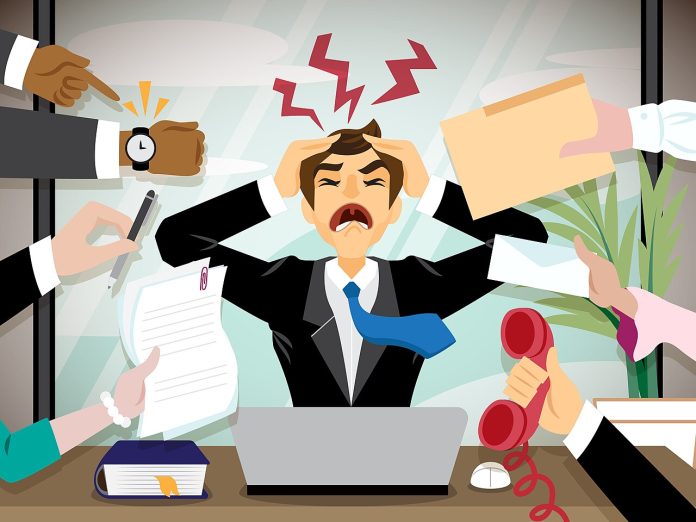
stressed man office work
Photo: CIPHR Connect (CC BY 2.0) via Wikimedia Commons

Stress is a normal, unavoidable part of life — but constant, unmanaged stress takes a real toll on your mood, sleep, relationships, and health. The good news is that you don’t need to eliminate every pressure to feel better. A handful of simple daily habits can lower stress in a real and lasting way. This guide covers practical, science-backed techniques to reduce stress that you can start using today.

Stress is your body’s response to demands and pressure. In short bursts it can actually be helpful, sharpening your focus and energy. The trouble starts when stress becomes chronic and never switches off, keeping your body in a constant state of alert. Managing stress is less about removing every challenge and more about helping your body recover between them.

1. Breathe with a longer exhale

Your breath is the fastest, most accessible tool you have for calming stress. Slow, deep breathing with an exhale longer than the inhale activates your body’s relaxation response, lowering your heart rate and easing tension. Even two minutes can settle a racing heart and a busy mind. Try breathing in for four seconds and out for six.

2. Move your body every day

Physical activity is one of the most effective stress reducers there is. It burns off stress hormones, releases mood-lifting chemicals, and gives your mind a break. It doesn’t have to be a workout — a brisk walk, a bike ride, stretching, or dancing in the kitchen all count. Regular movement builds resilience to stress over time.

3. Protect your sleep

Stress and sleep are tightly linked: stress wrecks sleep, and poor sleep makes you more reactive to stress. Breaking this cycle is powerful. Keep consistent sleep and wake times, wind down without screens, and give yourself enough hours. Better sleep makes everything else easier to handle.

4. Set boundaries and prioritise

A great deal of stress comes from taking on too much and trying to do everything at once. Decide what truly matters, tackle those things first, and get comfortable saying no to what doesn’t fit. Breaking big tasks into smaller steps also stops pressure from piling up into one overwhelming mass.

5. Stay connected and take real breaks

Talking with people you trust relieves stress, and so does genuinely stepping away from work to do something restorative. Short, real breaks throughout the day — not just scrolling your phone — prevent stress from building to a peak. Connection and downtime aren’t luxuries; they’re part of staying well.

Key point: You can’t remove every source of stress, but you can change how your body responds to it. The goal is to build in regular recovery so stress doesn’t accumulate unchecked.

6. Look after the basics

Some everyday habits quietly raise or lower your stress levels. Going easy on caffeine and alcohol, eating regular balanced meals, getting outside for daylight, and limiting constant screen and news exposure all help keep your baseline stress lower. Small adjustments here add up.

A 60-second reset

Feeling overwhelmed? Stop, take five slow breaths, deliberately unclench your jaw and drop your shoulders, and name one small thing you can do next. These mini-resets stop stress from snowballing through the day.

Build stress relief into your routine

The most effective stress management isn’t something you do only in a crisis — it’s woven into your daily life. Choose one or two techniques from this list and practise them regularly, even on good days. Like fitness, stress resilience builds with consistency, so that when bigger pressures arrive, you’re better equipped to handle them.

When stress is too much

If stress feels constant, affects your health, sleep, or relationships for weeks, or leaves you feeling overwhelmed, hopeless, or unable to cope, it’s worth talking to a healthcare professional. Ongoing stress can blend into anxiety, depression, or burnout, and support can help you get ahead of it before it takes a larger toll.

This is a sensitive topic. If you are struggling with your mental health, you don’t have to face it alone — reaching out to a healthcare professional or someone you trust can make a real difference. If you are in crisis or may be in danger, contact your local emergency services or a crisis helpline right away.

Frequently asked questions

What’s the fastest way to reduce stress in the moment?

Slow your breathing with a long exhale for one to two minutes. It quickly activates your body’s relaxation response.

Is all stress bad?

No. Short-term stress can boost focus and performance. The problem is chronic stress that never lets your body recover.

How long until stress-management habits help?

Some, like breathing, work immediately. Others, such as regular exercise and better sleep, build noticeable resilience over a few weeks.

Can stress affect my physical health?

Yes. Chronic stress is linked with poor sleep, high blood pressure, weakened immunity, and other effects, which is why managing it matters for your whole body.

What if my stress is caused by something I can’t change?

Focus on what you can control — your routines, boundaries, recovery, and support. For situations you can’t change, stress-coping skills and talking to someone help you carry them better.

The bottom line: You can’t avoid stress, but you can change how your body handles it. Slower breathing, daily movement, steady sleep, clear boundaries, and real connection are simple, proven tools. Build one or two into your routine and practise them consistently. If stress becomes constant or overwhelming, professional support can help you get ahead of it.

Related: If stress or worry is weighing on you, our Vena CBD review looks at its No Worries gummies and calming range.

Anxiety: Signs, Causes, and How to Manage It

Anxiety is one of the most common human experiences — almost everyone feels it at some point. In small doses it’s useful, sharpening your focus and keeping you safe. But when worry becomes constant and out of proportion, it can wear you down and start to interfere with daily life. The good news is that anxiety is highly manageable. This guide explains what anxiety is, how to recognise the signs, what causes it, and the practical, evidence-informed ways to manage it.

Anxiety is your body’s natural response to stress or perceived danger — the uneasy, on-edge feeling you get before something important. This response is normal and even helpful in the right context. It becomes a problem when it shows up frequently, feels far bigger than the situation calls for, or starts to disrupt your work, sleep, relationships, and enjoyment of life.

Common signs of anxiety

Anxiety affects both the mind and the body at the same time, and people experience it differently. The most common signs include:

  • persistent worry that’s hard to switch off
  • feeling restless, tense, or on edge
  • a racing heart, tight chest, or shallow breathing
  • trouble concentrating or a mind that goes blank
  • irritability
  • muscle tension, headaches, or an upset stomach
  • difficulty falling or staying asleep
  • avoiding situations that trigger worry

When several of these persist for weeks, feel hard to control, and interfere with daily life, it may point to an anxiety disorder rather than ordinary, passing stress.

The difference between everyday anxiety and an anxiety disorder

Everyday anxiety is temporary and tied to a specific situation — a job interview, an exam, a difficult conversation — and it eases once the situation passes. An anxiety disorder is more persistent and intense: the worry lingers even without a clear trigger, feels disproportionate, and gets in the way of normal living. Understanding this difference helps you know when self-help is enough and when it’s worth seeking support.

What causes anxiety?

Anxiety rarely has a single cause. It usually grows from a combination of factors:

  • Genetics and family history — anxiety can run in families
  • Brain chemistry and how your nervous system responds to stress
  • Ongoing stress at work, home, or in relationships
  • Past difficult or traumatic experiences
  • Certain health conditions or hormonal changes
  • Everyday drivers like too much caffeine, alcohol, or too little sleep

Knowing your personal triggers — the situations, substances, and habits that wind you up — is a powerful first step toward managing them.

How to manage anxiety day to day

You won’t eliminate anxiety completely, and that isn’t the goal. The aim is to lower its intensity and stop it from running your day. These approaches are well supported and easy to begin:

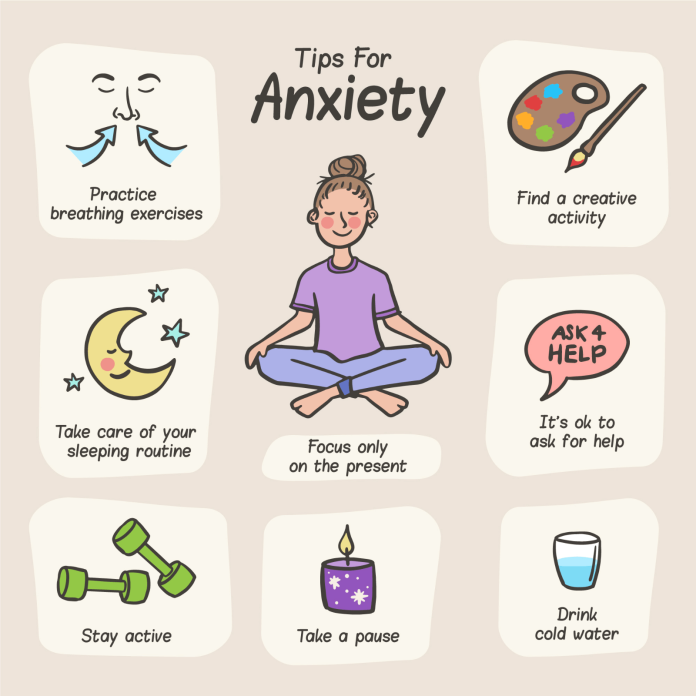
Slow your breathing

A few minutes of slow, deep breathing — with an exhale longer than the inhale — signals your nervous system that it’s safe to settle. It’s one of the fastest ways to calm anxiety in the moment.

Move your body

Regular physical activity is one of the most reliable ways to reduce anxious feelings. It burns off stress chemicals and releases mood-lifting ones. It doesn’t need to be intense — a brisk walk counts.

Look after the basics

  • protect your sleep, since anxiety and poor sleep feed each other
  • limit caffeine and alcohol, which can amplify anxiety
  • eat regular, balanced meals to keep energy and mood steady

Work with your thoughts

Anxiety thrives on ‘what if’ thinking. Naming worries, writing them down, and gently questioning whether they’re realistic can make them feel smaller and more manageable. Focusing on what you can control, and on the present moment, also helps.

Stay connected

Talking with someone you trust eases the load and reminds you that you’re not facing things alone. Isolation tends to make anxiety worse.

Try this now

Breathe in slowly for 4 seconds, hold for 4, and breathe out for 6. Repeat for two minutes. The longer exhale is what tells your body to relax — a simple tool you can use anywhere, anytime.

When to seek help

If anxiety is intense, lasts most days for weeks, or stops you from living the life you want, it’s worth talking to a healthcare professional. Effective treatments exist, including talk therapies such as cognitive behavioural therapy (CBT) and, in some cases, medication. Reaching out is a sign of strength, not weakness — and the earlier you do, the easier things tend to be.

This is a sensitive topic. If you are struggling with your mental health, you don’t have to face it alone — reaching out to a healthcare professional or someone you trust can make a real difference. If you are in crisis or may be in danger, contact your local emergency services or a crisis helpline right away.

Frequently asked questions

Is anxiety the same as stress?

They overlap but differ. Stress is usually tied to a specific external pressure and eases when it passes. Anxiety can linger even when there’s no clear threat.

Can lifestyle changes really reduce anxiety?

Yes. Better sleep, regular movement, less caffeine, and stress-management skills can meaningfully lower everyday anxiety, though more persistent anxiety may also benefit from professional support.

When does anxiety become a disorder?

When it’s frequent, feels out of proportion, is hard to control, and interferes with daily life over weeks or months, it may be an anxiety disorder worth assessing.

What’s the fastest way to calm anxiety in the moment?

Slow breathing with a longer exhale works quickly for many people, calming the nervous system within a couple of minutes.

Should I avoid the things that make me anxious?

Avoidance can ease anxiety briefly but often makes it stronger over time. Gradually facing manageable challenges, ideally with support, tends to help more.

The bottom line: Anxiety is common, understandable, and manageable. Small daily habits — slower breathing, regular movement, steady sleep, less caffeine, and staying connected — can loosen its grip. Learn your triggers and work gently with anxious thoughts. If anxiety persists or overwhelms you, professional help works, and seeking it early makes a real difference.

Related: Curious about adaptogens like ashwagandha? See our Goli review.

Understanding Low Libido: Causes and What Can Help

A loving couple enjoying quiet time together with a book and coffee on the sofa.

A change in libido — your level of interest in intimacy — is something almost everyone experiences at some point. Despite how common it is, low libido often causes worry, frustration, or self-doubt. The reassuring truth is that it usually has understandable causes, many of which are manageable. This article looks at what can affect libido and the practical steps and support that can help, in a calm and judgment-free way.

Libido naturally rises and falls over time, influenced by your body, mind, relationships, and life circumstances. There’s no single “normal” level — what matters is whether a change is bothering you or affecting your wellbeing or relationship. If it is, it’s worth understanding why.

Common causes of low libido

Libido is influenced by a wide range of factors, often working together:

  • Stress and fatigue — a busy, exhausted mind leaves little room for intimacy
  • Mental health — anxiety, depression, and low mood commonly affect desire
  • Relationship factors — tension, disconnection, or poor communication
  • Hormonal changes — including those related to ageing, pregnancy, or menopause
  • Physical health conditions and certain medications
  • Lifestyle factors — poor sleep, lack of exercise, excess alcohol, or smoking
  • Low self-esteem or body image concerns

Key point: Low libido is rarely about a single cause — it’s usually a mix of physical, emotional, and relationship factors. That’s also why a few changes can often make a real difference.

Lifestyle steps that can help

Because so much of libido is tied to your overall wellbeing, supporting your general health often helps:

  • Prioritise sleep — fatigue is one of the most common dampeners of desire
  • Manage stress — find ways to genuinely unwind and recover
  • Stay active — regular exercise supports mood, energy, and circulation
  • Look after your mental health — addressing anxiety or low mood often helps
  • Limit alcohol and avoid smoking
  • Nurture your relationship — connection and communication matter

The role of communication

If you’re in a relationship, talking openly with your partner about changes in desire can ease pressure and prevent misunderstandings. Low libido can be misread as rejection, so honest, gentle conversation helps both partners feel reassured and work through it as a team rather than in silence.

Be kind to yourself

A dip in libido isn’t a personal failing or a reflection of your worth. It’s a common, human experience influenced by many factors. Approaching it with patience and self-compassion — rather than pressure or shame — tends to help more than worrying.

When to see a doctor

It’s worth speaking to a healthcare professional if low libido is persistent, distressing, or affecting your relationship or wellbeing — especially if it appeared suddenly or alongside other symptoms. A doctor can check for underlying causes such as hormonal changes, health conditions, or medication side effects, and discuss options. There’s nothing embarrassing about raising it; it’s a common reason people seek advice.

Frequently asked questions

Is low libido normal?

Yes, very. Libido naturally fluctuates for everyone due to stress, health, relationships, hormones, and life circumstances. It only needs attention if it bothers you.

What causes a sudden drop in libido?

Common causes include stress, fatigue, mental health changes, relationship issues, hormonal shifts, health conditions, and certain medications — often in combination.

Can lifestyle changes improve libido?

Often, yes. Better sleep, stress management, exercise, and supporting your mental health can all help, since libido is closely tied to overall wellbeing.

Should I talk to my partner about it?

Yes. Open, gentle communication prevents misunderstanding, eases pressure, and helps you navigate changes together rather than in silence.

When should I see a doctor?

If low libido is persistent, distressing, sudden, or comes with other symptoms, a doctor can check for underlying causes and discuss helpful options.

The bottom line: A change in libido is common and usually has understandable causes — stress, fatigue, mental health, relationships, hormones, and lifestyle all play a part. Supporting your overall wellbeing, communicating openly, and being kind to yourself often helps. If it’s persistent or distressing, a doctor can help identify the cause and options. There’s no shame in seeking support.

Related: If you want to test discreetly at home, our Everlywell review covers at-home STI and hormone testing options.

Mindfulness and Meditation for Beginners

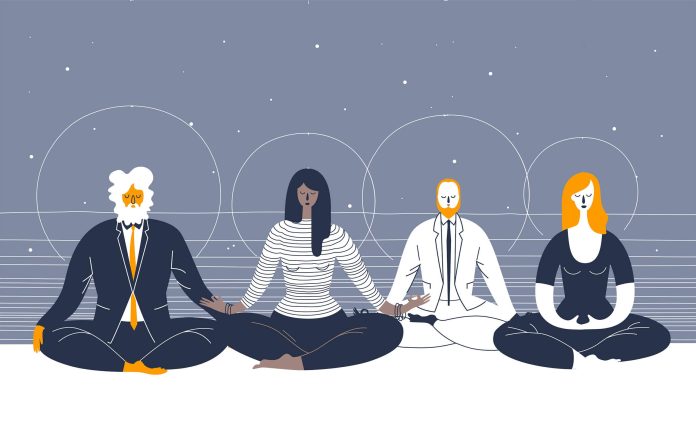
Mindfulness has gone from a niche idea to a mainstream wellness tool — and for good reason. It’s simple, free, requires no equipment, and you can start in just a few minutes a day. If you’re new to it, the concept can sound vague or intimidating, but the reality is refreshingly practical. This beginner’s guide explains what mindfulness really is, the benefits, common myths, and exactly how to begin a practice that lasts.

Mindfulness means paying attention to the present moment on purpose, without judging it. Meditation is one structured way to practise that skill. Crucially, you are not trying to empty your mind or stop thinking — that’s impossible, and chasing it only causes frustration. Instead, you’re learning to notice your thoughts and feelings without getting swept away by them.

Why practise mindfulness?

Regular mindfulness is linked with real, meaningful benefits for mental and emotional wellbeing:

  • lower stress and a calmer nervous system
  • less reactivity to anxious or negative thoughts
  • improved focus and attention
  • better emotional regulation
  • improved sleep
  • a greater sense of steadiness and presence day to day

These benefits build gradually with practice — think of it like training a muscle rather than flipping a switch. Consistency matters far more than intensity.

How to start in five minutes

You don’t need an app, a cushion, incense, or any special setup. Here’s a simple practice to begin with:

  1. Sit comfortably and let your shoulders drop.
  2. Close your eyes or soften your gaze toward the floor.
  3. Bring your attention to your breath — the feeling of air moving in and out.
  4. When your mind wanders (and it will, constantly), gently notice it and guide your attention back to the breath.
  5. Start with five minutes and build up over time as it feels natural.

Key point: Noticing that your mind has wandered and gently bringing it back is not failing at meditation — that returning is the actual practice. Every time you do it, you’re strengthening the skill.

Mindfulness without sitting still

Formal meditation is just one way in. You can practise mindfulness during everyday moments, which makes it easy to fit into a busy life:

  • really tasting and savouring your food or coffee
  • feeling your feet and breath while you walk
  • listening fully in a conversation without planning your reply
  • noticing the sensations of a routine task like washing dishes

These small moments of presence count just as much as sitting meditation, and they help you weave mindfulness naturally into your day.

Common beginner myths

Many people give up early because of misunderstandings. Let’s clear up the most common ones:

  • ‘I have to clear my mind.’ No — the goal is to notice thoughts, not eliminate them.
  • ‘I’m doing it wrong because I get distracted.’ Getting distracted and returning is the practice itself.
  • ‘I need long sessions.’ A few consistent minutes beat an occasional long one.
  • ‘It’s religious or mystical.’ Mindfulness can be entirely secular and practical.

Building a habit that lasts

The key to a lasting practice is making it easy and consistent. A few strategies help:

  • attach it to an existing habit — for example, right after brushing your teeth or before bed
  • keep it short enough that it feels easy and you’ll actually do it
  • be patient and let the benefits build over weeks
  • let go of perfectionism — a ‘messy’ session still counts

Start ridiculously small

If five minutes feels like too much, start with one. The goal at first isn’t depth — it’s building the daily habit. Once showing up is automatic, the length and benefits grow naturally.

What to expect over time

Some people feel calmer right away, while deeper benefits — like improved focus, less reactivity, and greater emotional steadiness — build over weeks of regular practice. You may have days when your mind feels especially busy, and that’s completely normal. The practice isn’t about achieving a perfectly calm state; it’s about changing your relationship with your thoughts so they have less power over you.

Frequently asked questions

How long should a beginner meditate?

Five minutes a day is a great start, and even one minute counts. Consistency matters far more than length, so build up only when it feels natural.

What if I can’t stop thinking?

That’s completely normal and expected. The goal isn’t to stop thoughts but to notice them and gently return your attention. That returning is the practice.

How soon will I feel benefits?

Some people feel calmer right away; deeper benefits like focus and resilience build over a few weeks of regular practice.

Do I need an app to meditate?

No. Apps can be helpful for guidance, but all you really need is a few quiet minutes and your attention. You can start with nothing at all.

Is mindfulness religious?

It has roots in various traditions, but it can be practised in a completely secular, practical way purely as a tool for wellbeing and focus.

The bottom line: Mindfulness is simply paying attention to the present, on purpose and without judgement. It costs nothing, takes only minutes, and grows stronger with practice. Start with a few minutes a day, expect your mind to wander, and gently begin again each time. That returning, repeated consistently, is all it takes to build the skill.

Related: Exploring CBD for calm and focus? Our Five CBD review breaks down full-spectrum options.

Superfoods: What They Are and Which Ones Are Worth It

A nutritious breakfast bowl featuring fresh berries and walnuts, served with sliced fruit and kiwi.

“Superfood” is one of the most popular words in nutrition — splashed across packaging and headlines promising remarkable health benefits. But what does it actually mean, and are these foods really worth the hype? Here’s an honest look at superfoods: what they are, which ones genuinely earn their reputation, and why no single food is magic.

First, an important truth: “superfood” is a marketing term, not a scientific category. It’s used to describe foods that are especially rich in nutrients — vitamins, minerals, antioxidants, fibre, or healthy fats. Many so-called superfoods genuinely are nutritious, but the label can also be used to sell expensive, exotic products that aren’t any better than everyday whole foods.

What makes a food “super”?

The foods that earn the title are typically nutrient-dense: they deliver a lot of beneficial nutrients relative to their calories. That can mean high levels of antioxidants, fibre, healthy fats, or particular vitamins and minerals. The key insight is that you don’t need rare or pricey products to get these benefits — many humble, affordable foods qualify.

Everyday superfoods worth eating

These nutritious foods are widely available and genuinely good for you:

  • Berries — rich in antioxidants, fibre, and vitamins
  • Leafy greens like spinach and kale — packed with vitamins and minerals
  • Oily fish such as salmon — high in healthy omega-3 fats
  • Nuts and seeds — healthy fats, protein, and fibre
  • Beans and lentils — fibre, protein, and nutrients
  • Whole grains like oats — fibre and steady energy
  • Plain yoghurt — protein and beneficial bacteria
  • Cruciferous vegetables like broccoli — fibre and protective compounds

Key point: The most powerful “superfoods” are often the cheapest and most ordinary — beans, oats, leafy greens, and berries beat expensive exotic powders for most people.

The catch: no single food is magic

Here’s the most important point. No individual food, however nutritious, can transform your health on its own. Eating a single “superfood” won’t undo an otherwise poor diet, and you don’t need any specific exotic product to be healthy. What truly matters is your overall pattern of eating — a varied diet rich in whole foods of all kinds.

How to use superfoods sensibly

  • Focus on variety, not a single hero food — different foods offer different nutrients
  • Choose affordable options — frozen berries, tinned beans, and seasonal vegetables count
  • Be sceptical of hype around pricey powders and supplements with bold claims
  • Build them into balanced meals rather than relying on them alone

Eat the rainbow

Instead of chasing one trendy superfood, aim for a colourful variety of fruits and vegetables. Different colours often signal different beneficial nutrients, so variety naturally covers your bases.

What about superfood supplements and powders?

Superfood powders, pills, and exotic imports are often expensive and over-hyped. While some can be convenient, they’re rarely necessary, and whole foods are almost always the better, more affordable choice — delivering nutrients in their natural, balanced form along with fibre. Save your money for plenty of real, varied whole foods.

Frequently asked questions

Are superfoods actually healthy?

Many foods called superfoods are genuinely nutritious. But “superfood” is a marketing term, and no single food is magic — overall variety matters most.

Do I need expensive exotic superfoods?

No. Affordable everyday foods like beans, oats, leafy greens, and berries are just as beneficial as pricey imported products.

Can one superfood improve my health?

Not on its own. Health comes from your overall pattern of eating, not any single food. Variety of whole foods is what counts.

Are superfood powders worth buying?

Usually not. They’re often expensive and over-hyped. Whole foods provide nutrients more affordably and in a balanced, natural form.

What’s the best superfood?

There isn’t one. A varied diet of many nutritious whole foods beats relying on any single “best” food.

The bottom line: “Superfood” is a marketing label, not magic. Plenty of foods deserve the praise — berries, leafy greens, oily fish, beans, nuts, and whole grains — but no single food transforms your health. Focus on a varied diet of affordable whole foods, eat the rainbow, and be sceptical of pricey powders making big promises.

Related: If you are curious about supplement gummies, our Goli review looks at its apple cider vinegar and wellness range.

34,610FollowersFollow

Must Read