


Sunday, July 12, 2026
Home Blog

Edens Herbals Review – (Verified) Coupon & Promo Codes

Transparency & Accuracy

Eden’s Herbals’ mission is to bring CBD to people with transparency and at low prices. They third-party test their raw CBD extract, but do not appear to test the final products for potency. When assessing the lab reports, it shows the THC is within acceptable limits and they are free from contaminants. The CBD potency for the isolate is over 99%. Currently, they are not BBB accredited but have a B+ rating.

Hemp Quality

Eden’s Herbals uses organically grown hemp from local USA farms in Colorado and Washington. Their CBD is extracted via CO2 to make both full-spectrum and isolate. All products are made in the USA.

Customer Experience

We reached out to customer service via their instant message box to ask where their farms were located and their extraction method and received a prompt response. All orders ship for free and they will return unopened products in 7 days.

Variety of Products

Eden’s Herbals has a decent product line including gummies, isolate and full spectrum tinctures, topicals, isolate powder, and dog biscuits. They do not have capsules or vape products at this time.

Price & Discounts

Eden’s Herbals has very competitive pricing. Their products are priced at around $0.02-$0.05 per mg of CBD, which is some of the lowest prices in the industry. Competitors are generally priced around $0.08 to $0.12 for averagely priced CBD companies. To learn more about how we compare prices for CBD, look at our pricing report.

What sets Eden’s Herbals apart from its competitors

Eden’s Herbals stands out for its competitive prices. Compared to other CBD brands, they have prices that are less than average. Plus they offer free shipping on all orders.

PROSCONS
Contaminant testing
Organic farming used
Competitive prices
No BBB accreditation
No third-party testing of each product batch
Little information about growing/manufacturing

About the Company

Eden’s Herbals is all about CBD’s positive effects from a scientific level. They strive to provide their customers with transparency and honesty about CBD and CBD products, as well as competitive prices. The company is co-owned by a father and son duo, Robert Panek and Robert Panek Jr. Their headquarters are located in Sanford, ME.

There is a comprehensive blog page that answers common questions about CBD, the growing process, and more. They also have a limited FAQ page and a page about cooking with CBD. To contact their care team, there is a chat box, phone number, email, and physical address.

As a part of our reputation check, we check BBB, FDA warnings, and more to see if there are any complaints or warnings about the brand. Currently, there are no FDA complaints about Eden’s Herbals. They are not currently BBB accredited but have a BBB rating of B+. There are a total of 3 complaints surrounding what appears to be miscommunications about pricing and shipping.

Eden’s Herbals third-party tests their raw CBD ingredient for potency and purity and posts all lab reports on their website. They do not test each batch of their product. The reports they have online show their CBD isolate is 99.34% CBD with 0.098% THC and free from solvents. The full-spectrum CBD contains 65.51% CBD and 0.234% THC and is free from mycotoxins, pesticides, heavy metals, solvents, and contaminants.

Manufacturing Process

Eden’s Herbals uses hemp from organically grown farms and partners with local, sustainable, family-owned farms in Washington and Colorado. There are no chemicals or pesticides used in the growing, or manufacturing process and all products are non-GMO. They use a CO2 extraction method that yields THC-free, broad-spectrum CBD, as well as full-spectrum THC which both contain synergistic cannabinoids such as CBC and CBN, as well as terpenes. The full-spectrum THC contains less than 0.3% THC. There is little information about the manufacturing process and where their facility is located, however, it is in the USA.

Eden’s third-party tests their CBD starting material. They do not appear to test each batch of products for potency and do not have batch numbers or QR codes on their products. It is unclear how to determine if the product you received contains the amount of CBD listed.

Edens Herbals Gummies Overview

The gummies from Eden’s Herbals come in 12 flavors (Pineapple, Cherry, Grapefruit, Strawberry, Melon, Orange, Blue Raspberry, Lime, Grape, Apple, Mango, Lemon). Each bag has 50 gummies and there are two potency options: 10mg/gummy or 20mg/gummy of CO2 extracted CBD. They also offer their sour apple gummies which contain 20 gummies and a total of 1200mg of CO2 extracted CBD. They do not indicate the type of CBD used. These gummies contain gelatin and are not suitable for vegans.

Edens Herbals Gummies Products

ProductCBD AmountPotencyPricePrice mg/CBD
CBD Gummies 1000mg1000 mg20 mg/unit$39.99$0.04
CBD Gummies 500mg500 mg10 mg/unit$29.99$0.06
CBD Gummies Eve’s Sour Apple | 1200 mg CBD1200 mg60 mg/unit$49.99$0.04

Edens Herbals Tinctures Overview

Eden’s Herbals offers CO2 extracted CBD tinctures in 1000mg, 2000mg, 3000mg, and 4000mg bottles. Each bottle is available in cinnamon or unflavored and is 30ml. There are both full-spectrum and isolate options. MCT is the carrier oil used.

Edens Herbals Tinctures Products

ProductCBD AmountPotencyPricePrice mg/CBD
CBD Oil Tincture 1000mg1000 mg33.33 mg/ml$39.99$0.04
CBD Oil Tincture 2000mg2000 mg66.67 mg/ml$59.99$0.03
CBD Oil Tincture 3000mg3000 mg100 mg/ml$79.99$0.03
CBD Oil Tincture 4000mg4000 mg133.33 mg/ml$94.99$0.02
CBD Oil Tincture Cinnamon 1000mg1000 mg33.33 mg/ml$39.99$0.04
CBD Oil Tincture Cinnamon 2000mg2000 mg66.67 mg/ml$59.99$0.03
CBD Oil Tincture Cinnamon 3000mg3000 mg100 mg/ml$79.99$0.03
Full Spectrum CBD Oil Tincture 1000mg1000 mg33.33 mg/ml$39.99$0.04
Full Spectrum CBD Oil Tincture 500mg500 mg16.67 mg/ml$29.99$0.06
Full Spectrum CBD Oil Tincture Cinnamon 1000mg1000 mg33.33 mg/ml$39.99$0.04
Full Spectrum CBD Oil Tincture Cinnamon 500mg500 mg16.67 mg/ml$29.99$0.06

Edens Herbals Topicals Overview

The topical options from Eden’s include body lotion and a salve stick. Each has 1000mg of CO2 extracted CBD and is THC-free. They are likely CBD isolate, although the website does not indicate this explicitly. The lotion is 4oz and the salve stick is 2oz.

Edens Herbals Topicals Products

ProductCBD AmountPotencyPricePrice mg/CBD
CBD Body Lotion 1000mg1000 mg8.33 mg/ml$34.99$0.03
CBD Salve Roll-on Stick 1000mg1000 mg16.67 mg/ml$34.99$0.03

Edens Herbals Isolate Overview

There is a 1g CBD isolate product from Eden’s Herbals. There is 1000mg of CO2 extracted CBD per container which is the only ingredient.

Edens Herbals Isolate Products

ProductCBD AmountPotencyPricePrice mg/CBD
CBD Isolate 1000mg1000 mg1000 mg/ml$19.99$0.02

Edens Herbals Dog Treats Overview

Eden’s Herbals offers CO2 extracted CBD dog treats in a 50 count bag. There is a total of 250mg of THC-free, CO2 extracted CBD along with Peanut Butter, Apples, Carrots, and Molasses.

Edens Herbals Dog Treats Products

ProductCBD AmountPotencyPricePrice mg/CBD
CBD Dog Treats 250mg250 mg5 mg/unit$29.99$0.12

Edens Herbals Supplements Overview

Eden’s Herbals offers non-CBD supplements including a multivitamin, vitamin D, immune support, and hemp seed capsules.

Products Reviewed

CBD Lotion review

Edens Herbals CBD Body Lotion 1000mg

We received the CBD lotion. It comes in a cardboard box with a plastic bottle inside. The product is 4oz and contains 1000mg of CO2 extracted CBD. They do not indicate which type of CBD, however the package indicates it is THC-free so it is either isolate or broad-spectrum. The ingredients include mineral oil, aloe vera, essential oils, coconut oil and a number of synthetic ingredients. The directions are to apply to sore muscles and joints. The cream is a medium to a thin consistency and has a light, fresh smell. It absorbs into the skin without leaving any residue.

There are no batch numbers or QR codes however the available reports are posted online. Lab reports are only for the CBD isolate raw material and not for the final product. The lab report shows the CBD isolate is 99.34% pure and free of THC and solvents. Unfortunately, this lab report does not indicate how much CBD is actually contained in the lotion.

Full-Spectrum CBD Oil review

Edens Herbals Full Spectrum CBD Oil Tincture 500mg
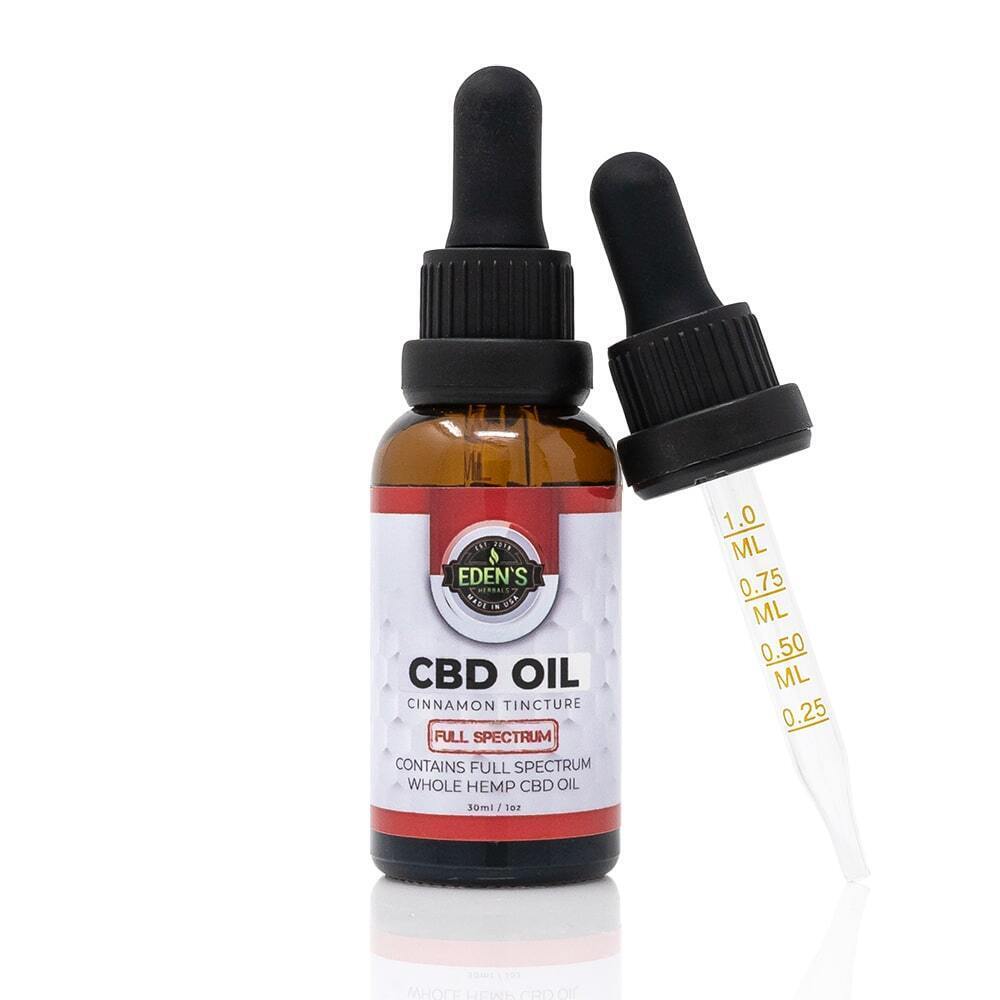
The full-spectrum CBD oil is packaged in a cardboard box with a glass bottle and dropper lid inside. The bottle is 1oz and contains 500mg of CO2 extracted CBD along with MCT oil. The directions are to place 1ml under your tongue and hold it for 60 seconds. The oil is a medium amber color and has a very light earthy smell and taste. There are no bitter undertones or aftertaste.

There are no batch numbers or QR codes however the available reports are posted online. Lab reports are only for the CBD raw material and not for the final product. The lab report shows the full-spectrum CBD contains 65.51% CBD and 0.234% THC and is free from mycotoxins, pesticides, heavy metals, solvents, and contaminants. The final CBD amount in this product was not confirmed via independent lab testing.

This product is well-suited for people looking for an unflavored, full-spectrum CBD tincture.

Gummy Bears review
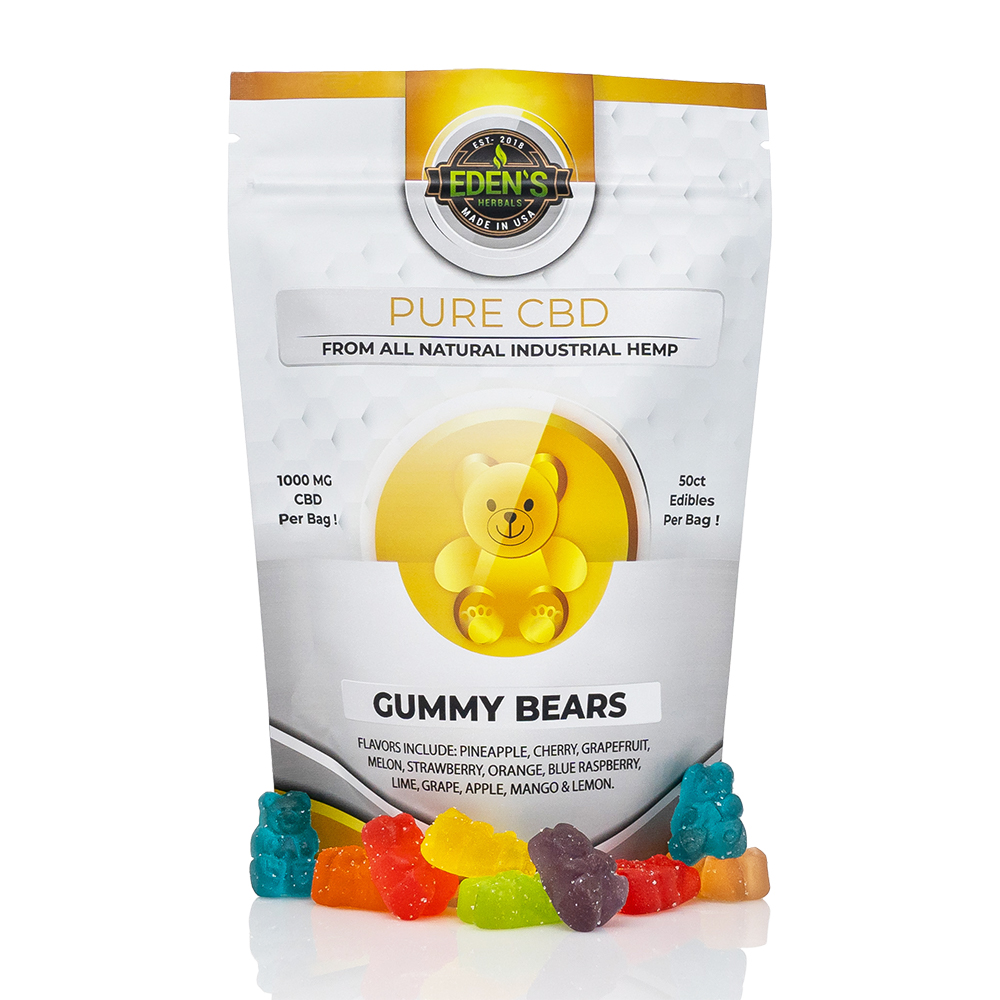
The gummy bears come in a plastic sleeve with a resealable top. There are a total of 50 gummies, each with 10mg of CO2 extracted CBD for a total of 500mg of CBD per container. The gummies are made with gelatin (not vegan-friendly), corn syrup, natural and artificial colors and flavors. There are no directions on the package, however, these are to be eaten. The gummies are of various colors and have a gummy bear shape. They are sweet and fruity in flavor with no bitter hemp undertones. Unfortunately, ours were melted together due to high outdoor temperatures during delivery.

There are no batch numbers or QR codes however the available reports are posted online. Lab reports are only for the CBD isolate raw material and not for the final product. The lab report shows the CBD isolate is 99.34% pure and free of THC and solvents. Unfortunately, this lab report does not indicate how much CBD is actually contained in these gummies.

These gummies are ideal for those who want a CBD isolate gummy that are various fruit flavors and do not require a vegan-friendly product.

Dog Biscuits review

Edens Herbals CBD Dog Treats 250mg
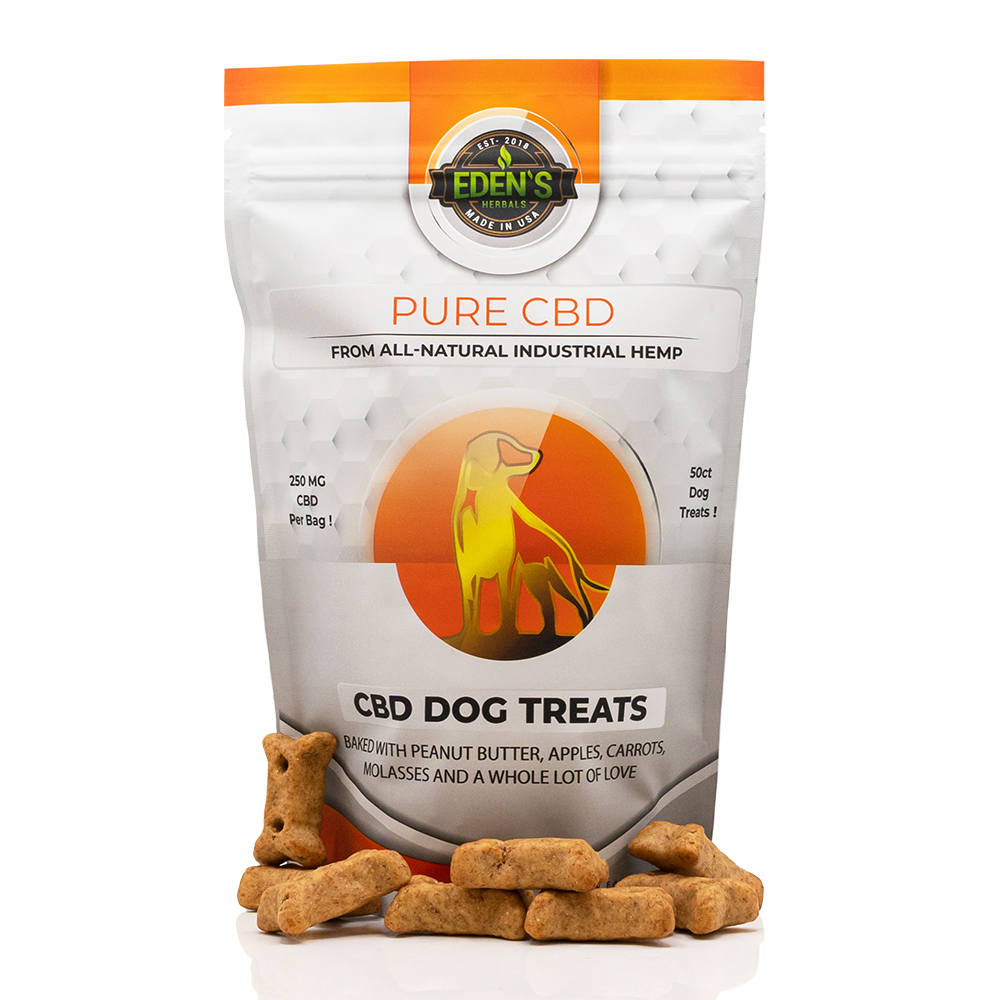
The dog biscuits come in a plastic sleeve with a resealable top. There are a total of 50 biscuits, each with 5mg of CO2 extracted CBD isolate for a total of 500mg of CBD per container. The biscuits are made with peanut butter, molasses, apples, and carrots. There are no dosing instructions on the package. The biscuits are small, hard and shaped like a bone. They have a mild molasses scent.

There are no batch numbers or QR codes however the available reports are posted online. Lab reports are only for the CBD isolate raw material and not for the final product. The lab report shows the CBD isolate is 99.34% pure and free of THC and solvents. Unfortunately, this lab report does not indicate how much CBD is actually contained in these dog biscuits.

These dog biscuits are ideal for those who want a CBD isolate dog treat that has simple, all-natural ingredients.

CBD Isolate review

Edens Herbals CBD Isolate 1000mg
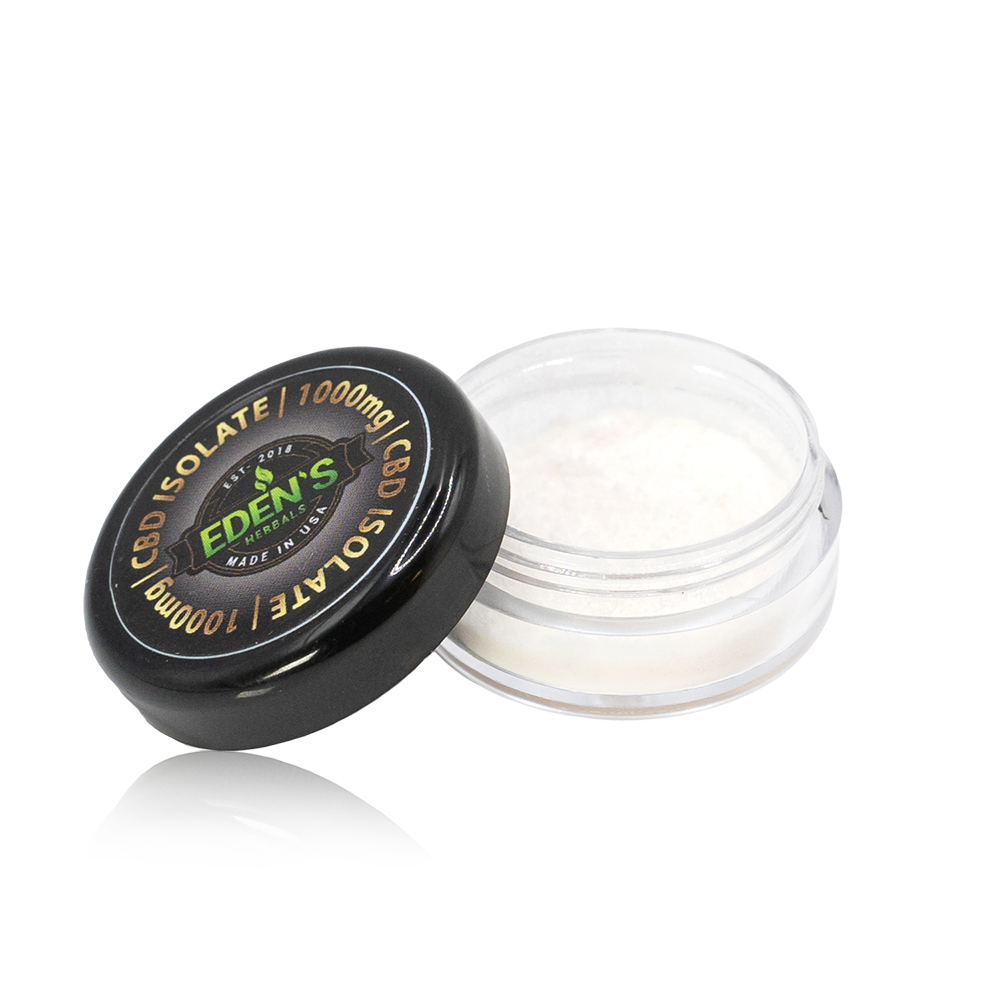
The CBD isolate comes in a small, plastic, pot with screw-top lid. There is 1g of CO2 extracted CBD isolate inside and there are no other ingredients. There are no directions for use listed on the product. However, CBD isolate is commonly added to drinks, food, or taken as a supplement. The isolate is a fine white powder with no smell or taste.

There are no batch numbers or QR codes however the available reports are posted online. Lab reports are only for the CBD isolate raw material and not for the final product. The lab report shows the CBD isolate is 99.34% pure and free of THC and solvents. Unfortunately, this lab report does not indicate how much CBD is actually contained in this product, but likely 993.4mg based on these results.


Sexual Health for Women: A Guide to Every Life Stage

Two adult women smiling together, representing womens health at every life stage
By Hannah Brooks · Updated July 12, 2026 · Fact-checked

A woman’s sexual and reproductive health is not a fixed thing. It shifts across a lifetime, shaped by hormones, life circumstances, relationships, and overall wellbeing. What matters at twenty is different from what matters at forty or sixty, and understanding those changes helps you take care of yourself with confidence rather than confusion. This is a broad, general guide to what tends to change at each stage and why regular care matters throughout.

Sexual Health Is More Than the Absence of Illness

Good sexual health means being able to approach your body and relationships with knowledge, comfort, and respect, free from coercion or shame. It includes physical health, but also emotional wellbeing, communication, and consent. Viewing it this way, as part of overall wellness rather than just a medical checklist, makes it easier to care for at every age.

The Younger Years: Foundations

Early adulthood is often when women establish the habits and knowledge that serve them for decades. This is a time to understand your own body and menstrual cycle, learn about contraception options if pregnancy is not desired, and understand how to protect against sexually transmitted infections. Establishing a relationship with a healthcare provider you trust, and feeling able to ask questions without embarrassment, sets the tone for a lifetime of good care.

The Reproductive Years

Through the twenties and thirties, common themes include contraception, family planning, and, for many, pregnancy and recovery afterward. Menstrual health is worth paying attention to as well: very heavy, extremely painful, or highly irregular periods are not something you simply have to endure, and they can sometimes signal conditions worth discussing with a professional. Regular checkups, including recommended cervical screening, are an important part of care during these years.

Perimenopause and the Transition

Often beginning in the forties, though timing varies widely, perimenopause is the gradual transition toward menopause. Hormone levels fluctuate, and periods may become irregular before eventually stopping. Many women notice changes such as shifts in mood, sleep, or libido, and physical changes like vaginal dryness. These experiences are common and normal, and a range of options exists to manage bothersome symptoms. Knowing what to expect makes the transition far less unsettling.

Menopause and Beyond

Menopause is marked when a woman has gone twelve months without a period. Lower estrogen levels can bring changes to vaginal tissue, comfort during sex, and bone and heart health, all of which deserve attention. Sexuality does not end here; many women continue to have satisfying intimate lives, sometimes freed from earlier concerns about contraception. Open conversations with a partner and a healthcare provider help address any discomfort so it does not stand in the way of intimacy.

Caring for Your Body at Every Stage

Some habits support sexual and overall health throughout life. They are simple, but their effects add up over the years.

  • Keep up with recommended screenings and checkups.
  • Stay physically active and eat a balanced diet.
  • Do not smoke, and keep alcohol moderate.
  • Manage stress, which affects hormones, mood, and desire.
  • Prioritize sleep, which influences energy and libido.
  • Address pain or discomfort during sex rather than ignoring it.

Communication and Emotional Health

Sexual wellbeing is deeply tied to emotional health and the quality of your relationships. Stress, anxiety, body image, and relationship dynamics all influence desire and satisfaction. Being able to talk openly with a partner about needs, comfort, and boundaries strengthens both intimacy and trust. There is no single “normal” when it comes to desire, and what matters is what feels right and comfortable for you.

When to Talk to a Professional

It is worth reaching out to a healthcare provider for persistent pain during sex, unusual bleeding, ongoing changes in desire that bother you, symptoms of infection, or any concern about reproductive health. These conversations can feel awkward, but providers have them every day, and getting answers is far better than worrying in silence. Regular preventive care, including recommended screenings, remains important at every age.

Frequently Asked Questions

How often should women have sexual health checkups? It depends on age, history, and risk factors. Cervical screening and other checks follow recommended schedules that your provider can explain, and STI testing is advisable when starting new relationships or if you have any concerns. A provider can tailor a schedule to your situation.

Is it normal for libido to change over time? Yes. Desire naturally fluctuates with hormones, life stage, stress, relationships, and health. Changes are common and not automatically a problem, but if a shift is distressing or persistent, a healthcare professional can help identify causes and options.

Does sexual health matter after menopause? Absolutely. Sexual health remains an important part of overall wellbeing after menopause. Physical changes can be managed, and many women maintain fulfilling intimate lives. Open communication and appropriate care make a real difference.

The Takeaway

Women’s sexual health evolves across a lifetime, and each stage brings its own questions and changes. Understanding what to expect, keeping up with preventive care, caring for your body and mind, and communicating openly all help you navigate those changes with confidence. This is a general guide rather than personal medical advice, so partner with a healthcare professional you trust to address your individual needs at any age.

This article is for general information only and is not medical advice. Talk with a qualified healthcare professional before making changes to your health, diet, exercise, or medication routine.

How to Eat Healthy on a Budget: Nutrition Without Overspending

Woman preparing an affordable healthy meal with fruits and vegetables
By Priya Nair · Updated July 12, 2026 · Fact-checked

Eating well is often framed as expensive, the domain of specialty stores and pricey superfoods. In reality, some of the most nutritious foods are among the cheapest, and healthy eating on a budget is largely a matter of strategy rather than spending. With a little planning, you can fill your plate with wholesome, satisfying food without stretching your wallet.

Plan Before You Shop

The single most powerful budget tool is a meal plan. Deciding what you will eat for the week before you shop prevents impulse buys, reduces food waste, and means you only purchase what you will actually use. Build your plan around a short grocery list and stick to it. A few minutes of planning saves money at the register and spares you the daily “what is for dinner” scramble that so often ends in takeout.

Lean on Cheap, Nutritious Staples

Some of the healthiest foods are also the most affordable. Building meals around these staples keeps costs down and nutrition up.

  • Dried or canned beans and lentils: inexpensive protein and fiber that fill you up.
  • Eggs: versatile, nutrient-dense, and cheap per serving.
  • Oats and brown rice: filling whole grains that cost very little.
  • Frozen vegetables and fruit: just as nutritious as fresh, with no spoilage pressure.
  • Canned fish: an affordable source of protein and healthy fats.
  • Seasonal produce: cheapest and best when it is in season locally.

Buy in Bulk (Wisely)

Staples that keep well, rice, oats, dried beans, pasta, are usually cheaper per serving when bought in larger quantities. Bulk buying only saves money if the food actually gets eaten, so reserve it for non-perishables and things you use regularly. For perishables, buy only what you will get through before it spoils, since wasted food is wasted money.

Cook at Home More Often

Restaurant meals and takeout cost several times more than the same food made at home. Cooking is the biggest lever you have over your food budget. You do not need to be a skilled cook, either. A handful of simple, repeatable meals, a pot of lentil soup, a stir-fry, eggs and vegetables, a big salad with beans, can carry you through the week cheaply and healthily. Batch cooking on a free afternoon makes weeknights effortless.

Make Frozen and Canned Your Friends

There is a myth that fresh is always best. Frozen fruits and vegetables are picked and frozen at peak ripeness, locking in nutrients, and they cost less while lasting far longer. Canned beans, tomatoes, and fish are pantry workhorses that turn into meals in minutes. Choosing options with less added salt and sugar where possible keeps them healthy. These foods make it realistic to eat vegetables and protein every day without frequent shopping trips.

Waste Less, Save More

The average household throws away a striking amount of food, which is money straight in the bin. Cutting waste is like giving yourself a discount. Store food properly, keep track of what needs using first, and get comfortable repurposing leftovers, last night’s roasted vegetables become today’s omelet or grain bowl. A “use it up” meal at the end of the week turns odds and ends into dinner instead of trash.

Shop Smart in the Store

A few habits at the store add up over time. Never shop hungry, since it drives impulse purchases. Compare unit prices rather than package prices to see what is truly cheaper. Check the lower and upper shelves, where less expensive options often sit, and be willing to buy store brands, which are frequently identical to name brands at a lower price. Watching for sales on staples you use and stocking up when they are discounted stretches your budget further.

Drink Water

Sugary drinks, juices, and specialty coffees quietly drain both your budget and your nutrition. Water is essentially free from the tap and is the best thing for your body. Making water your default drink is one of the simplest ways to save money and cut back on added sugar at the same time.

Frequently Asked Questions

Is healthy food really more expensive than junk food? Not necessarily. Highly processed snacks can seem cheap per package, but staples like beans, oats, eggs, rice, and frozen vegetables are very affordable per serving and far more nutritious. Cooking these at home usually costs less than buying processed convenience foods.

How can I eat enough protein on a budget? Beans, lentils, eggs, canned fish, and dairy or soy products are all budget-friendly protein sources. Buying larger cuts of meat on sale and freezing portions, or using meat as a smaller part of bean- and grain-based meals, also stretches your protein spending.

Are frozen vegetables as healthy as fresh? Yes. Frozen vegetables are typically frozen soon after harvest, which preserves their nutrients well. They are a convenient, affordable, and nutritious option, and they cut down on spoilage and waste.

The Takeaway

Healthy eating on a budget comes down to planning, cooking at home, and leaning on affordable staples like beans, grains, eggs, and frozen produce. Shop with a list, waste less, and let water be your default drink. Nutritious food does not require a big budget, just a bit of strategy, and the habits you build save money and support your health at the same time.

This article is for general information only and is not medical advice. Talk with a qualified healthcare professional before making changes to your health, diet, exercise, or medication routine.

How to Manage Social Anxiety: Ways to Feel More at Ease

Woman standing calmly alone in a crowd, coping with social anxiety
By Elena Hart · Updated July 12, 2026 · Fact-checked

Feeling nervous before a presentation or a first date is normal. Social anxiety is something more: a persistent fear of being judged, embarrassed, or scrutinized in everyday social situations, strong enough that it starts shaping the choices you make. It can turn ordinary moments, speaking up in a meeting, making small talk, eating in public, into sources of real dread. The good news is that social anxiety is highly manageable, and small, practical steps can make a meaningful difference over time.

What Social Anxiety Feels Like

Social anxiety shows up in the body and the mind at once. Physically, you might notice a racing heart, blushing, sweating, a shaky voice, or a knot in your stomach. Mentally, it often sounds like a running commentary of worry: everyone is watching, you’ll say something stupid, they can tell you’re nervous. Afterward comes the replay, picking apart everything you said. Recognizing these patterns is the first step, because naming what’s happening takes away some of its power.

Understand the Fear Behind It

At its core, social anxiety is usually a fear of negative judgment. The mind predicts rejection or embarrassment and reacts as if that outcome is certain and catastrophic. But these predictions are rarely accurate. Most people are far more focused on themselves than on scrutinizing you, and a moment that feels mortifying in your head is usually forgotten by others within minutes. Learning to question the fear, rather than accept it as fact, is central to managing it.

Challenge Anxious Thoughts

Anxious thinking tends to be distorted. It jumps to worst-case conclusions and treats guesses as certainties. You can push back gently by examining the thought instead of obeying it.

  • Ask what actual evidence supports the fear, and what contradicts it.
  • Consider what you’d tell a friend who had the same worry.
  • Ask whether it will matter in a week, a month, or a year.
  • Replace the catastrophic prediction with a more balanced one.

This isn’t about forcing false positivity. It’s about trading an exaggerated fear for a more realistic view.

Face Situations Gradually

Avoidance feels like relief in the moment, but it quietly makes anxiety stronger. Every time you dodge a feared situation, your brain learns that it was indeed dangerous. The way out is gradual exposure: facing social situations in small, manageable steps rather than all at once.

Build a ladder from least to most intimidating. You might start by asking a shop worker a question, then making a phone call, then speaking up once in a group, and work upward. Stay in each step long enough for the anxiety to ease, and repeat it until it feels routine before moving on. Progress compounds as your brain gathers evidence that you can handle it.

Calm Your Body in the Moment

When anxiety spikes, your nervous system shifts into a stress response. Simple techniques can help settle it.

  • Slow breathing: breathe out longer than you breathe in to signal safety to your body.
  • Grounding: notice five things you can see, four you can hear, and so on, to pull focus outward.
  • Relax your shoulders and jaw: physical tension feeds mental tension.

Practicing these when you’re calm makes them easier to use when you actually need them.

Shift Your Focus Outward

Social anxiety keeps attention locked inward, monitoring your own performance. That self-focus makes everything feel worse and, ironically, makes conversation harder. Deliberately turning your attention outward helps: really listen to what the other person is saying, get curious about them, and ask questions. Conversation becomes easier when it stops being a performance to grade and becomes a genuine exchange.

Take Care of the Basics

Anxiety is harder to manage when your body is depleted. Poor sleep, excess caffeine, and alcohol can all heighten anxious feelings. Regular physical activity is one of the most reliable ways to lower baseline anxiety, and steady sleep gives your nervous system room to recover. These foundations won’t erase social anxiety on their own, but they make every other strategy work better.

When to Seek Support

If social anxiety is interfering with work, relationships, or the life you want to live, professional support can help a great deal. Talk therapy, particularly cognitive behavioral therapy, has strong evidence for treating social anxiety, and a qualified professional can tailor an approach to you. Reaching out is a sign of strength, not weakness, and effective help is available.

Frequently Asked Questions

Is social anxiety the same as shyness? Not quite. Shyness is a personality trait and usually mild. Social anxiety is more intense and persistent, and it tends to interfere with daily functioning and the choices you make. Many shy people are perfectly comfortable in most situations, whereas social anxiety causes real distress.

Can social anxiety go away on its own? It can ease for some people, but avoidance often keeps it going or makes it worse. Actively practicing the skills above, gradually facing feared situations and challenging anxious thoughts, tends to produce lasting improvement more reliably than waiting it out.

Does avoiding social situations help? It helps in the short term but hurts in the long term. Avoidance reinforces the fear by preventing you from learning that you can cope. Facing situations gradually is what teaches your brain that they’re safe.

The Takeaway

Social anxiety is common, understandable, and very manageable. By recognizing your anxious patterns, questioning fearful predictions, facing situations step by step, and caring for your body, you can loosen anxiety’s grip over time. Progress is rarely instant, but each small act of courage builds on the last. And if it feels like too much to handle alone, reaching out for professional support is a smart, effective next step. This is a sensitive topic, and if anxiety is weighing heavily on you, a qualified professional can help you find the right support.

This article is for general information only and is not medical advice. Talk with a qualified healthcare professional before making changes to your health, diet, exercise, or medication routine.

Functional Fitness: How to Train for Everyday Movement

Person carrying grocery bags, an example of functional everyday strength
By Marcus Reyes · Updated July 12, 2026 · Fact-checked

You don’t train just to lift heavier weights or run faster times. For most people, the real goal of fitness is a body that handles daily life with ease: carrying groceries up the stairs, lifting a child, getting off the floor, reaching a high shelf without a twinge. That’s the idea behind functional fitness, training your body for the movements you actually do every day rather than isolated exercises that look impressive but transfer poorly to real life.

What Functional Fitness Really Means

Functional fitness focuses on movement patterns instead of individual muscles. Your body doesn’t work one muscle at a time in daily life. It moves in coordinated patterns, often using several muscle groups and joints together. Functional training mirrors that reality by building strength, balance, and mobility in ways that carry over to ordinary tasks. The payoff isn’t just a better-looking body. It’s a body that feels capable and resilient as you age.

The Core Movement Patterns

Almost everything you do physically falls into a handful of basic patterns. Train these and you cover the movements life demands.

  • Squat: sitting down and standing up, lowering to pick something up.
  • Hinge: bending at the hips to lift from the floor, like a deadlift motion.
  • Push: pressing objects away or up, like closing a heavy door or putting a box on a shelf.
  • Pull: drawing objects toward you, like opening a door or picking up a bag.
  • Carry: holding and moving a load, like hauling groceries or luggage.
  • Rotate: twisting through the torso, like turning to grab something behind you.

A well-rounded routine touches each of these rather than fixating on a single body part.

Why It Matters as You Age

Everyday abilities we take for granted, standing from a low chair, catching your balance, climbing stairs, depend on strength, coordination, and mobility that naturally decline without maintenance. Functional training helps preserve them. It supports better balance, which lowers the risk of falls, and it keeps joints moving through their full range. The aim is independence: being able to do the things you want to do, on your own, for as long as possible.

Simple Functional Exercises to Start With

You don’t need a gym full of machines. Some of the most effective functional exercises use just your body weight or a single weight.

  • Bodyweight squats: build leg strength for sitting, standing, and lifting.
  • Step-ups: mimic climbing stairs and build single-leg stability.
  • Farmer’s carries: hold a weight in each hand and walk, training grip, core, and posture.
  • Hip hinges: practice bending from the hips to protect your back when lifting.
  • Push-ups: develop upper-body pushing strength (do them on an incline if needed).
  • Get-ups: practice moving from the floor to standing, a skill that matters more with age.

Form Comes First

Functional training only works if you move well. Sloppy technique under load is how people get hurt. Master the pattern with light or no weight before adding resistance. Keep your movements controlled, brace your core, and stop a set when your form starts to break down rather than pushing to failure. Quality repetitions build a body that’s durable, not just strong.

Balance and Mobility Belong in the Plan

Strength is only part of the picture. Balance keeps you steady, and mobility lets your joints move freely. Simple additions make a big difference: standing on one leg while brushing your teeth, doing gentle hip and shoulder circles, or practicing controlled reaches. A few minutes of mobility work a day keeps stiffness from quietly limiting what your body can do.

How to Structure a Weekly Routine

You don’t need to train every day. Two to three sessions a week is enough to see real gains for most people. A balanced approach might pair a couple of full-body strength sessions with regular walking and a little daily mobility work. Rotate through the core movement patterns across your sessions so nothing gets neglected, and leave at least a day between hard strength workouts for recovery. Consistency over months, not intensity in a single week, is what builds a capable body.

Frequently Asked Questions

Is functional fitness better than traditional weightlifting? Neither is strictly better; they overlap. Traditional lifts like squats and deadlifts are highly functional. The key is training movements you use in life and progressing them safely, rather than only isolating single muscles for appearance.

Do I need special equipment? No. Your body weight, a pair of dumbbells or kettlebells, and a sturdy step cover most functional movements. Equipment can add variety and resistance, but it isn’t required to get started.

Can older adults do functional training? Yes, and they often benefit the most. Exercises can be scaled to any ability, from chair-supported squats to gentle balance drills. It’s wise to check with a healthcare professional before starting if you have health concerns or haven’t exercised in a while.

The Takeaway

Functional fitness trains your body for the life you actually live. By focusing on core movement patterns, prioritizing good form, and adding balance and mobility work, you build strength that shows up where it counts, in the everyday tasks that keep you active and independent. Start with simple bodyweight movements, stay consistent, and progress gradually. The reward is a body that feels ready for whatever the day asks of it.

This article is for general information only and is not medical advice. Talk with a qualified healthcare professional before making changes to your health, diet, exercise, or medication routine.

How to Set Realistic Weight-Loss Goals (and Actually Reach Them)

Woman writing weight-loss goals in a notebook at a desk
By Daniel Cole · Updated July 12, 2026 · Fact-checked

Most weight-loss attempts don’t fail because of a lack of effort. They fail because the goal was never realistic to begin with. When the target is too aggressive, too vague, or built entirely around a number on the scale, motivation fades the moment progress slows. Setting realistic weight-loss goals is less about lowering your ambitions and more about designing a plan your body and your life can actually sustain.

Why Realistic Goals Matter More Than Big Ones

A dramatic goal feels motivating for about a week. Then reality sets in. Extreme calorie cuts leave you hungry and irritable, rapid targets set you up to feel like a failure when the scale stalls, and all-or-nothing thinking makes one off day feel like a reason to quit. Realistic goals work because they keep you in the game long enough for results to compound. Sustainable weight loss is a slow process, and consistency over months matters far more than intensity over days.

Aim for a Sensible Rate of Loss

A widely accepted guideline is to aim for roughly 0.5 to 1 kilogram (about 1 to 2 pounds) per week. This pace is fast enough to feel meaningful but slow enough to protect muscle, energy, and your relationship with food. Losing faster than this usually means losing more water and lean tissue, which slows your metabolism and makes the weight easier to regain.

Reframe the timeline honestly. If you want to lose 10 kilograms, a realistic window is three to five months, not three weeks. Giving yourself enough time removes the pressure that pushes people toward crash diets.

Set Process Goals, Not Just Outcome Goals

An outcome goal is the end result: lose a certain amount of weight. A process goal is the behavior that gets you there. You can’t directly control the scale on any given day, but you can control your actions. Process goals put your focus where you actually have power.

  • Walk for 30 minutes, five days a week.
  • Eat a serving of vegetables at two meals a day.
  • Cook at home four nights a week.
  • Drink water instead of sugary drinks.

Hit these consistently and the outcome tends to follow. They also give you daily wins that keep motivation alive even when the scale is quiet.

Make Your Goals Specific and Measurable

“Eat healthier” is easy to ignore because there’s no clear finish line. “Add a vegetable to lunch and dinner” is specific, measurable, and easy to check off. Vague intentions leave too much room for negotiation with yourself. The more concrete the goal, the easier it is to know whether you actually did it and to build a streak you don’t want to break.

Track Progress Beyond the Scale

Body weight fluctuates daily because of water, sodium, hormones, and digestion. Judging yourself by one morning’s number is a recipe for frustration. Widen the lens and track other signals of progress that often move before the scale does.

  • How your clothes fit.
  • Waist measurement taken every couple of weeks.
  • Energy levels and sleep quality.
  • Strength and stamina during workouts.
  • Weekly average weight rather than daily readings.

These non-scale victories keep you motivated during the normal plateaus that every weight-loss journey includes.

Plan for Setbacks Before They Happen

Vacations, birthdays, stressful weeks, and holidays are not failures of willpower. They are part of life. A realistic plan expects them. Decide in advance how you’ll handle an off day: enjoy the meal, then return to your normal routine at the next one. The people who succeed aren’t the ones who never slip. They’re the ones who recover quickly instead of letting one indulgence turn into a lost month.

Build Habits That Outlast the Goal

The real target isn’t just reaching a number, it’s staying there. That means the changes you make should be ones you can picture keeping for years, not enduring for weeks. If a plan is so strict you can’t wait for it to end, it will end, and the weight usually comes back with it. Ask yourself whether you could eat and move this way indefinitely. If the answer is no, adjust toward something more livable.

Adjust as You Go

Your first plan is a starting point, not a contract. As you lose weight, your body needs slightly fewer calories, so progress naturally slows. This is normal, not a sign you’re doing something wrong. Revisit your goals every few weeks and tweak them based on what’s actually working. Flexibility is a feature of a good plan, not a weakness.

Frequently Asked Questions

How much weight is realistic to lose in a month? For most people, roughly 2 to 4 kilograms (about 4 to 8 pounds) per month is a sustainable and healthy range. Faster loss is sometimes possible early on, especially with more weight to lose, but slow and steady is easier to maintain.

Should I weigh myself every day? You can, but focus on the weekly average rather than daily numbers, which swing for reasons unrelated to fat loss. Some people find daily weighing helpful for awareness, while others find it stressful. Choose the approach that keeps you calm and consistent.

What if I stop losing weight even though I’m doing everything right? Plateaus are normal. As you get lighter your calorie needs drop, and your body adapts. Try adjusting portions slightly, adding activity, prioritizing protein and sleep, and being patient. If it persists for many weeks, a healthcare professional can help you troubleshoot.

The Takeaway

Realistic weight-loss goals are the ones that survive contact with real life. Aim for a steady pace, focus on the daily habits you can control, track more than just the scale, and expect setbacks as a normal part of the process. When your goals are specific, sustainable, and flexible, you stop relying on willpower and start relying on a system, and that’s what turns short-term effort into lasting results.

This article is for general information only and is not medical advice. Talk with a qualified healthcare professional before making changes to your health, diet, exercise, or medication routine.

Carbohydrates Explained: Good Carbs, Bad Carbs, and How Much You Need

Sliced whole grain bread on a surface, a source of healthy carbohydrates
By Priya Nair · Updated July 11, 2026 · Fact-checked

Few nutrients get as much bad press as carbohydrates. Low-carb diets, “no carbs after 6pm” rules, and endless debate have left a lot of people thinking carbs are something to avoid. The truth is more useful and more reassuring: carbohydrates are your body’s main source of energy, and the real question is not whether to eat them but which ones, and how much. Understanding good carbs, bad carbs, and how much you actually need makes healthy eating far simpler.

What Carbohydrates Actually Do

Carbohydrates are one of the three main macronutrients, alongside protein and fat. Your body breaks most of them down into glucose, which fuels your brain, muscles, and organs. Carbs are especially important for high-intensity activity and for brain function, which relies heavily on a steady supply of glucose. In other words, they are not an optional indulgence — they are a primary fuel. The goal is to choose forms that deliver that fuel along with fiber and nutrients, rather than empty calories.

Simple vs Complex Carbs

Carbohydrates come in two broad types. Simple carbs are made of one or two sugar units and are digested quickly, causing a faster rise in blood sugar. Complex carbs have longer chains and usually come packaged with fiber, so they digest more slowly and provide steadier energy. This distinction is useful, but it is not the whole story — an apple contains simple sugars yet is clearly a healthy food. What matters most is the overall package: fiber, nutrients, and how processed the food is.

What “Good Carbs” Look Like

Good carbohydrates are minimally processed and come with fiber, vitamins, and minerals still intact. They give lasting energy and support digestion and heart health. These include:

  • Whole grains like oats, brown rice, quinoa, and whole-wheat bread
  • Beans, lentils, and other legumes
  • Vegetables of all kinds
  • Whole fruits
  • Starchy foods like potatoes and sweet potatoes, especially with the skin

Built around these foods, carbohydrates are one of the healthiest parts of your diet, not something to fear.

What “Bad Carbs” Look Like

The carbs worth limiting are the refined and heavily processed ones, where the fiber and nutrients have been stripped away and often sugar added. These digest quickly, spike blood sugar, and leave you hungry again soon after. Common examples include sugary drinks and sodas, sweets and pastries, white bread and many packaged snacks, and sweetened breakfast cereals. It is not that a slice of cake will harm you, but making these the foundation of your diet crowds out better foods and is linked over time to weight gain and metabolic problems.

Why Fiber Is the Key Difference

If there is one thing that separates good carbs from bad, it is fiber. Fiber slows digestion, blunts blood sugar spikes, keeps you full, feeds healthy gut bacteria, and supports heart health. Refined carbs have had most of it removed. This is why whole fruit is better than fruit juice, and why whole-grain bread beats white. When you are judging a carbohydrate food, checking whether it still has its fiber is one of the most reliable shortcuts there is.

How Much Do You Actually Need?

Carbohydrates typically make up around 45 to 65 percent of daily calories in general guidance, though the right amount varies with your activity level, goals, and health. Very active people generally need more; those who are less active or managing certain conditions may do well with somewhat less. Rather than fixating on a precise number, most people benefit more from improving the quality of their carbs — shifting from refined to whole foods — than from drastically cutting the quantity.

Do Low-Carb Diets Work?

Low-carb diets can help some people lose weight and manage blood sugar, at least in the short term, partly because cutting carbs often means cutting a lot of processed food. But they are not magic, and they are not necessary for everyone. Cutting carbs too far can leave you low on energy and fiber, and the best diet is one you can maintain. For many people, focusing on carb quality is more practical and sustainable than eliminating an entire macronutrient. If you have diabetes or another condition, talk to a doctor before making big changes.

Simple Ways to Upgrade Your Carbs

You do not need a strict plan to eat carbs well. A few swaps go a long way: choose whole-grain versions of bread, rice, and pasta; reach for whole fruit instead of juice; build meals around vegetables and beans; and keep sugary drinks as an occasional treat rather than a daily habit. Small, consistent changes to the quality of your carbohydrates tend to matter more than any single dramatic diet.

Frequently Asked Questions

Are carbs bad for weight loss? No. Weight change comes down to overall calories and diet quality, not carbs alone. Choosing high-fiber, whole-food carbs that keep you full can actually support weight management.

Should I eat carbs at night? Timing matters far less than the total quality and quantity of your diet. There is no strong evidence that carbs eaten in the evening are inherently fattening.

What is the healthiest carb? There is no single winner, but high-fiber whole foods — vegetables, legumes, whole grains, and whole fruit — are consistently among the best choices.

The Takeaway

Carbohydrates are your body’s main fuel, not the enemy. The distinction that matters is quality: whole, fiber-rich carbs like vegetables, fruit, legumes, and whole grains support energy and health, while refined and sugary carbs are worth limiting. For most people, improving the type of carbs you eat beats obsessing over the amount. If you have a health condition that affects blood sugar, work with a healthcare professional to find what suits you.

This article is for general information only and is not medical advice. Talk with a qualified healthcare professional before making changes to your health, diet, exercise, or medication routine.

The Best Sleep Positions for Your Health

Woman sleeping peacefully on her side in bed, a healthy sleep position
By Daniel Cole · Updated July 11, 2026 · Fact-checked

You spend about a third of your life asleep, and the position you spend it in matters more than most people realize. The way you lie in bed can affect your breathing, your back and neck, heartburn, snoring, and even how rested you feel in the morning. There is no single perfect sleep position for everyone, but understanding the strengths and drawbacks of each can help you sleep more comfortably and wake up with fewer aches. Here is what to know about the best sleep positions for your health.

Side Sleeping: The Most Popular for Good Reason

Sleeping on your side is the most common position, and it has real advantages. It tends to keep the airway open, which can reduce snoring and is often recommended for people with sleep apnea. It can also ease acid reflux, particularly when you lie on your left side. For pregnant women, side sleeping — especially on the left — is usually advised to support healthy circulation.

The main downsides are pressure on the shoulder and hip you are lying on, and the risk of neck strain if your pillow does not support your head well. A pillow that keeps your neck level with your spine, and a pillow between your knees, can solve most of these issues.

Back Sleeping: Good for Alignment, Not for Everyone

Lying on your back keeps your head, neck, and spine in a naturally neutral line, which can help prevent aches when your mattress and pillow give the right support. It also distributes weight evenly and keeps your face off the pillow, which some people prefer.

The catch is breathing. Back sleeping can worsen snoring and sleep apnea because the tongue and soft tissue are more likely to fall back and narrow the airway. If you snore heavily or have been told you stop breathing at night, back sleeping may not be your best option — talk to a doctor about it.

Stomach Sleeping: The Least Recommended

Sleeping on your stomach can reduce snoring, but it comes with the most trade-offs. It flattens the natural curve of your spine and forces your neck to turn to one side for hours, which often leads to neck and back pain over time. If stomach sleeping is the only way you feel comfortable, a very thin pillow or no pillow under your head, plus a flat pillow under your pelvis, can reduce the strain on your spine.

Matching Your Position to Your Health

The best position often depends on what you are dealing with:

  • Snoring or sleep apnea: side sleeping usually helps; back sleeping often makes it worse
  • Acid reflux or heartburn: try your left side, and avoid lying flat right after eating
  • Back or neck pain: back or side sleeping with good support tends to be gentler than stomach sleeping
  • Pregnancy: side sleeping, ideally on the left, is generally recommended
  • Shoulder pain: avoid sleeping on the painful shoulder

These are general patterns, not rules. Comfort and staying asleep matter too, so use them as a starting point.

Your Pillow and Mattress Do Half the Work

Even the best position falls apart on the wrong setup. The goal is to keep your head, neck, and spine in a relatively straight line. Side sleepers usually need a firmer, thicker pillow to fill the gap between the head and shoulder. Back sleepers need a thinner pillow that supports the neck without pushing the head forward. Stomach sleepers need almost no pillow at all. A mattress that is neither sagging nor overly hard supports healthy alignment in any position.

Can You Actually Change How You Sleep?

You cannot fully control your position once you are asleep, but you can nudge it. Start in the position you want and use pillows to make it comfortable and hard to roll out of. Some people place a pillow behind their back to discourage rolling flat, or a body pillow to encourage side sleeping. It takes time and repetition to shift a lifelong habit, so be patient. Comfort ultimately wins — if a “better” position keeps you awake, the sleep you lose may cost more than the position gains.

When Position Isn’t the Real Problem

If you wake up unrefreshed, in pain, or gasping despite trying different positions, the issue may be something else — an unsupportive mattress, an underlying sleep disorder, or a health condition. Loud snoring, pauses in breathing, morning headaches, or persistent daytime sleepiness are reasons to see a doctor. Adjusting your position is a helpful tool, but it is not a substitute for treating a real sleep problem.

Frequently Asked Questions

What is the healthiest sleep position overall? For most people, side sleeping offers the best balance of benefits, especially for breathing and reflux. Back sleeping is good for spinal alignment if you do not snore. The best position is one that keeps you comfortable and your spine supported.

Is sleeping on your stomach really that bad? It is the hardest on your neck and back because of the twist and flattened spine. If you sleep this way, use minimal pillows to reduce the strain.

Does sleep position help with snoring? Yes. Sleeping on your side often reduces snoring, while lying on your back tends to make it worse. Heavy snoring still warrants a medical check.

The Takeaway

There is no universal best sleep position, but side sleeping suits the most people, back sleeping supports spinal alignment for those who do not snore, and stomach sleeping asks the most of your neck and back. Match your position to any issues you have, back it up with the right pillow and mattress, and prioritize comfort so you actually stay asleep. If pain or breathing problems persist no matter how you lie, see a doctor.

This article is for general information only and is not medical advice. Talk with a qualified healthcare professional before making changes to your health, diet, exercise, or medication routine.

How to Manage Anger: Healthy Ways to Cope With Frustration

Person sitting calmly with eyes closed, breathing slowly to manage anger and stress
By Hannah Brooks · Updated July 11, 2026 · Fact-checked

Anger is one of the most misunderstood emotions. It gets treated as something shameful or dangerous, when in fact it is a normal, healthy signal that something feels wrong, unfair, or threatening. The problem is not anger itself — it is what we do with it. Learning how to manage anger means feeling it without letting it control your words, your relationships, or your health. With a few practical skills, you can respond to frustration in ways that leave you calmer and more in control rather than saying or doing things you regret.

Why We Get Angry

Anger usually shows up when we feel blocked, disrespected, or under threat. Underneath it, there is often another feeling — hurt, fear, embarrassment, or exhaustion. Your body reacts fast: your heart rate climbs, muscles tense, and stress hormones surge, preparing you to fight or defend yourself. This response is automatic and ancient. Recognizing that anger is a signal, not a character flaw, is the first step toward handling it well.

Notice Your Early Warning Signs

Anger rarely goes from zero to explosion without warning. There are usually physical and mental cues along the way: a clenched jaw, a tight chest, a racing heart, shallow breathing, or thoughts that start to spiral. The earlier you catch these signs, the more choices you have. Once anger fully takes over, logic gets harder to reach. Start paying attention to what your body does in the first moments of frustration so you can step in before it peaks.

Buy Yourself Time

The oldest advice about anger — pause before you react — endures because it works. In the heat of the moment, a short delay gives your nervous system a chance to settle and your thinking brain a chance to catch up. Try a few concrete tactics:

  • Take several slow, deep breaths, making the exhale longer than the inhale
  • Count to ten, or higher, before responding
  • Step away from the situation for a few minutes if you can
  • Delay a heated reply — you can always respond later with a clearer head

None of this means suppressing what you feel. It means creating enough space to choose your response instead of firing off the first one.

Move Your Body

Anger is physical, so a physical outlet helps. When you feel it building, a brisk walk, some stretching, or any movement can burn off the surge of stress chemicals and clear your head. Over the longer term, regular exercise lowers your baseline stress and makes you less quick to flare up in the first place. Movement will not solve the underlying problem, but it makes you better able to deal with it calmly.

Change the Way You Talk to Yourself

Much of anger’s intensity comes from the story we tell ourselves in the moment — “This always happens to me,” “They did that on purpose,” “This is unbearable.” These thoughts pour fuel on the fire. Try to challenge them. Is there another explanation for what happened? Is this genuinely a catastrophe, or just frustrating? Swapping absolute words like “always” and “never” for more accurate ones can take the edge off. This is not about pretending everything is fine; it is about seeing the situation clearly rather than through the distortion of anger.

Express It Without Attacking

Managing anger does not mean bottling it up. Unspoken anger tends to leak out as resentment or come out sideways. The goal is to express it in a way that is honest but not hurtful. A useful approach is to speak from your own experience — “I feel frustrated when this happens” — rather than blaming or labeling the other person. Being direct and calm about what you need is far more effective than shouting, and it keeps the conversation from turning into a fight.

Address the Roots, Not Just the Moments

If you find yourself angry often, it is worth looking at what is feeding it. Poor sleep, ongoing stress, hunger, chronic pain, or unresolved problems all lower your threshold. So does holding on to grudges. Taking care of the basics — rest, movement, downtime — and tackling recurring sources of frustration directly can lower how often anger shows up at all. Sometimes the most effective anger management happens well before the moment of anger.

When to Seek Extra Support

Anger becomes a problem when it is frequent, intense, or leads to actions that hurt you or others — damaged relationships, trouble at work, regret, or any physical aggression. If that sounds familiar, talking to a mental health professional is a sign of strength, not weakness. Therapy can teach tailored skills and help uncover what is driving the anger. If you ever feel you might harm yourself or someone else, seek help right away.

Frequently Asked Questions

Is it bad to feel angry? No. Anger is a normal and even useful emotion that alerts you to problems. What matters is how you express and manage it.

Does counting to ten really work? For many people, yes. A brief pause lets the initial surge of stress settle so you can respond thoughtfully instead of reacting on impulse.

How do I know if my anger is a real problem? If it is frequent or intense, harms your relationships or work, leads to regret, or ever involves aggression, it is worth talking with a professional.

The Takeaway

Anger is not the enemy — unmanaged anger is. By noticing your early warning signs, buying yourself time, moving your body, questioning your inner story, and expressing yourself without attacking, you can handle frustration in a way that protects your relationships and your wellbeing. Look after the basics that keep your temper in check, and reach out for professional support if anger is doing more harm than you can manage on your own.

This is a sensitive topic. If anger is tied to deeper distress or you are struggling with your mental health, consider reaching out to a qualified professional or someone you trust for support.

This article is for general information only and is not medical advice. Talk with a qualified healthcare professional before making changes to your health, diet, exercise, or medication routine.

How Hormones Affect Your Sex Drive and Sexual Health

Happy couple embracing together in the bedroom, healthy intimacy and sexual wellbeing
By Elena Hart · Updated July 11, 2026 · Fact-checked

Sexual desire is often treated as something that should be constant and automatic. In reality, your sex drive rises and falls, and one of the biggest reasons is your hormones. These chemical messengers influence arousal, mood, energy, and how your body responds to intimacy — for both men and women. Understanding how hormones affect your sex drive can take some of the anxiety out of the normal ups and downs, and help you notice when a change might be worth looking into.

What Hormones Have to Do With Desire

Hormones are signals your body uses to regulate everything from sleep to stress to reproduction. Several play a direct role in sexual health. Testosterone is a key driver of libido in both sexes, though men produce far more of it. Estrogen supports arousal and comfort during sex, especially for women. Other hormones — including progesterone, oxytocin, cortisol, and thyroid hormones — shape desire, connection, and physical response in less obvious but meaningful ways.

Testosterone: Not Just a Male Hormone

Testosterone gets most of the attention in conversations about libido, and for good reason. In men, it supports desire, erections, and energy, and levels naturally decline gradually with age. In women, testosterone is present in smaller amounts but still contributes to sexual interest. When levels drop meaningfully, some people notice lower desire, fatigue, or changes in mood. That said, testosterone is only one piece of the picture, and a low number on a lab test does not automatically explain a lower sex drive.

Estrogen, Progesterone, and the Menstrual Cycle

For women, estrogen and progesterone shift across the menstrual cycle, and desire often shifts with them. Many women notice higher interest around ovulation, when estrogen peaks. Estrogen also keeps vaginal tissue healthy and lubricated, which affects comfort. During and after menopause, falling estrogen can lead to dryness and lower desire for some women — a common, treatable change rather than something to simply accept.

Stress Hormones Work Against You

Cortisol, the body’s main stress hormone, is one of the most powerful libido dampeners there is. When you are under chronic stress, your body prioritizes dealing with the perceived threat over reproduction, and desire often takes a back seat. High cortisol can also suppress testosterone. This is why periods of heavy work pressure, poor sleep, or emotional strain so often coincide with a quieter sex drive. Managing stress is not a side issue for sexual health — it is central to it.

Oxytocin and the Role of Connection

Not every hormone that matters for intimacy is about raw desire. Oxytocin, sometimes called the bonding hormone, is released during physical closeness and orgasm, and it supports feelings of trust and attachment. This is a reminder that sexual health is emotional as well as physical. Feeling safe and connected with a partner can do as much for desire as any single hormone level.

Everyday Habits That Support Healthy Hormones

You have more influence over your hormones than you might think. Several everyday habits help keep them in a healthy range:

  • Prioritize sleep — much of your testosterone is produced during deep sleep
  • Stay physically active, including some strength training
  • Manage stress with tools like exercise, breathing, or time outdoors
  • Eat a balanced diet with enough protein and healthy fats
  • Keep alcohol moderate and avoid smoking
  • Maintain a weight that is healthy for you, since excess body fat can shift hormone balance

None of these is a quick fix, but together they create the conditions for a healthier libido over time.

When a Change in Desire Is Worth Checking

A fluctuating sex drive is normal. A persistent, unexplained drop that bothers you — or comes with other symptoms like fatigue, mood changes, erectile difficulties, or vaginal dryness — is worth discussing with a doctor. Hormonal issues are one possible cause among several, including medications, relationship stress, depression, and other health conditions. A professional can help sort out what is going on rather than leaving you to guess, and many causes are treatable once identified.

Frequently Asked Questions

Does low testosterone always mean a low sex drive? Not necessarily. Desire is influenced by many factors — mood, stress, relationships, sleep, and health. Some people with lower testosterone have a normal libido, and vice versa. A doctor can help interpret symptoms alongside any test results.

Can stress really lower my sex drive? Yes. Chronic stress raises cortisol, which can suppress desire and reduce testosterone. Reducing stress often helps restore libido over time.

Are hormone changes in libido permanent? Usually not. Many shifts are temporary and tied to stress, sleep, or life stage. Age-related changes are gradual, and several causes of low desire can be treated once identified.

The Takeaway

Your sex drive is shaped by a mix of hormones — testosterone, estrogen, cortisol, oxytocin, and others — that respond to sleep, stress, diet, and connection. Fluctuations are a normal part of being human, not a sign that something is broken. Supporting your hormones with steady, healthy habits helps, and a persistent or troubling change in desire is a good reason to talk with a healthcare professional who can look at the full picture.

This article is for general information only and is not medical advice. Talk with a qualified healthcare professional before making changes to your health, diet, exercise, or medication routine.

Men’s Digestive Health: How to Support a Healthy Gut

Man eating a healthy rice bowl, supporting good digestion and gut health
By Marcus Reyes · Updated July 11, 2026 · Fact-checked

Digestive health rarely gets much attention until something feels off — bloating after a big meal, irregular bathroom habits, or heartburn that keeps coming back. For a lot of men, the gut is easy to ignore right up until it starts making noise. But your digestive system does far more than break down food. It shapes your energy, supports your immune defenses, affects your mood, and determines how well your body actually absorbs the nutrients you eat. Paying attention to men’s digestive health is one of the most practical things you can do for how you feel day to day, and most of it comes down to habits you already have some control over.

Why Gut Health Matters More Than You Think

The gut is home to trillions of bacteria, collectively called the gut microbiome. These microbes help you digest fiber, produce certain vitamins, and keep the lining of your intestines healthy. A large share of your immune system also lives in and around the gut, which is part of why digestion and overall health are so closely linked. When your gut is working well, you tend to have steadier energy and fewer stomach complaints. When it is out of balance, you may notice bloating, discomfort, or changes in how regular you are.

Signs Your Digestion Could Use Attention

Occasional bloating or an off day is normal. Persistent patterns are worth noticing. Common signs your digestive system may need some care include frequent gas or bloating, heartburn or acid reflux several times a week, constipation or loose stools that keep recurring, feeling overly full or sluggish after ordinary meals, or unexplained fatigue that tracks with what you eat.

None of these on their own means something is wrong, but a cluster of them over weeks is a signal to look at your habits — and, if they persist, to talk with a doctor.

Eat More Fiber and a Wider Variety of Plants

Fiber is the single most underrated tool for digestive health, and most men fall short of the roughly 30 to 38 grams a day that is often recommended. Fiber adds bulk to stool, keeps you regular, and feeds the beneficial bacteria in your gut.

Aim to build meals around a mix of plant foods:

  • Whole grains like oats, brown rice, and whole-wheat bread
  • Beans, lentils, and chickpeas
  • Vegetables of different colors, ideally at every meal
  • Fruit with the skin on, such as apples, pears, and berries
  • Nuts and seeds as snacks

Variety matters as much as quantity. A wider range of plants tends to support a more diverse microbiome. If you are not used to much fiber, increase it gradually and drink more water so your system can adjust without extra gas.

Feed the Good Bacteria

Beyond fiber, fermented foods can add beneficial microbes and support a balanced gut. Yogurt with live cultures, kefir, sauerkraut, kimchi, and miso are easy additions to a normal diet. You do not need large amounts — a serving most days is a reasonable target. Whole fermented foods are generally a more practical starting point than jumping straight to supplements, which vary widely in quality and are not necessary for most people.

Don’t Underestimate Hydration and Meal Timing

Water keeps things moving. Fiber works best when there is enough fluid in your system, so aim to drink consistently through the day rather than all at once. How you eat also matters. Eating quickly and swallowing air can worsen bloating, so slow down and chew properly. Very large, heavy meals late at night are a common trigger for reflux; giving yourself a few hours between your last meal and bed can make a real difference for heartburn.

Manage Stress, Because Your Gut Is Listening

The gut and brain are in constant communication, which is why stress can show up as stomach trouble. Ongoing pressure can speed up or slow down digestion and make symptoms like cramping or reflux worse. Regular physical activity, decent sleep, and simple stress tools like slow breathing or a daily walk all support digestion indirectly. Exercise in particular helps keep your bowels regular and eases bloating for many people.

Watch Alcohol, Smoking, and Late Nights

Alcohol irritates the stomach lining and relaxes the valve that keeps acid down, which is why heavy drinking so often brings heartburn and discomfort. Smoking is linked to reflux and a range of digestive problems. Cutting back on both, and protecting your sleep, removes some of the most common irritants and gives your gut a better environment to work in.

When to See a Doctor

Lifestyle habits handle a lot, but some symptoms deserve prompt medical attention. See a healthcare professional if you notice blood in your stool, ongoing or severe abdominal pain, unexplained weight loss, difficulty swallowing, or a lasting change in bowel habits. These can have many causes, but they should always be checked rather than waited out. Routine screening for colon cancer is also recommended for most men starting around age 45, so ask your doctor when you are due.

Frequently Asked Questions

Do I need probiotic supplements for a healthy gut? Most men do not. A varied, fiber-rich diet with some fermented foods supports the microbiome well. Supplements may help in specific situations, but talk to a doctor rather than assuming you need one.

How long does it take to improve digestion? Some changes, like better hydration and more fiber, can ease bloating and regularity within a week or two. Building a more resilient gut is a longer, ongoing process tied to consistent habits.

Is bloating always a problem? No. Occasional bloating after a large or high-fiber meal is normal. Frequent, painful, or worsening bloating is worth discussing with a doctor.

The Takeaway

Good digestive health is built on unglamorous basics: plenty of fiber from varied plants, some fermented foods, steady hydration, movement, managed stress, and moderation with alcohol and late meals. These habits support not just your gut but your energy and overall wellbeing. Pay attention to persistent symptoms, keep up with recommended screenings, and see a doctor when something feels off rather than pushing through it.

This article is for general information only and is not medical advice. Talk with a qualified healthcare professional before making changes to your health, diet, exercise, or medication routine.
34,610FollowersFollow

Must Read