
Monday, July 13, 2026
Home Blog Page 2

How to Build Muscle: A Beginner’s Guide to Strength and Size

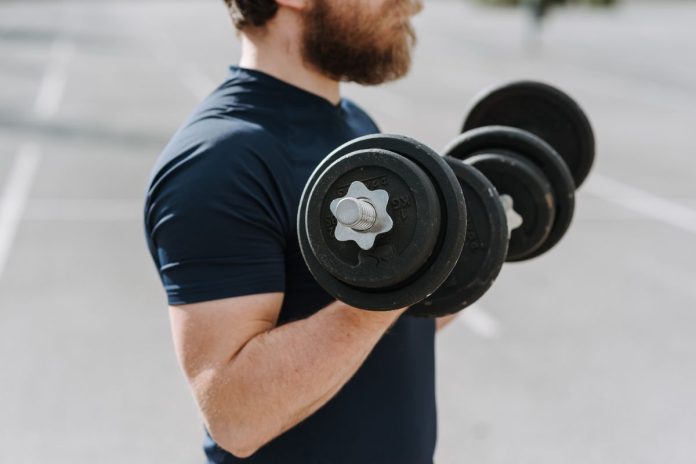
Man exercising with dumbbells to build muscle
By Marcus Reyes · Updated July 10, 2026 · Fact-checked

Building muscle is not just about looking strong. More muscle helps you move well, protects your joints, supports your metabolism, and keeps you capable and independent as you age. If you are new to strength training, the process can seem intimidating, but the fundamentals are simple. This beginner’s guide walks through how muscle grows and how to build it, whether you train at a gym or at home.

How muscle actually grows

Muscle grows through a process called hypertrophy. When you challenge a muscle with resistance, you create tiny stresses in its fibers. Your body responds by repairing those fibers and building them back slightly bigger and stronger, so they can handle the load next time. This is why muscle is built during recovery, not during the workout itself. Three ingredients drive the process: challenging your muscles enough to prompt adaptation, giving them the protein they need to rebuild, and allowing enough rest for repair to happen.

Focus on progressive overload

The single most important principle in building muscle is progressive overload, which simply means gradually asking your muscles to do more over time. If you lift the same weight for the same reps forever, your body has no reason to keep adapting. You can progress by adding a little weight, doing an extra rep or two, adding a set, or improving your control and range of motion. Small, steady increases are what signal your body to keep growing.

Prioritize compound exercises

Beginners get the best results from compound movements, which work several muscle groups at once. These give you the most strength and muscle for your time and build a solid foundation. A simple, effective routine can be built around a handful of movement patterns:

  • Squats and lunges for the legs and glutes
  • Pushing movements like push-ups or a chest press
  • Pulling movements like rows or pull-downs
  • A hinge movement like a deadlift or hip hinge for the back of the body

You can perform these with dumbbells, machines, resistance bands, or just your body weight. Isolation exercises, such as bicep curls, have their place, but they are best added after the big lifts.

How often and how much to train

For beginners, training each major muscle group two to three times per week produces strong results. That might look like two or three full-body sessions, with a day of rest in between. A common starting point is three to four sets of about 8 to 12 repetitions per exercise, using a weight that feels challenging by the last few reps but still allows good form. You do not need marathon workouts; 30 to 45 focused minutes is plenty when you are starting out.

Eat enough protein and calories

You cannot build muscle out of nothing. Your body needs enough overall energy and, crucially, enough protein to repair and grow tissue. A common guideline is roughly 1.6 to 2.2 grams of protein per kilogram of body weight per day, spread across meals. Good sources include eggs, poultry, fish, dairy, beans, lentils, and tofu. If you are trying to gain muscle, you generally need to eat at least enough calories to support growth rather than being in a steep deficit.

Rest and recovery are part of the plan

Muscle is built between workouts, so recovery is not optional. Give each muscle group at least a day before training it hard again, and prioritize sleep, since much of your body’s repair and hormone production happens overnight. Aim for seven to nine hours a night. Overtraining without adequate rest can stall your progress and increase your risk of injury. If you feel constantly exhausted or sore, that is a sign to add more recovery.

Be patient and consistent

Muscle growth is a slow, steady process. Beginners often notice strength gains within a few weeks as their nervous system adapts, while visible size changes usually take a couple of months of consistent training. The people who succeed are not the ones with the most intense single workouts, but the ones who show up regularly for months. Track your workouts so you can see your lifts improving, which is both motivating and proof that your plan is working.

Frequently asked questions

Can I build muscle at home without a gym? Yes. Bodyweight exercises, resistance bands, and a set of adjustable dumbbells can build real muscle, especially for beginners, as long as you apply progressive overload.

How long until I see results? Expect noticeable strength gains in a few weeks and visible muscle changes in roughly two to three months of consistent training and adequate nutrition.

Do I need supplements to build muscle? No. Whole foods with enough protein and calories are the foundation. Supplements like protein powder can be convenient but are not required.

The takeaway

Building muscle comes down to a few reliable principles: challenge your muscles with resistance, add a little more over time, eat enough protein and overall food, and give your body rest to recover. Focus on compound exercises, train each muscle group a few times a week, and stay consistent. Progress may be gradual, but with patience the results, in strength, health, and confidence, are well worth it.


This article is for general information only and is not medical advice. Talk with a qualified healthcare professional before making changes to your health, diet, exercise, or medication routine.

Healthy Fats vs Unhealthy Fats: What to Eat and What to Limit

Avocado toast on a plate, a source of healthy fats
By Priya Nair · Updated July 10, 2026 · Fact-checked

For decades, fat was treated as the enemy of a healthy diet, and low-fat products lined every grocery shelf. We now understand the picture is far more nuanced. Fat is an essential nutrient, and the type of fat you eat matters much more than the total amount. Some fats protect your heart and help your body absorb nutrients, while others, eaten in excess, work against you. Here is a clear guide to healthy fats versus unhealthy fats, and how to build them into your meals.

Why your body needs fat

Fat is not just a source of energy. Your body uses it to build cell membranes, produce hormones, protect organs, and absorb fat-soluble vitamins like A, D, E, and K. Fat also helps meals taste satisfying and keeps you full longer. Cutting fat too aggressively can leave you hungry and lead you to load up on refined carbohydrates instead. The goal is not to avoid fat but to choose the right kinds.

Unsaturated fats: the ones to favor

Unsaturated fats are generally considered the healthiest, and most people benefit from making them the main source of fat in their diet. They come in two forms. Monounsaturated fats are found in olive oil, avocados, and many nuts. Polyunsaturated fats include omega-3 and omega-6 fatty acids, found in fatty fish, walnuts, flaxseed, and sunflower oil. Omega-3s in particular are linked to heart and brain health, and because your body cannot make them, you need to get them from food.

Good sources to work into your week include:

  • Olive oil and other plant oils used for cooking and dressings
  • Avocados
  • Nuts and seeds, such as almonds, walnuts, chia, and flax
  • Fatty fish like salmon, sardines, and mackerel

Saturated fat: fine in moderation

Saturated fat, found in red meat, butter, cheese, and many baked goods, sits in the middle. It is not something to fear in small amounts, but most health organizations recommend limiting it because diets high in saturated fat can raise LDL, the so-called “bad” cholesterol, in many people. A practical approach is to enjoy these foods in reasonable portions while making unsaturated fats your everyday default. Swapping butter for olive oil or choosing fish and beans in place of some red meat are simple, effective changes.

Trans fats: the ones to avoid

Artificial trans fats are the clearest villains in the fat story. Created by adding hydrogen to liquid oils to make them solid, they were once common in fried foods, margarine, and packaged baked goods. They raise bad cholesterol while lowering good cholesterol, a double blow to heart health. Many countries have restricted or banned artificial trans fats, but it is still worth scanning ingredient lists for “partially hydrogenated oils” and avoiding products that contain them.

How to read labels for fats

Nutrition labels can help you make better choices once you know what to look for. Check the breakdown of fat types rather than just the total. Aim for products where most of the fat is unsaturated, keep an eye on saturated fat, and avoid anything listing partially hydrogenated oils. Remember that “low-fat” does not automatically mean healthy, since many low-fat products replace the fat with added sugar to preserve flavor.

Balance matters more than extremes

Because fat is calorie-dense, portion size still counts even for healthy fats. A drizzle of olive oil and a handful of nuts are nourishing; an unlimited amount adds up quickly. The aim is balance: include healthy fats at most meals, keep saturated fat moderate, avoid trans fats, and pay attention to overall portions. This flexible approach is far easier to sustain than any rigid rule.

Frequently asked questions

Are all fats bad for weight loss? No. Healthy fats can actually support weight management by keeping you full and satisfied. What matters is your overall calorie balance and the quality of the fats you choose.

Is butter or olive oil better? Olive oil is rich in heart-healthy monounsaturated fat and is a better everyday choice, though butter is fine in moderation.

Do I need to take fish oil supplements? Many people can get enough omega-3s by eating fatty fish a couple of times a week. Talk with a healthcare professional before starting supplements.

The takeaway

Fat is not the enemy; the type of fat is what counts. Make unsaturated fats from foods like olive oil, avocados, nuts, and fish the foundation of your diet, keep saturated fat moderate, and steer clear of artificial trans fats. Combine that with sensible portions, and you can enjoy fat as the flavorful, essential nutrient it is, all while supporting your heart and overall health.

This article is for general information only and is not medical advice. Talk with a qualified healthcare professional before making changes to your health, diet, exercise, or medication routine.

How to Stop Negative Self-Talk: Ways to Reframe Your Inner Voice

Thoughtful woman sitting by a window, reflecting on negative self-talk
By Elena Hart · Updated July 10, 2026 · Fact-checked

We all have an inner voice that comments on our lives, but for many people that voice turns harsh. It calls you a failure after a mistake, predicts the worst before you have even tried, and replays your worst moments on a loop. This is negative self-talk, and left unchecked it can chip away at your confidence and mood. The encouraging news is that your inner voice is a habit, and habits can change. Here is how to recognize negative self-talk and gently reframe it.

What negative self-talk sounds like

Negative self-talk is the running internal commentary that is critical, pessimistic, or unkind. It often shows up in recognizable patterns. You might catch yourself in all-or-nothing thinking, where anything less than perfect feels like total failure. You might overgeneralize, turning one setback into “this always happens to me.” Other common patterns include catastrophizing, or assuming the worst outcome, and mind reading, or believing you know that others are judging you. Naming these patterns is the first step toward loosening their grip.

Why it matters for your mental health

The way you talk to yourself shapes how you feel and act. A steady stream of self-criticism can fuel anxiety, low mood, and stress, and it can hold you back from opportunities because you have already told yourself you will fail. Over time, harsh self-talk can become a self-fulfilling prophecy. Softening that inner voice is not about empty positivity; it is about giving yourself a fairer, more accurate hearing.

Notice the voice without judgment

You cannot change a pattern you do not notice. Start by simply becoming aware of your self-talk, especially during stressful moments. It can help to imagine the critical voice as a separate commentator rather than the truth. When you catch a harsh thought, try labeling it: “I’m having the thought that I’m not good enough.” That small bit of distance reminds you that a thought is not a fact.

Question the thought

Once you notice a negative thought, put it on trial instead of accepting it automatically. A few questions help:

  • Is this actually true, or does it just feel true right now?
  • What is the evidence for and against it?
  • Would I say this to a good friend in the same situation?
  • Is there another way to look at this?

Most harsh thoughts do not hold up well to honest questioning. This process, drawn from cognitive behavioral therapy, weakens the automatic belief that your inner critic is right.

Reframe, do not just suppress

Trying to force a negative thought away often makes it louder. A better approach is to replace it with something more balanced and realistic. The goal is not to swing to fake cheerfulness, which your mind will reject, but to find a fairer version. “I completely failed” can become “That did not go how I wanted, and I can learn from it.” “Everyone thinks I’m awkward” can become “I felt uncomfortable, but I do not actually know what others were thinking.” Balanced reframes are believable, and that is what makes them stick.

Practice self-compassion

One of the most powerful antidotes to negative self-talk is treating yourself with the same kindness you would offer a friend. When you notice you are struggling, try acknowledging it plainly: “This is hard right now.” Remind yourself that making mistakes and feeling doubt are part of being human, not proof that you are uniquely flawed. Speaking to yourself gently is not self-indulgent; research links self-compassion to greater resilience and lower anxiety.

Everyday habits that quiet the critic

Beyond in-the-moment techniques, some daily habits make a supportive inner voice easier to maintain:

  • Keep a short journal to spot recurring thought patterns and track more balanced responses.
  • Watch what you consume, since constant comparison online can feed self-criticism.
  • Notice small wins each day rather than only cataloguing shortcomings.
  • Spend time with people who speak to you, and about themselves, with kindness.

Frequently asked questions

Is negative self-talk normal? Yes, nearly everyone experiences it sometimes. It becomes a problem when it is frequent, harsh, and starts affecting your mood, confidence, or choices.

How long does it take to change? Reframing is a skill that strengthens with practice. Many people notice a shift within a few weeks of consistently catching and questioning their thoughts, though deeper patterns take longer.

When should I get professional help? If negative self-talk is persistent and tied to ongoing anxiety, hopelessness, or depression, a mental health professional can help. Therapies like CBT are specifically designed to address these patterns.

The takeaway

Your inner voice is not fixed. By noticing negative self-talk, questioning whether it is true, reframing it into something fairer, and practicing self-compassion, you can gradually change the way you speak to yourself. It takes practice, not perfection. Over time, a kinder inner voice can make you more resilient, more confident, and more at ease in your own mind.

This is a sensitive topic. If you are struggling with your mental health, know that support is available and reaching out to a professional or someone you trust is a sign of strength.

This article is for general information only and is not medical advice. Talk with a qualified healthcare professional before making changes to your health, diet, exercise, or medication routine.

How to Lose Belly Fat: What Actually Works

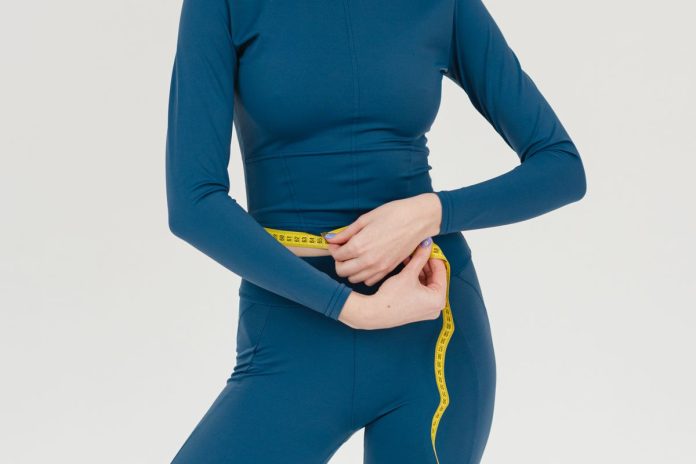
Woman measuring her waist with a tape measure to track belly fat loss
By Daniel Cole · Updated July 10, 2026 · Fact-checked

Belly fat is one of the most common frustrations for people trying to get healthier, and it is also one of the most misunderstood. There is no exercise or food that melts fat from your midsection alone, and no supplement that targets your waistline. What actually works is a steady set of habits that lower your overall body fat and support your metabolism. Here is a practical look at how to lose belly fat in a way you can sustain.

Why belly fat matters

Not all fat is the same. The soft fat just under the skin is called subcutaneous fat. Deeper in the abdomen sits visceral fat, which wraps around your organs and is more strongly linked to health risks such as type 2 diabetes and heart disease. The good news is that visceral fat tends to respond well to lifestyle changes, often shrinking earlier than fat in other areas once you become more active and eat better.

You cannot spot-reduce fat

Doing hundreds of crunches will strengthen your abdominal muscles, but it will not burn the fat sitting on top of them. Your body draws energy from fat stores all over, not just the area you are exercising. Losing belly fat comes from creating a modest, consistent calorie deficit so your body taps into its fat reserves, combined with habits that favor the loss of visceral fat specifically.

Focus on whole, protein-rich foods

What you eat matters more than any single workout. A few priorities make the biggest difference:

  • Build meals around protein, such as eggs, fish, poultry, beans, and yogurt, which keeps you full and helps preserve muscle as you lose weight.
  • Fill half your plate with vegetables and fruit for fiber and volume with fewer calories.
  • Choose whole grains over refined ones, and swap sugary drinks for water, sparkling water, or unsweetened tea.
  • Limit ultra-processed snacks and added sugar, which are easy to overeat and often drive belly fat gain.

You do not need a restrictive diet. Small, repeatable swaps that lower your overall calorie intake tend to work better than dramatic plans you cannot maintain.

Move more, and add strength training

Regular activity helps you burn energy and improves how your body handles blood sugar. Aim for at least 150 minutes of moderate movement each week, such as brisk walking, cycling, or swimming. Just as important is strength training two or more times a week. Building muscle raises the number of calories you burn at rest and helps you keep lean tissue while losing fat, which is what gives your body a firmer shape as the fat comes off.

Prioritize sleep and manage stress

Two overlooked factors have a real effect on belly fat. Poor sleep disrupts the hormones that control hunger and fullness, making you more likely to overeat and crave high-calorie foods. Chronic stress raises cortisol, which is associated with more fat storage around the abdomen. Getting seven to nine hours of sleep and finding regular ways to decompress, whether that is walking, breathing exercises, or time with friends, supports every other effort you make.

Watch alcohol and liquid calories

Alcohol delivers a lot of calories with little nutrition, and the phrase “beer belly” exists for a reason. Sugary sodas, sweetened coffees, and even large amounts of juice can quietly add hundreds of calories a day without filling you up. Cutting back on these is one of the simplest, highest-impact changes many people can make.

Be patient and track the right things

Fat loss is rarely fast, and your midsection is often the last place to change. Instead of fixating on the scale, notice how your clothes fit, your energy levels, and your strength. A realistic goal is losing about 0.5 to 1 percent of your body weight per week. Slow, steady progress is far more likely to stay off than rapid loss from an extreme approach.

Frequently asked questions

What is the fastest way to lose belly fat? There is no safe shortcut. A steady calorie deficit through better food choices, more movement, strength training, and good sleep is the approach that actually works and lasts.

Do ab exercises burn belly fat? No. They strengthen the muscles underneath but do not remove the fat on top. Whole-body activity and diet are what reduce fat.

Why is belly fat so hard to lose? Genetics, hormones, age, sleep, and stress all play a role, and the abdomen is often where the body holds fat longest. Consistency over time is the key.

The takeaway

Losing belly fat is not about a secret food, gadget, or endless crunches. It comes from the same durable habits that improve overall health: eating mostly whole, protein-rich foods, moving regularly, building muscle, sleeping well, and keeping stress in check. Focus on progress you can maintain, give it time, and your waistline will follow the rest of your body.

This article is for general information only and is not medical advice. Talk with a qualified healthcare professional before making changes to your health, diet, exercise, or medication routine.

How Exercise Affects Your Sleep (and the Best Time to Work Out)

Woman jogging outdoors in the morning, showing how exercise improves sleep
By Hannah Brooks · Updated July 10, 2026 · Fact-checked

If you have ever noticed that you sleep more deeply after an active day, you have felt one of exercise’s most reliable benefits. Physical activity is one of the few habits proven to help you fall asleep faster, sleep more soundly, and wake up feeling more refreshed. Understanding how exercise affects your sleep, and when to time your workouts, can help you get the most rest from every session.

How exercise improves your sleep

Regular physical activity influences sleep through several pathways. It helps regulate your circadian rhythm, the internal clock that tells your body when to feel alert and when to wind down. It also reduces levels of stress hormones like cortisol and eases the physical tension that can keep you lying awake. Exercise raises your core body temperature, and the gradual cooldown afterward mimics the natural temperature drop that signals your brain it is time to sleep.

Over time, active people tend to spend more time in deep, slow-wave sleep, the restorative stage that repairs muscle and consolidates memory. Many also report falling asleep faster and waking less often during the night.

The types of exercise that help most

You do not need to train like an athlete to sleep better. Moderate aerobic activity, such as brisk walking, cycling, or swimming, has the strongest research support for improving sleep quality. Strength training also helps, and some studies suggest it can be especially useful for people who struggle to stay asleep. Gentle, mind-body practices like yoga and stretching lower stress and can be a calming part of an evening routine.

The best exercise is ultimately the one you will do consistently. A daily walk you actually enjoy will help your sleep far more than an intense program you abandon after a week.

When is the best time to work out?

Morning exercise has a particular advantage for sleep. Working out earlier in the day, especially outdoors, exposes you to natural light that anchors your circadian rhythm and helps you feel sleepy at a sensible hour. Morning movement also tends to be easier to protect from the interruptions that pile up later in the day.

Afternoon workouts have benefits too. Body temperature and muscle function peak in the late afternoon, so you may feel stronger and perform better then, and the post-exercise cooldown lines up nicely with the evening wind-down.

Are evening workouts a problem?

For years people were told to avoid exercising at night, but the picture is more nuanced. For most people, moderate evening exercise does not harm sleep and may even improve it. The main caution is vigorous, high-intensity training in the hour or two before bed, which can leave your heart rate elevated and your body too keyed up to settle down.

If evening is the only time you can exercise, it is far better to work out than to skip it. Just aim to finish intense sessions at least 60 to 90 minutes before bed, and pay attention to how your own body responds.

How much exercise you need for better sleep

General guidelines recommend at least 150 minutes of moderate aerobic activity per week, which works out to about 30 minutes on most days. Sleep benefits often appear well before you hit that target, and even short bouts of movement add up. Consistency matters more than any single hard workout; the effects of exercise on sleep tend to build over weeks rather than appearing overnight.

When exercise can backfire on sleep

More is not always better. Overtraining, without enough recovery, can raise stress hormones and disrupt sleep rather than improve it. Signs you may be pushing too hard include restless nights, a persistently elevated resting heart rate, low energy, and nagging soreness. Late-night stimulants also matter: pre-workout supplements and caffeine taken to power through an evening session can linger in your system and keep you awake.

Building a sleep-friendly exercise routine

A few simple habits help exercise and sleep reinforce each other:

  • Aim for some movement most days, even a short walk, rather than one exhausting weekly session.
  • Get outside for daylight early in the day to strengthen your body clock.
  • Keep vigorous workouts earlier when possible, and save gentle stretching or yoga for the evening.
  • Skip caffeine and stimulant pre-workouts in the late afternoon and evening.
  • Give your body rest days to recover, which protects both your training and your sleep.

Frequently asked questions

Will one workout help me sleep better tonight? Possibly, as a single session can ease tension and help some people fall asleep faster, but the biggest gains come from exercising consistently over time.

Is it bad to exercise right before bed? Gentle activity is usually fine, but intense workouts close to bedtime can leave you too alert. Try to finish hard sessions at least an hour or two before you plan to sleep.

What if I have trouble sleeping even though I exercise? Exercise is only one piece of good sleep. Light exposure, caffeine, stress, and screen habits all matter. If sleep problems persist, talk with a healthcare professional.

The takeaway

Exercise is one of the most effective, natural ways to improve your sleep. Regular moderate activity helps you fall asleep faster, sleep more deeply, and feel more rested. Morning and afternoon workouts pair especially well with healthy sleep, but for most people the exact timing matters less than simply moving consistently and avoiding intense effort right before bed. Find an activity you enjoy, keep it regular, and let better nights follow.

This article is for general information only and is not medical advice. Talk with a qualified healthcare professional before making changes to your health, diet, exercise, or medication routine.

Men’s Nutrition: How to Eat for Energy, Strength, and Longevity

Man eating a healthy salad meal for energy and strength
By Daniel Cole · Updated July 9, 2026 · Fact-checked

Nutrition is one of the most powerful levers a man has for energy, strength, and long-term health, yet it often gets reduced to protein shakes and vague advice to “eat clean.” The reality is more practical and more encouraging. What you eat affects your muscle mass, your heart, your hormones, your mood, and how well you age. You do not need a rigid diet or expensive supplements to eat well. This guide covers the fundamentals of eating for energy today and resilience for the decades ahead.

Why men’s nutrition needs differ

On average, men tend to have more muscle mass and higher calorie needs than women, which affects how much food and protein they require. Men are also statistically more likely to develop heart disease earlier in life, making heart-friendly eating especially important. None of this means men need a special diet of steak and eggs. It means paying attention to overall quality, portion sizes, and the balance of nutrients that support muscle, heart health, and steady energy throughout the day.

Protein for muscle and satiety

Protein supports muscle repair and growth, keeps you feeling full, and helps preserve strength as you age. Most men do well spreading protein across the day rather than loading it all into one meal. Good sources include lean meats, poultry, fish, eggs, dairy, beans, lentils, tofu, and nuts. You do not need extreme amounts, and whole-food sources are usually better than relying heavily on powders. A palm-sized portion of protein at each meal is a simple, practical target for most people.

Carbohydrates are fuel, not the enemy

Carbohydrates get a bad reputation, but they are your body’s main energy source, especially if you are active. The key is choosing quality. Whole grains, oats, brown rice, potatoes, fruit, and vegetables provide steady energy plus fiber, which supports digestion and heart health. Highly processed carbs and sugary drinks spike and crash your energy and add little nutrition. Matching your carb intake to your activity level, with more on training days, helps keep energy stable and supports performance.

Healthy fats and heart health

Fat is essential for hormone production, including testosterone, and for absorbing certain vitamins. The type matters most. Unsaturated fats from olive oil, avocados, nuts, seeds, and oily fish support heart health, while too much saturated and trans fat can work against it. Oily fish like salmon and sardines also provide omega-3 fats that benefit the heart and brain. Aiming for a couple of servings of fish per week and using plant oils over butter are easy, meaningful upgrades.

Don’t overlook fruits and vegetables

Men often focus on protein and forget produce, but fruits and vegetables are central to long-term health. They supply fiber, vitamins, minerals, and protective plant compounds that support the heart, gut, and immune system. Filling half your plate with vegetables at most meals is a reliable rule of thumb. Variety and color matter, so aim for a range across the week. Frozen options are just as nutritious as fresh and make it easier to always have something on hand.

Practical habits that stick

Sustainable nutrition is built on habits, not perfection. Cooking more meals at home gives you control over ingredients and portions. Planning ahead, keeping simple staples stocked, and prepping a few basics can prevent last-minute fast food. Staying hydrated with water instead of sugary drinks supports energy and appetite control. And rather than chasing an all-or-nothing “perfect” diet, aim for consistently good choices most of the time, which is far easier to maintain for life.

Supplements: what to know

Supplements are a big market aimed at men, but most people can meet their needs through food. A few, such as vitamin D for those with low levels, may be worthwhile, but many products are unnecessary or overhyped. Testosterone-boosting blends in particular rarely live up to their claims. Before spending money on supplements, it is worth talking to a healthcare professional, who can check whether you actually need anything based on your diet and health.

Frequently asked questions

How much protein do I really need? It varies with body size and activity, but most men do well with a moderate amount spread across meals. A palm-sized portion of protein per meal is a practical guide; very high intakes are rarely necessary.

Are carbs bad if I want to lose weight? No. Total calories and food quality matter more than cutting carbs. Choosing whole, fiber-rich carbs and matching intake to your activity helps with both energy and weight.

Do I need testosterone-boosting supplements? Usually not. Most such products lack strong evidence. A balanced diet, exercise, sleep, and managing stress support healthy hormones more reliably. Check with a professional if you have concerns.

The takeaway

Eating well as a man is less about strict rules and more about consistent, quality choices: enough protein spread through the day, smart carbs for fuel, healthy fats for your heart and hormones, and plenty of vegetables and fruit. Build practical habits you can keep, go easy on processed foods and hype-driven supplements, and you will support your energy now and your health for decades to come.

This article is for general information only and is not medical advice. Talk with a qualified healthcare professional before making changes to your health, diet, exercise, or medication routine.

Warming Up and Cooling Down: Why They Matter and How to Do Them

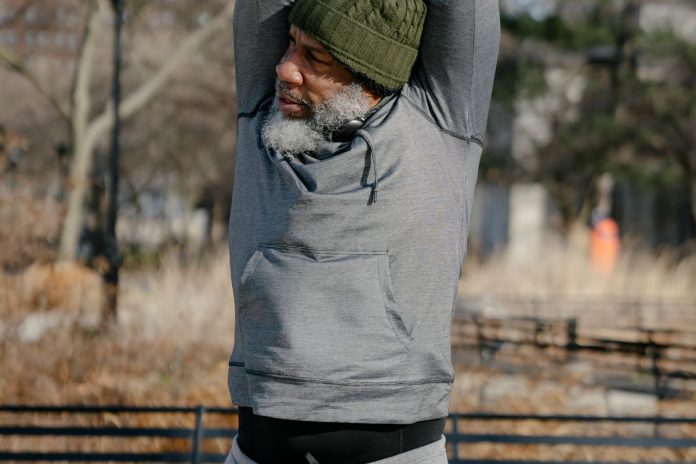
Man stretching and warming up outdoors before exercise
By Marcus Reyes · Updated July 9, 2026 · Fact-checked

Warming up before exercise and cooling down afterward are two of the most skipped parts of any workout, usually because people are short on time. Yet these bookends do real work: they prepare your body to move well and help it recover afterward. Done properly, they can make your training feel better and lower your risk of strain. This guide explains why warm-ups and cool-downs matter, what actually happens in your body, and how to do both effectively without adding much time to your routine.

Why a warm-up matters

A warm-up gradually raises your heart rate, increases blood flow to your muscles, and lifts your core temperature. Warmer muscles contract and relax more efficiently, and your joints move through a fuller range of motion. A good warm-up also switches on the nervous system connection between your brain and muscles, so movements feel more coordinated. The result is that you can work harder with better form and less risk of pulling something. Skipping it means asking your body to perform at full effort while it is still cold and stiff.

What makes a good warm-up

An effective warm-up starts general and becomes specific. Begin with a few minutes of light aerobic movement, such as brisk walking, easy jogging, or cycling, to get your blood flowing. Then move into dynamic stretches and movements that mimic what you are about to do. Leg swings, arm circles, lunges, and bodyweight squats are common examples. If you are lifting weights, a few light warm-up sets of the exercise itself prepares the specific muscles and joints you are about to load.

Dynamic stretching versus static stretching

Timing matters when it comes to stretching. Dynamic stretches, which move your joints through a range of motion, are ideal before exercise because they warm tissues while keeping them active. Static stretches, where you hold a position for a stretch, are better saved for after your workout. Research suggests that long static holds right before power or strength activities can briefly reduce performance. Save the deep held stretches for your cool-down, when your muscles are warm and you want to relax.

Why the cool-down counts

After exercise, your heart is pumping fast and blood is concentrated in your working muscles. Stopping abruptly can leave you feeling lightheaded because blood can pool in your legs. A cool-down brings your heart rate and breathing down gradually and helps your body transition back to rest. It is also a natural window to work on flexibility while your muscles are warm and pliable. Think of it as a gentle off-ramp rather than slamming on the brakes.

How to cool down effectively

Start with three to five minutes of easy movement, such as slow walking or gentle cycling, to let your heart rate settle. Then move into static stretches for the major muscles you just worked, holding each for around twenty to thirty seconds without bouncing. Focus on breathing slowly and staying relaxed. This is not the time to push into pain; a mild sense of stretch is enough. The whole process only takes a few minutes but helps you finish feeling steady rather than suddenly drained.

Common mistakes to avoid

The biggest mistake is skipping these steps entirely when time is tight. Another is doing long static stretches on cold muscles before training, which can feel counterproductive. Some people also rush the warm-up so much that it barely raises a sweat, which defeats the purpose. Finally, bouncing aggressively during stretches can strain tissues rather than lengthen them. Smooth, controlled movement is always safer and more effective than forcing range of motion.

Fitting it into a busy schedule

You do not need long routines to get the benefits. Five to ten minutes of warming up and about five minutes of cooling down is enough for most workouts. If you are truly pressed for time, a shorter, more intense warm-up that mimics your main activity is better than none at all. Treat these minutes as part of the workout rather than optional extras, and they quickly become an automatic habit that makes training more comfortable.

Frequently asked questions

Can I skip the warm-up if I feel fine? It is not a good idea. Even when you feel ready, cold muscles and joints are more prone to strain. A short warm-up prepares your body and often makes the workout feel easier.

Does stretching prevent muscle soreness? Stretching can improve flexibility and feel good, but evidence that it prevents next-day soreness is limited. A gradual cool-down and consistent training help more with how you recover.

Should I stretch before or after exercise? Do dynamic movements before and save longer static stretches for after, when your muscles are warm. This order supports both performance and flexibility.

The takeaway

Warming up and cooling down are short, simple habits that help your body perform and recover better. A warm-up raises your temperature and primes your muscles with dynamic movement, while a cool-down eases your heart rate down and is the right time for static stretching. Together they take only about ten to fifteen minutes, and building them into every session is one of the easiest ways to train more comfortably and consistently.

This article is for general information only and is not medical advice. Talk with a qualified healthcare professional before making changes to your health, diet, exercise, or medication routine.

Self-Compassion: Why Being Kind to Yourself Matters for Mental Health

Woman with hands on her chest practicing self-compassion
By Hannah Brooks · Updated July 9, 2026 · Fact-checked

Most of us would never speak to a friend the way we speak to ourselves. When we make a mistake or fall short, that inner voice can turn harsh, critical, and unforgiving. Self-compassion is the practice of treating yourself with the same kindness and understanding you would offer someone you care about. Far from being an excuse for laziness, it is a powerful tool for mental health, resilience, and lasting motivation. This guide explains what self-compassion is, why it matters, and how to build it into daily life.

What self-compassion really is

Psychologist Kristin Neff, who pioneered much of the research, describes self-compassion as having three parts. The first is self-kindness, or being warm toward yourself rather than harshly critical. The second is common humanity, recognizing that struggle and imperfection are part of being human and that you are not alone. The third is mindfulness, holding difficult feelings in balanced awareness instead of ignoring them or being swept away by them. Together, these turn moments of failure into opportunities for support rather than self-attack.

Why self-criticism backfires

Many people believe that being hard on themselves keeps them disciplined and driven. In reality, harsh self-criticism tends to do the opposite. It raises stress, fuels anxiety and low mood, and can make you avoid challenges for fear of failing again. Constant self-judgment keeps the nervous system in a threat state, which drains motivation over time. Self-compassion, by contrast, creates a sense of safety that makes it easier to face problems honestly and try again after setbacks.

The mental health benefits

Research consistently links higher self-compassion with lower levels of anxiety, depression, and stress. People who practice it tend to recover from difficult experiences more quickly and report greater overall life satisfaction. This is not about pretending everything is fine. It is about meeting hardship with warmth instead of judgment, which helps you process emotions rather than bottling them up or spiraling into rumination. Over time, that steadier relationship with yourself becomes a reliable source of resilience.

Self-compassion is not self-pity

A common worry is that being kind to yourself means wallowing or making excuses. The two are actually very different. Self-pity narrows your focus onto your own suffering and can leave you feeling isolated. Self-compassion widens your view, reminding you that everyone struggles, and it encourages constructive action. It does not mean lowering your standards or avoiding responsibility. You can fully acknowledge a mistake, take ownership of it, and still choose to respond to yourself with understanding rather than contempt.

How to talk to yourself differently

One of the simplest starting points is to notice your inner dialogue. When you catch yourself using words you would never say to a friend, pause and reframe. Ask what you would say to someone you love in the same situation, then offer those words to yourself. This is not about empty positivity or forcing cheerfulness. It is about swapping cruelty for honesty delivered with care, which keeps you motivated without the emotional cost of constant self-attack.

Simple practices to build the habit

Self-compassion grows with practice. A brief pause during a hard moment, placing a hand on your chest and acknowledging “this is difficult right now,” can calm the nervous system. Writing yourself a short, supportive note as if from a caring friend helps shift perspective. Some people find comfort in a simple phrase they can repeat, such as “I am doing the best I can with what I have.” Even a few minutes of mindful breathing, noticing feelings without judging them, strengthens the underlying skill.

When to seek extra support

Self-compassion is a valuable everyday tool, but it is not a replacement for professional help when you need it. If you are dealing with persistent low mood, overwhelming anxiety, or thoughts of harming yourself, reaching out to a mental health professional is an act of self-compassion in itself. Asking for support is a sign of strength, not weakness, and it reflects the same care you would want a struggling friend to seek.

Frequently asked questions

Will self-compassion make me lazy or complacent? No. Research suggests the opposite. Because it reduces fear of failure, self-compassion often increases motivation and makes it easier to keep trying after setbacks.

How is it different from self-esteem? Self-esteem depends on feeling successful or better than others, which can be fragile. Self-compassion is available even when you fail, because it does not require you to prove your worth.

How long does it take to feel a difference? Many people notice small shifts within a few weeks of regular practice, though building a lasting habit takes ongoing effort. Consistency matters more than intensity.

The takeaway

Self-compassion means responding to your own struggles with the kindness, perspective, and honesty you would give a good friend. It is not self-pity or an excuse to avoid growth; it is a research-backed way to lower stress, build resilience, and stay motivated through hard times. Start small by softening your inner voice, and remember that being kinder to yourself is a skill anyone can learn with practice.

This article is for general information only and is not medical advice. Talk with a qualified healthcare professional before making changes to your health, diet, exercise, or medication routine.

Understanding Consent and Healthy Sexual Relationships

Happy couple embracing, representing consent and healthy relationships
By Elena Hart · Updated July 9, 2026 · Fact-checked

Consent and mutual respect are the foundation of every healthy sexual relationship, yet they are rarely explained in a clear, practical way. Consent is not a single moment or a box to tick before intimacy. It is an ongoing conversation built on communication, trust, and genuine care for each other’s wellbeing. Understanding how it works, and how to build the kind of relationship where it feels natural, benefits everyone involved. This article breaks down what consent really means and how to create a respectful, safe, and fulfilling connection with a partner.

What consent really means

Consent is a clear, freely given agreement to take part in a specific activity. It has to be voluntary, which means it cannot be pressured, coerced, or assumed. It is also specific, so agreeing to one thing does not mean agreeing to everything. And it is reversible, meaning anyone can change their mind at any point, even after things have started. Enthusiastic, ongoing agreement is the goal, not reluctant acceptance or silence. When both people actively want to be there, intimacy is safer and more enjoyable.

Why “yes” needs to be freely given

A yes only counts when a person is genuinely free to say no without fear of consequences. Pressure can be obvious, like threats or guilt-tripping, or subtle, like repeated nagging until someone gives in. Consent is also not possible when a person is asleep, unconscious, or so intoxicated that they cannot make a clear decision. Recognizing these limits protects both partners and builds the trust that healthy intimacy depends on. If you are ever unsure whether someone truly wants to continue, the right move is always to pause and check.

Communication is a skill you can build

Many people worry that talking about consent will feel awkward or ruin the mood. In practice, clear communication tends to deepen connection rather than break it. You can ask simple questions like “Is this okay?” or “Do you want to keep going?” and pay attention to the answers. Expressing your own preferences and boundaries is just as important as listening to your partner’s. Like any skill, this gets easier with practice, and over time it becomes a natural part of how you relate to each other.

Reading verbal and nonverbal cues

Consent is communicated through words and body language together. Enthusiastic verbal agreement is the clearest signal, but you should also notice how your partner responds physically. Someone who pulls away, tenses up, goes quiet, or seems hesitant may not be comfortable, even if they have not said no directly. Silence or a lack of resistance is not consent. When cues are mixed or unclear, stopping to ask is always the respectful choice. Tuning in to each other this way makes intimacy more responsive and connected.

Consent within long-term relationships

A common misconception is that being in a committed relationship or marriage means consent is automatic. It is not. Every person retains the right to decide what they are comfortable with each and every time, regardless of history together. Checking in with a long-term partner is not a sign of distrust; it is a sign of respect and care. Couples who keep communicating about their needs and boundaries often report feeling closer and more satisfied, because both people feel genuinely seen and heard.

Respecting boundaries and handling rejection

Hearing “no” or “not right now” can feel disappointing, but how you respond says a lot about the health of the relationship. A respectful partner accepts a boundary without sulking, arguing, or making the other person feel guilty. Boundaries are not personal rejections; they are information about what someone needs to feel safe and comfortable. When both partners know their limits will be honored, they are more likely to relax, open up, and enjoy intimacy fully.

Building a culture of mutual respect

Healthy sexual relationships are part of a bigger picture of how two people treat each other. Respect in everyday moments, honesty about feelings, and a willingness to talk through uncomfortable topics all carry over into the bedroom. Making consent and communication normal parts of your relationship removes shame and confusion. It creates a space where both people can be honest about what they want and do not want, which is the foundation of a genuinely fulfilling connection.

Frequently asked questions

Can consent be withdrawn after it is given? Yes. Anyone can change their mind at any point, even in the middle of an activity. When that happens, the respectful response is to stop right away.

Is talking about consent going to ruin the moment? Usually the opposite. Checking in shows care and builds trust, and many people find that clear communication makes intimacy more relaxed and enjoyable.

Does being in a relationship change the rules? No. Commitment does not create automatic consent. Each person still decides what they are comfortable with every time, and checking in remains important.

The takeaway

Consent is an ongoing, freely given agreement rooted in clear communication and mutual respect, not a one-time formality. By learning to ask, listen, and honor each other’s boundaries, partners create a safer and more satisfying connection. These habits strengthen trust in every part of a relationship, and they are worth practicing at every stage, whether a relationship is brand new or years in the making.

This article is for general information only and is not medical advice. Talk with a qualified healthcare professional before making changes to your health, diet, exercise, or medication routine.

Antioxidants: What They Really Do and the Best Food Sources

Woman eating fresh fruit as part of an antioxidant-rich diet
By Priya Nair · Updated July 9, 2026 · Fact-checked

You have probably seen the word “antioxidant” on everything from green tea to dark chocolate to skincare bottles. It sounds healthy, but what antioxidants actually do inside your body is often misunderstood. The good news is that you do not need expensive supplements or exotic berries to benefit from them. A colorful, whole-food diet already gives you most of what you need. This guide explains what antioxidants really are, how they work, which foods deliver the most, and how to get them without falling for marketing hype.

What antioxidants actually are

Antioxidants are compounds that help protect your cells from damage caused by unstable molecules called free radicals. Free radicals form naturally when your body turns food into energy, and they also come from outside sources like pollution, cigarette smoke, and ultraviolet light. In small amounts they are normal and even useful. Problems arise when there are too many for your body to keep in check, a state known as oxidative stress. Antioxidants work by neutralizing excess free radicals before they can harm cell membranes, proteins, and DNA.

Why oxidative stress matters

Over time, ongoing oxidative stress is thought to contribute to aging and to the development of several chronic conditions, including heart disease and certain cancers. That does not mean free radicals are the single cause of these problems, since diet, genetics, activity, and environment all play a role. But a diet rich in antioxidants is one practical way to help your body maintain balance. Think of antioxidants as part of your overall defense system rather than a magic shield.

The main types of antioxidants

Antioxidants are not one single substance. They include vitamins such as vitamin C and vitamin E, the mineral selenium, and a large family of plant compounds called phytochemicals. Beta-carotene, which your body converts to vitamin A, gives carrots and sweet potatoes their orange color. Flavonoids appear in berries, tea, and cocoa. Lycopene gives tomatoes their red hue. Each type behaves a little differently and tends to concentrate in specific tissues, which is exactly why variety matters more than any single “super” nutrient.

The best food sources

Fruits and vegetables are your richest and most reliable sources. Berries, especially blueberries, blackberries, and raspberries, are packed with flavonoids. Leafy greens like spinach and kale deliver vitamin C and carotenoids. Brightly colored vegetables such as bell peppers, tomatoes, and beets bring their own compounds. Beyond produce, nuts and seeds supply vitamin E, while green and black tea, coffee, and dark chocolate contribute polyphenols. Even herbs and spices like cinnamon, turmeric, and oregano are surprisingly concentrated sources.

Why whole foods beat supplements

It is tempting to think that if antioxidants are good, then high-dose antioxidant pills must be better. Research does not support that idea. Several large studies found that isolated antioxidant supplements, such as high-dose beta-carotene or vitamin E, offered no clear benefit and in some cases were linked to harm. Whole foods deliver antioxidants alongside fiber, other vitamins, and compounds that work together in ways a single pill cannot replicate. Unless a healthcare professional recommends a supplement for a specific reason, food is the smarter choice.

Simple ways to eat more

You do not need a special plan to boost your intake. Aim to fill half your plate with vegetables and fruit at most meals, and choose a range of colors across the week. Add a handful of berries to breakfast, snack on nuts instead of processed foods, and use herbs and spices generously when you cook. Swapping a sugary drink for unsweetened tea is an easy upgrade. Because cooking methods can affect nutrient levels, eating a mix of raw and lightly cooked produce helps you cover your bases.

Common myths worth dropping

One myth is that a single “superfood” can transform your health. No one food does that, and the term is more marketing than science. Another myth is that more antioxidants are always better, when in fact your body needs a balance, and very high doses from supplements can backfire. Finally, an expensive imported berry is not inherently superior to affordable local produce. Frozen fruit and vegetables are just as nutritious as fresh and often more practical.

Frequently asked questions

Do I need an antioxidant supplement? For most people eating a varied diet, no. Whole foods provide antioxidants in balanced amounts, and isolated high-dose supplements have not shown clear benefits. Talk to a healthcare professional before starting any supplement.

Does cooking destroy antioxidants? It depends. Some are reduced by heat, while others, like the lycopene in tomatoes, become more available after cooking. Eating a mix of raw and cooked produce is the practical solution.

Are coffee and dark chocolate really good sources? Both contain meaningful amounts of polyphenols. Enjoyed in moderation and without excess sugar, they can be part of an antioxidant-rich diet.

The takeaway

Antioxidants are a genuine part of good health, but they work best as part of a colorful, varied, whole-food diet rather than as a pill or a single trendy ingredient. Focus on eating a wide range of fruits, vegetables, nuts, seeds, herbs, and minimally processed foods, and you will naturally get the balance your body needs. Simple, consistent choices beat expensive shortcuts every time.

This article is for general information only and is not medical advice. Talk with a qualified healthcare professional before making changes to your health, diet, exercise, or medication routine.
34,610FollowersFollow

Must Read