

Monday, July 13, 2026
Home Blog Page 3

How Time in Nature Improves Your Mental Health

Person walking on a path through nature to support mental health
By Elena Hart · Updated July 8, 2026 · Fact-checked

If you have ever come back from a walk in the park feeling calmer and clearer than when you left, you have experienced something researchers have studied for decades. Time in nature has a measurable effect on mental health. It lowers stress, lifts mood, and helps a busy mind settle. In a world of screens, deadlines, and constant noise, stepping outside is one of the simplest and most overlooked things you can do for your wellbeing.

Why nature affects the mind

Humans spent almost all of our history in natural surroundings, and our nervous systems still seem to respond to them. Natural settings tend to hold our attention gently, without demanding effort, which gives the mentally tiring parts of the brain a chance to rest. Instead of the sharp, urgent focus that traffic and to-do lists require, nature invites a softer kind of attention. That shift is part of why even a short time outdoors can feel genuinely restorative rather than just pleasant.

Lower stress and a calmer body

One of the most consistent findings is that time in nature reduces stress. Being in green or natural spaces is associated with lower levels of stress hormones, slower heart rate, and reduced muscle tension. People often report feeling less anxious and more at ease after time outdoors, even when nothing about their circumstances has changed. The natural environment seems to signal safety to the body, allowing it to step down from the constant low-grade alertness that modern life encourages.

A lift for mood

Nature also tends to improve how we feel. Time outdoors is linked with reductions in feelings of sadness and rumination, the repetitive negative thinking that can fuel low mood. Being in green spaces has been associated with greater feelings of vitality and positive emotion. This does not mean the outdoors is a cure for depression or anxiety, but it can be a meaningful support alongside other care, and for everyday stress and low mood it is a reliable pick-me-up.

Sharper focus and clearer thinking

Mental fatigue is a real cost of constant stimulation, and nature helps replenish it. After time in natural settings, people often perform better on tasks that require concentration and show improved memory and attention. This is why a walk outside can leave you feeling not just calmer but more able to think. If you are stuck on a problem or mentally drained, stepping outdoors can be more useful than pushing harder at your desk.

You do not need wilderness

A common misconception is that these benefits require a remote forest or a mountain trip. They do not. Everyday nearby nature counts, and often that is what makes the difference because it is accessible. A neighborhood park, a tree-lined street, a garden, or even houseplants and a view of greenery can all help. What matters most is regular contact with the natural world, not the drama of the setting. Small doses, taken often, add up.

Simple ways to get more nature

Building more nature into your life is easier than it sounds:

  • Take a short walk in a park or green space, even for 10 or 15 minutes
  • Eat lunch outside instead of at your desk when the weather allows
  • Choose a walking route with trees, water, or gardens
  • Bring nature indoors with plants and by opening windows to natural light and air
  • Make outdoor time social by walking with a friend or family member
  • Notice your surroundings while outside rather than staying on your phone

Make it a habit, not a one-off

The benefits of nature build with regular exposure, so consistency beats intensity. A little time outdoors most days does more for your mental health than a single long outing every few months. Some research suggests that spending around two hours a week in nature, in whatever combination fits your life, is associated with better wellbeing. Treat it as a standing appointment with yourself rather than something you get to only when everything else is done.

Frequently asked questions

How much time in nature do I need? There is no strict rule, but spending roughly two hours a week in natural settings is associated with better wellbeing. Even brief daily contact with greenery helps, so start with what fits your schedule.

Does city nature count? Yes. Urban parks, tree-lined streets, gardens, and other green spaces provide real benefits. You do not need to leave the city to gain from time in nature.

Can nature replace professional mental health care? No. Time outdoors is a valuable support for wellbeing, but it is not a substitute for treatment. If you are struggling with your mental health, reach out to a qualified professional.

The takeaway

Spending time in nature is one of the simplest, most accessible ways to support your mental health. It calms the body, lifts mood, and restores the ability to focus, and it works even in small, everyday doses close to home. You do not need a grand escape, just regular contact with the natural world. Step outside, look around, and let your mind catch its breath.


This article is for general information only and is not medical advice. Talk with a qualified healthcare professional before making changes to your health, diet, exercise, or medication routine.

Morning Light and Better Sleep: How Sunlight Resets Your Body Clock

Woman waking up to bright morning light by a window
By Hannah Brooks · Updated July 8, 2026 · Fact-checked

When people think about better sleep, they usually focus on the evening: the wind-down routine, the dark bedroom, the screens they should put away. All of that matters, but one of the most powerful sleep tools works in the opposite half of the day. Getting bright light in the morning helps set your internal clock, and a well-set clock is what makes falling asleep at night easier. It is free, it is simple, and most people are not using it.

Your body runs on a clock

Deep in your brain sits a master clock that governs your circadian rhythm, the roughly 24-hour cycle that controls when you feel alert and when you feel sleepy. This clock does not keep perfect time on its own. It relies on outside signals to stay aligned with the day, and the single most important signal is light. When light hits special receptors in your eyes, it tells your brain what time it is, adjusting your rhythm accordingly. Without strong light cues, the clock can drift.

Why morning light matters most

Light in the early part of the day has a specific job: it anchors your clock and effectively starts the countdown to sleep. Morning light suppresses melatonin, the hormone that makes you drowsy, helping you feel awake and alert. Just as importantly, it sets the timer so that melatonin rises again at an appropriate hour in the evening, roughly 14 to 16 hours later. In other words, bright mornings are what make sleepy nights arrive on schedule. Skip the morning light, and the whole cycle can shift later.

The problem with modern light exposure

For most of human history, people got intense light during the day and near-darkness at night. Modern life often flips this. We spend daytime indoors, where the light is far dimmer than it feels, then bathe ourselves in bright artificial light and screens late into the evening. This combination sends the body confusing signals: not enough light when it counts in the morning, and too much when it should be dark. The result is a body clock that drifts later, making it harder to fall asleep and harder to wake up.

How much light do you actually need

The good news is that natural daylight is dramatically brighter than indoor lighting, even on a cloudy day. A short time outside in the morning delivers far more light than sitting by a window. Aiming for roughly 10 to 30 minutes of outdoor light within an hour or two of waking is a reasonable target for most people, though needs vary with the season and how sensitive you are. On dark winter mornings or for those who wake before dawn, a light therapy lamp can serve a similar purpose.

Simple ways to get more morning light

You do not need to overhaul your life to use this. A few easy habits go a long way:

  • Step outside soon after waking, even briefly, rather than staying indoors
  • Take a short morning walk, which combines light exposure with movement
  • Have your coffee or breakfast on a balcony, porch, or near an open door
  • Open curtains and blinds first thing to let daylight in
  • If you commute, walk part of the way or sit where daylight reaches you

You do not have to stare at the sun, and you never should. Simply being outdoors with your eyes open in natural light is enough.

Balance it with darker evenings

Morning light works best when paired with dimmer evenings. As bright mornings tell your body when to wake, low light in the hours before bed tells it when to sleep. Dimming indoor lights, reducing screen brightness, and avoiding intense light late at night all help melatonin rise on time. Think of it as bookending your day: bright at the start, dark at the finish. Together, these cues give your clock the strong, clear signals it evolved to expect.

What to expect when you start

Light is a gentle nudge rather than an instant switch, so give it time. Many people notice they feel more alert in the mornings within a few days, and improvements in how easily they fall asleep tend to follow over a week or two as the clock shifts. Consistency matters more than perfection. Getting light at a similar time each morning, including on weekends, keeps your rhythm steady and prevents the drift that undoes your progress.

Frequently asked questions

Does it work through a window? Windows block a lot of light and filter some of the wavelengths involved, so being directly outdoors is far more effective. If you can not get outside, sit as close to a bright window as possible.

What if I wake up before sunrise? Turn on bright indoor lights when you wake and get outside once it is light. A light therapy lamp designed for circadian support can help bridge the gap on dark mornings.

Can too much evening light really keep me awake? Yes. Bright light at night suppresses melatonin and can push your body clock later, making it harder to fall asleep. Dimming the evening is an important companion to bright mornings.

The takeaway

Good sleep is not only built at night. By getting bright light early in the day and keeping your evenings dim, you give your body clock the clear signals it needs to run on time. Morning light is one of the simplest, cheapest, and most effective ways to fall asleep more easily and wake up feeling more rested. Step outside tomorrow morning and let the daylight do its work.

This article is for general information only and is not medical advice. Talk with a qualified healthcare professional before making changes to your health, diet, exercise, or medication routine.

Low-Impact Workouts: Effective Exercise That’s Easy on Your Joints

Woman doing a gentle low-impact stretching workout that is easy on the joints
By Daniel Cole · Updated July 8, 2026 · Fact-checked

There is a common myth that a workout only counts if it leaves you sore, sweaty, and out of breath. In reality, some of the most effective and sustainable exercise is gentle on the body. Low-impact workouts let you build strength, endurance, and mobility without the pounding that hard-impact activities put on your joints. They are useful for beginners, for people returning from injury, for older adults, and for anyone who wants to stay active for the long haul.

What low-impact really means

Low-impact does not mean low-effort or low-intensity. It refers to how much force your joints absorb, not how hard you are working. In a high-impact activity like running or jumping, both feet leave the ground and land with force equal to several times your body weight. In a low-impact activity, at least one foot usually stays in contact with the ground, or your body weight is supported, so the shock to your knees, hips, ankles, and spine is much smaller. You can still get your heart pounding and your muscles burning.

Why lower impact can be smarter

Choosing low-impact exercise has real advantages. It reduces wear on your joints and lowers the risk of overuse injuries, which makes it easier to stay consistent. Consistency, more than intensity, is what produces results over months and years. Low-impact training is also more approachable if you are just starting out, carrying extra weight, managing joint pain, or coming back from an injury. Because it is easier to recover from, you can often do it more frequently, and frequency adds up.

Great low-impact cardio options

Cardiovascular exercise strengthens your heart and lungs, and plenty of options spare your joints:

  • Brisk walking, one of the most accessible and underrated workouts there is
  • Swimming and water aerobics, where the water supports your weight while adding resistance
  • Cycling, whether outdoors or on a stationary bike
  • Using an elliptical machine, which mimics running without the impact
  • Rowing, which works the whole body while keeping you seated

Any of these can be light and steady or genuinely challenging, depending on your pace and duration. You control the intensity.

Strength training without the pounding

Building muscle is not high-impact by nature, and strength work is one of the best things you can do for long-term health. It protects your joints by strengthening the muscles around them, supports bone density, and keeps your metabolism healthy. You can train with resistance bands, dumbbells, machines, or your own body weight. Controlled movements like squats to a chair, wall push-ups, and hip bridges build real strength with minimal joint stress. Moving slowly and with good form keeps the impact low and the benefit high.

Mobility, balance, and flexibility

Low-impact routines are an ideal home for the parts of fitness people often skip. Yoga, Pilates, and simple stretching improve flexibility and core strength while calming the mind. Balance work, such as standing on one foot or heel-to-toe walking, becomes more important with age and helps prevent falls. These practices do not just feel good in the moment. They improve how your body moves through everyday tasks and reduce the risk of the strains and tweaks that sideline people.

Building a balanced weekly routine

A well-rounded plan mixes the categories rather than relying on one. A practical week might include a few sessions of low-impact cardio, two sessions of strength training targeting the major muscle groups, and regular mobility or stretching work. General guidance suggests aiming for around 150 minutes of moderate activity per week plus a couple of strength sessions, and low-impact exercise can cover all of it. Start with what feels manageable and add gradually. It is better to do a little consistently than to overreach and quit.

Listen to your body

Low-impact does not mean risk-free, so form and pacing still matter. Warm up before you start and cool down afterward. Progress in small steps rather than big jumps, giving your body time to adapt. Mild muscle fatigue is normal, but sharp or joint pain is a signal to stop and reassess. If you have a health condition, joint problems, or are new to exercise, checking in with a doctor or physical therapist first helps you choose the right activities and avoid setbacks.

Frequently asked questions

Can low-impact workouts help with weight loss? Yes. Weight management depends on overall calories burned and your diet, not on impact level. Low-impact exercise done consistently, especially when it includes strength training, supports a healthy weight.

Is low-impact exercise enough to get fit? Absolutely. You can build strong cardiovascular fitness, muscle, and endurance entirely through low-impact activities by adjusting intensity and progressing over time.

Is walking really a good workout? Walking is one of the most effective low-impact workouts available. Picking up the pace, adding hills, or extending your time makes it more challenging as you improve.

The takeaway

Low-impact workouts prove that effective exercise does not have to be hard on your body. By combining joint-friendly cardio, strength training, and mobility work, you can build fitness that lasts without the injuries and burnout that often come from constant high-impact training. The best routine is the one you can keep doing, and gentle-on-the-joints exercise is built to go the distance.

This article is for general information only and is not medical advice. Talk with a qualified healthcare professional before making changes to your health, diet, exercise, or medication routine.

How Stress and Cortisol Affect Weight (and What Helps)

Stressed woman at work
By Priya Nair · Updated July 8, 2026 · Fact-checked

You can do everything right with food and exercise and still feel like the scale will not budge. When that happens, stress is one of the most overlooked culprits. The link between stress and weight runs through hormones, appetite, sleep, and daily behavior, and it works in subtle ways that are easy to miss. Understanding the connection helps you stop blaming willpower and start addressing a real physiological driver.

What cortisol actually does

Cortisol is often called the stress hormone, but it is really a survival hormone. It follows a natural daily rhythm, rising in the morning to help you wake and get going, and falling through the evening so you can wind down. In a short burst, cortisol is helpful: it releases stored energy, sharpens focus, and prepares your body to respond to a challenge. The problem is not cortisol itself but cortisol that stays elevated for weeks and months because stress never fully switches off.

How chronic stress influences weight

When cortisol stays high, several things happen that can nudge weight upward. Elevated cortisol encourages the body to store fat, particularly around the abdomen. It also raises blood sugar and can increase insulin resistance over time, which affects how your body handles carbohydrates. On top of the hormonal effects, stress changes behavior in ways that add up quickly, from what you reach for when you eat to how much you move.

Stress, appetite, and cravings

Stress has a direct effect on hunger. It can dull your sense of fullness and increase cravings for calorie-dense foods that are high in sugar and fat. This is not a lack of discipline. Those foods can briefly blunt the stress response and trigger a small sense of relief, which is why they feel so appealing under pressure. The result is a loop: stress drives comfort eating, the food offers temporary calm, and the underlying stress remains, ready to prompt the next craving.

The sleep connection

Stress and sleep are tightly linked, and poor sleep is its own weight risk factor. A racing mind at bedtime shortens and fragments sleep, and short sleep raises hunger hormones while lowering the ones that signal fullness. Tired people also tend to move less and crave quick energy from sugar and refined carbohydrates. Because stress disrupts sleep and poor sleep amplifies stress, the two can reinforce each other, quietly working against your efforts to eat well and stay active.

Why the scale is not the whole story

Stress can also cause the body to hold onto water, which shows up as sudden shifts on the scale that have nothing to do with fat. This is worth remembering because an unexpected jump in weight can itself become a source of stress, feeding the cycle. Tracking trends over a couple of weeks, rather than reacting to any single morning, gives you a far more accurate picture of what is actually happening.

Practical ways to lower stress

You can not remove all stress from life, but you can change how your body responds to it. A few approaches are consistently useful:

  • Move your body regularly. Physical activity lowers stress hormones and improves mood, and even a daily walk counts.
  • Protect your sleep. Keep a steady schedule, dim screens before bed, and treat sleep as part of your plan rather than an afterthought.
  • Practice slowing down. Breathing exercises, meditation, or a few quiet minutes can shift the body out of a constant alert state.
  • Stay connected. Time with people you trust is a genuine buffer against stress.
  • Set boundaries with work and screens so your nervous system gets real recovery time.

Eat to support steady energy

When stress is high, the goal is to make good choices easier, not to add strict rules that create more pressure. Meals built around protein, fiber, and healthy fats keep blood sugar steadier and reduce the crashes that trigger cravings. Keeping easy, satisfying options within reach means that when a stressful moment hits, the convenient choice is also a reasonable one. Being overly restrictive tends to backfire, because deprivation is itself a stressor.

Be patient and realistic

Managing stress-related weight is a slower, gentler process than a crash diet, and that is a feature rather than a flaw. Changes that lower cortisol, improve sleep, and steady your appetite tend to hold because they fit into daily life. Beating yourself up over a hard day only adds stress, which is the opposite of what helps. Self-criticism is not a strategy; consistency and self-compassion are.

Frequently asked questions

Does stress alone cause weight gain? Stress rarely acts alone, but it can tip the balance by raising cortisol, increasing cravings, disrupting sleep, and reducing activity. For many people it is a meaningful contributor rather than the single cause.

Will lowering stress automatically cause weight loss? Not by itself, but reducing stress makes healthy eating, good sleep, and regular movement easier to sustain, which supports weight loss over time.

When should I talk to a professional? If stress feels constant and unmanageable, or if it is affecting your sleep, mood, or health, it is worth speaking with a doctor or mental health professional.

The takeaway

Stress affects weight through a mix of hormones, appetite, sleep, and behavior, and ignoring it can quietly undermine an otherwise solid plan. The most effective response is not another restrictive diet but a calmer, better-rested life: regular movement, protected sleep, supportive meals, and real downtime. Address the stress, and healthy habits become far easier to keep.

This article is for general information only and is not medical advice. Talk with a qualified healthcare professional before making changes to your health, diet, exercise, or medication routine.

Type 2 Diabetes in Men: How to Lower Your Risk

Older man walking outdoors to stay active and lower type 2 diabetes risk
By Marcus Reyes · Updated July 8, 2026 · Fact-checked

Type 2 diabetes is one of the most common chronic conditions in men, and the risk climbs with age, weight, and family history. The encouraging part is that it is also one of the most preventable. Blood sugar tends to drift upward slowly over years, which means there is usually a long window to change course before problems set in. Understanding what drives that drift, and which habits push back against it, puts a lot of control back in your hands.

What type 2 diabetes actually is

Your body turns most of what you eat into glucose, a sugar that circulates in your blood and fuels your cells. A hormone called insulin acts like a key that lets glucose into cells. In type 2 diabetes, cells stop responding to insulin the way they should, a state called insulin resistance. The pancreas compensates by producing more insulin, but over time it can not keep up, and blood sugar stays high. Persistently elevated blood sugar damages blood vessels and nerves, which is why diabetes is linked to heart disease, kidney problems, vision loss, and nerve pain.

Why men are at particular risk

Men often develop type 2 diabetes at a lower body weight than women, in part because men tend to store fat around the abdomen and organs. This visceral fat is more metabolically active and more strongly tied to insulin resistance than fat stored under the skin. Men are also statistically less likely to see a doctor regularly, so high blood sugar can go undetected for years. Add in common patterns like long sedentary workdays, irregular meals, and alcohol, and the risk adds up quietly.

Know your risk factors

Some risk factors you can not change, but knowing them helps you act earlier. These include being over 45, having a parent or sibling with diabetes, and certain ethnic backgrounds that carry higher baseline risk. The factors you can influence matter most:

  • Excess weight, especially around the waist
  • Low physical activity and long hours sitting
  • A diet high in refined carbohydrates, sugary drinks, and ultra-processed food
  • High blood pressure or unhealthy cholesterol levels
  • Poor sleep and chronic high stress
  • Smoking

Early signs worth noticing

Type 2 diabetes often develops with few obvious symptoms, which is why screening matters. When signs do appear, they can include increased thirst, needing to urinate more often, unusual fatigue, blurred vision, slow-healing cuts, and frequent infections. Many men also pass through a stage called prediabetes, where blood sugar is higher than normal but not yet in the diabetic range. Prediabetes usually has no symptoms at all, yet it is a clear signal to make changes, and it is often reversible.

Move more, sit less

Physical activity is one of the most effective tools for managing blood sugar because working muscles pull glucose out of the bloodstream, with and without insulin. You do not need to become an athlete. A brisk 30-minute walk most days makes a measurable difference, and breaking up long sitting with a few minutes of movement every hour helps too. Adding resistance training two or three times a week builds muscle, and more muscle means more places for glucose to go. Consistency matters more than intensity.

Eat in a way that steadies blood sugar

No single food causes diabetes, and no single food prevents it. The overall pattern is what counts. Meals built around vegetables, beans and lentils, whole grains, nuts, lean protein, and healthy fats tend to raise blood sugar more gently and keep you full longer. The biggest wins usually come from cutting back on sugary drinks and heavily processed snacks, which deliver fast sugar with little else. You do not have to eliminate carbohydrates, but choosing less refined versions and pairing them with protein and fiber softens their impact.

The role of sleep, stress, and alcohol

Blood sugar control is not only about food and exercise. Short or poor-quality sleep raises insulin resistance, and so does chronic stress, which floods the body with hormones that push glucose up. Managing stress with regular activity, downtime, and adequate sleep supports your metabolism in ways that are easy to overlook. Alcohol adds empty calories and can disrupt both sleep and blood sugar, so keeping it moderate helps on several fronts at once.

Get screened and know your numbers

Because early diabetes is often silent, a simple blood test is the reliable way to catch it. Many guidelines suggest routine screening starting around age 35 to 45, or earlier if you carry extra risk factors. Ask your doctor about a fasting glucose test or an A1C, which reflects your average blood sugar over the past few months. Knowing your numbers turns a vague worry into a clear starting point, and it lets you track whether your habits are working.

Frequently asked questions

Can type 2 diabetes be reversed? Many people can return blood sugar to a healthy range, especially early on, through weight loss, diet changes, and exercise. It is best described as remission rather than a cure, since the tendency can return, so healthy habits need to continue.

Does eating sugar cause diabetes? Sugar itself does not directly cause type 2 diabetes, but diets high in sugary drinks and refined carbohydrates contribute to weight gain and insulin resistance, which raise the risk.

How much weight loss makes a difference? Research suggests that losing even 5 to 10 percent of body weight can meaningfully improve blood sugar and lower the risk of progressing from prediabetes to diabetes.

The takeaway

Type 2 diabetes is common in men, but it is rarely sudden and rarely out of your control. The same habits that protect your heart also protect your blood sugar: move regularly, eat mostly whole foods, sleep well, manage stress, and keep alcohol moderate. Pair those habits with routine screening so you catch any changes early, and talk with your doctor about your personal risk. Small, steady choices made over years are what keep this condition at bay.

This article is for general information only and is not medical advice. Talk with a qualified healthcare professional before making changes to your health, diet, exercise, or medication routine.

How to Start Running: A Beginner’s Guide

Beginner runner jogging outdoors on a path at an easy, conversational pace
By Marcus Reyes · Updated July 7, 2026 · Fact-checked

Running is one of the most accessible forms of exercise there is. It needs no gym, little equipment, and can be done almost anywhere. But for beginners it can also feel discouraging, since those first outings often leave you breathless and sore, wondering how anyone finds this enjoyable. The secret is that nearly every experienced runner started exactly there, and the gap between struggling and striding comes down to a smart, patient approach.

If you start too fast and too often, running quickly becomes miserable or leads to injury. Start gradually and build a base, and it becomes one of the most rewarding habits you can develop. Here is how to begin running the right way.

Start with a run-walk approach

Trying to run continuously from day one is the most common beginner mistake. Instead, alternate short bursts of running with periods of walking, for example one minute running and two minutes walking, repeated for twenty to thirty minutes. Over the following weeks, gradually increase the running intervals and shorten the walking. This method builds your fitness without overwhelming your body, and it is how most successful beginner programs are structured.

Get the right shoes

Running is hard on your feet, ankles, knees, and hips, and proper footwear is the one piece of gear worth prioritizing. A supportive pair of running shoes that fit your foot and gait can prevent a lot of pain and injury. Visiting a specialty running store for a fitting is a good investment if you can, since the right shoe depends on your foot shape and how you land. Replace shoes once they wear down, as worn cushioning loses its protective value.

Warm up and cool down

Jumping straight into a run with cold muscles invites strain. Begin each session with a few minutes of brisk walking and some gentle dynamic movements to loosen your legs and hips. Afterward, cool down with easy walking and light stretching. These bookends take only a few minutes but reduce soreness and lower your risk of injury, making it far more likely you will want to run again the next day.

Go slower than you think

Beginners almost always run too fast. A sustainable pace is one at which you can still speak in short sentences without gasping. If you cannot, slow down, even to a very gentle jog. Running slowly feels counterintuitive, but it builds the aerobic base that lets you go farther and, eventually, faster. Speed comes later; in the beginning, the goal is simply to keep moving comfortably for longer.

Build up gradually and rest

Your heart and lungs adapt to running faster than your joints, tendons, and muscles do, so increasing your distance too quickly is a leading cause of injury. A common guideline is to increase your total running time or distance by no more than about ten percent per week. Just as important, schedule rest days. Recovery is when your body actually gets stronger, and running every single day as a beginner usually leads to burnout or injury.

Pay attention to form and breathing

You do not need perfect technique, but a few basics help. Keep your posture tall and relaxed, let your arms swing naturally, and aim for short, light steps rather than long, pounding strides. Breathe in a steady rhythm and do not hold your breath. If something hurts in a sharp or persistent way, that is a signal to stop and rest, not to push through. Mild muscle fatigue is normal; joint pain is not.

Stay consistent and set small goals

Progress in running comes from showing up regularly, not from occasional heroic efforts. Aim for three runs a week to start, with rest or gentle activity in between. Small, concrete goals keep you motivated, whether that is running for twenty minutes without walking or completing your first few kilometers. Tracking your outings, even simply, lets you see how far you have come, which is powerful fuel on days when motivation dips.

Frequently asked questions

How often should a beginner run? Three times a week is a good starting point, with rest days in between to let your body adapt and recover.

How do I stop getting so out of breath? Almost always the answer is to slow down. Run at a pace where you can still talk, and your endurance will build over the weeks.

How long until running feels easier? Many beginners notice real improvement within four to six weeks of consistent, gradual training. Patience and regularity matter more than intensity.

The takeaway

Running is far more approachable than it feels at first, as long as you start slowly and build gradually. Use a run-walk method, invest in proper shoes, warm up and cool down, keep your pace conversational, and respect rest days. Set small goals and show up consistently, and within a few weeks the effort that once felt impossible will start to feel natural. Almost anyone can become a runner by beginning gently and letting the body catch up.

This article is for general information only and is not medical advice. Talk with a qualified healthcare professional before making changes to your health, diet, exercise, or medication routine.

Foods That Help (and Hurt) Your Sleep

Herbal tea in a cozy room
By Daniel Cole · Updated July 7, 2026 · Fact-checked

What you eat and drink during the day, and especially in the hours before bed, has a real effect on how well you sleep. Food will not override poor sleep habits on its own, but the right choices can make it easier to fall asleep and stay asleep, while the wrong ones can leave you tossing and turning. Thinking about your plate is a surprisingly practical piece of the sleep puzzle.

There is no single magic food that guarantees rest. Instead, sleep responds to overall patterns and to the timing of certain foods and drinks. Here is what tends to help, what tends to hurt, and how to time your meals so your body is ready to wind down.

Foods that support better sleep

Some foods contain nutrients linked to relaxation and sleep regulation. Foods rich in tryptophan, an amino acid your body uses to make sleep-related chemicals, include turkey, dairy, eggs, nuts, and seeds. Complex carbohydrates such as oats and whole grains can help these nutrients do their work. Magnesium, found in leafy greens, legumes, nuts, and seeds, supports muscle relaxation, and a small serving of kiwi or tart cherries is often mentioned for its potential to aid rest.

Watch caffeine, and not just coffee

Caffeine is the most common dietary sleep disruptor. It can stay in your system for many hours, so an afternoon coffee may still be affecting you at bedtime. Remember that caffeine hides in more than coffee: tea, cola, energy drinks, chocolate, and some medications all contain it. A good rule is to stop caffeine by early afternoon, and to pay attention to how sensitive you personally are, since it varies a lot from person to person.

Be careful with alcohol before bed

A nightcap feels relaxing and can help you fall asleep faster, but alcohol worsens sleep quality later in the night. As your body processes it, sleep becomes fragmented and lighter, and you are more likely to wake in the early hours. Alcohol also suppresses the deeper, more restorative stages of sleep. If you drink, doing so earlier in the evening and in moderation lessens the impact on your rest.

Avoid heavy, spicy, or fatty meals late

Large meals close to bedtime force your digestive system to work when it should be slowing down, which can keep you uncomfortable and awake. Spicy and very fatty foods are common culprits for indigestion and heartburn, both of which worsen when you lie down. If you eat a big dinner, try to finish it two to three hours before bed so digestion is well underway by the time you turn in.

Do not go to bed hungry either

The opposite problem is real too. An empty, growling stomach can keep you awake or wake you early. If you are genuinely hungry before bed, a light snack is better than toughing it out. Good choices combine a little protein or healthy fat with a modest carbohydrate, such as yogurt, a small banana with nut butter, or a few whole-grain crackers with cheese. Keep it small so digestion stays easy.

Mind your evening fluids

Staying hydrated is important, but drinking large amounts right before bed often means waking up to use the bathroom. Try to get most of your fluids earlier in the day and taper off in the last hour or two before sleep. Warm, caffeine-free options like herbal tea or plain warm milk can be soothing as part of a wind-down routine, just in modest amounts.

Focus on your overall pattern

No single meal matters as much as your general habits. A balanced diet with plenty of vegetables, fiber, lean protein, and whole grains supports steady blood sugar and overall health, both of which help sleep. Wildly irregular eating, frequent late-night snacking, and diets heavy in sugar and processed food tend to work against good rest. Consistent, balanced meals give your body the stability it needs to sleep well.

Frequently asked questions

What is the best food to eat before bed? There is no single best food, but a light snack pairing protein or healthy fat with a little carbohydrate, such as yogurt or a banana with nut butter, is a solid choice if you are hungry.

How late is too late for coffee? Because caffeine lingers for hours, many people do best stopping by early afternoon. If you are sensitive, an even earlier cutoff may help.

Does warm milk really help you sleep? It may help modestly, partly through its nutrients and partly as a calming ritual. The bedtime routine itself is likely as important as the drink.

The takeaway

Your diet is a quiet but genuine influence on your sleep. Lean on sleep-friendly foods, cut off caffeine by early afternoon, go easy on alcohol and heavy late meals, and avoid both hunger and a full bladder at bedtime. Most of all, keep your overall eating pattern balanced and consistent. Combined with good sleep habits, these choices make it easier for your body to settle into restful, uninterrupted sleep.

This article is for general information only and is not medical advice. Talk with a qualified healthcare professional before making changes to your health, diet, exercise, or medication routine.

How Gratitude Improves Mental Health (and How to Practice It)

Woman relaxing peacefully outdoors, reflecting with a sense of gratitude
By Hannah Brooks · Updated July 7, 2026 · Fact-checked

Gratitude gets talked about so often that it can start to sound like a cliché, a nice idea printed on a mug. But the practice of deliberately noticing what is good in your life has real, measurable effects on mental wellbeing. It will not erase hardship or replace professional help when you need it, yet as a daily habit it can gently shift how you experience your days.

The value of gratitude is not in pretending everything is fine. It is in training your attention. Our minds are wired to scan for threats and problems, which once kept us alive but today can leave us stuck in a loop of stress and dissatisfaction. Practicing gratitude helps balance that tilt by giving equal weight to what is going right.

Why gratitude affects your mind

When you focus on something you appreciate, your attention moves away from rumination, the repetitive negative thinking that fuels anxiety and low mood. Regularly directing attention toward positive experiences can, over time, make it easier to notice them without effort. Researchers who study wellbeing consistently link gratitude practices with higher life satisfaction and lower levels of stress, in part because they interrupt the brain’s habit of dwelling on what is missing.

Keep a simple gratitude journal

The most studied gratitude practice is also the simplest. A few times a week, write down three to five things you are thankful for. They do not need to be profound. A good cup of coffee, a message from a friend, or a quiet moment in the sun all count. Writing matters because it slows you down and makes the feeling concrete. Aim for specificity, since “my sister called to check on me” lands more deeply than a vague “my family.”

Focus on people, not just things

Gratitude tends to be most powerful when it centers on relationships. Appreciating a person, a kindness someone showed you, or the support of a community engages the social parts of wellbeing that matter most for mental health. When you write or reflect, try to include at least one person each time. Noticing how others contribute to your life counters the isolation that often accompanies stress and low mood.

Try expressing it out loud

Private reflection is valuable, but expressed gratitude adds another layer. Telling someone directly why you appreciate them, whether in person, in a note, or in a message, strengthens the relationship and lifts both of you. A short gratitude letter to someone who helped you, even one you never send, can be a surprisingly moving exercise. Voicing appreciation turns a private feeling into a connection.

Anchor it to an existing habit

New habits stick best when tied to something you already do. Reflect on a few good things while you brush your teeth, during your commute, or right before you turn off the light at night. Linking gratitude to an established routine removes the need for willpower and makes it far more likely you will keep it up. Consistency matters more than length; a minute done daily beats an hour done once.

Use gratitude to reframe hard days

Gratitude is not about denying difficulty. On tough days, the practice can shift from “what am I thankful for” to “what got me through this.” Maybe it was a supportive coworker, your own persistence, or simply that the day ended. Finding a single point of appreciation during a hard stretch does not minimize the struggle. It reminds you that even difficult days contain something to hold onto.

Be patient and keep it genuine

Forced gratitude can feel hollow, so let the practice be honest. Some days the list comes easily, and other days you scrape together one small thing, and that is fine. The benefits build slowly, much like physical fitness, so give it several weeks before judging whether it helps. If it ever tips into pressure to feel positive all the time, ease off. Gratitude is a tool for balance, not a rule to obey.

Frequently asked questions

How long until gratitude makes a difference? Many people notice small shifts within a few weeks of regular practice. Like exercise, the effects grow with consistency rather than appearing overnight.

Can gratitude replace therapy or medication? No. It is a helpful everyday habit, not a treatment for depression or anxiety. If you are struggling, it works best alongside support from a mental health professional.

What if I cannot think of anything to be grateful for? Start small and concrete, such as a warm shower or a meal. On hard days, focus on what helped you get through rather than grand positives.

The takeaway

Gratitude is a simple, low-cost practice that can meaningfully support your mental wellbeing by shifting attention away from constant problem-scanning and toward what is going right. Keep a brief journal, focus on people, express appreciation out loud, and anchor the habit to your existing routine. Keep it genuine and be patient, and treat it as one supportive tool among many rather than a cure for serious mental health concerns.

This article is for general information only and is not medical advice. Talk with a qualified healthcare professional before making changes to your health, diet, exercise, or medication routine.

STIs: How to Protect Yourself and Why Regular Testing Matters

Couple holding hands
By Elena Hart · Updated July 7, 2026 · Fact-checked

Sexually transmitted infections are common, and for the most part they are also preventable and treatable. Yet many people avoid the topic out of embarrassment, which means infections go undetected and untreated for longer than they should. Understanding how STIs spread, how to lower your risk, and why regular testing matters is one of the most practical things you can do for your long-term sexual health.

This is a judgment-free subject. Getting informed and getting tested are signs of taking care of yourself and your partners, not causes for shame. Here is a clear, everyday guide to protecting yourself.

Understand how STIs actually spread

Most STIs pass through intimate skin-to-skin contact or the exchange of bodily fluids during vaginal, anal, or oral sex. Some, such as chlamydia and gonorrhea, spread through fluids, while others, including herpes and HPV, can spread through contact with skin even when no fluids are exchanged. A key point that surprises many people is that infections often cause no obvious symptoms, so someone can pass one on without knowing they have it.

Use barrier protection consistently

Condoms and other barrier methods remain the most effective everyday tool for reducing STI risk during sex. They are not perfect, since they do not cover every area of skin, but used correctly and consistently they sharply lower the chance of transmitting many common infections. Using a new barrier for each act and for oral sex, and storing them properly, all make a real difference in how well they work.

Get tested regularly, even without symptoms

Because so many infections are silent, testing is the only way to know your status for certain. Regular screening is a normal part of routine health care, not a reaction to a problem. How often you should test depends on your situation, but sexually active people, especially those with new or multiple partners, generally benefit from testing at least once a year and more often if their circumstances change. Ask a clinician what schedule makes sense for you.

Talk with partners before sex

A short, honest conversation before becoming intimate can feel awkward, but it protects both people. Asking when a partner was last tested, sharing your own status, and agreeing on protection sets clear expectations. These talks get easier with practice, and most people respect a partner who raises the subject. Framing it as mutual care rather than suspicion helps keep the tone comfortable.

Consider vaccines and preventive options

Vaccination can prevent some infections entirely. The HPV vaccine protects against the strains most linked to genital warts and several cancers, and hepatitis B vaccination is widely recommended as well. For HIV specifically, preventive medication known as PrEP can dramatically reduce risk for people who may be exposed. A healthcare provider can tell you which of these are appropriate for your age and situation.

Know the signs, but do not rely on them

Possible symptoms include unusual discharge, burning during urination, sores or bumps, itching, or pelvic pain. If you notice any of these, see a clinician promptly. Just as important, remember that the absence of symptoms does not mean you are in the clear. This is exactly why testing, rather than waiting for something to feel wrong, is the reliable approach.

Get treated early and tell your partners

Many STIs are cured with a course of antibiotics, and those that cannot be cured can usually be managed well with medication that reduces symptoms and lowers the chance of passing them on. Early treatment prevents complications such as infertility or chronic pain. If you test positive, letting recent partners know allows them to get tested and treated too, which stops the infection from bouncing back and forth.

Reduce risk without fear or shame

Sexual health is part of overall health, and approaching it calmly serves you far better than avoiding it. You do not need to be anxious to be careful. Building a few steady habits, using protection, testing on a schedule, staying up to date on vaccines, and communicating openly, lets you enjoy your sex life while keeping risk low. The aim is confidence grounded in information, not worry.

Frequently asked questions

How often should I get tested? It varies, but many sexually active people benefit from annual screening, and more frequent testing if they have new or multiple partners. A clinician can tailor the timing to you.

Can you have an STI without symptoms? Yes, and it is common. Many infections cause no noticeable signs, which is why regular testing matters even when you feel fine.

Are all STIs curable? Many bacterial infections are fully curable with antibiotics. Viral ones like herpes or HIV are not cured but can be managed effectively with treatment.

The takeaway

STIs are common, often silent, and largely preventable. Using barrier protection, testing regularly, staying current on vaccines, and talking openly with partners are simple habits that keep your risk low. Treat sexual health as a normal, ongoing part of caring for your body, and reach out to a healthcare professional for testing, vaccines, or advice tailored to your situation.

This article is for general information only and is not medical advice. Talk with a qualified healthcare professional before making changes to your health, diet, exercise, or medication routine.

How to Cut Back on Added Sugar: A Practical Guide

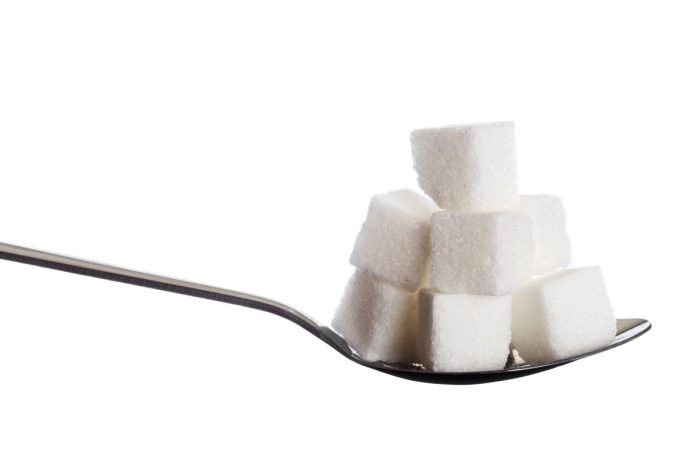
Sugar cubes on a spoon
By Priya Nair · Updated July 7, 2026 · Fact-checked

Added sugar has a way of slipping into your day almost unnoticed. It hides in the obvious places, like soda and candy, but also in bread, pasta sauce, salad dressing, flavored yogurt, and drinks that market themselves as healthy. Most people eat far more of it than they realize, and cutting back is one of the most reliable ways to feel steadier energy, fewer cravings, and better long-term health.

The good news is that reducing added sugar does not require an all-or-nothing overhaul. Small, consistent changes tend to work better than dramatic bans that leave you feeling deprived. Here is a practical, sustainable guide to eating less added sugar without turning every meal into a battle of willpower.

Know the difference between natural and added sugar

Not all sugar is a problem. The sugar naturally found in whole fruit, plain dairy, and vegetables comes packaged with fiber, water, vitamins, and minerals that slow digestion and blunt blood sugar spikes. Added sugar is different. It is the sweetener stirred into foods during processing or cooking, and it delivers calories with little else. When health guidance talks about cutting back, it means added sugar, not the apple in your lunchbox.

Learn to spot it on labels

Food labels are your best tool. Look for the “added sugars” line on the nutrition panel, which separates it from naturally occurring sugar. Then scan the ingredient list, because sugar wears many disguises. Cane juice, corn syrup, dextrose, maltose, agave nectar, honey, and anything ending in “-ose” are all forms of sugar. If several of them appear near the top of the list, the product is sweeter than it looks.

Start with what you drink

Sugary drinks are the single largest source of added sugar for many people, and they are also the easiest place to make progress. A can of soda, a sweetened coffee, or a bottled juice can carry as much sugar as a dessert, yet liquids do little to fill you up. Try swapping one sweet drink a day for water, sparkling water, or unsweetened tea. If plain water feels boring, add citrus, cucumber, or a few berries for flavor without the sugar load.

Cut back gradually so your taste adjusts

Your palate adapts to sweetness over time. If you slowly reduce the sugar in your coffee, cereal, or baking, foods that once tasted normal will start to taste cloying, and lightly sweetened options will taste just right. Tapering also spares you the sense of sudden deprivation that often triggers a rebound. Cutting a teaspoon at a time is slower, but it is far more likely to last.

Rethink breakfast and snacks

Mornings are a common sugar trap. Many cereals, granolas, flavored oatmeals, and yogurts are surprisingly sweet. Choose plain versions and add your own fruit, or build breakfasts around protein and fiber, such as eggs, plain Greek yogurt, or oats with nuts. For snacks, reach for options that combine protein, fat, or fiber, like a piece of fruit with nut butter, since these keep you full and reduce the mid-afternoon urge to raid the vending machine.

Do not swap sugar for a pile of substitutes

Artificial and low-calorie sweeteners can help some people cut calories, but leaning on them heavily keeps your taste for intense sweetness alive. The goal is to enjoy food that is less sweet overall, not to chase the same sugar rush through other means. If you use sweeteners, treat them as an occasional bridge rather than a permanent crutch, and keep working toward genuinely lower-sugar habits.

Cook more of your own food

When you cook at home, you control what goes in. Many packaged and restaurant foods contain added sugar you would never add yourself, from pasta sauces to marinades to bread. Making simple versions at home, or choosing brands with little to no added sugar, quietly removes a large share of the sugar you never chose to eat in the first place.

Leave room for treats you actually enjoy

Cutting back does not mean cutting out. Trying to eliminate every sweet thing usually backfires. Instead, be deliberate. Decide which treats are genuinely worth it to you, enjoy them slowly, and skip the low-quality sugar that sneaks in without giving you much pleasure. A dessert you truly love, eaten mindfully, fits far better into a lasting routine than a diet built on rules you cannot keep.

Frequently asked questions

How much added sugar is too much? Major health bodies suggest keeping added sugar to a small share of daily calories, roughly under 25 grams a day for women and 36 grams for men as a general guide. Most people benefit simply from eating less than they do now.

Will cutting sugar help me lose weight? It can, mainly because sugary foods and drinks add calories without keeping you full. But weight depends on your overall pattern of eating and activity, not one nutrient alone.

Are natural sweeteners like honey healthier? Honey and maple syrup contain trace nutrients, but your body treats them much like other added sugars. Use them sparingly rather than assuming they are a free pass.

The takeaway

Eating less added sugar is less about strict rules and more about steady, realistic habits. Start with your drinks, read labels, taper gradually so your taste adjusts, and cook more at home so you decide what goes in. Leave room for the treats you truly love, and let the mindless sugar go. Over time, these small shifts add up to more stable energy, fewer cravings, and a diet that supports your health without feeling like punishment.

This article is for general information only and is not medical advice. Talk with a qualified healthcare professional before making changes to your health, diet, exercise, or medication routine.
34,610FollowersFollow

Must Read