

Monday, July 13, 2026
Home Blog Page 4

How Protein Helps With Weight Loss (and How Much You Need)

Woman eating a healthy high-protein meal to support weight loss
By Priya Nair · Updated July 6, 2026 · Fact-checked

When people think about losing weight, they usually focus on eating less. But what you eat matters just as much as how much, and protein is arguably the most important nutrient for weight loss. Protein helps you feel full, protects your muscle, and even burns more calories during digestion. Understanding how protein helps with weight loss, and how much you actually need, can make the whole process feel easier and more sustainable.

Why Protein Helps You Feel Full

One of protein’s biggest advantages is its effect on appetite. Of the three macronutrients, protein is the most filling, helping you feel satisfied on fewer calories. It influences hunger hormones, lowering the ones that drive appetite and raising the ones that signal fullness. In practice, this means a protein-rich breakfast or meal can keep you satisfied for hours and reduce the urge to snack later. When you feel full, cutting calories no longer feels like a constant battle with hunger.

Protein Protects Your Muscle

When you lose weight, you want to lose fat, not muscle. Without enough protein, a calorie deficit can cause your body to break down muscle for energy, which is a problem because muscle keeps your metabolism higher and your body strong and functional. Eating adequate protein while in a deficit, especially alongside strength training, signals your body to preserve muscle and burn fat instead. This helps you look leaner and keeps your metabolism from dropping as much as it otherwise would.

The Calorie Cost of Digesting Protein

Your body burns calories just digesting and processing food, an effect called the thermic effect of food. Protein has by far the highest thermic effect: your body uses roughly 20 to 30 percent of protein’s calories just to break it down, compared with much less for carbs and fat. While this is not a magic fat burner, it does mean a higher-protein diet slightly increases your daily calorie burn, giving you a small but real edge over time.

Protein Helps Prevent the Metabolic Slowdown

As you lose weight, your metabolism naturally slows somewhat, partly because a smaller body burns fewer calories and partly from muscle loss. By preserving muscle, a higher-protein diet blunts this slowdown. Combined with protein’s appetite-controlling and calorie-burning effects, this is a major reason people who prioritize protein tend to lose fat more effectively and keep it off better than those who do not.

How Much Protein You Need

For weight loss, most evidence points to eating more than the bare minimum. A common, practical range is about 1.2 to 2.0 grams of protein per kilogram of body weight per day, with people who exercise or who are in a larger deficit aiming toward the higher end. For a rough guide, that might mean roughly 90 to 150 grams a day for many adults. Spreading protein across meals, rather than loading it all at dinner, helps with fullness and muscle maintenance throughout the day.

Best Protein Sources

Good options include lean meats like chicken and turkey, fish, eggs, Greek yogurt, cottage cheese, milk, beans, lentils, tofu, tempeh, and edamame. Whole-food proteins tend to be more filling and nutritious than heavily processed ones. Plant-based eaters can absolutely meet their needs by combining a variety of legumes, soy foods, whole grains, nuts, and seeds. Protein powders can help fill gaps conveniently, but they work best as a supplement to real food, not a replacement for it.

Practical Ways to Eat More Protein

Small changes add up. Start your day with a protein-rich breakfast such as eggs or Greek yogurt instead of just toast or cereal. Build meals around a protein source first, then add vegetables and whole grains. Keep easy options on hand, like hard-boiled eggs, tuna, or roasted chickpeas, for snacks. Swapping a sugary snack for a protein-rich one keeps you fuller longer and steadies your energy, making it easier to stay in a calorie deficit without feeling deprived.

Frequently Asked Questions

Can eating too much protein stop weight loss? Protein still contains calories, so eating far more than you need can slow weight loss. The goal is enough to support fullness and muscle within your overall calorie budget, not unlimited amounts.

Is protein powder necessary for weight loss? No. Whole foods can easily provide enough protein. Powders are simply a convenient way to hit your target when whole-food options are limited, but they are optional.

Do I need to eat protein at every meal? You do not have to, but spreading protein across meals helps control appetite and supports muscle better than eating most of it in one sitting, so it is a useful habit.

The Takeaway

Protein is a weight-loss ally on several fronts: it keeps you full, protects the muscle that keeps your metabolism humming, and costs your body extra calories to digest. Aiming for roughly 1.2 to 2.0 grams per kilogram of body weight, spread across the day and drawn from mostly whole-food sources, can make a calorie deficit far more manageable. Pair adequate protein with strength training, and you set yourself up to lose fat while staying strong.

Related: If a doctor-guided route interests you, our WellMedr GLP-1 review walks through the process and costs.


This article is for general information only and is not medical advice. Talk with a qualified healthcare professional before making changes to your health, diet, exercise, or medication routine.

Understanding Your Sleep Cycles: How the Stages of Sleep Work

Woman sleeping peacefully in bed moving through the stages of sleep
By Hannah Brooks · Updated July 6, 2026 · Fact-checked

Sleep might feel like a single switch that flips off at night, but it is actually a dynamic process made of repeating cycles and distinct stages. Understanding your sleep cycles helps explain why you sometimes wake up groggy despite a full night in bed, why deep sleep matters so much, and how to work with your body’s natural rhythms instead of against them. Here is what happens while you sleep and how to make it work for you.

What a Sleep Cycle Is

A sleep cycle is one complete journey through the stages of sleep, lasting roughly 90 minutes. Over a typical night you move through four to six of these cycles. Each cycle includes lighter sleep, deep sleep, and dream-rich REM sleep, but the balance shifts as the night goes on. Early cycles contain more deep sleep, while later cycles contain more REM. This is why the second half of the night is just as valuable as the first, even though it feels different.

The Stages of Sleep

Sleep is usually divided into non-REM and REM sleep. Non-REM has three stages. Stage 1 is the light transition between wake and sleep, lasting only a few minutes. Stage 2 is a slightly deeper state where your heart rate slows and body temperature drops; you spend about half the night here. Stage 3 is deep, slow-wave sleep, the most restorative stage for the body. REM sleep, the fourth stage, is when most vivid dreaming happens and your brain is highly active. Each plays a different role in your recovery.

Why Deep Sleep Matters

Deep, slow-wave sleep is when much of your physical restoration happens. During this stage your body repairs tissue, supports immune function, and consolidates certain types of memory. Growth hormone is released, and your brain clears out metabolic byproducts that build up during waking hours. Deep sleep is concentrated in the first few hours of the night, which is one reason a late bedtime followed by a normal wake time can leave you under-recovered even if total hours seem adequate.

The Role of REM Sleep

REM sleep is essential for the mind. It supports memory consolidation, learning, emotional processing, and creativity. During REM your brain is nearly as active as when you are awake, while your body is temporarily paralyzed so you do not act out dreams. REM periods get longer toward morning, which means cutting your night short, by waking early or drinking alcohol that suppresses REM, can rob you of this important stage even when deep sleep is intact.

Why You Wake Up Groggy

That heavy, disoriented feeling on waking is often called sleep inertia, and timing plays a big role. If your alarm pulls you out of deep sleep, you are far more likely to feel foggy than if you wake during light sleep. This is the idea behind waking at the end of a cycle rather than the middle. While you cannot control your sleep perfectly, aligning your total sleep time with complete cycles, roughly in multiples of 90 minutes, can help you wake more refreshed.

How Age and Lifestyle Affect Cycles

Sleep architecture changes across life. Newborns spend far more time in REM, while deep sleep tends to decline as we get older, which is one reason older adults often report lighter, more fragmented sleep. Lifestyle matters too. Alcohol, caffeine, irregular schedules, stress, and screen light before bed can all disrupt the balance and continuity of your cycles, reducing the restorative deep and REM sleep you get even if you spend enough time in bed.

How to Support Healthy Sleep Cycles

You cannot micromanage your stages, but you can create conditions that let them unfold naturally. Keep a consistent sleep and wake time to stabilize your internal clock. Give yourself enough time in bed to complete several full cycles, generally seven to nine hours for adults. Limit alcohol and late caffeine, keep your bedroom cool, dark, and quiet, and wind down without bright screens. These habits protect the depth and continuity of your sleep, which is what leaves you truly rested.

Frequently Asked Questions

How long is one sleep cycle? A full cycle averages about 90 minutes, though it can range from roughly 70 to 120 minutes and varies between people and across the night.

Which stage of sleep is most important? Both deep sleep and REM are essential, just for different reasons. Deep sleep restores the body, while REM supports memory, learning, and emotional health. A healthy night includes enough of each.

Can I train myself to need less sleep? Not really. Most adults need seven to nine hours to complete enough cycles. Chronically cutting sleep short reduces restorative deep and REM stages and carries real health costs over time.

The Takeaway

Your night is not one long blank stretch but a series of roughly 90-minute cycles moving through light, deep, and REM sleep, each with its own job. Deep sleep restores the body, REM restores the mind, and both need enough uninterrupted time to do their work. You cannot control the stages directly, but by keeping a consistent schedule, allowing enough hours, and protecting your sleep environment, you give your cycles the room to leave you genuinely refreshed.

Related: Exploring CBD for rest? Our Five CBD review covers full-spectrum drops and gummies.

This article is for general information only and is not medical advice. Talk with a qualified healthcare professional before making changes to your health, diet, exercise, or medication routine.

Heart Rate Zones Explained: How to Train Smarter

Man running outdoors checking fitness watch to monitor heart rate zones
By Daniel Cole · Updated July 6, 2026 · Fact-checked

If you have ever wondered why your fitness watch buzzes about “zone 2” or why some workouts leave you gasping while others feel easy, the answer lies in heart rate zones. Understanding heart rate zones helps you train smarter, not just harder. Instead of pushing at random intensities, you can match your effort to your goal, whether that is building endurance, burning fat, or improving speed. Here is how heart rate zones work and how to use them.

What Heart Rate Zones Are

Heart rate zones are ranges of intensity based on a percentage of your maximum heart rate. As you exercise harder, your heart beats faster to deliver oxygen to your muscles. By dividing that range into zones, you can gauge how hard you are working in a measurable way. Most systems use five zones, from very light activity to all-out effort. Each zone trains your body differently, which is why varying your intensity matters more than always going as hard as possible.

Estimating Your Maximum Heart Rate

The classic starting point is a simple formula: subtract your age from 220. So a 40-year-old would have an estimated maximum heart rate of about 180 beats per minute. This is only an estimate and can be off by 10 to 20 beats for any individual, but it gives you a workable reference. For a more accurate number, a supervised exercise test is the gold standard. For everyday training, the formula plus how you actually feel works well enough.

The Five Heart Rate Zones

Zone 1, around 50 to 60 percent of max, is very light effort used for warm-ups and recovery. Zone 2, about 60 to 70 percent, is a comfortable, conversational pace that builds aerobic endurance and trains your body to use fat for fuel. Zone 3, roughly 70 to 80 percent, is a moderate effort that improves aerobic capacity. Zone 4, around 80 to 90 percent, is hard and boosts speed and performance. Zone 5, 90 percent and above, is near-maximal effort you can only sustain briefly. Most of your training should sit in the lower zones.

Why Zone 2 Gets So Much Attention

Zone 2 training has become popular for good reason. Working at this easy, sustainable pace strengthens your aerobic base, improves how efficiently your body uses oxygen and fat, and can be done frequently without heavy fatigue. Because it is comfortable, you can accumulate lots of it, and that volume builds lasting endurance. The catch is that many people unknowingly train too hard, drifting into zone 3, so their easy days are not truly easy. Keeping easy days genuinely easy is one of the most effective training habits.

How to Measure Your Heart Rate

A chest strap monitor is the most accurate option for most people, reading the electrical signal of your heart directly. Wrist-based watches are convenient and have improved a lot, though they can lag or misread during quick changes in intensity. If you have no device, you can check manually by counting your pulse for 15 seconds and multiplying by four. You can also use the “talk test”: if you can hold a conversation, you are in an easy zone; if you can only speak a few words, you are working hard.

Building a Balanced Week

A common and effective approach is to spend most of your training time, often around 80 percent, in the easy zones, and a smaller portion, about 20 percent, at higher intensities. This is sometimes called polarized training. In practice, that might mean several relaxed zone 2 sessions and one or two harder interval workouts each week. This balance builds endurance while still sharpening speed and capacity, and it lowers your risk of burnout and injury from constant hard efforts.

Common Mistakes to Avoid

The biggest mistake is training in a “gray zone,” always moderately hard but never truly easy or truly intense. This limits both endurance and speed gains. Another is chasing heart rate numbers so rigidly that you ignore how you feel; illness, heat, stress, and caffeine all shift your heart rate. Treat the zones as a guide, not a rulebook. Finally, remember that recovery days exist for a reason, and pushing every session eventually stalls progress.

Frequently Asked Questions

Which heart rate zone burns the most fat? Lower zones, especially zone 2, use a higher percentage of fat for fuel. However, total calories burned matter most for weight management, and higher-intensity work burns more overall, so a mix serves most goals.

Do I need a special device to use heart rate zones? No. A fitness watch or chest strap makes it easier, but you can estimate intensity with a manual pulse check or the talk test, which works surprisingly well for everyday training.

Is it bad to train in the highest zone? Not at all, in small doses. Zone 5 improves performance, but it is demanding and should make up only a small share of your training, with plenty of recovery around it.

The Takeaway

Heart rate zones turn guesswork into strategy. By knowing roughly where your effort falls, you can build endurance with easy zone 2 sessions, sharpen fitness with occasional hard efforts, and avoid the gray-zone trap of always being moderately tired. Use your maximum heart rate as a rough guide, keep easy days easy, and let the numbers support how you feel rather than replace it. Train smarter, and your results will follow.

This article is for general information only and is not medical advice. Talk with a qualified healthcare professional before making changes to your health, diet, exercise, or medication routine.

Men’s Health After 40: What Changes and How to Stay Ahead

Mature man running outdoors staying active and healthy after 40
By Marcus Reyes · Updated July 6, 2026 · Fact-checked

Turning 40 does not mean your best years are behind you, but it does mark a point where the body starts to change in ways worth paying attention to. Metabolism shifts, hormones gradually decline, and the risk of certain health conditions begins to climb. The good news is that men’s health after 40 is largely shaped by daily habits, not fate. Understanding what changes and acting early can help you stay strong, energetic, and healthy for decades to come.

What Actually Changes After 40

Several things tend to shift in your forties. Muscle mass slowly declines in a process called sarcopenia, which can begin as early as your thirties and accelerate without strength training. Metabolism dips, partly because of that muscle loss, making weight easier to gain. Testosterone gradually decreases by roughly one percent per year for many men. Recovery from workouts and late nights takes longer, and the risk of high blood pressure, high cholesterol, and type 2 diabetes rises. None of this is a crisis, but each is a nudge to be more intentional.

Make Strength Training Non-Negotiable

If you do one thing for your health after 40, make it resistance training. Lifting weights or doing bodyweight exercises two to three times a week fights the natural loss of muscle, supports metabolism, protects your bones, and helps keep testosterone and insulin sensitivity healthier. Muscle is metabolically active tissue, so keeping it makes nearly everything else easier, from managing weight to protecting your joints. You do not need to train like an athlete; consistent, progressive effort is what counts.

Protect Your Heart

Heart disease remains a leading cause of death for men, and the forties are a key decade for prevention. Focus on the fundamentals: regular aerobic activity, a diet rich in vegetables, whole grains, lean proteins, and healthy fats, limited processed and salty foods, and not smoking. Knowing your numbers matters too. Blood pressure, cholesterol, and blood sugar can drift upward silently, so regular checks let you catch and address problems before they become serious.

Stay on Top of Screenings

Preventive screenings become more important with each decade. In your forties and beyond, conversations with your doctor may include blood pressure, cholesterol, blood sugar, and, depending on your risk factors and family history, discussions about prostate health and colorectal cancer screening. Screening guidelines vary by individual risk, so use your annual visit to ask what applies to you. Catching issues early almost always means simpler, more effective treatment.

Prioritize Sleep and Recovery

Recovery is not a luxury after 40; it is part of staying healthy. Poor sleep is linked to weight gain, higher blood pressure, mood problems, and lower testosterone. Aim for seven to nine hours and treat sleep as seriously as diet and exercise. Give yourself real rest days between hard workouts, and pay attention to nagging aches, since injuries take longer to heal at this stage. Working smarter, not just harder, keeps you in the game.

Manage Stress and Mental Health

Many men reach their forties carrying heavy responsibilities at work and home, and chronic stress takes a real physical toll, raising the risk of heart problems and disrupting sleep and hormones. Just as important, mental health deserves attention. Men are less likely to seek help for anxiety or depression, yet these are common and treatable. Building in outlets like exercise, hobbies, honest conversations, and, when needed, professional support protects both mind and body.

Fine-Tune Your Nutrition

The way you ate at 25 may not serve you at 45. With a slower metabolism, portion sizes and food quality matter more. Emphasize protein to preserve muscle, fiber to support digestion and steady energy, and plenty of vegetables and fruit. Watch alcohol, which adds empty calories, disrupts sleep, and strains the liver over time. Staying hydrated and limiting sugary drinks are simple, high-impact habits that pay off across your whole body.

Build Habits You Can Keep

The men who thrive after 40 are rarely the ones chasing extreme diets or punishing routines. They are the ones with sustainable habits: a regular walk, a few weekly strength sessions, decent sleep, sensible meals, and routine checkups. Small, consistent actions compound over years. Rather than overhauling everything at once, pick one or two changes, make them stick, and build from there.

Frequently Asked Questions

Is it normal to lose energy and muscle after 40? Some decline in muscle and energy is natural, but much of it is driven by inactivity rather than age alone. Strength training, good sleep, and solid nutrition can preserve and even rebuild strength well into later life.

Do I really need annual checkups if I feel fine? Yes. Many conditions common after 40, like high blood pressure and high cholesterol, cause no symptoms until they are advanced. Regular checkups catch these early when they are easiest to manage.

Should I be worried about low testosterone? A gradual decline is normal. If you have persistent fatigue, low mood, reduced libido, or loss of muscle, talk to your doctor, who can test your levels and look at lifestyle factors before considering any treatment.

The Takeaway

Men’s health after 40 is less about slowing down and more about being deliberate. Your body changes, but daily habits still hold the most power over how you feel and function. Keep your muscles strong, protect your heart, stay current on screenings, sleep well, manage stress, and eat with intention. Start with one or two sustainable changes, and let them build into a foundation that keeps you healthy for the decades ahead.

Related: Curious about at-home testing before you see a doctor? Our Everlywell review covers the panels available.

This article is for general information only and is not medical advice. Talk with a qualified healthcare professional before making changes to your health, diet, exercise, or medication routine.

How to Cope With Loneliness: Ways to Feel More Connected

Woman sitting alone by a window looking thoughtful, coping with loneliness
By Elena Hart · Updated July 6, 2026 · Fact-checked

Loneliness is one of the most common human experiences, yet it can feel deeply isolating when you are in it. You can feel lonely in a crowd, in a long relationship, or after a big life change like moving cities or retiring. Learning how to cope with loneliness is not about forcing yourself to be busy or surrounding yourself with people. It is about building genuine connection, tending to your relationship with yourself, and understanding what your loneliness is trying to tell you.

Understand What Loneliness Actually Is

Loneliness is the gap between the connection you have and the connection you want. It is a feeling, not a fixed fact about your life. That distinction matters, because it means loneliness can shift. Two people with identical social lives can feel completely different: one content, one aching for more. Researchers often separate loneliness from simply being alone. Solitude can be restful and chosen, while loneliness is the distress of feeling unseen or disconnected. Naming the feeling honestly, without judging yourself for having it, is the first step toward easing it.

Notice the Stories You Tell Yourself

Chronic loneliness tends to feed itself. When you feel disconnected, your mind starts scanning for evidence that you do not belong, and it often finds it, even in neutral situations. A friend who does not text back becomes proof that nobody cares. This is a well-documented pattern, not a personal flaw. Try to catch these thoughts and question them gently. Ask whether there is another explanation, and whether you would judge a friend as harshly as you judge yourself. Softening this inner narrative makes it easier to reach out rather than withdraw.

Prioritize Depth Over Numbers

Connection is about quality, not quantity. One or two people who truly know you will do more for loneliness than a hundred acquaintances. Think about the relationships that already feel warm, even slightly, and invest there. Send the message you have been meaning to send. Suggest a specific plan rather than a vague “let’s catch up sometime.” Depth grows through small, consistent moments of honesty and presence, not through grand gestures.

Take Small Steps Toward People

When you feel lonely, the instinct is often to pull back, but connection usually requires a small move toward others. That move can be tiny. Say good morning to a neighbor, chat with the barista, or comment thoughtfully in an online group you care about. These micro-moments of contact, sometimes called “weak ties,” genuinely lift mood and remind you that you are part of a wider human web. Lower the bar for what counts as reaching out, and let momentum build from there.

Build Connection Through Shared Activity

Some of the easiest friendships form side by side rather than face to face. Joining a class, a volunteer group, a sports team, a hobby club, or a regular community event gives you a natural reason to show up repeatedly. Repetition is the secret ingredient. Familiar faces over weeks and months turn into real relationships without the pressure of forced small talk. Choose something you would enjoy even if no friendship came from it, so the activity itself is a reward.

Strengthen Your Relationship With Yourself

Time alone does not have to feel like loneliness. Building a fuller relationship with yourself, through hobbies, movement, creative projects, or simply learning to enjoy your own company, changes how solitude feels. When you feel steady on your own, you approach others from a place of openness rather than need, which tends to make connection easier. Treat yourself with the same patience and kindness you would offer a good friend who was struggling.

Tend to Your Body and Routine

Loneliness has a physical dimension. Poor sleep, little movement, and long stretches of screen time can all deepen it. Regular exercise, time outdoors, and a predictable daily rhythm support your mood and give structure to days that might otherwise feel empty. Be mindful of passive social media scrolling too; watching everyone else’s highlight reel can intensify feelings of being left out. Using technology to arrange real contact tends to help far more than endless scrolling.

Know When to Seek More Support

Sometimes loneliness is tangled up with depression, anxiety, grief, or a major transition, and self-help alone is not enough. If loneliness feels constant, heavy, or is affecting your sleep, appetite, or ability to function, it is worth talking to a doctor or a mental health professional. Therapy can help you understand patterns and rebuild connection, and support groups can put you alongside people who understand. Reaching out for help is a sign of strength, not failure.

Frequently Asked Questions

Is loneliness the same as being alone? No. Being alone is a situation and can feel peaceful, while loneliness is the distressing sense of lacking the connection you want. You can feel lonely surrounded by people and content when completely alone.

Why do I feel lonely even when I have friends and family? Loneliness reflects the gap between the connection you have and the connection you crave. If your relationships feel surface-level or you cannot be your real self in them, you can still feel lonely despite being around others.

How long does loneliness usually last? Situational loneliness, such as after a move or breakup, often eases as you build new routines and relationships. Persistent loneliness that lasts for months or affects daily life is worth discussing with a professional.

The Takeaway

Loneliness is a signal, not a verdict. It is your mind reminding you that connection matters. You can respond to it by softening the harsh stories you tell yourself, taking small steps toward others, investing in a few close relationships, and building a kinder relationship with yourself. Progress is usually gradual and quietly built through repeated small moments. And if the feeling runs deep or lingers, reaching out for professional support is a wise and caring choice.

Related: Exploring CBD for calm and focus? Our Five CBD review breaks down full-spectrum options.

This article is for general information only and is not medical advice. Talk with a qualified healthcare professional before making changes to your health, diet, exercise, or medication routine.

Gala GLP-1 Review 2026: Semaglutide, Tirzepatide, and Microdosing Online

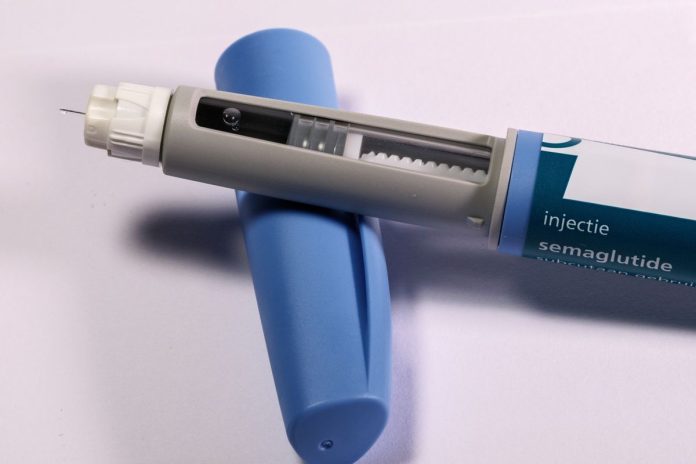
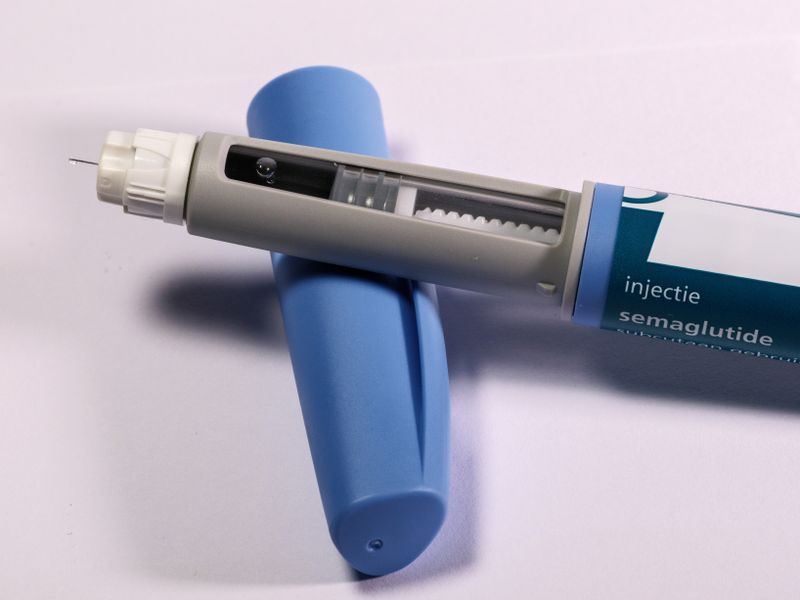
Gala GLP-1 semaglutide injection

The Fast Facts

  • Gala GLP-1 (galaglp1.com) is a fully online telehealth platform for medically supervised weight loss using GLP-1 medications.
  • It facilitates access to both semaglutide and tirzepatide, plus a lower-dose microdosing option, through licensed providers.
  • Medication is compounded (not an FDA-approved finished drug), reviewed by a provider, and shipped to your home on multi-month plans.
This article is for general information only and is not medical advice. GLP-1 medications are prescription treatments with possible side effects and are appropriate only for some people. Compounded medications are not FDA-approved the same way as brand-name drugs. Talk with a licensed provider before starting.

Gala GLP-1 is one of the newer, fast-growing online weight-loss platforms offering GLP-1 medications without in-person clinic visits. Like its peers, it pairs compounded semaglutide and tirzepatide with licensed clinical oversight and home delivery — and adds a microdosing option for a gentler start. This Gala review explains how it works, the treatment choices, the trade-offs of compounded GLP-1s, and who it suits.

A quick look at our picks

  • Core treatment: Gala Semaglutide
  • Stronger option: Gala Tirzepatide
  • Gentle start: Gala Microdosing GLP-1
  • Care model: Gala Online Care Program

What is Gala GLP-1?

Gala GLP-1 is an online medical weight-loss service that helps eligible adults access GLP-1 treatment entirely online. You complete a health assessment, connect with licensed healthcare providers, receive a personalized recommendation if appropriate, and get medication delivered to your home. Importantly, Gala facilitates access to providers — it does not prescribe medication itself and does not guarantee a prescription; a clinician decides based on your health history and goals.

How Gala works

The process mirrors other reputable GLP-1 telehealth services: online intake, provider review, and — if eligible — home delivery with dosing guidance. GLP-1 medications are typically started low and increased gradually to limit side effects, which is where the provider relationship and Gala’s microdosing option come in.

Gala Semaglutide

Gala Semaglutide
★★★★★ 4.4 (online program)
  • Type: compounded semaglutide (GLP-1)
  • Schedule: once-weekly injection
  • Access: licensed provider review
  • Delivery: shipped to your home
Get started with Gala

Our review

Semaglutide is the widely known GLP-1 medication that reduces appetite and slows digestion, helping many people eat less. With Gala, you complete an online health assessment, a licensed provider reviews your history and goals, and — only when medically appropriate — prescribes treatment that ships to your home. As a compounded medication it is prepared by a licensed pharmacy and is not an FDA-approved finished drug product.

Details

  • Prescription required: yes
  • Format: weekly injection
  • Home delivery: yes
  • Best for: proven GLP-1 results

Gala Tirzepatide

Gala Tirzepatide
★★★★★ 4.4 (online program)
  • Type: compounded tirzepatide (dual GLP-1/GIP)
  • Schedule: once-weekly injection
  • Access: provider-determined
  • For: stronger appetite effect
Get started with Gala

Our review

Tirzepatide works on two appetite-related pathways (GLP-1 and GIP) rather than one, and in studies of brand-name versions it has produced greater average weight loss than semaglutide for many people. Gala offers compounded tirzepatide for members whose providers recommend it. Like all compounded GLP-1s, it is pharmacy-prepared and not FDA-approved the same way as brand-name medication.

Details

  • Prescription required: yes
  • Dual-action: yes
  • Weekly: yes
  • Best for: stronger results

Gala Microdosing GLP-1

Gala Microdosing GLP-1
★★★★★ 4.3 (online program)
  • Type: lower-dose GLP-1/GIP option
  • Use case: gentler start, fewer side effects
  • Access: provider-guided
  • Delivery: home
Get started with Gala

Our review

Gala also offers a microdosing option — a lower-dose approach to GLP-1/GIP treatment. The idea is a gentler introduction that may reduce the nausea and digestive side effects some people feel at standard doses, while still supporting appetite control. Whether microdosing is right for you is a decision for your provider based on your goals and tolerance.

Details

  • Prescription required: yes
  • Lower dose: yes
  • Gentler start: possible
  • Best for: side-effect sensitivity

Gala Online Care Program

★★★★★ 4.3 (online program)
  • Type: 100% online telehealth
  • Includes: assessment + provider review + delivery
  • Eligibility: medical screening
  • Plans: multi-month
Get started with Gala

Our review

Gala is fundamentally a care platform: it facilitates access to licensed providers rather than prescribing itself, and it does not guarantee a prescription. The value is the convenience of doing everything online plus clinical oversight for dosing and side-effect management. GLP-1 treatment works best with that guidance, so the provider relationship matters as much as the medication.

Details

  • Fully online: yes
  • No guaranteed prescription: provider decides
  • Ongoing support: yes
  • Best for: convenience

Pros and cons of Gala at a glance

Pros

  • both semaglutide and tirzepatide options
  • a lower-dose microdosing choice for a gentler start
  • fully online with licensed-provider oversight and home delivery
  • multi-month plans that bundle the process

Cons

  • compounded GLP-1s are not FDA-approved finished drugs
  • a prescription is not guaranteed; medical eligibility applies
  • possible GLP-1 side effects (nausea, digestive upset)
  • as a newer platform, it has a shorter track record than established competitors

Understanding compounded GLP-1s

Gala, like most GLP-1 telehealth services, provides compounded semaglutide and tirzepatide. Compounded medications are prepared by licensed pharmacies and can be more accessible, but they are not reviewed or approved by the FDA the way brand-name Wegovy, Ozempic, Zepbound, or Mounjaro are. The rules around compounded GLP-1s have been shifting, so understand this distinction and raise questions with the provider before starting.

Safety and side effects

GLP-1 medications commonly cause nausea, constipation or diarrhea, and reduced appetite, particularly early or after dose increases — one reason a microdosing start appeals to some people. Serious risks are uncommon but real, which is why medical screening and provider oversight matter. They are not suitable during pregnancy or for certain medical histories. Report side effects to your provider and follow the prescribed schedule.

Who Gala is best for

Gala suits adults who qualify medically and want a convenient, fully online route to GLP-1 treatment, especially those drawn to a microdosing start or wanting both semaglutide and tirzepatide options. It is less ideal for anyone who wants brand-name FDA-approved medication only, needs a guaranteed prescription, or prefers a long-established provider with a lengthy track record.

Frequently asked questions about Gala GLP-1

Does Gala guarantee a prescription?

No. Gala facilitates access to licensed providers, who prescribe only when medically appropriate after reviewing your health history and goals.

Is Gala’s medication FDA-approved?

Gala provides compounded semaglutide and tirzepatide, which are pharmacy-prepared but not FDA-approved finished drug products like brand-name versions.

What is microdosing GLP-1?

It is a lower-dose approach intended to ease you into treatment with potentially fewer side effects, while still supporting appetite control. Whether it suits you is a provider decision.

The takeaway

Gala GLP-1 is a convenient, fully online path to medically supervised weight loss, offering semaglutide, tirzepatide, and a gentler microdosing option through licensed providers. The key considerations are the compounded (non-FDA-approved) medications, the fact that a prescription is not guaranteed, typical GLP-1 side effects, and its shorter track record as a newer platform. For qualifying adults who want flexible, accessible GLP-1 treatment, it is worth considering with a provider’s guidance.

How to Manage Cravings and Emotional Eating

Woman reaching for a snack in the kitchen
By Daniel Cole · Updated July 5, 2026 · Fact-checked

You can have the best meal plan in the world and still feel derailed by a late-night craving or a stressful day that sends you straight to the snack cupboard. Cravings and emotional eating are two of the most common reasons people struggle to lose weight, and willpower alone rarely fixes them. The better approach is to understand why they happen and build practical strategies that work with your brain instead of against it. Here is how to manage cravings and emotional eating without turning food into the enemy.

Cravings and emotional eating are not the same thing

It helps to separate the two. A craving is an intense desire for a specific food, often something sweet, salty, or rich. Emotional eating is using food to soothe a feeling, such as stress, boredom, sadness, or even celebration, rather than to satisfy physical hunger. They overlap, but the strategies differ. Recognizing which one you are dealing with in the moment is the first step to responding wisely.

Why cravings happen in the first place

Cravings can have several roots. Sometimes they are physical: skipping meals, eating too little protein or fiber, poor sleep, or dehydration can all trigger the urge to eat. Other times they are learned associations, like wanting popcorn at a movie or something sweet after dinner. Highly processed foods are also engineered to be extremely palatable, which makes them especially easy to crave. Understanding the cause points you toward the right fix.

Build meals that keep hunger steady

Many cravings are really the body reacting to blood sugar swings and genuine hunger. You can prevent a lot of them by building satisfying meals:

  • Include a source of protein at each meal to promote fullness
  • Add fiber from vegetables, fruit, whole grains, or legumes
  • Do not skip meals, which often leads to intense hunger later
  • Stay hydrated, since thirst can masquerade as hunger

When your meals actually satisfy you, cravings tend to lose much of their power.

Spot the emotional triggers

Emotional eating usually follows a pattern once you look for it. Common triggers include stress, boredom, loneliness, fatigue, and anxiety. A simple habit is to pause before eating and ask, “Am I physically hungry, or am I feeling something?” Physical hunger builds gradually and can be satisfied by many foods. Emotional hunger tends to come on suddenly, demands a specific comfort food, and is not eased by a normal meal. Naming the feeling is often enough to loosen its grip.

Create a pause between urge and action

You do not have to obey every impulse the instant it appears. When a craving or emotional urge hits, try building in a short delay. Set a timer for ten minutes, drink a glass of water, step outside, or do a small task. Often the urge fades on its own. If it does not, you can still choose to eat, but now from a calmer, more deliberate place rather than on autopilot.

Give feelings a different outlet

If food has become your main tool for managing emotions, the goal is to widen your toolkit rather than simply resist. Build a short list of non-food ways to cope and keep it visible:

  • A brief walk or some movement
  • Calling or messaging a friend
  • A few minutes of deep breathing or stretching
  • Writing down what you are feeling
  • A relaxing activity like music or a warm shower

Over time, these alternatives can replace the reflex to reach for food when emotions run high.

Drop the all-or-nothing mindset

One of the biggest traps is treating a single slip as total failure. Eating a cookie you did not plan on is not a catastrophe, and labeling foods as strictly “good” or “bad” often backfires by making them more tempting. Aim for balance rather than perfection. Allowing occasional treats in reasonable portions usually reduces the sense of deprivation that fuels bingeing. Self-criticism tends to make emotional eating worse, while self-compassion helps you get back on track faster.

Frequently asked questions

Are cravings a sign my body needs a specific nutrient? Usually not. Most cravings are driven by habit, emotions, hunger, or the appeal of processed foods rather than a true nutrient deficiency. Balanced, regular meals are the best defense.

Is it okay to give in to a craving sometimes? Yes. Enjoying a treat mindfully and in a reasonable portion is part of a sustainable approach. Rigid restriction often leads to stronger cravings and overeating later.

When should I seek extra help? If eating feels out of control, is a primary way you cope with distress, or causes significant worry, it is worth speaking with a healthcare professional who can offer tailored support.

The takeaway

Managing cravings and emotional eating is less about iron willpower and more about strategy: eat satisfying, regular meals, learn to tell physical hunger from emotional hunger, put a pause between urge and action, and build non-food ways to handle feelings. Let go of the all-or-nothing mindset, treat slips with kindness, and you will find that food becomes something you enjoy and control rather than something that controls you.

Related: To see how online prescriptions are handled, read our Willow GLP-1 review.

This article is for general information only and is not medical advice. Talk with a qualified healthcare professional before making changes to your health, diet, exercise, or medication routine.

Bodyweight Workouts: How to Build Strength Without Equipment

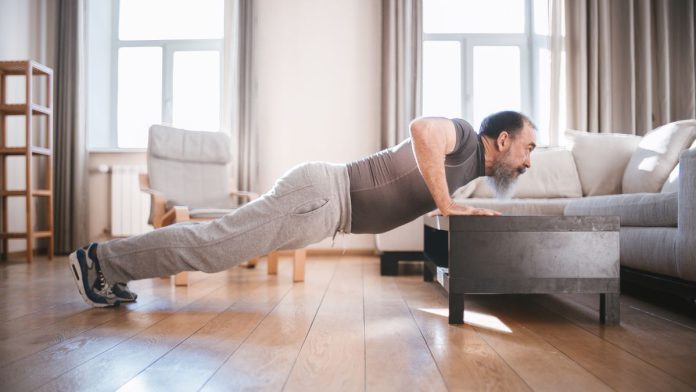
Man doing push-ups during a bodyweight workout at home
By Marcus Reyes · Updated July 5, 2026 · Fact-checked

You do not need a gym membership, a rack of dumbbells, or a lot of space to build real strength. Your own body weight is a versatile, always-available tool, and used well it can improve muscle, endurance, balance, and everyday function. Bodyweight training is how many people get fit at home, while traveling, or on a tight budget. Here is how to build an effective bodyweight routine that grows with you, even if you are starting from scratch.

Why bodyweight training works

Muscles get stronger when you challenge them against resistance, and your body provides plenty of it. Movements like squats, push-ups, and lunges recruit large muscle groups and often several joints at once, which builds practical, coordinated strength. Because these exercises mirror everyday actions such as standing, pushing, and climbing, the strength you gain transfers directly to real life. Bodyweight work also trains balance and core stability in a way that isolated machine exercises often do not.

The core movement patterns to cover

A well-rounded routine hits a handful of basic patterns rather than chasing dozens of random exercises. Aim to include something from each of these:

  • Squatting: bodyweight squats, split squats
  • Pushing: push-ups and their variations
  • Lunging: forward, reverse, or walking lunges
  • Hinging: glute bridges and hip hinges
  • Core and stability: planks and dead bugs

Covering these patterns means you train your whole body without needing a long list of moves.

Starting from the very beginning

If you are new to exercise, begin with easier versions and focus on control. Push-ups can be done against a wall or with your hands on a raised surface before you progress to the floor. Squats can be practiced by standing up from a sturdy chair. There is no shame in regressions; they let you build strength and confidence safely. Quality of movement always beats quantity in the early stages.

How to make exercises harder over time

The challenge with bodyweight training is that once a movement gets easy, you need a way to keep progressing. Fortunately there are several levers you can pull:

  • Do more repetitions or add another set
  • Slow down the movement, especially the lowering phase
  • Reduce rest time between sets
  • Progress to a harder variation, such as moving from knee to full push-ups
  • Add pauses at the hardest point of the movement

This principle of gradually increasing the demand is what keeps your muscles adapting and getting stronger.

A simple weekly structure

For most beginners, two to three full-body sessions a week, with a rest day in between, is a solid starting point. A basic session might include a squat movement, a push movement, a lunge, a hinge, and a core exercise, doing two to three sets of each for a comfortable number of repetitions. Sessions can be as short as twenty to thirty minutes. Consistency across weeks matters far more than any single perfect workout.

Warm up and protect your joints

A few minutes of light movement before you start prepares your muscles and lowers the risk of strain. Gentle marching, arm circles, and easy versions of the movements you are about to do all work well. Pay attention to form over speed, keep movements controlled, and stop if you feel sharp pain, as opposed to normal muscle effort. Building in rest days gives your body the time it needs to recover and grow stronger.

Staying consistent and motivated

The biggest advantage of bodyweight training is convenience, so use it. Keep your routine simple enough that you will actually do it, and attach it to an existing habit, like training right after your morning coffee. Tracking your progress, whether it is more reps or a harder variation, gives you visible proof that you are improving. Even short sessions done regularly beat ambitious plans you abandon after a week.

Frequently asked questions

Can I really build muscle without weights? Yes, especially as a beginner. By progressively making exercises harder, you can build meaningful strength and muscle with bodyweight alone. Very advanced lifters may eventually want added resistance, but most people have plenty of room to grow first.

How often should I train? Two to three full-body sessions a week with rest days in between suits most beginners. You can adjust as your fitness improves.

What if I cannot do a single push-up? Start with wall or incline push-ups and build from there. Everyone begins somewhere, and easier variations are a legitimate part of training, not a failure.

The takeaway

Bodyweight workouts prove that effective strength training does not require equipment or a gym. By covering the main movement patterns, starting at a level that fits you, and gradually making exercises more challenging, you can build strength, stability, and endurance almost anywhere. Keep it simple, warm up, respect rest days, and let consistency do the heavy lifting. Your body is all the equipment you need to begin.

This article is for general information only and is not medical advice. Talk with a qualified healthcare professional before making changes to your health, diet, exercise, or medication routine.

How Screen Time Before Bed Affects Your Sleep (and What to Do)

Woman using her phone in bed at night before sleep
By Hannah Brooks · Updated July 5, 2026 · Fact-checked

For many of us, the last thing we touch at night and the first thing we reach for in the morning is a glowing screen. Scrolling in bed feels relaxing, but it may be quietly working against the deep, restorative sleep your body needs. The connection between late-night screen time and poor sleep is well established, and the good news is that it is one of the easier sleep problems to fix. Here is how screens affect your rest and what you can do about it without giving up your devices entirely.

How light signals your brain to stay awake

Your body runs on an internal clock called the circadian rhythm, which uses light as its main cue. In the evening, as natural light fades, your brain begins releasing melatonin, the hormone that makes you feel sleepy. Bright light, especially the blue-enriched light from phones, tablets, and laptops, can suppress melatonin and trick your brain into thinking it is still daytime. The result is that you feel wired when you should be winding down.

It is not only the light

Blue light gets most of the attention, but the content on your screen matters just as much. Checking work email, reading upsetting news, or getting pulled into an engaging show or game keeps your mind alert and emotionally activated. Social media in particular is designed to hold your attention, so “just five more minutes” easily becomes an hour. This mental stimulation can be as disruptive to sleep as the light itself.

How this shows up in your sleep

Regular late-night screen use is associated with several problems: taking longer to fall asleep, getting less total sleep, and feeling less rested in the morning. Because scrolling delays your bedtime, it often quietly shrinks the window you have for sleep, leaving you short even if the quality were fine. Over time, this can turn into a frustrating cycle of tiredness and dependence on devices to wind down.

Building a screen buffer before bed

One of the most effective changes is to create a buffer zone between screens and sleep. Aim to put devices away thirty to sixty minutes before you plan to sleep. This gives your brain time to produce melatonin and shift out of alert mode. If a full hour feels impossible, start with fifteen minutes and extend it as the habit takes hold. Consistency matters more than perfection.

Make your devices less disruptive

If some evening screen use is unavoidable, a few adjustments soften the impact:

  • Turn on night mode or a warm-color filter to reduce blue light
  • Lower your screen brightness in the evening
  • Silence non-essential notifications after a set hour
  • Avoid work email and stressful content late at night
  • Keep the phone out of arm’s reach so checking it takes effort

These tweaks do not replace a real wind-down, but they reduce how much your devices work against you.

Replace the scroll with a wind-down routine

The habit of scrolling in bed often fills a genuine need to relax and transition into sleep. Rather than simply removing it, replace it with something calming: reading a physical book or e-reader with warm lighting, gentle stretching, a warm shower, journaling, or a short breathing exercise. A predictable routine signals to your body that sleep is coming, and it becomes easier over time as your brain learns the pattern.

Keep the bedroom a screen-light zone

Where you charge your phone has a surprising effect on how you use it. Charging your device across the room, or ideally outside the bedroom, removes the temptation to scroll in bed and check it the moment you wake. Many people use their phone as an alarm, but a simple standalone alarm clock can free the bedroom from screens entirely. Protecting the bedroom as a space for rest strengthens the mental link between being in bed and sleeping.

Frequently asked questions

Do blue-light glasses fix the problem? They may reduce some light exposure, but they do nothing about the mental stimulation of engaging content or the way scrolling delays your bedtime. They are a small aid, not a complete solution.

Is watching TV before bed as bad as using a phone? A TV is usually farther from your eyes and less interactive, so it can be somewhat less disruptive, but stimulating or stressful content still keeps your mind alert. A calm wind-down is better than any screen.

How long before bed should I stop using screens? Aim for thirty to sixty minutes screen-free before sleep. If that feels like a lot, start smaller and build up gradually.

The takeaway

Late-night screen time undermines sleep in two ways: the light suppresses melatonin, and the content keeps your mind switched on. You do not have to abandon your devices, but building a screen-free buffer before bed, dimming and warming your displays, and swapping the bedtime scroll for a calming routine can meaningfully improve how quickly you fall asleep and how rested you feel. Start tonight by charging your phone a little farther from your pillow.

Related: If you want a nighttime routine add-on, our Beam review looks at its Dream sleep powder and how it aims to support rest.

This article is for general information only and is not medical advice. Talk with a qualified healthcare professional before making changes to your health, diet, exercise, or medication routine.

Common Sexual Health Myths, Debunked

Happy couple talking together at home
By Elena Hart · Updated July 5, 2026 · Fact-checked

Few areas of health are surrounded by as much misinformation as sex. Myths get passed along from friends, old magazines, locker rooms, and corners of the internet, and many of them quietly shape how people feel about their own bodies and relationships. Believing something inaccurate can lead to unnecessary worry, awkward silences with a partner, or missed opportunities to get real care. Let us clear up some of the most common sexual health myths with a calm, factual look at what is actually true.

Myth: A healthy sex life means a specific frequency

There is no magic number that defines a “normal” or “healthy” amount of sex. Frequency varies enormously between couples and across different stages of life, and it naturally shifts with stress, health, age, and how busy life gets. What matters far more than a number is whether both partners feel satisfied and connected. Comparing yourself to an imagined average tends to create pressure rather than intimacy.

Myth: Desire should always be spontaneous

Popular culture suggests that desire should strike like lightning, but for many people, especially in long-term relationships, desire is responsive. That means it often shows up after intimacy begins rather than before. Waiting around for a sudden urge can leave couples feeling like something is wrong. Understanding that it is normal to warm up gradually, and that setting the stage matters, takes a lot of pressure off both partners.

Myth: Sexual problems are rare and shameful

Concerns like low libido, difficulty with arousal, discomfort, or performance worries are extremely common and affect people of all genders at some point. They are medical and psychological issues, not moral failings. Stress, medication, hormonal changes, relationship tension, and underlying health conditions can all play a role. Because these concerns are so common, they are also very treatable, which is exactly why talking to a professional is worthwhile rather than suffering in silence.

Myth: You cannot get an STI in a long-term relationship

Sexually transmitted infections are not only a concern for new or casual encounters. Some infections can be present without symptoms for a long time, and testing is the only way to know for sure. Open conversations about testing history and regular check-ups are a normal part of caring for your health together. This is about shared responsibility, not suspicion.

Myth: Aging means the end of a satisfying sex life

Bodies change with age, and some of those changes are real, such as shifts in hormones, arousal, or the time needed between encounters. But plenty of older adults maintain fulfilling, enjoyable intimacy. Adjusting expectations, communicating openly, and addressing any medical factors can keep this part of life rewarding for decades. Aging changes the experience; it does not have to end it.

Myth: If something feels off, staying quiet is easier

Avoiding the topic often makes concerns grow. Whether it is a mismatch in desire, discomfort, or a health worry, silence leaves partners guessing and can breed resentment. A short, honest conversation, ideally outside the bedroom and free of blame, tends to resolve far more than it stirs up. Framing it as “us solving this together” rather than “you have a problem” makes these talks much easier.

Myth: Sexual health is separate from overall health

In reality, the two are deeply connected. Cardiovascular health, blood sugar, hormones, mental health, sleep, and stress all influence sexual function. Sometimes a change in the bedroom is an early signal worth mentioning to a doctor. Taking care of your general health, staying active, managing stress, and limiting smoking and heavy drinking supports your sex life too.

How to separate fact from fiction

When you come across a bold claim about sex, a few habits help you evaluate it:

  • Be skeptical of one-size-fits-all rules about what is “normal”
  • Look to reputable health organizations rather than anecdotes or ads
  • Remember that individual variation is huge and healthy
  • Bring specific concerns to a qualified healthcare professional

Frequently asked questions

Is it normal for desire to change over time? Yes. Desire naturally fluctuates with age, stress, health, and relationship stage. A change is usually normal, though a sudden or distressing shift is worth discussing with a professional.

Should partners really talk about sexual health openly? Absolutely. Honest conversation about needs, comfort, and testing builds trust and prevents misunderstandings. It is one of the most protective habits a couple can have.

When should I see a doctor about a sexual concern? If a problem is persistent, distressing, painful, or a noticeable change from your normal, it is worth a conversation. These issues are common and often very treatable.

The takeaway

Most sexual health myths share a common thread: they impose rigid rules on something that is deeply individual. There is no single correct frequency, desire does not have to be spontaneous, and common concerns are treatable rather than shameful. Sexual health is woven into your overall wellbeing, and open communication with your partner and, when needed, a healthcare professional is the best way to replace anxiety with facts.

This article is for general information only and is not medical advice. Talk with a qualified healthcare professional before making changes to your health, diet, exercise, or medication routine.
34,610FollowersFollow

Must Read