

Monday, July 13, 2026
Home Blog Page 5

Anti-Inflammatory Eating: Foods That Help Calm Inflammation

Woman eating a fresh vegetable salad rich in anti-inflammatory foods
By Priya Nair · Updated July 5, 2026 · Fact-checked

You have probably heard the phrase “anti-inflammatory diet” tossed around in wellness circles, but the idea behind it is grounded in real science. Inflammation is your body’s natural response to injury and infection, and in short bursts it is essential for healing. The problem starts when low-grade inflammation lingers for months or years, a state linked to heart disease, type 2 diabetes, and other chronic conditions. What you eat every day can either nudge that background inflammation up or help calm it down. Here is a practical look at anti-inflammatory eating and how to make it work in a normal kitchen.

What “inflammation” actually means for your health

Acute inflammation is the redness and swelling around a cut or the fever that fights off a cold. Chronic inflammation is quieter and harder to notice. It can simmer at a low level throughout the body, driven by factors like a poor diet, ongoing stress, too little sleep, smoking, and excess body fat. Over time this steady immune activity appears to contribute to a range of long-term diseases. No single food causes or cures it, but your overall pattern of eating is one of the levers you can actually control.

Foods that tend to fuel inflammation

Certain eating patterns are consistently associated with higher markers of inflammation. Cutting back on these is often more impactful than adding any single “superfood.”

  • Sugary drinks and foods with a lot of added sugar
  • Refined carbohydrates like white bread and many packaged snacks
  • Processed and heavily cured meats eaten frequently
  • Fried foods and products made with partially hydrogenated oils
  • Excess alcohol

You do not need to ban these forever. The goal is to make them the exception rather than the daily default.

The building blocks of an anti-inflammatory plate

Rather than chasing a strict list, aim for a colorful, mostly whole-food pattern. Vegetables and fruits deliver antioxidants and polyphenols that help counter oxidative stress. Whole grains, beans, and lentils add fiber that feeds beneficial gut bacteria. Healthy fats from olive oil, nuts, and seeds round things out. This looks a lot like the traditional Mediterranean way of eating, which has the strongest research behind it for lowering inflammation.

Star ingredients worth keeping stocked

A few foods stand out for their anti-inflammatory potential and are easy to work into meals:

  • Fatty fish such as salmon, sardines, and mackerel, rich in omega-3 fats
  • Leafy greens like spinach and kale
  • Berries, cherries, and other deeply colored fruit
  • Extra-virgin olive oil as your main cooking and dressing fat
  • Nuts, seeds, and legumes
  • Spices like turmeric and ginger for everyday flavor

Think of these as reliable defaults rather than magic bullets. Their benefit comes from regular use inside a balanced diet.

The role of fiber and your gut

A large share of your immune system lives in and around your gut, and the bacteria there thrive on fiber. When you eat plenty of vegetables, fruit, whole grains, and legumes, those microbes produce short-chain fatty acids that help keep the gut lining healthy and inflammation in check. If your current diet is low in fiber, increase it gradually and drink enough water to let your system adjust comfortably.

Simple ways to shift your everyday meals

You do not have to overhaul everything at once. Small, repeatable swaps add up:

  • Cook with olive oil instead of butter or refined vegetable oils most of the time
  • Add a serving of vegetables or a handful of greens to lunch and dinner
  • Swap a sugary drink for water, sparkling water, or unsweetened tea
  • Keep nuts or fruit on hand for snacks instead of packaged sweets
  • Aim for fish a couple of times a week

Lifestyle factors that work alongside food

Diet is powerful, but it works best as part of a bigger picture. Regular movement, adequate sleep, not smoking, managing stress, and keeping alcohol moderate all influence inflammation too. If you improve your plate while ignoring chronic sleep loss or high stress, you may not see the full benefit. Treat anti-inflammatory eating as one strong habit within a broader healthy routine.

Frequently asked questions

Do I need special supplements to lower inflammation? For most people, a food-first approach is more reliable and better studied than supplements. Some may benefit from specific supplements, but that is worth discussing with a healthcare professional rather than guessing.

How quickly will I notice a difference? Anti-inflammatory eating is a long-term pattern, not a quick fix. Some people feel better within weeks, but the biggest benefits come from consistency over months and years.

Is any single food “the best” for inflammation? No. Fatty fish, olive oil, and colorful produce are excellent, but the overall pattern matters far more than any one item on your plate.

The takeaway

Anti-inflammatory eating is less about a rigid list of miracle foods and more about a steady, sensible pattern: plenty of vegetables and fruit, whole grains, legumes, healthy fats, and fish, with less added sugar, refined carbs, and heavily processed food. Pair that with good sleep, movement, and stress management, and you give your body a real chance to keep chronic inflammation in check. Start with one or two swaps this week and build from there.

Related: For a look at a popular wellness gummy brand, see our Goli review.

This article is for general information only and is not medical advice. Talk with a qualified healthcare professional before making changes to your health, diet, exercise, or medication routine.

Portion Control Made Simple: How to Eat Less Without Feeling Deprived

Person serving a balanced portion of food onto a plate
By Priya Nair · Updated July 4, 2026 · Fact-checked

You do not have to give up the foods you love to manage your weight. Often the issue is not what you eat but how much of it lands on your plate. Portion sizes have crept upward for decades, and our sense of a normal serving has grown with them. Learning to right-size your portions is one of the most practical and forgiving ways to eat less without feeling like you are on a diet, and without weighing every gram of food.

Why portions matter so much

Weight change ultimately comes down to the balance of energy in and energy out. Large portions quietly tip that balance, because even healthy foods add up when servings are generous. Studies consistently show that when people are given bigger portions, they eat more without feeling any more satisfied. Your stomach and appetite adapt to what is in front of you, which means the size of your serving does a lot of the deciding for you.

Use your plate as a guide

A simple, no-math approach is to build your plate by proportion rather than precise amounts. Aim to fill roughly half with vegetables and fruit, a quarter with protein such as fish, poultry, eggs, or beans, and a quarter with whole grains or starchy foods. This naturally moderates the higher-calorie parts of the meal while filling you up with fiber and volume from produce. It works at home, at a buffet, or on someone else’s cooking.

Let your hand be the measure

You do not need measuring cups to estimate portions. Your own hand is a handy, always-available guide. A palm-sized amount of protein, a cupped-hand of grains or carbohydrates, a fist of vegetables, and a thumb-sized portion of fats like oil or nut butter give you a reasonable serving without any equipment. Because bigger people tend to have bigger hands, this method scales roughly to your own needs.

Slow down and pay attention

It takes time for your body to register fullness, so eating quickly often means eating past the point you needed. Slowing down gives those signals a chance to catch up. Put your fork down between bites, chew thoroughly, and try to eat without a screen in front of you. Eating mindfully helps you notice when you are comfortably satisfied rather than uncomfortably full, which is the real goal of portion control.

Outsmart your environment

The context around a meal shapes how much you eat more than most people realize. A few small tweaks help:

  • Serve food onto plates in the kitchen rather than bringing serving dishes to the table for easy seconds.
  • Use smaller plates and bowls, which make a moderate portion look generous.
  • Store tempting snacks out of sight, and keep fruit and vegetables within easy reach.
  • Portion snacks into a bowl instead of eating straight from the bag.

These changes require willpower once, when you set them up, rather than every single time you eat.

Be smart when eating out

Restaurant portions are often two or three times what you need. You can box up half before you start, split a dish with someone, or order a starter as your main. Being aware that a large plate does not obligate you to finish it is half the battle. The same applies to packaged foods, where a single container often holds several servings.

Do not confuse portion control with deprivation

The aim is not to leave the table hungry. If you feel unsatisfied, add more vegetables, lean protein, or fiber-rich foods, which fill you up for relatively few calories. Portion control works best as a long-term, flexible habit that still leaves room for foods you enjoy in sensible amounts. Treating it as a strict rule you must never break usually backfires.

Frequently asked questions

Do I have to count calories to control portions? No. Visual guides like the plate method and your hand give you a good sense of portions without tracking every calorie, which is easier to maintain long term.

Will smaller portions leave me hungry? Not if you prioritize filling foods. Vegetables, protein, and fiber keep you satisfied on fewer calories, so you can eat a satisfying volume of food.

How long until portion control becomes natural? With repetition, right-sizing your meals starts to feel automatic within a few weeks. The initial adjustment is the hardest part.

The takeaway

Portion control is a quietly powerful tool because it lets you keep eating the foods you enjoy while gently reducing how much you take in. Use your plate and your hand as guides, slow down at meals, and set up your environment to make moderate portions the easy default. Done consistently, these habits support your weight without the misery of feeling deprived.

Related: Thinking about GLP-1 medication? Our Gala GLP-1 review breaks down what to expect from an online weight-loss program.

This article is for general information only and is not medical advice. Talk with a qualified healthcare professional before making changes to your health, diet, exercise, or medication routine.

How to Stay Active at a Desk Job: Movement for Sedentary Days

Person stretching at a desk in an office
By Daniel Cole · Updated July 4, 2026 · Fact-checked

If your workday is built around a chair and a screen, you are not alone, and you are also facing a real health challenge. Long stretches of sitting are linked with a range of problems, from stiff joints and back pain to less obvious effects on metabolism and circulation. The good news is that you do not need a standing desk or a gym membership to counter it. What matters most is breaking up the stillness and weaving small bursts of movement into the day you already have.

Why prolonged sitting is a problem

When you sit for hours without interruption, your muscles are largely inactive, circulation slows, and the body processes blood sugar and fats less efficiently. Researchers sometimes describe this as the hazard of sitting being somewhat independent of exercise, meaning that even a solid workout does not fully cancel out the effects of sitting still for the other eight or nine hours. The remedy is not one big effort but frequent small ones.

Break up your sitting time

The most effective single change is simple: stand up and move for a minute or two every half hour or so. Set a discreet reminder if you tend to lose track of time. Getting your blood flowing regularly does more good than staying glued to the chair and trying to make up for it later. Even standing to take a phone call or walking to refill your water counts.

Build movement into the workday

You can find opportunities to move without disrupting your work. Consider:

  • Taking phone or video calls while standing or pacing.
  • Walking over to a colleague instead of sending a message.
  • Using the stairs rather than the lift for a floor or two.
  • Parking a little farther away or getting off transit a stop early.
  • Holding a short walking meeting when the discussion does not need a screen.

None of these feel like exercise, which is exactly why they are easy to keep up.

Simple stretches at your desk

Sitting tends to tighten the hips, shoulders, and neck. A few gentle stretches through the day can ease that tension. Roll your shoulders back, gently turn your head from side to side, clasp your hands and reach overhead, and stand to stretch your hip flexors and hamstrings. Hold each for a slow breath or two. These take under a minute and can quietly prevent the aches that build up over a long day.

Set up your space to support you

Good positioning reduces strain even while you are seated. Aim to have your screen roughly at eye level, your feet flat on the floor, and your back supported so you are not hunching forward. If you have the option of a sit-stand desk, alternating between sitting and standing is better than either one alone. Standing all day is not the goal, since it brings its own aches; variety is what your body responds to best.

Use your breaks well

Lunch and short breaks are prime opportunities to move. A ten-minute walk after eating aids digestion, clears your head, and adds up over a week. Stepping outside for daylight has the added benefit of supporting your mood and your sleep that night. Treat breaks as movement time rather than another chance to sit somewhere different.

Do not skip real exercise

Moving throughout the day and structured exercise are complementary, not interchangeable. Frequent movement counters the harm of sitting, while dedicated workouts build strength, endurance, and cardiovascular fitness. Aim for the general target of about 150 minutes of moderate activity a week alongside your desk-day habits, and your body gets the best of both.

Frequently asked questions

Is a standing desk enough on its own? It helps reduce sitting time, but standing still for hours has downsides too. The real benefit comes from alternating positions and moving regularly, not simply standing more.

How often should I get up? A good rule of thumb is a brief movement break every 30 minutes. Even one to two minutes of standing or walking makes a difference.

Can desk movement replace going to the gym? No. It reduces the harms of sitting, but you still need structured activity to build fitness and strength. Think of them as two separate goals.

The takeaway

A desk job does not have to mean a sedentary life. The key is to interrupt long stretches of sitting with frequent, low-effort movement, set up your workspace to support your body, and keep up real exercise outside of work. Small habits repeated all day long protect your health more than any single heroic effort at the gym.

Related: Curious about everyday wellness gummies alongside your routine? Our Goli review weighs the pros and cons.

This article is for general information only and is not medical advice. Talk with a qualified healthcare professional before making changes to your health, diet, exercise, or medication routine.

Heart Health for Men: Everyday Habits That Protect Your Heart

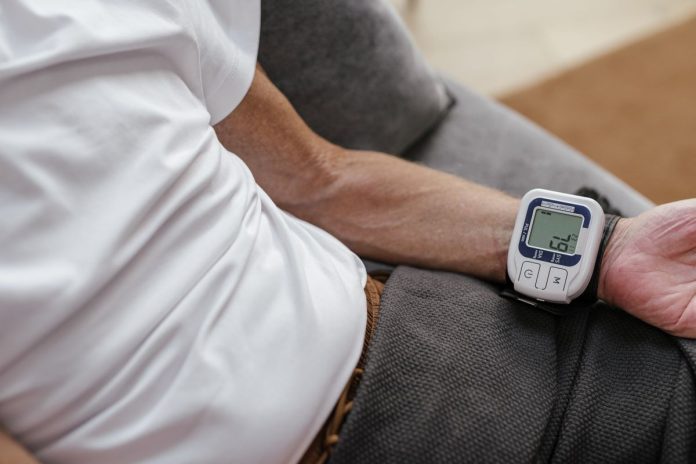
Man using a blood pressure monitor
By Marcus Reyes · Updated July 4, 2026 · Fact-checked

Heart disease is one of the leading causes of death for men, and it often develops quietly over years without obvious symptoms. The encouraging part is that a large share of heart risk is tied to everyday choices, which means you have real influence over it. You do not need a dramatic overhaul. Steady, sustainable habits do more for your heart over a lifetime than any short-lived intensity.

Know your numbers

You cannot manage what you do not measure. Blood pressure, cholesterol, and blood sugar are three of the most important indicators of heart health, and all three can be elevated without you feeling a thing. High blood pressure in particular is often called a silent risk because it rarely causes symptoms until damage is done. Ask your doctor how often you should check these based on your age and history, and keep track of the results over time so you can spot trends.

Move most days

Regular physical activity strengthens the heart muscle, helps control weight, improves cholesterol, and lowers blood pressure. General guidance points to about 150 minutes of moderate activity a week, which breaks down to roughly 30 minutes on most days. That can be brisk walking, cycling, swimming, or anything that raises your heart rate and that you will actually keep doing. Adding a couple of strength sessions a week supports your metabolism and overall health too.

Eat in a heart-friendly pattern

No single food makes or breaks your heart, but your overall eating pattern matters a great deal. Diets rich in vegetables, fruits, whole grains, beans, nuts, fish, and healthy oils are consistently linked with better heart health. Try to limit processed meats, refined carbohydrates, and foods high in added salt and sugar. A practical starting point is to fill half your plate with vegetables and choose water over sugary drinks most of the time.

Rethink alcohol and quit smoking

Smoking is one of the most damaging things you can do to your cardiovascular system, and quitting produces measurable benefits within months. If you smoke, ask your doctor about support, since a combination of counseling and medication works far better than willpower alone. With alcohol, less is better for your heart. If you drink, keeping it moderate is a sensible target, and there is no health reason to start if you do not already.

Take sleep seriously

Poor sleep is increasingly recognized as a heart risk in its own right. Chronically short or fragmented sleep is associated with higher blood pressure and other cardiovascular problems. Loud snoring, gasping, or feeling exhausted despite a full night in bed can be signs of sleep apnea, a condition that strains the heart and is very treatable. If that sounds familiar, it is worth raising with a doctor.

Manage stress before it manages you

Ongoing stress can push up blood pressure and often nudges people toward habits that hurt the heart, such as poor eating, drinking, and skipped exercise. You cannot eliminate stress, but you can build outlets for it. Physical activity, time outdoors, connection with people you trust, and simple breathing or relaxation practices all help. Men in particular sometimes downplay stress, so giving yourself permission to address it is part of the work.

Know the warning signs

Chest pressure or pain, shortness of breath, pain spreading to the arm, neck, or jaw, cold sweats, and sudden lightheadedness can all signal a heart problem, and symptoms are not always dramatic. If you or someone nearby has these signs, treat it as an emergency and call for help immediately. Acting fast can save heart muscle and lives.

Frequently asked questions

At what age should men start worrying about heart health? Prevention matters at every age, but risk climbs as you get older. It is worth discussing screening with your doctor by your 20s or 30s, especially if heart disease runs in your family.

Does family history mean heart disease is inevitable? No. Genetics can raise your risk, but lifestyle still has a major impact. A family history is a reason to be more proactive, not to give up.

Can I undo years of unhealthy habits? Your body responds to positive change at any age. Quitting smoking, moving more, and eating better all lower risk, even if you start later in life.

The takeaway

Protecting your heart comes down to a handful of habits repeated consistently: know your numbers, stay active, eat well, avoid smoking, sleep enough, and manage stress. None of them require perfection. Small, steady choices compound over the years, and it is rarely too early or too late to start giving your heart the support it needs.

Related: Interested in an easy daily wellness add-on? Our Goli review weighs the options.

This article is for general information only and is not medical advice. Talk with a qualified healthcare professional before making changes to your health, diet, exercise, or medication routine.

How Your Bedroom Environment Shapes Your Sleep

Woman sleeping peacefully in a calm, dark bedroom
By Hannah Brooks · Updated July 4, 2026 · Fact-checked

You can do everything right at bedtime and still sleep poorly if the room around you is working against you. The space where you sleep sends constant signals to your body about whether it is safe to wind down, and small adjustments to light, temperature, sound, and comfort can add up to a noticeably better night. Think of your bedroom as a tool for sleep, not just a place you happen to end up at the end of the day.

Darkness tells your brain it is night

Light is the single strongest cue your internal clock uses to decide when to be alert and when to rest. Even modest amounts of light in the evening can suppress melatonin, the hormone that helps you feel drowsy. In the bedroom, aim for as much darkness as you comfortably can. Blackout curtains, a well-fitted eye mask, and covering or removing small glowing electronics all help. If you need a light to move around safely at night, a dim, warm-toned one is far less disruptive than bright white light.

Keep it cool

Your core body temperature naturally dips as you fall asleep, and a cooler room supports that process. Many people sleep best somewhere around 18 degrees Celsius, or the mid-60s Fahrenheit, though the ideal varies from person to person. If you tend to run warm, breathable bedding and lighter layers you can adjust make a big difference. A room that is too hot is one of the most common and most overlooked reasons people wake up in the night.

Manage noise

Sudden or irregular sounds can pull you out of deep sleep even if you do not fully wake up or remember it. If you live somewhere noisy, a fan or a white noise machine can smooth over disruptive sounds by giving your brain a steady, unremarkable backdrop. Earplugs are another simple option. The goal is not total silence, which can actually make occasional noises more jarring, but consistency.

Choose comfort you can feel

A mattress and pillow that suit your body and sleeping position are worth the investment, since you spend roughly a third of your life on them. There is no universally perfect firmness. Side sleepers often want a bit more cushioning at the shoulders and hips, while back and stomach sleepers may prefer firmer support. If you wake up stiff or sore, your setup may be part of the problem.

Reduce clutter and screens

A calm, tidy room is easier to relax in than one piled with reminders of unfinished tasks. You do not need a minimalist showpiece, just a space that feels restful rather than stressful. Screens deserve special attention. Phones and tablets are engineered to keep you engaged, and scrolling in bed both delays sleep and trains your brain to associate the bed with alertness. Try charging devices outside the bedroom, or at least across the room.

Protect the bed for sleep

Your brain builds strong associations with places. If you work, eat, and watch television in bed, it learns that the bed is a place for being awake and busy. Where possible, reserve the bed for sleep and intimacy. This simple boundary strengthens the mental link between lying down and drifting off, which pays off most on the nights when sleep does not come easily.

Fine-tune the air and scent

Fresh, slightly cool air feels better to sleep in than stuffy, stale air, so cracking a window or running a quiet fan can help. Some people find that calming scents such as lavender make winding down easier. The evidence here is modest, but if a familiar, pleasant smell becomes part of your routine, it can act as another gentle signal that it is time to rest.

Frequently asked questions

Does the color of my bedroom matter? There is no strong evidence that specific paint colors change sleep quality. What matters more is that the room feels calming to you and that you can make it dark at night.

Is it bad to sleep with the television on? Both the light and the changing sound can disrupt sleep, even if you fall asleep easily. A sleep timer helps, but a dark, quiet room is better.

What if I share a room with a partner on a different schedule? Eye masks, earplugs, a white noise machine, and dimmable lighting let two people with different needs coexist without one constantly disturbing the other.

The takeaway

Good sleep is not only about what you do in the final hour before bed. It is also about the environment you sleep in. By making your room dark, cool, quiet, comfortable, and free of screens, you remove common obstacles and give your body the conditions it needs to rest. Start with whichever change feels easiest and build from there.

Related: For a closer look at a popular sleep aid, read our Beam Dream review.

This article is for general information only and is not medical advice. Talk with a qualified healthcare professional before making changes to your health, diet, exercise, or medication routine.

Journaling for Mental Health: How Writing Things Down Eases the Mind

Woman sitting by a window writing in a journal
By Elena Hart · Updated July 4, 2026 · Fact-checked

When your thoughts feel like a tangle of worries, deadlines, and half-finished conversations, moving them out of your head and onto paper can be surprisingly powerful. Journaling is one of the oldest and simplest self-care practices, and it costs nothing more than a few quiet minutes and something to write with. It is not about producing polished prose. It is about giving your mind a place to slow down and be heard.

Why writing things down helps

Your working memory can only hold so much at once. When you carry unresolved thoughts around all day, they tend to loop, resurfacing again and again without ever getting resolved. Writing interrupts that loop. Putting a worry into words forces it to take a defined shape, which often makes it feel smaller and more manageable than the vague dread it was a moment earlier.

Research on expressive writing suggests that regularly writing about your thoughts and feelings can lower stress, ease symptoms of anxiety and low mood, and even improve sleep for some people. The act of naming an emotion appears to reduce its intensity, giving you a little distance from it.

You do not need to be a good writer

One of the biggest barriers people face is the belief that journaling has to be eloquent or profound. It does not. Spelling, grammar, and structure are irrelevant here. A journal entry can be a single messy sentence, a bulleted list of what is bothering you, or a page of unfiltered venting. The only audience is you, and you already know what you mean.

Simple ways to start

If a blank page feels intimidating, a gentle prompt can get you moving. You might try writing about:

  • What is weighing on me right now, and what part of it is actually within my control?
  • Three things that went reasonably well today, however small.
  • What I would say to a friend facing the situation I am in.
  • How I am feeling in this exact moment, without judging whether I should feel that way.

Set a timer for five minutes and let yourself stop when it goes off. Keeping the commitment small makes it far more likely you will come back tomorrow.

Different styles for different needs

There is no single correct way to journal. Some people keep a gratitude log, jotting a few good things each night to shift attention toward the positive. Others prefer free writing, letting thoughts spill out without direction. A worry journal, where you write down anxieties and then note whether each one is solvable, can help contain rumination. Pick the style that matches what you need, and feel free to switch as your circumstances change.

Making it a habit that lasts

Habits stick when they are attached to something you already do. Try journaling right after your morning coffee or just before you turn off the light at night. Keep the notebook somewhere visible so it acts as its own reminder. If you miss a day, or a week, simply pick it back up without guilt. Journaling is a practice, not a performance, and a gap does not undo the benefit.

When it stirs up difficult feelings

Writing about painful experiences can sometimes bring emotions closer to the surface before it brings relief. That is normal, but pay attention to how you feel afterward. If revisiting certain memories leaves you consistently more distressed, it is okay to set them aside and write about the present instead. Journaling is a helpful tool, but it is not a replacement for professional support.

When to reach out for more help

If low mood, anxiety, or intrusive thoughts persist for weeks, interfere with work or relationships, or leave you feeling hopeless, that is a sign to talk with a doctor or mental health professional. Journaling can sit alongside therapy beautifully, and many people find that bringing their written reflections into a session helps them get more out of it.

Frequently asked questions

How often should I journal? There is no magic number. A few minutes several times a week is enough to notice benefits. Consistency matters more than length.

Is it better to write by hand or type? Both work. Handwriting can feel slower and more reflective, while typing is faster and easier to keep private with a password. Choose whichever you will actually use.

What if I do not know what to write? Start by describing your day or simply writing the words, “I do not know what to write,” and continuing from there. The act of beginning usually loosens something up.

The takeaway

Journaling is a small, flexible habit with a real upside for mental wellbeing. It gives your thoughts somewhere to go, helps you make sense of what you feel, and creates a quiet moment that is entirely yours. Start with five minutes, drop any pressure to do it perfectly, and let the practice grow at its own pace.

Related: If you are looking for extra support to unwind, our Vena CBD review may help you decide.

This article is for general information only and is not medical advice. Talk with a qualified healthcare professional before making changes to your health, diet, exercise, or medication routine.

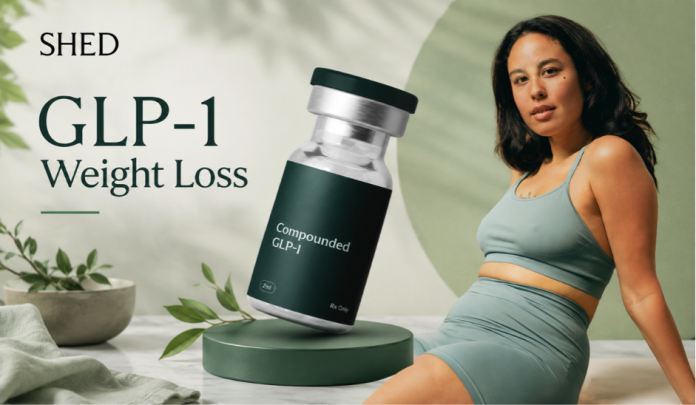
Shed Review 2026: GLP-1 Weight Loss with the Most Format Options

The Fast Facts

  • Shed (tryshed.com) is a LegitScript-approved GLP-1 weight-loss telehealth platform with 150,000+ members.
  • It stands out by offering multiple semaglutide formats — injection plus needle-free drops, lozenges, liposomal tablets, and an oral pill — as well as tirzepatide.
  • Members get coaching and support, and Shed offers a 10% weight-loss money-back guarantee; note the 2-month minimum and dose-escalation pricing.
This article is for general information only and is not medical advice. GLP-1 medications are prescription treatments with possible side effects and are appropriate only for some people. Compounded medications are not FDA-approved the same way as brand-name drugs. Talk with a licensed provider before starting.

Shed is one of the more flexible players in the crowded GLP-1 weight-loss telehealth market. Where most services offer injections only, Shed lets you choose from several delivery formats, which is a genuine advantage for anyone wary of needles. This Shed review covers how the platform works, the treatment options, the pricing model to watch, and who it suits.

A quick look at our picks

  • Core treatment: Shed Semaglutide Injection
  • Needle-free: Shed Needle-Free Semaglutide
  • Stronger option: Shed Tirzepatide
  • Support: Shed Program & Coaching

What is Shed?

Shed is a telehealth platform that facilitates access to GLP-1 weight-loss medications through independent, licensed healthcare providers. It does not prescribe or dispense medication itself; instead it connects you with a verified provider and pharmacy network. With a large member base, a solid Trustpilot rating, and LegitScript approval, it has established itself as a credible option — with its standout feature being the sheer number of medication formats.

How Shed works

You start with a health questionnaire. A licensed provider reviews your information, decides whether GLP-1 treatment is appropriate, and prescribes accordingly. If approved, medication ships to your home, and you get access to coaching and support. GLP-1 doses are typically started low and increased gradually, which is where Shed’s format flexibility and provider guidance come in.

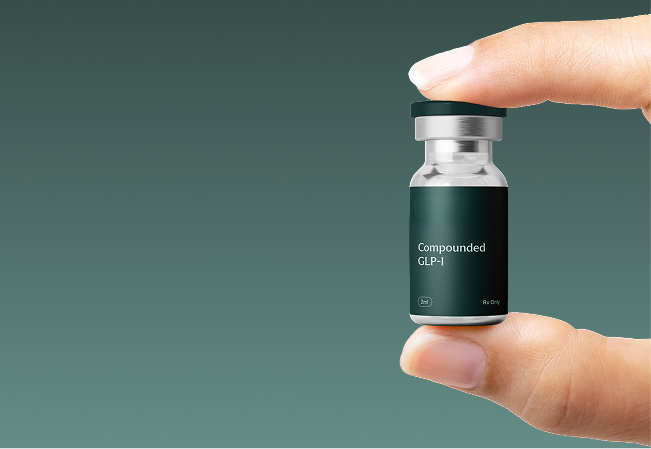
Shed Semaglutide Injection

Shed Semaglutide Injection
★★★★★ 4.5 (150,000+ members)
  • Type: compounded semaglutide (GLP-1)
  • Schedule: once-weekly injection
  • Access: licensed provider review
  • Formats: also available needle-free
Get started with Shed

Our review

The weekly semaglutide injection is Shed’s core GLP-1 offering — the same active ingredient behind well-known weight-loss medications. It reduces appetite and slows digestion, helping many people eat less. Shed connects you with independent licensed providers who review your health questionnaire and prescribe if appropriate, then ship medication to your home. It is LegitScript-approved, a recognized credibility marker.

Details

  • Prescription required: yes
  • LegitScript approved: yes
  • Home delivery: yes
  • Best for: proven results

Shed Needle-Free Semaglutide

Shed Needle-Free Semaglutide
★★★★★ 4.5 (multiple formats)
  • Type: oral & sublingual semaglutide
  • Formats: drops, lozenges, liposomal tablets, oral pill
  • Use case: needle-averse users
  • Access: provider-determined
Get started with Shed

Our review

This is where Shed stands out from most competitors. Instead of injections only, it offers several needle-free semaglutide formats — sublingual drops, lozenges, liposomal tablets, and an oral pill option. That flexibility genuinely helps people with needle anxiety, and it lets you switch formats without changing providers if one does not suit you. Formats differ in dosing and absorption, so your provider guides the choice.

Details

  • Needle-free: yes
  • Format options: 4+
  • Provider-guided: yes
  • Best for: needle anxiety

Shed Tirzepatide

Shed Tirzepatide
★★★★★ 4.4 (dual-action)
  • Type: compounded tirzepatide (dual GLP-1/GIP)
  • Schedule: once-weekly
  • Use case: stronger appetite effect
  • Access: provider-determined
Get started with Shed

Our review

Tirzepatide is the newer, dual-action medication that targets two appetite-related pathways and, in studies of brand-name versions, has shown strong results. Shed offers compounded tirzepatide options for members whose providers recommend it. As with all compounded GLP-1s, it is pharmacy-prepared and not FDA-approved the same way as brand-name medication.

Details

  • Prescription required: yes
  • Dual-action: yes
  • Weekly: yes
  • Best for: stronger results

Shed Program & Coaching

★★★★★ 4.3 (~4.5/5 on Trustpilot)
  • Type: membership with support
  • Includes: health coaching, community, Member Success Manager
  • Guarantee: 10% weight-loss money-back
  • Billing: dose-escalation pricing
Get started with Shed

Our review

Beyond medication, Shed wraps in health coaching, educational resources, a member community, and a dedicated Member Success Manager, plus a 10% weight-loss money-back guarantee. Two things to understand before enrolling: there is a two-month minimum commitment, and Shed uses dose-escalation pricing — your monthly cost rises as your dose increases, so the entry price can look very different at a higher maintenance dose. Billing complaints do appear in reviews, so read the terms carefully.

Details

  • Coaching: included
  • Money-back: 10% guarantee
  • Minimum: 2 months
  • Best for: guided support

Pros and cons of Shed at a glance

Pros

  • the widest range of semaglutide formats, including needle-free options
  • LegitScript-approved with licensed providers
  • coaching, community, and a Member Success Manager
  • 10% weight-loss money-back guarantee

Cons

  • dose-escalation pricing means costs rise as your dose increases
  • two-month minimum commitment
  • billing complaints appear consistently in reviews
  • compounded GLP-1s are not FDA-approved like brand-name versions

The pricing model to understand

Shed’s most important detail is its dose-escalation pricing. Unlike flat-rate competitors, your monthly cost increases as your GLP-1 dose goes up. An attractive entry price can look very different several months in, once you are on a higher maintenance dose. Before enrolling, ask what your cost will be at typical maintenance doses, not just the starting price, and factor in the two-month minimum.

Safety and side effects

GLP-1 medications commonly cause nausea, constipation or diarrhea, and reduced appetite, particularly early or after dose increases. Serious risks are uncommon but real, which is why medical screening and provider oversight matter. They are not suitable during pregnancy or for certain medical histories. Report side effects to your provider and follow the prescribed schedule.

Who Shed is best for

Shed suits adults who qualify medically and value format flexibility — especially anyone who wants to avoid injections or try a different delivery method. It is less ideal for those who want simple flat-rate pricing, brand-name FDA-approved medication only, or a short trial without commitment. Read the pricing and terms closely before signing up.

Frequently asked questions about Shed

Is Shed legit?

Shed is a LegitScript-approved telehealth platform that connects members with independent licensed providers, with a large member base and a strong Trustpilot rating.

What makes Shed different from other GLP-1 services?

Its range of formats. Beyond injections, Shed offers needle-free semaglutide as sublingual drops, lozenges, liposomal tablets, and an oral pill, plus tirzepatide options.

Why does the price go up over time?

Shed uses dose-escalation pricing, so your monthly cost rises as your dose increases. Confirm your expected cost at maintenance doses before enrolling.

The takeaway

Shed is a credible, LegitScript-approved GLP-1 telehealth service whose standout strength is format flexibility — including several needle-free semaglutide options plus tirzepatide — backed by coaching and a weight-loss guarantee. The key watch-outs are dose-escalation pricing, a two-month minimum, and billing complaints. For qualifying adults who want choice in how they take their medication, Shed is well worth considering, provided you go in clear on the pricing.

How to Build Core Strength (and Why It Matters for Everyday Life)

Woman holding a plank position during a core workout
By Hannah Brooks · Updated July 3, 2026 · Fact-checked

Ask most people what the core is and they will point to their abs. But your core is far more than the muscles you see in the mirror. It is a whole network of muscles wrapping around your torso, front, back, and sides, that stabilizes your spine and connects your upper and lower body. A strong core is not really about a flat stomach; it is about moving well, standing tall, and protecting your back through everything from lifting groceries to playing sport. Here is how to understand your core and build it safely, whatever your starting point.

What your core actually is

Your core includes the muscles on the front of your abdomen, the deep muscles that wrap around your midsection like a natural belt, the muscles along your spine, and even parts of your hips and pelvis. Together they work to keep your trunk stable while your arms and legs move. Think of the core as the link in a chain: when it is strong and stable, force transfers efficiently through your body. When it is weak, other areas, often the lower back, end up compensating.

Why core strength matters for everyday life

Core strength shows up everywhere, usually without you noticing. It helps you maintain good posture, keeps your balance as you age, and lets you bend, twist, and lift without straining. A stable core can reduce the risk of lower back pain, one of the most common complaints among adults, by supporting the spine during daily movement. For anyone who exercises or plays sport, a strong core improves performance because nearly every athletic movement relies on transferring force through a stable trunk.

Move beyond crunches

Traditional crunches target only part of the core and can strain the neck and back when done poorly. A more effective approach trains the core to do its real job: resisting movement and stabilizing the spine. Some of the most useful exercises include:

  • Planks and side planks, which build stability throughout the trunk.
  • Dead bugs and bird dogs, which teach the core to stay steady while limbs move.
  • Carries, such as holding a weight at your side while walking, which challenge the whole system.

These train the core the way you actually use it, rather than isolating a single muscle group.

Focus on quality over quantity

When it comes to the core, how you perform an exercise matters more than how many repetitions you grind out. Rushing through movements or holding your breath reduces the benefit and can encourage poor form. Instead, move slowly and with control, keep your spine in a neutral position, and breathe steadily throughout. A shorter set done well will do more for you than a long set performed sloppily. If you feel an exercise mainly in your lower back or neck, that is a sign to adjust your form or scale it back.

How often to train your core

The core is involved in most compound exercises, so it gets some work during squats, deadlifts, and many other movements. Dedicated core training a few times a week is plenty for most people. Because these muscles are used constantly, they tend to recover fairly quickly, but they still benefit from rest, so you do not need to train them every day. Consistency over weeks and months is what builds lasting strength, not occasional intense sessions followed by long gaps.

Build a simple, balanced routine

An effective core routine trains the muscles from several angles rather than only the front. Include an exercise that resists movement, such as a plank, one that challenges the sides, such as a side plank or a carry, and one that involves the back muscles, such as a bird dog. Start with what you can do well and gradually increase difficulty, whether by holding positions longer, adding light resistance, or progressing to harder variations. Warming up first and listening to your body help keep progress steady and injury-free.

Common mistakes to avoid

A few habits hold people back. Chasing only visible abs while ignoring the deeper stabilizing muscles leaves the core unbalanced. Holding your breath during exercises reduces stability and effectiveness. Progressing too quickly, before your form is solid, invites strain. And relying on core work alone while ignoring overall fitness and nutrition rarely produces the results people hope for. A visible midsection depends heavily on overall body composition, which is shaped by diet and total activity, not core exercises alone.

Frequently asked questions

Will core exercises give me a flat stomach? Core training strengthens the muscles, but whether they are visible depends largely on overall body fat, which is influenced by diet and total activity. Strong core muscles and visible abs are related but not the same thing.

How long until I notice results? Many people feel greater stability and better posture within a few weeks of consistent training. Visible changes and bigger strength gains take longer and depend on your overall routine and nutrition.

Are planks better than crunches? For most people, plank-style stability exercises train the core more functionally and with less strain than crunches. A varied routine that includes several movement types is more effective than relying on any single exercise.

The takeaway

A strong core is one of the most useful things you can build for everyday life, supporting your posture, balance, and back through nearly everything you do. Rather than chasing endless crunches or visible abs, train your core the way you use it: with stability-focused exercises done with good form, a few times a week, as part of a balanced fitness routine. Over time, that steady effort pays off in how strong, capable, and comfortable your body feels.

Related: Combining fitness with weight goals? Our Gala GLP-1 review explains the medical weight-loss option.

This article is for general information only and is not medical advice. Talk with a qualified healthcare professional before making changes to your health, diet, exercise, or medication routine.

Vitamins and Minerals: A Simple Guide to Micronutrients

Woman enjoying a fresh colorful vegetable salad
By Priya Nair · Updated July 3, 2026 · Fact-checked

Most conversations about nutrition focus on the big three macronutrients: protein, carbohydrates, and fat. But your body also depends on a long list of vitamins and minerals, known as micronutrients, that you need in much smaller amounts. Despite the tiny quantities, they are anything but minor. Micronutrients drive energy production, immune function, bone strength, nerve signaling, and countless other processes. Falling short can quietly affect how you feel and function long before an obvious problem appears. Here is a practical guide to what they do and how to get enough.

What micronutrients are and why they matter

Micronutrients are the vitamins and minerals your body cannot make in sufficient amounts on its own, so you have to get them from food. Vitamins are organic compounds, while minerals are inorganic elements drawn from soil and water that make their way into plants and animals. Both act as helpers in the chemical reactions that keep you alive. Because your body uses them constantly and stores some only briefly, a steady supply from a varied diet is what keeps everything running smoothly.

The key vitamins at a glance

Vitamins fall into two broad groups. Fat-soluble vitamins, A, D, E, and K, are stored in body fat and the liver, so they build up over time. Water-soluble vitamins, the B vitamins and vitamin C, are not stored well and need regular replenishing. A few of their roles include:

  • Vitamin A supports vision, immune function, and skin health.
  • The B vitamins help convert food into usable energy and support the nervous system.
  • Vitamin C aids immune function and helps the body form collagen.
  • Vitamin D supports bone health and immune function.

The minerals your body relies on

Minerals are equally essential. Major minerals such as calcium, magnesium, potassium, and sodium are needed in larger amounts, while trace minerals like iron, zinc, and iodine are needed in smaller quantities but remain vital. Calcium and magnesium support bones, muscles, and nerves. Potassium and sodium help regulate fluid balance and blood pressure. Iron carries oxygen in the blood, and zinc supports immunity and healing. A diet built on varied whole foods usually supplies this whole spectrum without much effort.

Common shortfalls to watch for

Even in places with plentiful food, certain gaps are common. Vitamin D is a frequent one, especially for people who get little sun exposure. Iron deficiency is common, particularly in menstruating women and some vegetarians. Others, depending on diet and life stage, include calcium, magnesium, and vitamin B12, the last of which is a concern for those following vegan diets since it comes mainly from animal foods. Recognizing your personal risk factors, rather than guessing, is the first step toward addressing any gap.

Get your micronutrients from food first

The most reliable way to meet your needs is a colorful, varied diet. Different plants and animal foods concentrate different nutrients, so variety naturally covers more bases than eating the same few foods repeatedly. A simple approach is to eat a range of colorful vegetables and fruit, include whole grains and legumes, and add quality protein sources. Eating a rainbow is not just a slogan; the pigments in produce often correspond to different beneficial compounds and nutrients.

When supplements make sense, and when they do not

Supplements can help fill genuine gaps, such as vitamin D in low-sunlight conditions or B12 on a vegan diet, but they are not a substitute for a good diet. Whole foods provide micronutrients alongside fiber and other beneficial compounds that pills cannot fully replicate. More is also not always better; some fat-soluble vitamins and minerals can be harmful in excess. If you suspect a deficiency, it is worth testing and speaking with a healthcare professional rather than self-prescribing high doses based on marketing claims.

Simple habits to cover your bases

You do not need to track every nutrient to eat well. A few habits go a long way: fill half your plate with vegetables and fruit most of the time, vary the specific foods you choose from week to week, include a source of healthy fat to help absorb fat-soluble vitamins, and limit heavily processed foods that are often low in micronutrients. Cooking methods matter too; lightly steaming or roasting vegetables preserves more nutrients than prolonged boiling. Small, consistent choices add up to solid nutrition.

Frequently asked questions

Can I get all my vitamins and minerals from food alone? Most people can meet the majority of their needs through a varied, balanced diet. Certain groups and situations may require a supplement, such as vitamin D or B12, but food should be the foundation.

Are more vitamins always better? No. Water-soluble vitamins in excess are usually excreted, but fat-soluble vitamins and some minerals can accumulate to harmful levels. Stick to recommended amounts unless a professional advises otherwise.

How do I know if I am deficient? Symptoms can be vague, so guessing is unreliable. If you have persistent fatigue or other concerns, or fall into a higher-risk group, a healthcare professional can order tests and interpret the results accurately.

The takeaway

Micronutrients may be needed in small amounts, but they support nearly every function in your body. The best strategy is not chasing individual vitamins through pills but building a varied, colorful diet of whole foods that naturally delivers the full range. Pay attention to common shortfalls like vitamin D, iron, and B12 based on your own diet and circumstances, and turn to testing and professional guidance rather than guesswork if you think something is missing.

Related: Interested in greens and everyday nutrition powders? Our Beam review covers its greens and more.

This article is for general information only and is not medical advice. Talk with a qualified healthcare professional before making changes to your health, diet, exercise, or medication routine.

Men’s Bone and Joint Health: Staying Strong as You Age

Active mature man stretching outdoors before exercise
By Marcus Reyes · Updated July 3, 2026 · Fact-checked

Men often think of bone and joint problems as something to worry about only in old age. In reality, the habits you build in your twenties, thirties, and forties largely determine how strong and mobile you will be decades later. Bones reach peak density in early adulthood and then gradually decline, while joints depend on the muscles, tendons, and cartilage around them staying healthy. Osteoporosis and joint issues are often seen as concerns for women, but men are far from immune, and problems in men are frequently underdiagnosed. Protecting your frame is a long game worth starting now.

Why bone and joint health matters for men

Your skeleton does more than hold you up. It protects organs, stores minerals, and provides the anchor points that let you move. As men age, bone density slowly declines and the risk of fractures rises, particularly after significant drops in testosterone or with certain medications and conditions. Joints, meanwhile, can suffer from wear, injury, and inflammation. Keeping both strong preserves independence, reduces pain, and lets you stay active in the activities you enjoy well into later life.

Strength training is your best defense

Resistance training is one of the most effective ways to build and maintain bone density and to support the muscles that stabilize your joints. When muscles pull on bones during weight-bearing exercise, they signal the bone to stay strong. Strong muscles around a joint also absorb load and reduce strain. You do not need to lift heavy from day one; progressive, consistent training matters most. Focus on compound movements that work multiple muscle groups, and increase difficulty gradually to avoid injury.

Do not skip weight-bearing and impact activity

Bones respond to being loaded. Weight-bearing activities, where you support your own body against gravity, help maintain density in ways that non-impact activities like swimming or cycling do not, valuable as those are for other reasons. Useful options include:

  • Walking, hiking, and jogging, which load the lower body and spine.
  • Resistance training with weights, bands, or bodyweight.
  • Activities with controlled impact, such as certain sports or jumping drills, if your joints tolerate them.

If you have existing joint issues, choose activities that challenge your bones without aggravating pain, and progress carefully.

Nutrition that supports your frame

Bones need raw materials. Calcium is central to bone structure, and vitamin D helps your body absorb it, yet many men fall short on both. Good sources of calcium include dairy, fortified plant milks, leafy greens, and canned fish with bones, while vitamin D comes from sunlight, fatty fish, and fortified foods. Adequate protein also supports both bone and muscle. A balanced diet generally covers these needs, but if you suspect a shortfall, a healthcare professional can check your levels and advise whether supplements make sense for you.

Protect your joints during exercise and daily life

Joint health is not just about avoiding damage; it is about moving well. Warming up before activity, using good form when lifting, and progressing gradually all reduce the risk of injury. Maintaining a healthy weight lessens the load on knees and hips, and varying your activities prevents the repetitive strain that can wear specific joints. Mobility and flexibility work helps joints move through their full range comfortably. Small adjustments, like lifting with your legs and setting up an ergonomic workspace, add up over the years.

Habits that quietly weaken bones

Several everyday factors work against bone and joint health. Smoking is associated with lower bone density and slower healing. Heavy alcohol use can interfere with the body’s ability to build bone and raises the risk of falls. A sedentary lifestyle allows both muscle and bone to weaken over time. Being mindful of these patterns, and moderating or eliminating the harmful ones, protects the investment you make through exercise and nutrition. Consistency in avoiding these pitfalls matters as much as any single positive habit.

Know your risk and when to get checked

Some men face higher risk due to family history, low testosterone, long-term use of certain medications such as steroids, or conditions that affect bone. Because bone loss and early joint problems often cause no symptoms until something goes wrong, it is worth discussing your risk with a healthcare professional, especially as you move into middle age. Persistent joint pain, swelling, stiffness, or a fracture from a minor fall all warrant medical attention rather than being brushed off as normal aging.

Frequently asked questions

At what age should men start caring about bone health? Ideally in early adulthood, since bones reach peak density and then decline. Building strength and good habits early gives you more to work with later, but it is never too late to benefit from exercise and good nutrition.

Is running bad for my joints? For most healthy people, running is not inherently harmful and can support bone health. Problems usually arise from doing too much too soon or with poor form. Progress gradually, and adjust if you have existing joint issues.

Can men get osteoporosis? Yes. Although it is more common in women, men do develop osteoporosis and can experience fractures from it. It is often underdiagnosed in men, which is why knowing your risk factors is worthwhile.

The takeaway

Strong bones and healthy joints are not a matter of luck; they are built through consistent effort over years. Regular strength training, weight-bearing activity, sound nutrition with enough calcium, vitamin D, and protein, and avoiding habits like smoking and heavy drinking all protect your frame. Pay attention to your personal risk factors and get checked when something feels off. The work you put in now is what keeps you moving comfortably and confidently for decades to come.

Related: Exploring GLP-1 medication for metabolic health? Our WellMedr review walks through the process.

This article is for general information only and is not medical advice. Talk with a qualified healthcare professional before making changes to your health, diet, exercise, or medication routine.
34,610FollowersFollow

Must Read