


Monday, July 13, 2026
Home Blog Page 6

How Lifestyle Habits Shape Your Sex Life

Happy couple embracing and laughing together outdoors
By Elena Hart · Updated July 3, 2026 · Fact-checked

When people think about sexual health, they often focus on the bedroom itself. But a satisfying sex life is shaped just as much by what happens the rest of the day: how well you sleep, how you move, what you eat, how you handle stress, and how you connect with your partner. Sexual function relies on healthy blood flow, balanced hormones, steady energy, and a calm mind, all of which are influenced by everyday habits. The encouraging part is that the same choices that support your overall health tend to support your sex life too.

Sleep is the foundation many people overlook

Sleep and sexual health are closely linked. Poor or insufficient sleep can lower desire, reduce energy, and affect hormone levels that play a role in arousal. Fatigue also makes it harder to feel present and connected with a partner. Prioritizing consistent, quality sleep is one of the simplest ways to support intimacy. Keeping a regular schedule, limiting screens before bed, and creating a cool, dark room all help you get the rest that your body and libido depend on.

Regular movement supports circulation and confidence

Physical activity benefits sexual health on several fronts. Exercise improves circulation, and healthy blood flow is central to arousal and function for people of all genders. Staying active also boosts energy, supports mood, and can improve how you feel about your body, which often translates into greater confidence and openness with a partner. You do not need an intense routine; regular walking, strength training, and activities you enjoy all contribute. Consistency matters more than intensity.

What you eat affects how you feel

A balanced diet supports the cardiovascular system, and what is good for your heart is generally good for your sex life. Eating patterns rich in vegetables, fruit, whole grains, lean proteins, and healthy fats support circulation and steady energy. Diets heavy in ultra-processed foods and added sugar can work against those goals over time. There is no single magic food, despite what marketing sometimes claims, but a nourishing overall pattern helps your whole body, intimacy included.

Stress and mental health play a central role

Few things dampen desire like chronic stress. When the mind is preoccupied or anxious, it is difficult to relax into intimacy, and ongoing stress can affect hormones and function directly. Mental health conditions such as anxiety and depression can also reduce libido, as can some medications used to treat them. Managing stress through realistic means, whether that is regular downtime, movement, connection, or professional support, is an important part of caring for your sexual health rather than a separate issue.

Alcohol, smoking, and other habits

Some habits quietly undermine sexual health. Smoking damages blood vessels and can impair circulation over time, which affects arousal and function. Heavy alcohol use can lower desire and interfere with performance, even if a small amount feels relaxing in the moment. Being mindful of these patterns, and cutting back where they are causing problems, can make a real difference. If you use recreational substances, be aware that many can affect libido and function as well.

Communication and connection with your partner

Lifestyle is not only about the body. Emotional closeness strongly influences physical intimacy, especially in long-term relationships. Feeling heard, appreciated, and safe with a partner makes desire easier to access. Making time for each other, talking openly about needs and preferences, and addressing tension before it festers all support a healthier sex life. When couples treat intimacy as something they nurture together rather than something that should happen automatically, it tends to improve.

When to talk to a professional

Sometimes lifestyle changes are not enough, and that is worth taking seriously rather than ignoring. Persistent changes in desire or function can signal an underlying issue such as a hormonal imbalance, a cardiovascular concern, a medication side effect, or a mental health condition. These are common and usually treatable. A healthcare professional can help identify the cause and appropriate options, so there is no need to feel embarrassed about raising the topic. Seeking help is a sign of taking your health seriously.

Frequently asked questions

Can improving my lifestyle really improve my sex life? Often, yes. Because sexual function depends on circulation, hormones, energy, and mood, habits that support those systems frequently improve desire and function over time, though results vary from person to person.

How quickly will I notice a difference? Some changes, like better sleep or reduced stress, can help within weeks, while improvements tied to fitness or diet may take longer. Consistency over months tends to matter more than any quick fix.

Is a lower libido always a problem? Not necessarily. Desire naturally varies with age, life circumstances, and relationships. It becomes worth addressing when it causes distress for you or your partner, or when it changes suddenly without an obvious reason.

The takeaway

Your sex life does not exist in isolation from the rest of your health. Sleep, movement, nutrition, stress management, and honest connection with your partner all shape desire and function in meaningful ways. Rather than searching for a single fix, focus on building a lifestyle that supports your whole body and mind. If concerns persist despite healthy habits, a healthcare professional can help you find answers and effective options.

Related: Curious about checking your hormone levels? Our Everlywell review looks at at-home hormone panels.

This article is for general information only and is not medical advice. Talk with a qualified healthcare professional before making changes to your health, diet, exercise, or medication routine.

How to Keep the Weight Off: A Guide to Weight Maintenance

Smiling woman preparing a healthy meal in a bright kitchen
By Daniel Cole · Updated July 3, 2026 · Fact-checked

For many people, losing weight is only half the battle. Studies of dieters consistently show that a large share regain much of the weight within a few years. That is not a personal failing; it reflects how the body defends its weight and how hard it is to sustain habits built for a short-term push. Weight maintenance is a skill of its own, and the good news is that it can be learned. This guide covers what actually helps you keep the weight off for the long run.

Why the body pushes back after weight loss

When you lose a meaningful amount of weight, your body adapts. It burns slightly fewer calories at rest, hunger hormones such as ghrelin tend to rise, and fullness signals can weaken. This combination nudges you to eat more and move less, often without you noticing. Understanding this biology matters, because it reframes maintenance as an ongoing process rather than a finish line. You are not doing anything wrong when appetite creeps back; you are simply working with a body that resists change.

Shift from a diet to a sustainable routine

The eating pattern that helped you lose weight quickly is rarely the one that keeps it off. Very restrictive plans are hard to maintain for years. The aim now is a way of eating you can genuinely live with: enough protein and fiber to stay satisfied, plenty of vegetables and fruit, mostly whole foods, and room for the meals you enjoy so you do not feel deprived. Maintenance is less about willpower and more about designing a routine that does not constantly demand it.

Keep protein and fiber at the center of meals

Two nutrients do a lot of quiet work in maintenance. Protein helps preserve muscle and keeps you full between meals, while fiber slows digestion and supports steadier energy. Building most meals around a protein source and a generous portion of vegetables, beans, or whole grains makes it easier to eat the right amount without counting every calorie. Some practical anchors include:

  • A protein source at each meal, such as eggs, yogurt, fish, poultry, tofu, or legumes.
  • Vegetables or fruit filling roughly half your plate most of the time.
  • Whole grains and beans in place of heavily refined options when you can.

Make movement a daily habit, not just a workout

Structured exercise is valuable, but everyday movement often matters just as much for maintenance. People who keep weight off tend to stay active in ordinary ways: walking, taking stairs, standing more, and doing chores. Resistance training deserves special mention because it helps protect the muscle you have, which supports your metabolism. Aim for a mix of regular walking or cardio you enjoy and a couple of strength sessions each week. The best routine is the one you will keep doing.

Weigh the value of self-monitoring

Keeping a light eye on your progress helps you catch small regains before they become large ones. That might mean stepping on the scale a couple of times a week, tracking meals occasionally when things drift, or simply noticing how your clothes fit. The goal is awareness, not obsession. If regular weigh-ins increase anxiety or lead to unhealthy behavior, choose a gentler measure instead. What matters is having some feedback loop so you can adjust early.

Protect your sleep and manage stress

Short sleep and chronic stress both make maintenance harder. Poor sleep can increase appetite and cravings for calorie-dense foods, while ongoing stress can drive emotional eating. Treating rest and stress management as part of your weight plan, rather than separate concerns, pays off. Aim for a consistent sleep schedule, wind down before bed, and build in reliable ways to decompress, whether that is a walk, time with people you like, or a hobby that pulls you away from screens.

Plan for slip-ups and social life

No one eats perfectly, and trying to can backfire. Holidays, vacations, and stressful weeks will interrupt your routine, and that is normal. The people who maintain weight successfully are not the ones who never slip; they are the ones who return to their habits quickly without spiraling into all-or-nothing thinking. Decide in advance how you will handle common situations, and treat a single indulgent meal as one data point, not a reason to abandon everything.

Frequently asked questions

How long does weight maintenance take? It is ongoing rather than temporary. The adaptations that follow weight loss can persist for a long time, so maintenance is best viewed as a permanent shift in habits rather than a phase with an end date.

Is it normal for my weight to fluctuate day to day? Yes. Daily changes of a pound or two usually reflect water, food volume, and other short-term factors. Look at trends over weeks rather than reacting to any single reading.

Do I need to keep exercising to maintain weight? Regular activity strongly supports maintenance, both by burning energy and by protecting muscle. You do not need extreme workouts, but staying consistently active makes keeping the weight off much easier.

The takeaway

Keeping weight off is a different challenge from losing it, and it deserves its own strategy. By building a sustainable eating pattern rich in protein and fiber, staying active every day, monitoring your progress gently, protecting sleep, and planning for the inevitable slip-ups, you work with your biology instead of against it. Maintenance is not about being perfect; it is about being consistent enough, for long enough, that healthy habits simply become how you live.

Related: If you are weighing medical weight-loss support, our Gala GLP-1 review explains how doctor-prescribed semaglutide and tirzepatide programs work online.

This article is for general information only and is not medical advice. Talk with a qualified healthcare professional before making changes to your health, diet, exercise, or medication routine.

Goli Review 2026: Apple Cider Vinegar, Ashwagandha, and Wellness Gummies

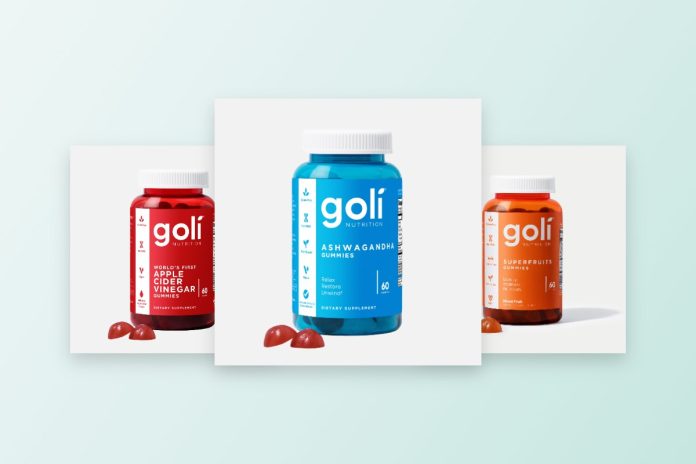
Goli Nutrition gummies

The Fast Facts

  • Goli Nutrition is a West Hollywood brand famous for turning supplements into tasty gummies, starting with its viral Apple Cider Vinegar gummies.
  • All Goli gummies are vegan (pectin-based, not gelatin), non-GMO, and gluten-free.
  • The lineup now covers ACV, ashwagandha, superfruits, supergreens, sleep, and NAD+ — backed by a 30-day money-back guarantee.
This article is for general information only and is not medical advice. Dietary supplements are not intended to diagnose, treat, cure, or prevent any disease and are not a substitute for a balanced diet. Talk with a healthcare professional before starting new supplements, especially if pregnant, nursing, or taking medication.

Goli helped kick off the “supplements as gummies” trend, and its cheerful bottles are now everywhere from Amazon to Walmart shelves. The appeal is simple: take your ACV, ashwagandha, or greens as a tasty chew instead of a pill or powder. This Goli review looks at the brand’s most popular gummies, what they actually do, the trade-offs of the gummy format, and who they suit.

A quick look at our picks

  • Signature: Goli Apple Cider Vinegar Gummies
  • Stress: Goli Ashwagandha Gummies
  • Beauty: Goli Superfruits Gummies
  • Greens: Goli Supergreens Gummies
  • Sleep: Goli Dreamy Sleep Gummies

What is Goli?

Goli Nutrition is a wellness brand that built its reputation on making supplements enjoyable to take. Its products are formulated as gummies using pectin instead of gelatin, so they are vegan-friendly, and the brand emphasizes non-GMO, gluten-free ingredients. Goli became a viral success with its Apple Cider Vinegar gummies and has since expanded into adaptogens, greens, beauty, sleep, and more.

Goli products we looked at

The selection below covers Goli’s core lineup. Each card lists the product, key specs, and our take.

Goli Apple Cider Vinegar Gummies

Goli Apple Cider Vinegar Gummies
★★★★★ 4.6 (20,000+ ratings)
  • Type: ACV gummy supplement
  • Adds: vitamins B9 & B12, beetroot, pomegranate
  • Base: pectin (vegan, no gelatin)
  • Certified: non-GMO, gluten-free
Shop now at Goli

Our review

The Apple Cider Vinegar gummies are the product that made Goli a household name. They deliver real apple cider vinegar in a chewable form so you skip the harsh, sour taste of drinking it straight, and they add vitamins B9 and B12 plus beetroot and pomegranate. They are vegan (pectin-based, no gelatin), non-GMO, and gluten-free.

Reviewers overwhelmingly praise the taste. Just remember these are a supplement, not a weight-loss cure — ACV’s benefits are modest and the evidence is limited, so treat them as a convenient way to add ACV to your routine.

What our tester says

“They actually taste like an apple candy, not vinegar — easy to remember to take because I look forward to them.”

Product details

  • Vegan: yes
  • Servings: 2 gummies/day typical
  • Money-back: 30 days
  • Best for: daily ACV routine

Goli Ashwagandha Gummies

Goli Ashwagandha Gummies
★★★★★ 4.5 (8,000+ ratings)
  • Type: adaptogen gummy
  • Key ingredient: KSM-66 ashwagandha + vitamin D
  • Use case: stress and calm
  • Base: pectin, vegan
Shop now at Goli

Our review

These use KSM-66, a well-studied ashwagandha root extract, alongside vitamin D. Ashwagandha is an adaptogen traditionally used to help the body manage stress, and it is one of the better-researched herbs in the category. Goli’s gummy format makes it easy to take daily. Effects tend to be subtle and build over weeks rather than working instantly.

Product details

  • Vegan: yes
  • Added vitamin D: yes
  • Money-back: 30 days
  • Best for: everyday stress

Goli Superfruits Gummies

Goli Superfruits Gummies
★★★★★ 4.4 (2,000+ ratings)
  • Type: antioxidant beauty gummy
  • Highlights: superfruit blend + collagen-support nutrients
  • Use case: skin and radiance
  • Base: pectin, vegan
Shop now at Goli

Our review

Superfruits is Goli’s beauty-leaning option, combining an antioxidant-rich blend of fruit extracts with nutrients aimed at supporting skin. Like most “beauty from within” products, results are gradual and individual — give it consistent daily use over a couple of months before judging. It is a pleasant, low-effort way to add antioxidants to your day.

Product details

  • Vegan: yes
  • Antioxidants: yes
  • Money-back: 30 days
  • Best for: skin support

Goli Supergreens Gummies

Goli Supergreens Gummies
★★★★★ 4.3 (1,500+ ratings)
  • Type: greens gummy
  • Highlights: greens & superfood blend
  • Use case: filling diet gaps
  • Base: pectin, vegan
Shop now at Goli

Our review

Supergreens brings a greens-powder concept into gummy form, with a blend of green superfoods and plant extracts. It is a convenient nudge toward more plant nutrients for people who struggle to eat enough vegetables — but it is a supplement, not a substitute for real produce. The gummy format trades the higher doses of a full greens powder for far better taste and ease.

Product details

  • Vegan: yes
  • Greens blend: yes
  • Money-back: 30 days
  • Best for: veggie gaps

Goli Dreamy Sleep Gummies

Goli Dreamy Sleep Gummies
★★★★★ 4.4 (3,000+ ratings)
  • Type: nighttime sleep gummy
  • Key ingredients: melatonin + calming botanicals
  • Use case: occasional sleeplessness
  • Base: pectin, vegan
Shop now at Goli

Our review

Dreamy Sleep pairs melatonin with calming ingredients to help you wind down at night. Melatonin can help signal bedtime, especially for occasional sleeplessness or a shifted schedule, though it affects people differently and some feel groggy the next morning. Use it on nights without an early, sharp start and take it about 30 minutes before bed.

Product details

  • Vegan: yes
  • Contains melatonin: yes
  • Nighttime only: yes
  • Best for: winding down

Pros and cons of Goli at a glance

Pros

  • genuinely tasty, easy-to-take gummy format
  • vegan, non-GMO, gluten-free across the range
  • widely available and beginner-friendly
  • 30-day money-back guarantee

Cons

  • gummies often contain lower active doses than capsules or powders
  • added sugars or sweeteners in some products
  • benefits of ACV and some ingredients are modest and limited by evidence
  • supplements, not replacements for a balanced diet

The gummy trade-off

The reason Goli is so easy to take is also its main limitation: gummies typically carry smaller doses of active ingredients than an equivalent capsule or powder, and they may include sweeteners to taste good. That is a fine trade-off if the alternative is not taking a supplement at all — a pleasant gummy you actually remember beats a potent powder gathering dust. Just set realistic expectations about potency.

Quality and transparency

Goli lists its ingredients clearly and highlights its vegan, non-GMO, and gluten-free credentials. As with any supplement, check the label for the specific active amounts and any added sugars, and remember that in the U.S. supplements are not pre-approved by the FDA. The 30-day money-back guarantee lowers the risk of trying a product that does not suit you.

Who Goli is best for

Goli suits people who want an approachable, pleasant way to add popular supplements to their routine and value taste and convenience over maximum potency. It is less ideal for those seeking high-dose, clinical-strength formulations, or anyone who needs to avoid added sweeteners. If you dislike swallowing pills or drinking ACV, Goli is one of the easiest on-ramps available.

Frequently asked questions about Goli

Do Goli ACV gummies help with weight loss?

They are marketed for general wellness, not weight loss. Apple cider vinegar’s effect on weight is modest and not well established, so treat these as a convenient ACV supplement rather than a slimming aid.

Are Goli gummies vegan?

Yes. Goli uses pectin instead of gelatin, and its products are labeled vegan, non-GMO, and gluten-free.

Are supplements like Goli FDA-approved?

No. In the U.S., dietary supplements are not approved by the FDA before sale. They are not intended to diagnose, treat, cure, or prevent disease.

The takeaway

Goli turned taking supplements into something people actually enjoy, and that is its real strength: tasty, vegan, widely available gummies with a money-back guarantee. The trade-off is lower potency and some added sweeteners compared with capsules or powders, and the benefits of ingredients like ACV are modest. For anyone who wants an easy, beginner-friendly way to build a supplement habit, Goli is a solid, low-commitment choice.

How Alcohol Affects Men’s Health: What You Should Know

Thoughtful middle-aged man looking to the side
By Daniel Cole · Updated July 1, 2026 · Fact-checked

A beer after work or a glass of something on the weekend is a normal part of life for many men. But alcohol affects the male body in ways that are easy to overlook, from sleep and testosterone to the heart and long-term disease risk. Understanding those effects does not mean you have to quit. It means you can make informed choices about how much, how often, and when.

Here is a clear look at how alcohol influences men’s health, and how to keep your habits in the low-risk range.

How the body handles alcohol

When you drink, alcohol is absorbed into your bloodstream and processed mainly by your liver, which can only handle about one standard drink per hour. Anything beyond that circulates and affects your brain, heart, and other organs until your body catches up. Men often metabolize alcohol somewhat differently than women due to body composition, but that does not make them immune to its effects.

Testosterone, fertility, and sexual health

Alcohol has a real relationship with male hormones. Heavy or chronic drinking can lower testosterone levels, reduce sperm quality, and contribute to erectile difficulties over time. While an occasional drink is unlikely to cause lasting harm, regular heavy drinking can interfere with the hormonal and vascular systems that support sexual health and fertility. For men trying to conceive or noticing changes, cutting back is a sensible first step.

The effect on sleep

Many men use a drink to unwind before bed, but alcohol is a poor sleep aid. It may help you fall asleep faster, yet it fragments sleep later in the night and suppresses the deep, restorative stages. The result is lighter, more broken rest and grogginess the next day. If you drink in the evening, finishing a few hours before bed helps limit the disruption.

Heart and blood pressure

The idea that alcohol is good for the heart has been heavily revised in recent years. While light drinking was once thought protective, current understanding is that the risks rise with the amount you drink, and there is no clearly beneficial level. Regular heavy drinking raises blood pressure and can contribute to irregular heart rhythms and heart disease over time. Keeping intake moderate is the heart-smart approach.

Weight, liver, and long-term risk

Alcohol is calorie-dense and easy to overconsume, and it often comes with late-night snacking, which is why it can quietly contribute to weight gain, especially around the midsection. Over the long term, excessive drinking strains the liver and is linked to several cancers and other chronic conditions. These risks build gradually, which is exactly why habits matter more than any single night out.

What moderate drinking actually means

Health guidelines commonly define moderate drinking for men as up to two standard drinks per day, and less is better. A standard drink is smaller than many people assume: roughly a 12-ounce regular beer, a 5-ounce glass of wine, or a 1.5-ounce shot of spirits. The generously poured drinks at home or the bar can easily be one and a half or two standard drinks each, so honest counting matters.

Simple ways to cut back

If you want to drink less without giving it up entirely, a few strategies help: alternate alcoholic drinks with water, set a number before you go out and stick to it, keep several alcohol-free days each week, avoid drinking to cope with stress, and pour your own measured drinks rather than topping up. If cutting back feels difficult or you rely on alcohol to get through the day, that is worth an honest conversation with a doctor.

Frequently asked questions

How much alcohol is safe for men? Guidelines suggest no more than two standard drinks a day, and less is better. There is no amount considered completely risk-free, so moderation is the goal.

Does alcohol really lower testosterone? Occasional drinking has little lasting effect, but heavy or chronic drinking can reduce testosterone and affect sperm quality and sexual function over time.

Is it true that a drink helps you sleep? Alcohol may help you fall asleep faster, but it worsens sleep quality by disrupting deep sleep, so you end up less rested overall.

The takeaway

Alcohol touches nearly every part of men’s health, including hormones, sleep, the heart, weight, and long-term disease risk, and those effects scale with how much and how often you drink. You do not necessarily need to abstain, but counting standard drinks honestly, keeping intake moderate, and building in alcohol-free days protect your health without demanding you give up the occasional glass. If cutting back is hard, reaching out for support is a smart and healthy move.

Related: If you are keeping tabs on your numbers, our Everlywell review looks at at-home lab tests for things like testosterone and metabolic health.

This article is for general information only and is not medical advice. Talk with a qualified healthcare professional before making changes to your health, diet, exercise, or medication routine.

Stretching and Mobility: How to Stay Flexible at Any Age

Woman stretching her body during a gentle exercise session
By Marcus Reyes · Updated July 1, 2026 · Fact-checked

We tend to celebrate strength and endurance, but flexibility and mobility quietly shape how good you feel in everyday life. They determine whether you can tie your shoes without a groan, reach the top shelf, twist to check your blind spot, or get up off the floor with ease. The reassuring truth is that mobility is trainable at any age, and it does not require hours of yoga or contortionist goals.

Here is a practical guide to staying flexible and mobile for the long run, whatever your starting point.

Flexibility and mobility are not the same thing

It helps to know the difference. Flexibility is how far a muscle can lengthen, such as touching your toes. Mobility is how well a joint moves through its full range with control, such as a deep squat. You can be flexible but lack mobility if you cannot control that range, and you can be strong but stiff. The goal is usable range of motion: the ability to move freely and steadily through the positions daily life demands.

Why we stiffen up over time

Stiffness is often blamed on age, but inactivity is usually the bigger factor. Sitting for long hours shortens the hip flexors, rounds the upper back, and lets certain muscles go quiet. Tissues adapt to the positions you spend the most time in, so a mostly seated day teaches your body to be comfortable folded in a chair. The encouraging flip side is that your body responds just as readily to regular, varied movement.

Move often, not just occasionally

The simplest mobility strategy is to break up long periods of sitting. Standing, walking, and gently moving your joints every 30 to 60 minutes keeps tissues supple far better than one long stretch at the end of the day. Think of movement as maintenance you sprinkle throughout the day, like drinking water, rather than a single scheduled chore.

Warm up dynamically, cool down statically

Timing your stretches matters. Before activity, dynamic stretches, which move a joint through its range like leg swings, arm circles, and gentle lunges, prepare the body and tend to improve performance. Static stretches, where you hold a position, are better suited to after a workout or as their own calm session, when muscles are warm. Holding a stretch for around 20 to 30 seconds, breathing slowly, is plenty for most people.

Focus on the areas that stiffen most

You do not need to stretch everything. For most people, a handful of areas deliver the biggest payoff: the hips, hamstrings, chest and shoulders, upper back, and ankles. Gentle moves like a hip flexor lunge, a doorway chest stretch, seated spinal twists, and calf stretches target the exact spots that a modern, seated lifestyle tends to tighten. A few minutes on these regions goes a long way.

Add strength through full range

Flexibility without strength can feel unstable. Training your muscles through their full range of motion, such as squatting to a comfortable depth or doing controlled lunges, builds mobility that actually holds up. This is why practices like yoga, tai chi, and mobility drills work so well: they combine range of motion with control. Strength and flexibility are partners, not competitors.

Be consistent, gentle, and patient

Mobility improves with frequency more than intensity. Five to ten minutes most days beats one long, aggressive session a week. Stretching should feel like a mild pull, never sharp pain, and you should never bounce into a position. Progress is gradual, so give it a few weeks before judging results. If you have an injury, joint condition, or specific limitation, check with a physical therapist or doctor for guidance tailored to you.

Frequently asked questions

Should I stretch before or after exercise? Use dynamic, moving stretches to warm up before activity, and save longer static holds for after your workout or a separate session when your muscles are warm.

How often should I stretch to see results? Consistency matters most. Aim for five to ten minutes most days rather than one long weekly session, and expect noticeable change over a few weeks.

Can older adults improve flexibility? Absolutely. Range of motion responds to training at any age. Progress may come a little more gradually, but gentle, regular practice reliably improves mobility and ease of movement.

The takeaway

Staying flexible is less about genetics or age and more about how often you move through your full range. Break up sitting, warm up with dynamic moves, hold gentle stretches after activity, focus on the hips, back, shoulders, and ankles, and pair it all with strength through full range of motion. A few consistent minutes each day is enough to keep your body moving freely for decades to come.

Related: For recovery, greens, and creatine, our Beam review breaks down what is inside.

This article is for general information only and is not medical advice. Talk with a qualified healthcare professional before making changes to your health, diet, exercise, or medication routine.

How to Read Nutrition Labels: A Simple Guide to Smarter Choices

Woman reading a food package label while grocery shopping
By Priya Nair · Updated July 1, 2026 · Fact-checked

The nutrition label on the back of a package is one of the most useful tools for eating well, yet it is easy to feel overwhelmed by the numbers, percentages, and unfamiliar ingredient names. The good news is that you do not need a nutrition degree to read a label with confidence. Once you know what to look for and in what order, you can size up a product in about ten seconds.

Here is a simple, practical guide to reading food labels so you can make smarter choices without the guesswork.

Start with the serving size

Every number on the label is based on one serving, so this is where you begin. A small bag of chips may list two or three servings, which means the calories and other values you see could be half or a third of what you actually eat. Before anything else, check the serving size and how many servings are in the package, then multiply accordingly. Skipping this step is the most common labeling mistake.

Put calories in context

Calories tell you how much energy a serving provides, but the number matters most in relation to the whole food. A high-calorie food that is rich in protein, fiber, and nutrients can be a great choice, while a low-calorie food with little nutrition may not keep you full. Use calories as one data point, not the only one, and always read them alongside the serving size.

Scan the nutrients to get less of

Nutrition guidance generally suggests limiting saturated fat, sodium, and added sugars. Added sugars are especially worth a look, because they appear in many products you might not expect, from sauces to bread. On labels that show it, added sugar is listed separately from total sugar, which helps you tell natural sugars in fruit or dairy from those stirred in during processing. Sodium adds up quickly too, particularly in packaged and canned foods.

Look for the nutrients to get more of

Just as important is what you want more of: dietary fiber, and nutrients like potassium, calcium, vitamin D, and iron. Fiber supports digestion and helps you feel full, and many people fall short of the recommended amount. When comparing two similar products, the one with more fiber and beneficial nutrients is usually the better pick.

Make sense of the percent daily value

The percent daily value, or %DV, shows how much a nutrient in one serving contributes to a typical daily diet. A quick rule makes it easy: 5 percent or less is low, and 20 percent or more is high. Use this to aim high on fiber and beneficial nutrients and low on sodium, saturated fat, and added sugars. It lets you judge a product at a glance without doing any math.

Read the ingredient list

Ingredients are listed in order of quantity, from most to least. That means the first few ingredients make up the bulk of the food. If sugar, refined flour, or an oil appears at the very top, the product is largely made of those. A shorter list of recognizable ingredients is often, though not always, a sign of a less processed food. Watch for sugar under its many names, such as syrups, cane juice, and words ending in “ose.”

Do not be fooled by front-of-package claims

Words like natural, light, multigrain, or made with real fruit are marketing terms, and they can be misleading. A cereal labeled multigrain may still be mostly refined grain, and a low-fat product can be loaded with added sugar to make up for flavor. Treat the front of the package as an advertisement and let the nutrition facts panel and ingredient list give you the real story.

Frequently asked questions

What is the single most important thing to check on a label? The serving size. Every other number depends on it, and misreading it is the easiest way to underestimate what you are eating.

How do I spot hidden sugar? Look at the added sugars line and scan the ingredient list for words like syrup, cane juice, dextrose, and anything ending in “ose.” If several appear, the product likely contains a lot of added sugar.

Is a short ingredient list always healthier? Often, but not always. A short list of whole ingredients is a good sign, yet some nutritious foods have longer lists due to added vitamins. Use it alongside the nutrition panel rather than on its own.

The takeaway

Reading a nutrition label comes down to a simple routine: check the serving size, glance at calories in context, use the percent daily value to get more fiber and nutrients and less sodium, saturated fat, and added sugar, then scan the ingredient list. Ignore the marketing on the front and let the facts panel guide you. With a little practice, this quick habit turns the grocery aisle into a place where you shop with clarity instead of confusion.

Related: Thinking about adding a daily supplement? Our Goli review weighs the pros and cons.

This article is for general information only and is not medical advice. Talk with a qualified healthcare professional before making changes to your health, diet, exercise, or medication routine.

How Caffeine Affects Your Sleep (And When to Have Your Last Cup)

Woman holding a warm cup of coffee in the morning light
By Hannah Brooks · Updated July 1, 2026 · Fact-checked

Coffee is one of life’s small pleasures, and for most people a cup or two a day is perfectly fine. But if you have ever lain awake at midnight wondering why sleep will not come, your afternoon latte may be a quiet culprit. Caffeine is a powerful, long-acting stimulant, and understanding how it works can help you enjoy it without sacrificing your rest.

Here is what caffeine actually does to your sleep, and how to time your last cup so it does not follow you to bed.

How caffeine keeps you awake

Throughout the day, a chemical called adenosine builds up in your brain and gradually makes you feel sleepy. Caffeine works by blocking adenosine receptors, so the pressure to sleep is masked even though your body is still tired. This is why coffee feels like it gives you energy: it is not adding fuel, it is hiding the signal that you are running low.

The catch is that once the caffeine wears off, all that accumulated adenosine is still waiting, which is part of why an afternoon crash can hit so hard.

Caffeine lasts longer than you think

The most important number to know is caffeine’s half-life, which is roughly five to six hours for most adults. That means if you drink a coffee with about 100 milligrams of caffeine at 4 p.m., around half of it is still circulating at 9 or 10 p.m. A quarter can still be active near midnight. Even if you fall asleep, that lingering caffeine can lighten your sleep without you realizing it.

How it changes your sleep quality

Caffeine does not only make it harder to fall asleep. Research shows it can reduce the amount of deep, slow-wave sleep, which is the restorative stage that leaves you feeling refreshed. You might sleep the same number of hours but wake up less rested. This is the tricky part: you may not connect a poor night to a drink you had eight hours earlier.

When to have your last cup

A widely suggested rule of thumb is to stop caffeine at least six to eight hours before bed. If you aim to be asleep by 11 p.m., that means wrapping up caffeine by early to mid afternoon, roughly 2 to 3 p.m. for most people. If you are especially sensitive, cutting off after lunch works even better. Think of it as giving your body a long, clear runway to wind down.

Everyone metabolizes caffeine differently

Genetics, age, pregnancy, certain medications, and even smoking status all affect how quickly you clear caffeine. Some people can drink an espresso after dinner and sleep soundly, while others feel jittery from a single morning cup. Pay attention to your own patterns rather than assuming you match the average. If you sleep poorly, try tracking your caffeine timing for a week and look for connections.

Hidden sources to watch

Coffee gets the blame, but caffeine hides in many places: tea, cola and other sodas, energy drinks, dark chocolate, some flavored waters, and certain pain relievers and pre-workout supplements. Decaf is not caffeine-free either, though it contains far less. If you are cutting back in the evening, it helps to read labels and account for these quieter sources.

Smarter habits for coffee lovers

You do not have to give up coffee to sleep well. Front-load your caffeine earlier in the day, switch to herbal or decaf options in the afternoon, and stay hydrated with water between cups. Interestingly, delaying your first coffee until an hour or so after waking may help you rely on it less overall. And if you want an afternoon lift without the sleep cost, a short walk, some sunlight, or a brief nap earlier in the day can do the job.

Frequently asked questions

How long before bed should I stop drinking coffee? A safe general guideline is six to eight hours. For many people that means no caffeine after early-to-mid afternoon, and earlier if you are sensitive.

Does caffeine affect sleep even if I fall asleep fine? Yes. Even when it does not delay sleep, caffeine can reduce deep, restorative sleep, so you may wake up less refreshed without knowing why.

Is decaf coffee okay at night? Decaf contains only a small amount of caffeine and is a reasonable evening option for most people, though very sensitive individuals may still notice an effect.

The takeaway

Caffeine is a long-acting stimulant that masks tiredness and can quietly erode the quality of your sleep hours after your last sip. The fix is not necessarily less coffee, but better timing. Enjoy your cups earlier in the day, give yourself a caffeine-free runway before bed, and notice how your own body responds. Small adjustments to when you drink can make a real difference in how well you rest.

Related: Curious whether calming supplements help you wind down? See our Vena CBD review.

This article is for general information only and is not medical advice. Talk with a qualified healthcare professional before making changes to your health, diet, exercise, or medication routine.

How to Quiet a Racing Mind: Practical Ways to Calm Overthinking

Woman sitting quietly and reflecting, looking calm and thoughtful
By Elena Hart · Updated July 1, 2026 · Fact-checked

Almost everyone knows the feeling: you lie down to sleep or sit down to work, and your mind starts sprinting. One worry leads to another, a small decision balloons into a mental courtroom, and an hour later you are exhausted without having solved anything. Overthinking is not a character flaw. It is a habit of attention, and like any habit, it can be redirected with the right tools.

Here is a practical look at why the mind races and, more importantly, what you can actually do to slow it down.

Why your mind races in the first place

Overthinking usually shows up in two forms: rumination, where you replay the past, and worry, where you rehearse the future. Both are your brain trying to protect you by scanning for problems. The trouble is that thinking about a problem feels like solving it, even when it is not. Your nervous system stays on alert, and the loop keeps feeding itself.

Stress, tiredness, caffeine, and unstructured time all make the loop louder. Recognizing that a racing mind is a state your body is in, not a reflection of reality, is the first step toward loosening its grip.

Name the thought instead of arguing with it

When you try to win an argument with an anxious thought, you usually just generate more thoughts. A gentler move is to label what is happening: “I am having the thought that I made a mistake,” or simply, “planning.” Naming creates a small gap between you and the thought. From that gap, you can decide whether the thought needs action now, later, or not at all.

Give worry a scheduled home

Trying to ban worry rarely works. A more effective approach is to contain it. Set aside 15 minutes at the same time each day as your designated worry window. When anxious thoughts appear outside that window, jot them on a note and tell yourself you will address them later. Most of the time, by the time your window arrives, the urgency has faded. This trains your brain that worries will be heard, so they stop clamoring for attention around the clock.

Get out of your head and into your senses

Overthinking lives in abstraction. The fastest exit is through the body and the senses. Try naming five things you can see, four you can hear, three you can touch, two you can smell, and one you can taste. Splashing cool water on your face, taking a brisk walk, or slowing your exhale so it is longer than your inhale all signal safety to your nervous system. When the body calms, the thoughts usually follow.

Move from “what if” to “what is”

Racing thoughts thrive on hypotheticals. A useful question is: “What is actually true right now, and what am I imagining?” Write the situation in one plain sentence. Then ask what, if anything, is within your control today. Directing energy toward one small, concrete next step is far more settling than chasing every possible outcome.

Put it on paper

Thoughts kept in your head tend to circle. Thoughts written down tend to move. A simple brain dump, where you write continuously for a few minutes without editing, gets the swirl out where you can see it. Many people find that once a worry is on paper, it looks smaller and more manageable than it felt inside.

Protect the conditions that fuel calm

A racing mind is often a tired or overstimulated mind. Consistent sleep, regular meals, movement during the day, and limits on late-night scrolling all lower the baseline noise. Caffeine and alcohol both tend to amplify anxious thinking for many people, so notice how your own mind responds to them. You cannot think your way out of a state that better daily habits could prevent.

Know when overthinking needs more support

Occasional overthinking is normal. But if racing thoughts are constant, interfere with sleep, work, or relationships, or come with persistent low mood, panic, or hopelessness, it is worth talking to a doctor or mental health professional. Approaches like cognitive behavioral therapy are well studied and genuinely helpful for chronic worry, and reaching out is a sign of strength, not weakness.

Frequently asked questions

Is overthinking a sign of anxiety? It can be. Overthinking is common in anxiety and depression, but plenty of people overthink without a diagnosis. What matters is how much it disrupts your daily life.

How do I stop overthinking at night? Keep a notepad by the bed to offload thoughts, avoid screens and caffeine late in the day, and use slow breathing to shift your body toward rest. If your mind stays busy, get up briefly and do something calm rather than lying there fighting it.

Does distraction actually help? Short term, a healthy distraction like a walk or a task can break the loop. Long term, pairing distraction with tools like labeling and journaling works better than distraction alone.

The takeaway

A racing mind is a habit your brain has learned, which means it is a habit you can gently unlearn. You do not need to silence every thought. You just need a few reliable ways to step back, calm your body, and choose where your attention goes next. Start with one technique that appeals to you, practice it when things are calm, and lean on it when the sprint begins.

Related: If stress or worry is weighing on you, our Vena CBD review looks at its No Worries gummies and calming range.

This article is for general information only and is not medical advice. Talk with a qualified healthcare professional before making changes to your health, diet, exercise, or medication routine.

Gut Health: How Your Diet Shapes Digestion and Wellbeing

Fresh vegetables and whole foods arranged on a table
By Priya Nair · Updated June 30, 2026 · Fact-checked

Your gut does far more than digest food. It is home to trillions of microbes that influence your digestion, immune system, and even your mood, and the single biggest thing shaping that community is what you eat. Good gut health is not about expensive supplements or restrictive fads. It comes down to a handful of everyday eating habits that feed the helpful bacteria and keep your digestive system running smoothly.

Meet your gut microbiome

The gut microbiome is the vast collection of bacteria and other microbes living mainly in your large intestine. A healthy gut tends to host a diverse mix of species, and that diversity is linked to better digestion, a stronger immune response, and steadier energy. These microbes break down fibers your body cannot, produce beneficial compounds, and help regulate inflammation. Your daily food choices either nurture this community or starve it, which is why diet is so central to gut health.

Fiber is the foundation

If there is one nutrient your gut bacteria love, it is fiber. Found in vegetables, fruits, whole grains, beans, lentils, nuts, and seeds, fiber passes undigested into the large intestine, where helpful microbes ferment it and thrive. This process produces short-chain fatty acids that nourish the cells lining your gut and help calm inflammation. Most people fall well short of recommended fiber intake, so steadily adding more plants to your plate is the single most powerful move for gut health.

Eat a wide variety of plants

Diversity on your plate builds diversity in your gut. Different plant foods feed different bacteria, so a varied diet supports a richer microbiome than eating the same few foods on repeat. A useful goal many nutrition researchers suggest is aiming for a wide range of different plant foods across a week, counting vegetables, fruits, grains, legumes, nuts, seeds, and even herbs and spices. Variety, more than any single superfood, is what keeps the ecosystem healthy.

Add fermented foods

Fermented foods deliver live beneficial microbes and the compounds they produce. Yogurt with live cultures, kefir, sauerkraut, kimchi, miso, and other traditionally fermented foods can support a healthier gut environment for many people. You do not need large amounts; small, regular servings tend to work best. If you are new to them, start slowly to let your digestion adjust, and choose versions that are genuinely fermented rather than simply pickled in vinegar.

Prebiotics and probiotics, explained

These two terms are easy to confuse. Probiotics are the live beneficial microbes themselves, found in fermented foods and some supplements. Prebiotics are the fibers that feed those microbes, found in foods like onions, garlic, leeks, oats, bananas, and asparagus. The two work as a team: probiotics add helpful bacteria, while prebiotics give them fuel to flourish. For most people, getting both from food is more effective and affordable than relying on pills.

What works against your gut

Just as some foods help, others can tip the balance. Diets heavy in ultra-processed foods, added sugar, and refined carbohydrates, with little fiber, tend to support less helpful bacteria and reduce diversity. Excess alcohol can also disrupt the gut lining and microbial balance. You do not need a perfect diet, but shifting the overall pattern toward whole, minimally processed foods makes a clear difference over time. Antibiotics, while sometimes necessary, also disturb the microbiome, so use them only when a professional advises.

Lifestyle shapes your gut too

Food is the main driver, but it is not the whole story. The gut and brain communicate constantly, so chronic stress can affect digestion and the microbiome, which is why nerves so often show up as stomach trouble. Regular physical activity is associated with greater microbial diversity, and adequate sleep supports a healthier gut as well. Staying hydrated keeps things moving and helps fiber do its job. Gut health, in other words, reflects your overall lifestyle.

Make changes gradually

If your current diet is low in fiber, adding a lot all at once can cause bloating and gas while your gut adjusts. Increase fiber and fermented foods gradually over several weeks, and drink enough water alongside the extra fiber. Within a few weeks of steadier, plant-rich eating, many people notice more comfortable digestion and more regular bathroom habits. Consistency matters far more than any short-term cleanse or detox, which the gut does not actually need.

Frequently asked questions

Do I need a probiotic supplement? Most people can support gut health through fiber-rich and fermented foods. Supplements may help in specific situations, but they are not a substitute for a varied, plant-forward diet.

How long does it take to improve gut health? The microbiome can begin shifting within days of dietary change, with more noticeable digestive benefits often appearing over a few weeks of consistent eating.

Are detoxes or cleanses good for the gut? No. Your gut, liver, and kidneys already handle detoxification. A steady diet rich in fiber, plants, and fermented foods does far more than any cleanse.

The takeaway

Gut health is built on simple, repeatable habits rather than quick fixes. Make fiber the foundation, eat a wide variety of plants, add fermented foods, and ease back on ultra-processed items, sugar, and excess alcohol. Support it all with movement, sleep, hydration, and stress management. Change things gradually, stay consistent, and your digestion and overall wellbeing will reflect the care you put in.

Related: If you are curious about supplement gummies, our Goli review looks at its apple cider vinegar and wellness range.

This article is for general information only and is not medical advice. Talk with a qualified healthcare professional before making changes to your health, diet, exercise, or medication routine.

Why You Wake Up at Night — and How to Stay Asleep

Woman sleeping peacefully in bed during the night
By Hannah Brooks · Updated June 30, 2026 · Fact-checked

Falling asleep is only half the battle. Plenty of people drift off easily but then snap awake at 2 or 3 in the morning and lie there watching the ceiling. Waking briefly during the night is completely normal, but when you struggle to drift back off, it chips away at how rested you feel. Understanding why it happens, and what to do in the moment, can turn those long stretches of wakefulness into a minor blip.

Waking at night is more normal than you think

Sleep is not one long, unbroken block. It moves through cycles of lighter and deeper stages, and brief awakenings at the end of each cycle are a natural part of the process. Most people simply do not remember them. The problem is not the waking itself but what happens next. If your mind switches on and you start to worry about the clock, a normal pause becomes a frustrating, drawn-out wakeful spell.

Common reasons you wake up

Several everyday factors interrupt sleep. Alcohol is a frequent culprit, because while it helps you fall asleep, it fragments sleep later in the night. Caffeine lingers in your system for hours and can surface as a 3 a.m. wake-up. A bedroom that is too warm, too bright, or too noisy nudges you toward the surface, as does a full bladder from drinking too much before bed. Stress and a racing mind are perhaps the most common triggers of all.

Why stress wakes you at the same hour

If you wake at roughly the same time every night, stress hormones are often involved. Cortisol naturally begins to rise in the second half of the night to prepare you for morning. When you are anxious or overloaded, that rise can be exaggerated and arrive early, pulling you into alertness. This is why worries can feel enormous at 3 a.m. and far more manageable by breakfast; your body chemistry, not just your circumstances, is part of the picture.

What to do when you wake up

The instinct to fight for sleep usually backfires, because frustration raises your arousal. A better approach is to stay calm and avoid clock-watching, which only fuels anxiety about how little time is left. Keep the room dark and resist the urge to check your phone, since light and information both wake the brain further. Slow, steady breathing or relaxing your body part by part can ease you back toward sleep without effort.

The 20-minute rule

If you have been awake for what feels like 20 minutes or more and sleep is not coming, lying there tense often makes it worse. Sleep specialists often suggest getting up, going to another dimly lit room, and doing something quiet and boring, such as reading a few pages of an undemanding book, until you feel sleepy again. This keeps your brain from associating the bed with frustration and being awake. Return to bed only when drowsiness returns.

Set yourself up earlier in the day

Many night-time awakenings are decided hours before bed. Limiting caffeine after early afternoon, keeping alcohol moderate and not too close to bedtime, and avoiding heavy meals late at night all reduce disruptions. Getting daylight in the morning and keeping a consistent wake-up time anchor your body clock, which makes sleep more stable. A cool, dark, quiet bedroom removes many of the small triggers that surface in the early hours.

Quiet a racing mind

When thoughts are the problem, having an outlet helps. Keeping a notepad by the bed lets you jot down a worry or a to-do item so your brain can let it go rather than rehearsing it on a loop. A short wind-down routine before bed, free of screens and stressful conversations, lowers your overall arousal so you start the night calmer. If anxiety regularly hijacks your nights, addressing it during the day is far more effective than battling it at 3 a.m.

When to see a professional

Occasional broken nights are nothing to worry about. But if you wake frequently and cannot get back to sleep most nights for several weeks, if loud snoring or gasping is involved, or if daytime fatigue is affecting your life, it is worth talking to a healthcare professional. Conditions such as sleep apnea, chronic insomnia, or an underlying health issue are treatable, and identifying them early makes a real difference.

Frequently asked questions

Why do I always wake at 3 a.m.? A natural rise in cortisol in the second half of the night, often amplified by stress, is a common reason. Light sleep stages at that hour also make you easier to rouse.

Should I check the time when I wake up? It is better not to. Clock-watching fuels anxiety about lost sleep, which makes returning to sleep harder. Turn the clock away from view.

Is it bad to get up in the middle of the night? No. If you cannot fall back asleep after about 20 minutes, getting up briefly for a quiet activity in dim light often helps more than lying there frustrated.

The takeaway

Waking during the night is normal; struggling to return to sleep is the part you can influence. Stay calm, keep the lights and your phone off, and use the 20-minute rule rather than fighting the bed. Most of the work happens earlier, through steady caffeine and alcohol habits, a cool dark room, and a calmer mind at bedtime. If broken sleep becomes a lasting pattern, a professional can help you find the cause.

Related: If you are comparing sleep support products, our Beam review breaks down what is inside and who it suits.

This article is for general information only and is not medical advice. Talk with a qualified healthcare professional before making changes to your health, diet, exercise, or medication routine.
34,610FollowersFollow

Must Read