

Monday, July 13, 2026
Home Blog Page 7

How to Set Healthy Boundaries (And Why They Matter)

Calm woman relaxing
By Elena Hart · Updated June 30, 2026 · Fact-checked

If you often feel drained, resentful, or stretched too thin, the missing piece may not be better time management but better boundaries. Healthy boundaries are the limits you set around your time, energy, and emotional space so that you can show up for the people and things that matter most. Far from being selfish or cold, they are one of the most important habits for protecting your mental health.

What boundaries actually are

A boundary is simply a clear line between what you will and will not accept, and a willingness to act on it. It can be physical, such as needing personal space, or emotional, such as declining to absorb other people’s moods as your own. It can involve your time, your work, your finances, or your relationships. Crucially, a boundary is about what you will do, not about controlling other people. You cannot force someone to stop asking, but you can decide how you respond.

Why boundaries protect your mental health

Without limits, your energy leaks out in every direction. Constantly saying yes when you mean no breeds resentment, burnout, and anxiety, and it slowly teaches people that your needs come last, including in your own mind. Boundaries reverse that. They reduce chronic stress, protect your time for rest and the things you value, and reinforce a sense of self-respect. People with clear boundaries also tend to have healthier relationships, because expectations are honest rather than hidden.

Signs your boundaries are too loose

It helps to notice the warning signals. You might feel exhausted after certain interactions, dread messages from specific people, or say yes while silently hoping the plan falls through. You may over-apologize, struggle to express what you need, or feel responsible for everyone else’s feelings. Resentment is an especially useful clue; it often appears exactly where a boundary is needed but missing. Treat these feelings as information rather than flaws.

Start small and be specific

You do not have to overhaul every relationship at once. Begin with one low-stakes situation, such as not checking work email after a set hour or declining a single optional commitment. Be specific about the limit in your own mind before you communicate it. A vague intention to be less available tends to collapse under pressure, while a concrete rule, like keeping Sunday mornings for yourself, is much easier to hold.

Communicate clearly and kindly

A good boundary is stated simply, without a lengthy defense. You can be warm and firm at the same time. Phrases like I am not able to take that on right now, or I need to head home by nine, are complete sentences that do not require justification. Using statements about your own needs rather than accusations keeps the conversation from turning into a fight. You are sharing a limit, not asking for permission.

Expect some pushback

People who have benefited from your lack of boundaries may resist when you set them, and that reaction is not proof you did something wrong. Discomfort, both theirs and yours, is a normal part of change. The key is to hold the limit calmly rather than caving the moment someone is unhappy. Over time, most relationships adjust, and the ones that genuinely cannot tolerate any boundary are worth examining honestly.

Manage the guilt

Guilt is the most common reason boundaries collapse. If you were raised to equate self-sacrifice with goodness, saying no can feel like a betrayal even when it is entirely reasonable. It helps to remember that you can disappoint someone and still be a kind, decent person. Guilt is a feeling, not a verdict, and it usually fades as setting limits becomes familiar. Protecting your wellbeing is what allows you to keep showing up for others sustainably.

Keep your boundaries consistent

Boundaries only work if they hold most of the time. Enforcing a limit one day and abandoning it the next sends a confusing signal and invites more pushing. Consistency does not mean rigidity; you can adjust boundaries as circumstances change. It means following through reliably enough that both you and the people around you can trust the line you have drawn. With practice, what once felt awkward becomes second nature.

Frequently asked questions

Are boundaries selfish? No. Boundaries let you protect your energy so you can engage with others sustainably and honestly. They tend to improve relationships rather than harm them.

How do I set boundaries with family? Start with one clear, specific limit, state it calmly without over-explaining, and expect to repeat it. Family dynamics are well-practiced, so consistency matters most here.

What if setting a boundary causes conflict? Some discomfort is normal and not a sign of failure. Hold the limit kindly. If conflict is severe or persistent, a therapist can help you navigate it.

The takeaway

Healthy boundaries are not walls that keep people out; they are the structure that lets your relationships and your mental health stay strong. Notice where resentment and exhaustion appear, start with one specific limit, communicate it clearly, and hold it consistently even when guilt or pushback shows up. Like any skill, boundary-setting gets easier with practice, and the payoff is a calmer, more self-respecting life.

Related: Curious about adaptogens like ashwagandha? See our Goli review.

This article is for general information only and is not medical advice. Talk with a qualified healthcare professional before making changes to your health, diet, exercise, or medication routine.

How to Keep Intimacy Strong in a Long-Term Relationship

Happy couple talking and laughing together at home
By Daniel Cole · Updated June 30, 2026 · Fact-checked

In a long-term relationship, intimacy rarely disappears overnight. It fades quietly, crowded out by work, parenting, screens, and the comfortable routine of knowing someone well. The good news is that closeness is a skill, not a fixed trait. Couples who stay connected for decades are not luckier than everyone else; they simply tend to small habits that keep emotional and physical intimacy alive.

Understand the two sides of intimacy

Intimacy is more than sex. It has an emotional side, the sense of being known, trusted, and accepted, and a physical side that ranges from holding hands to sexual connection. The two feed each other. When emotional closeness is strong, physical desire tends to follow more naturally, and shared physical affection often deepens emotional bonds. When couples struggle, the problem is frequently on the emotional side first, even when it shows up in the bedroom.

Make time the way you used to

Early in a relationship, attention comes for free. Later, it has to be scheduled, and there is nothing unromantic about that. Protecting regular time together, whether a weekly date, a daily check-in over coffee, or a phone-free hour before bed, signals that the relationship is a priority rather than an afterthought. The goal is not grand gestures but consistent, undistracted presence, which is what most partners are actually missing.

Talk about it honestly

Many couples will discuss money, schedules, and in-laws far more easily than they will talk about their physical relationship. Yet unspoken expectations are where resentment grows. Speaking openly about what you enjoy, what has changed, and what you would like more of takes vulnerability, but it removes the guesswork. Approaching these conversations with curiosity rather than criticism, and choosing a calm moment rather than the heat of disappointment, makes them far more productive.

Keep affection alive outside the bedroom

Non-sexual touch is the quiet glue of long-term intimacy. A hug that lasts a few seconds longer, a hand on the shoulder, sitting close on the couch, or a kiss that is more than a quick peck all build a steady current of connection. Couples who keep up everyday affection often find that desire is easier to rekindle, because closeness has never fully switched off. Small gestures of appreciation, spoken and shown, matter just as much.

Address the desire gap without blame

It is normal for two people to want intimacy at different frequencies, and for that to shift over time with stress, age, and health. Treating a mismatch as a shared puzzle rather than one person’s fault changes everything. Compromise might mean finding a rhythm you both feel good about, being open to intimacy even when you do not start out in the mood, or simply reassuring each other that the bond is secure. What erodes trust is silence and assumption, not the gap itself.

Recognize how stress and health intrude

Desire and connection do not exist in a vacuum. Chronic stress, poor sleep, anxiety, depression, hormonal changes, certain medications, and physical health conditions can all dampen libido and energy for closeness. Naming these factors helps couples stop reading them as rejection. Caring for the basics together, such as sleep, movement, and managing stress, often does more for intimacy than any single romantic effort.

Keep curiosity and novelty alive

Familiarity is comforting, but a little novelty keeps a relationship from going flat. Trying new activities together, traveling somewhere unfamiliar, or simply breaking routine can reignite the sense of discovery that defined the early days. Continuing to ask questions about each other, rather than assuming you already know every answer, keeps partners feeling seen as the evolving people they actually are.

Know when to seek support

Sometimes effort is not enough on its own, and that is not a failure. Persistent conflict, a long loss of desire, pain during sex, or feeling stuck despite trying are all good reasons to seek help. A couples therapist, a sex therapist, or a medical professional can address issues that are difficult to untangle alone, and reaching out early tends to make problems far easier to resolve.

Frequently asked questions

Is it normal for desire to fade in a long relationship? Yes. Passion naturally shifts from the intense early spark to a steadier, deeper bond. Fading desire is common and usually responsive to attention and communication.

How often should a couple be intimate? There is no correct number. What matters is that both partners feel satisfied and connected. A frequency that works for both of you is the right one.

Can we rebuild intimacy after a long dry spell? Absolutely. Start with low-pressure closeness like honest conversation and everyday affection, and let physical intimacy follow rather than forcing it.

The takeaway

Lasting intimacy is built from ordinary, repeated choices: protecting time together, talking honestly, keeping affection alive, and treating differences as a shared challenge rather than a verdict. Stress and health will test every couple, and seeking support when you need it is a sign of strength, not weakness. Tend to closeness the way you would anything valuable, and it can stay strong for the long run.

Related: For an online route to care and prescriptions, see our Medvi telehealth review.

This article is for general information only and is not medical advice. Talk with a qualified healthcare professional before making changes to your health, diet, exercise, or medication routine.

Walking for Fitness: How to Get More From Every Step

Woman walking outdoors on a park path for fitness
By Marcus Reyes · Updated June 30, 2026 · Fact-checked

Walking is the most underrated workout there is. It needs no equipment, no membership, and no learning curve, yet a brisk daily walk can improve your heart health, mood, blood sugar, and stamina. The catch is that most people walk on autopilot and never tap into what walking for fitness can actually do. With a few small adjustments, the same time on your feet delivers far more.

Why walking counts as real exercise

There is a stubborn myth that exercise only counts if it leaves you drenched and breathless. In reality, moderate-intensity movement is where most of the long-term health payoff lives. Brisk walking raises your heart rate, strengthens your cardiovascular system, and burns a meaningful number of calories, all while being gentle on your joints. Because it is low-impact and sustainable, it is one of the few forms of activity people can realistically keep doing for decades, and consistency beats intensity over a lifetime.

How much you should aim for

Public health guidance generally points to about 150 minutes of moderate activity per week, which works out to roughly 30 minutes a day, five days a week. If that feels like a lot, remember it does not need to happen in one block. Three 10-minute walks count just as much as one 30-minute walk. The popular 10,000-step target is a fine motivator, but it is not magic; research suggests meaningful health benefits begin well below that, often around 7,000 to 8,000 steps a day. Start from where you are and build gradually.

Walk faster, not just longer

Pace is the easiest lever to pull. A stroll and a brisk walk burn very different amounts of energy. Aim for a pace where you can still talk but not comfortably sing, which is a simple way to gauge moderate intensity. To pick it up without overthinking it, take slightly quicker steps rather than longer strides, keep your posture tall, and let your arms swing naturally. Even adding short bursts of faster walking for one or two minutes at a time can raise your average effort and improve fitness more quickly.

Use hills, intervals, and terrain

Once flat, steady walks feel easy, add challenge through your route rather than just your time. Hills recruit more muscle and push your heart rate up without any extra speed. Mixing in intervals, where you alternate a couple of minutes of brisk effort with a slower recovery pace, trains your body to handle higher intensity and keeps the walk interesting. Softer surfaces like trails and grass add gentle variety and engage stabilizing muscles in your feet and ankles.

Add light resistance and posture work

Walking is mainly cardio, but you can layer in small strength and posture benefits. Carrying a light backpack, sometimes called rucking, increases the load your legs and core handle. Keep your shoulders relaxed and down, your core lightly engaged, and your gaze forward rather than at your feet. Avoid hand weights that swing, which can strain your elbows and shoulders; a weighted pack distributes load far more safely.

Make it a habit that sticks

The best walking plan is the one you actually repeat. Anchor your walk to something you already do, such as a morning coffee, a lunch break, or an evening wind-down, so it becomes automatic. Many people find that podcasts, music, or a walking buddy turn the time into something they look forward to rather than a chore. Tracking your steps or your route can add a sense of progress, and keeping a comfortable, supportive pair of shoes by the door removes one more excuse.

Stay safe and comfortable

Walking is low-risk, but a little care goes a long way. Warm up with a few minutes at an easy pace before picking up speed, and ease off at the end rather than stopping abruptly. Stay hydrated in hot weather, wear visible clothing if you walk near traffic at dawn or dusk, and replace worn-out shoes before they cause foot or knee pain. If you have a heart condition, joint problems, or any concern about starting, check with a healthcare professional first.

Frequently asked questions

Is walking enough on its own to get fit? For general health, cardiovascular fitness, and weight management, regular brisk walking can be plenty. Adding two short strength sessions a week rounds it out by protecting muscle and bone.

Is it better to walk before or after meals? Both help. A short walk after eating can blunt blood-sugar spikes, while a morning walk can boost energy and mood. The best time is simply the one you can keep consistent.

Does walking help with weight loss? It can, especially when paired with mindful eating. Walking burns calories and is easy to sustain, which matters more for long-term results than any single intense session.

The takeaway

Walking for fitness rewards people who treat it as a real workout rather than an afterthought. Walk briskly enough to raise your heart rate, add hills or intervals as you improve, layer in light resistance and good posture, and protect the habit by making it easy and enjoyable. Done consistently, those daily minutes on your feet add up to one of the most reliable investments you can make in your long-term health.

Related: If you want to support training and recovery, our Beam review covers its creatine, greens, and protein options.

This article is for general information only and is not medical advice. Talk with a qualified healthcare professional before making changes to your health, diet, exercise, or medication routine.

Sunlight Review 2026: GLP-1 Weight Loss with Unlimited Telehealth

The Fast Facts

  • Sunlight (sunlight.com) is a LegitScript-certified telehealth platform offering clinician-guided GLP-1 weight-loss care.
  • It provides compounded semaglutide and tirzepatide, each bundled with unlimited telehealth visits and free shipping.
  • Billing is flat-rate and self-pay; insurance is not accepted.
This article is for general information only and is not medical advice. GLP-1 medications are prescription treatments with possible side effects and are appropriate only for some people. Compounded medications are not FDA-approved the same way as brand-name drugs. Talk with a licensed provider before starting.

Sunlight is a medical weight-loss platform that connects users with licensed providers for GLP-1 treatment. It stands out for bundling unlimited telehealth visits and free shipping into a flat monthly rate, and for its LegitScript certification. This Sunlight review covers the treatment options, how the membership works, the trade-offs, and who it suits.

A quick look at our picks

  • Starter GLP-1: Sunlight Semaglutide
  • Stronger option: Sunlight Tirzepatide
  • Care model: Sunlight Care Membership

What is Sunlight?

Sunlight is a technology platform connecting users with licensed healthcare professionals for GLP-1 weight-loss care. Providers follow medical protocols and exclusion criteria to determine eligibility, and each assessment is reviewed by a clinician who makes the final prescribing decision. Approved compounded medication is shipped to your home, and the membership includes ongoing telehealth access.

How Sunlight works

You complete an online medical assessment, a provider reviews your eligibility, and if approved you begin treatment with guidance on dosing. GLP-1s start low and increase gradually, and Sunlight’s unlimited-visit structure is designed to support that process. Everything happens online, with medication delivered to your door.

Sunlight Semaglutide

★★★★★ 4.4 (telehealth program)
  • Type: compounded semaglutide (GLP-1)
  • Schedule: once-weekly injection
  • Includes: unlimited telehealth visits + free shipping
  • Access: clinician-reviewed
Get started with Sunlight

Our review

Semaglutide is Sunlight’s entry-level GLP-1 option — a once-weekly injection that reduces appetite and slows digestion. Sunlight bundles the medication with unlimited telehealth visits and free shipping under one flat monthly rate, which makes ongoing dose adjustments and questions easier. A provider reviews your eligibility before anything is prescribed.

Details

  • Prescription required: yes
  • Format: weekly injection
  • Unlimited visits: included
  • Best for: getting started

Sunlight Tirzepatide

★★★★★ 4.4 (telehealth program)
  • Type: compounded tirzepatide (dual GLP-1/GIP)
  • Schedule: once-weekly injection
  • Includes: telehealth visits + shipping
  • For: stronger appetite effect
Get started with Sunlight

Our review

Tirzepatide is the dual-action option, targeting two appetite pathways. In studies of brand-name versions it has produced strong results, and Sunlight offers a compounded tirzepatide plan for those whose providers recommend it. As with all compounded GLP-1s, it is pharmacy-prepared and not FDA-approved the same way as brand-name medication.

Details

  • Prescription required: yes
  • Format: weekly injection
  • Dual-action: yes
  • Best for: stronger results

Sunlight Care Membership

★★★★★ 4.3 (telehealth program)
  • Type: flat-rate telehealth membership
  • Includes: prescription + unlimited visits + free shipping
  • Eligibility: medical screening
  • Billing: self-pay, no hidden fees
Get started with Sunlight

Our review

Sunlight’s model rolls the medication, unlimited provider visits, and shipping into one transparent monthly price with no hidden fees. The unlimited-visits structure is genuinely useful for GLP-1 care, where titration and side-effect management benefit from easy provider access. Note that some users have reported friction with customer service and cancellations, so keep your account details and read the terms before enrolling.

Details

  • Flat monthly rate: yes
  • Insurance: not accepted
  • LegitScript certified: yes
  • Best for: ongoing support

Pros and cons of Sunlight at a glance

Pros

  • LegitScript-certified, clinician-guided platform
  • unlimited telehealth visits and free shipping included
  • flat monthly pricing with no hidden fees
  • both semaglutide and tirzepatide available

Cons

  • compounded GLP-1s are not FDA-approved like brand-name versions
  • self-pay only; insurance not accepted
  • some reports of customer-service and cancellation friction
  • medical eligibility required; results vary

Understanding compounded GLP-1s

Sunlight is transparent that its compounded GLP-1 medications are not FDA-approved the same way as brand-name versions, though they can offer a more affordable path for those exploring options. The regulatory environment around compounded GLP-1s has been changing, so it is worth understanding what compounded means and discussing it with the provider before starting.

Safety and side effects

GLP-1 medications commonly cause nausea, constipation or diarrhea, and reduced appetite, particularly early on. Serious risks are uncommon but real, which is why medical screening and provider oversight matter. They are not suitable during pregnancy or for certain medical histories. Report side effects and follow the prescribed schedule.

Who Sunlight is best for

Sunlight suits adults who qualify medically and value the all-inclusive, flat-rate membership with unlimited provider access. It is less ideal for those who want brand-name FDA-approved medication, anyone relying on insurance coverage, or people who are not eligible based on their health profile.

Frequently asked questions about Sunlight

Is Sunlight legit?

Sunlight is a LegitScript-certified telehealth platform that connects users with licensed providers and has a large base of verified reviews.

Does Sunlight take insurance?

No. Sunlight is self-pay, with a flat monthly rate that includes the prescription, unlimited telehealth visits, and free shipping.

Is the medication FDA-approved?

Sunlight dispenses compounded semaglutide and tirzepatide, which are pharmacy-prepared but not FDA-approved the same way as brand-name versions.

The takeaway

Sunlight is a transparent, LegitScript-certified GLP-1 telehealth service whose flat-rate membership — bundling medication, unlimited visits, and free shipping — is a genuine strength for ongoing care. The main considerations are the compounded (non-FDA-approved) medication, self-pay billing, occasional customer-service complaints, and medical eligibility. For qualifying adults who want all-inclusive, supported GLP-1 treatment, it is worth considering with a provider’s guidance.

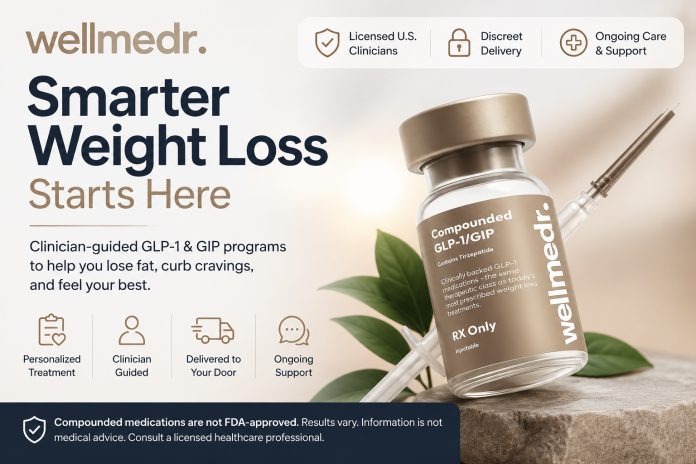
WellMedr Review 2026: GLP-1 Weight Loss Telehealth (Semaglutide & Tirzepatide)

The Fast Facts

  • WellMedr is a licensed, LegitScript-certified telehealth platform offering doctor-prescribed GLP-1 weight-loss medication.
  • It focuses on compounded semaglutide and tirzepatide, filled by licensed compounding pharmacies and shipped to your door.
  • The process is fully online: eligibility quiz, clinician review, and home delivery with provider support.
This article is for general information only and is not medical advice. GLP-1 medications are prescription treatments with possible side effects and are appropriate only for some people. Compounded medications are not FDA-approved the same way as brand-name drugs. Talk with a licensed provider before starting.

WellMedr is part of the growing field of telehealth companies making GLP-1 weight-loss treatment accessible online. It pairs compounded semaglutide and tirzepatide with licensed clinical oversight and home delivery, and carries LegitScript certification — a meaningful credibility signal in a crowded space. This WellMedr review covers how it works, the treatment options, the trade-offs, and who it fits.

A quick look at our picks

  • Core treatment: WellMedr Compounded Semaglutide
  • Stronger option: WellMedr Compounded Tirzepatide
  • Care model: WellMedr Telehealth Program

What is WellMedr?

WellMedr is an online telehealth provider offering access to GLP-1 receptor agonist medications — the same class of drugs behind the modern weight-loss movement. Real medical providers review eligibility and write prescriptions that licensed compounding pharmacies fill. Its LegitScript certification indicates it meets recognized standards for legitimate online healthcare.

How WellMedr works

You complete an online health assessment, a clinician reviews whether treatment is appropriate, and if approved, medication ships to your home. GLP-1 doses are usually started low and increased gradually to limit side effects, so ongoing provider contact is part of the experience rather than a one-time transaction.

WellMedr Compounded Semaglutide

★★★★★ 4.5 (telehealth program)
  • Type: compounded semaglutide (GLP-1)
  • Schedule: once-weekly injection
  • Access: clinician-reviewed
  • Care: online provider support
Get started with WellMedr

Our review

Semaglutide is the core of WellMedr’s program — a once-weekly GLP-1 injection that reduces appetite and slows gastric emptying. WellMedr operates as a licensed telehealth platform: you complete an online eligibility quiz, a provider reviews it, and approved prescriptions are filled by licensed compounding pharmacies and shipped home. The company is LegitScript-certified, a recognized marker of legitimacy for online healthcare.

Details

  • Prescription required: yes
  • Format: weekly injection
  • LegitScript certified: yes
  • Best for: appetite control

WellMedr Compounded Tirzepatide

★★★★★ 4.4 (telehealth program)
  • Type: compounded tirzepatide (dual GLP-1/GIP)
  • Schedule: once-weekly injection
  • Access: provider-determined
  • For: stronger appetite effect
Get started with WellMedr

Our review

Tirzepatide is a newer, dual-action medication that targets two appetite-related pathways and, in studies of brand-name versions, has shown strong results. WellMedr may offer a compounded tirzepatide option depending on the plan and provider recommendation. As with semaglutide, the compounded form is pharmacy-prepared and not FDA-approved the same way as brand-name medications.

Details

  • Prescription required: yes
  • Format: weekly injection
  • Dual-action: yes
  • Best for: experienced users

WellMedr Telehealth Program

★★★★★ 4.4 (telehealth program)
  • Type: fully online care
  • Includes: eligibility quiz + provider review + delivery
  • Eligibility: medical screening
  • Support: online
Get started with WellMedr

Our review

The program wraps the medication in a streamlined online experience: quiz, clinician review, and home delivery, with provider support along the way. The appeal is convenience — no in-person appointments or pharmacy lines — paired with the oversight that GLP-1 treatment requires. Most user feedback highlights this ease of access and gradual, steady results.

Details

  • Fully online: yes
  • Same-day review: often
  • Ongoing support: yes
  • Best for: busy schedules

Pros and cons of WellMedr at a glance

Pros

  • LegitScript-certified, licensed telehealth platform
  • both semaglutide and tirzepatide options
  • fully online with home delivery
  • often fast provider review and ongoing support

Cons

  • compounded GLP-1s are not FDA-approved like brand-name versions
  • medical eligibility required; not for everyone
  • possible GLP-1 side effects (nausea, digestive upset)
  • self-pay; results vary by individual

Understanding compounded GLP-1s

Like most GLP-1 telehealth services, WellMedr dispenses compounded medications. These are prepared by licensed pharmacies and can be more accessible, but they are not FDA-approved the way brand-name Wegovy, Ozempic, Zepbound, or Mounjaro are. The rules around compounded GLP-1s have been changing, so understand this distinction and raise any questions with the provider.

Safety and side effects

GLP-1 medications commonly cause nausea, constipation or diarrhea, and reduced appetite, especially early or after dose increases. Serious risks are uncommon but real, which is why screening and oversight matter. They are not suitable during pregnancy or for certain medical histories. Report side effects to your provider and follow the prescribed titration schedule.

Who WellMedr is best for

WellMedr suits adults who medically qualify and want a credible, convenient online route to GLP-1 treatment with both semaglutide and tirzepatide available. It is not for those who want brand-name FDA-approved medication only, anyone seeking treatment without medical oversight, or people who are not eligible based on their health profile.

Frequently asked questions about WellMedr

Is WellMedr legit?

WellMedr operates as a licensed telehealth platform with real providers and is LegitScript-certified, a recognized standard for online healthcare legitimacy.

Is the medication FDA-approved?

WellMedr dispenses compounded semaglutide and tirzepatide, which are pharmacy-prepared but not FDA-approved the same way as brand-name versions.

Are there side effects?

Yes — most commonly nausea and digestive changes, particularly when starting or increasing the dose. Provider oversight helps manage them.

The takeaway

WellMedr is a credible, LegitScript-certified telehealth service offering compounded semaglutide and tirzepatide with licensed oversight and convenient home delivery. The main considerations are the compounded (non-FDA-approved) medications, medical eligibility, and typical GLP-1 side effects. For qualifying adults who want accessible, supported GLP-1 treatment, it is a reasonable option to explore with a provider.

Willow Review 2026: Doctor-Prescribed GLP-1 Weight Loss, Online

Willow GLP-1 weight loss

The Fast Facts

  • Willow (startwillow.com) is a 100% online telehealth service offering doctor-prescribed GLP-1 weight-loss treatment.
  • Its signature option is weekly compounded semaglutide, with an oral semaglutide alternative for needle-averse users.
  • Treatment is personalized by US-licensed providers, with free, discreet shipping and ongoing online care.
This article is for general information only and is not medical advice. GLP-1 medications are prescription treatments with possible side effects and are only appropriate for some people. Compounded medications are not FDA-approved the same way as brand-name drugs. Talk with a licensed healthcare provider before starting any weight-loss medication.

GLP-1 medications have reshaped the weight-loss conversation, and a wave of telehealth companies now make them accessible online. Willow is one of these platforms, pairing compounded semaglutide with US-licensed clinical oversight and home delivery. This Willow review explains how the service works, the treatment options, the trade-offs of compounded GLP-1s, and who it suits.

A quick look at our picks

  • Signature treatment: Willow Weekly Semaglutide
  • Needle-free option: Willow Oral Semaglutide
  • Care model: Willow Online Care Program

What is Willow?

Willow is a telehealth platform focused on medical weight loss using GLP-1 medication. The entire process is online: you fill out a health assessment, a licensed provider reviews whether the treatment is appropriate for you, and approved prescriptions are filled by a compounding pharmacy and shipped to your home. The brand emphasizes convenience, discreet delivery, and ongoing access to care rather than one-off prescriptions.

How Willow works

The model mirrors other reputable GLP-1 telehealth services: complete an intake questionnaire, get a clinician review, and — if eligible — receive medication with guidance on dosing. GLP-1s are typically started at a low dose and increased gradually to limit side effects, so the ongoing provider relationship is a meaningful part of the service, not an afterthought.

Willow Weekly Semaglutide

★★★★★ 4.5 (telehealth program)
  • Type: compounded semaglutide (GLP-1)
  • Schedule: once-weekly injection
  • Access: prescribed after clinician review
  • Care: online provider support
Get started with Willow

Our review

Semaglutide is Willow’s signature treatment — the same active ingredient behind well-known GLP-1 medications. It is a once-weekly injection that curbs appetite and slows digestion, helping many people eat less without feeling deprived. With Willow, you complete an online assessment, a US-licensed provider reviews your eligibility, and if appropriate the medication ships discreetly to your door. As a compounded medication it is prepared by a licensed pharmacy and is not FDA-approved the same way as brand-name versions.

Details

  • Prescription required: yes
  • Format: weekly injection
  • Shipping: free and discreet
  • Best for: steady weight loss

Willow Oral Semaglutide

★★★★★ 4.4 (telehealth program)
  • Type: oral GLP-1 option
  • Schedule: daily
  • Access: clinician-reviewed
  • For: needle-averse users
Get started with Willow

Our review

For people who would rather avoid injections, Willow offers an oral semaglutide option taken daily. It targets the same appetite-regulating pathway in a pill format. Oral and injectable forms differ in dosing and absorption, so the right choice depends on your preferences and your provider’s guidance during the online consultation.

Details

  • Prescription required: yes
  • Format: daily oral
  • Needle-free: yes
  • Best for: needle-averse

Willow Online Care Program

★★★★★ 4.4 (telehealth program)
  • Type: 100% online telehealth
  • Includes: provider review + ongoing care
  • Eligibility: medical screening
  • Support: messaging-based
Get started with Willow

Our review

Beyond the medication, Willow is a care platform: the value is in doctor-led oversight, the convenience of doing everything online, and ongoing access to providers for questions, dose adjustments, and side-effect management. GLP-1 treatment works best with clinical guidance, so this support matters as much as the prescription itself.

Details

  • Fully online: yes
  • Ongoing support: yes
  • FSA/HSA: may be eligible
  • Best for: convenience seekers

Pros and cons of Willow at a glance

Pros

  • fully online, convenient access to GLP-1 treatment
  • both injectable and oral semaglutide options
  • US-licensed providers and ongoing care
  • free, discreet shipping; may be FSA/HSA eligible

Cons

  • compounded GLP-1s are not FDA-approved like brand-name versions
  • not suitable for everyone; medical eligibility applies
  • possible GLP-1 side effects (nausea, digestive upset)
  • self-pay; insurance is generally not accepted

Understanding compounded GLP-1s

Willow, like many GLP-1 telehealth services, dispenses compounded semaglutide. Compounded medications are prepared by licensed pharmacies and can be more accessible, but they are not reviewed or approved by the FDA the way brand-name Wegovy or Ozempic are. The regulatory landscape around compounded GLP-1s has been shifting, so it is worth understanding this distinction and discussing it with the provider before you begin.

Safety and side effects

GLP-1 medications commonly cause nausea, constipation or diarrhea, and reduced appetite, especially when starting or increasing the dose. More serious risks are uncommon but real, which is why medical screening and clinician oversight matter. They are not appropriate during pregnancy, for certain medical histories, or alongside some conditions. Always be honest on your intake and report side effects to your provider.

Who Willow is best for

Willow suits adults who qualify medically for GLP-1 treatment and want a convenient, fully online way to access it with ongoing support. It is not a fit for anyone seeking a quick fix without medical oversight, those who prefer brand-name FDA-approved medication, or people who are not eligible based on their health profile.

Frequently asked questions about Willow

Is Willow’s medication FDA-approved?

Willow dispenses compounded semaglutide, prepared by licensed pharmacies but not FDA-approved the same way as brand-name GLP-1 medications. Discuss this with the provider.

Do I need a prescription?

Yes. A US-licensed provider reviews your assessment and decides whether the treatment is appropriate before anything is prescribed or shipped.

Are there side effects?

Yes. GLP-1s commonly cause nausea and digestive changes, particularly early on. Serious side effects are less common. Clinical oversight helps manage them.

The takeaway

Willow is a convenient, doctor-led telehealth path to GLP-1 weight-loss treatment, offering both weekly and oral semaglutide with ongoing online care and discreet shipping. The key considerations are the compounded (non-FDA-approved) nature of the medication, medical eligibility, and the usual GLP-1 side effects. For qualifying adults who want accessible, supported treatment, it is a credible option — best entered with clear expectations and provider guidance.

Beam Review 2026: Dream Sleep Powder, Greens, Creatine, and More

Beam wellness products

The Fast Facts

  • Beam started as a CBD company and is now a broad wellness brand, best known for its TikTok-famous Dream sleep powder.
  • Its catalog spans sleep, greens, creatine, pre-workout, protein, and collagen — most products are third-party tested.
  • Dream blends hemp-derived CBD with melatonin, magnesium, L-theanine, and reishi for nighttime use.
This article is for general information only and is not medical advice. Talk with a healthcare professional before trying new supplements, especially if you are pregnant, nursing, or taking medication. These products are not intended to diagnose, treat, cure, or prevent any disease.

Beam is one of the more recognizable names in the modern wellness-supplement space, having grown from a CBD startup into a full lineup of daily-ritual products. Its sleep drink, Dream, became a genuine social-media phenomenon, but the brand now sells everything from greens to creatine. This Beam review looks at the products worth knowing, how transparent the brand is, and who it suits.

A quick look at our picks

  • Sleep: Beam Dream Powder
  • Daily nutrition: Beam Greens
  • Strength: Beam Creatine Gummies
  • Training energy: Beam Pre-Workout
  • Skin support: Beam Glow + Collagen

What is Beam?

Beam is a wellness brand that launched with a focus on CBD and has since expanded into a broad range of functional supplements built around daily routines — sleep, energy, recovery, and nutrition. Its identity centers on approachable, good-tasting products with clean labels and third-party testing. The flagship Dream powder remains its signature item, but the brand’s growth has come from diversifying well beyond hemp.

Beam products we looked at

The selection below covers Beam’s most popular categories. Each card lists the product, key specs, and our take.

Beam Dream Powder

Beam Dream Powder
★★★★★ 4.6 (5,000+ ratings)
  • Type: nighttime drink mix
  • Key ingredients: nano hemp, melatonin, magnesium, L-theanine, reishi
  • Flavors: cocoa, sea salt caramel, and more
  • COA: available online
Shop now at Beam

Our review

Dream is the product that put Beam on the map, helped along by a wave of social-media attention. It is a warm bedtime drink that blends a small amount of hemp-derived CBD with sleep-supporting ingredients like melatonin, magnesium, L-theanine, and reishi. You stir it into hot water or milk about 20–30 minutes before bed.

Reviews are largely positive, with many users reporting they fall asleep faster and wake feeling more rested, though a minority notice little change. Because it contains melatonin, it is best used on nights when you do not need an early, sharp start.

What our tester says

“The cocoa flavor made it feel like a treat rather than a supplement, and I drifted off noticeably faster than usual.”

Product details

  • Third-party tested: yes
  • Contains melatonin: yes
  • Vegan options: available
  • Best for: winding down

Beam Greens

Beam Greens
★★★★★ 4.4 (800+ ratings)
  • Type: daily greens powder
  • Use case: fiber, gut, and micronutrient support
  • Format: mix-in powder
  • Flavor: mild
Shop now at Beam

Our review

Beam Greens is the brand’s daily superfood blend, combining fruit and vegetable extracts, fiber, and gut-friendly ingredients into a single scoop. Greens powders are a convenient way to round out a diet that is light on vegetables, though they are a supplement to whole foods rather than a replacement. The flavor is mild and mixes cleanly into water.

Product details

  • Third-party tested: yes
  • Added sugar: low
  • Daily use: yes
  • Best for: filling diet gaps

Beam Creatine Gummies

Beam Creatine Gummies
★★★★★ 4.5 (600+ ratings)
  • Type: creatine monohydrate gummies
  • Use case: strength and muscle support
  • Format: chewable
  • COA: available online
Shop now at Beam

Our review

Creatine is one of the most researched supplements for strength and muscle, and Beam delivers it in an easy chewable gummy instead of the usual powder. This is a genuinely convenient format for people who dislike mixing creatine into drinks. As with any creatine, consistency matters more than timing — a daily dose is what builds the benefit.

Product details

  • Third-party tested: yes
  • Form: monohydrate
  • Convenient: yes
  • Best for: strength training

Beam Pre-Workout

Beam Pre-Workout
★★★★★ 4.4 (500+ ratings)
  • Type: pre-workout powder
  • Use case: energy and focus before training
  • Format: mix-in powder
  • Flavor: fruit
Shop now at Beam

Our review

Beam’s pre-workout is built around energy and focus for training, using common evidence-backed ingredients. If you are sensitive to caffeine, take it earlier in the day so it does not interfere with the sleep you are trying to protect with Dream. Start with a partial scoop to assess your tolerance.

Product details

  • Third-party tested: yes
  • Contains caffeine: yes
  • Pre-training: yes
  • Best for: workout energy

Beam Glow + Collagen

Beam Glow + Collagen
★★★★★ 4.4 (400+ ratings)
  • Type: collagen + skin-support blend
  • Use case: skin, hair, and nails
  • Format: powder
  • Flavor: light
Shop now at Beam

Our review

The Glow and collagen products target skin, hair, and nail support, an area where results tend to be gradual and individual. Collagen supplements are popular and generally well tolerated; give any beauty-from-within product a couple of months of consistent use before judging it.

Product details

  • Third-party tested: yes
  • Collagen: yes
  • Daily use: yes
  • Best for: skin support

Pros and cons of Beam at a glance

Pros

  • standout, well-reviewed Dream sleep powder
  • broad range covering sleep, nutrition, and fitness
  • good flavors and clean, transparent labels
  • third-party testing on its products

Cons

  • premium pricing across the range
  • melatonin in Dream is not ideal for every night
  • results from beauty and greens products are gradual and individual
  • the brand has drifted from its original CBD focus

Quality and transparency

Beam emphasizes clean formulations and publishes lab testing for its products, which is reassuring in a supplement market where quality varies widely. As always, check the specific product’s certificate of analysis and ingredient list, especially if you are sensitive to caffeine, melatonin, or any particular ingredient.

Who Beam is best for

Beam suits people who want a cohesive, good-tasting set of daily-ritual supplements from one brand and do not mind paying a premium for flavor and branding. If your main interest is the Dream sleep powder, it is a strong, well-reviewed option. If you are specifically seeking high-potency CBD, note that Beam is now more of a general wellness brand than a dedicated CBD company.

Frequently asked questions about Beam

Does Beam Dream contain CBD?

Yes. Dream includes a small amount of hemp-derived CBD alongside melatonin, magnesium, L-theanine, and reishi. The sleep effect comes from the full blend, not CBD alone.

Will Beam products make me fail a drug test?

Most Beam products contain no THC, but any hemp-derived product can carry a small risk. If you are subject to testing, check the specific product and its COA, or choose a THC-free option.

Is Beam third-party tested?

Beam states its products are third-party tested and publishes certificates of analysis, which you should review for the specific item you are buying.

The takeaway

Beam is a polished, well-reviewed wellness brand whose Dream sleep powder genuinely stands out, backed by a wide range of fitness and nutrition products with clean labels and lab testing. The main trade-offs are premium pricing and gradual results from some categories. For anyone wanting an approachable daily-ritual lineup — especially better sleep — Beam is a credible choice.

How to Prevent Common Workout Injuries

Person stretching to prevent workout injuries
By Daniel Cole · Updated June 30, 2026 · Fact-checked

Few things derail fitness progress faster than an injury. A pulled muscle, a tweaked back, or a cranky knee can put you on the sidelines for weeks and chip away at your motivation. The good news is that most common workout injuries are not bad luck — they are predictable, and largely preventable, once you know the usual causes.

Here is a practical guide to training hard while staying healthy enough to keep training.

Why most gym injuries happen

The majority of exercise injuries come down to a handful of avoidable factors: doing too much too soon, poor movement technique, skipping warm-ups, ignoring early warning signs, and inadequate recovery. Notice that none of these are about being “fragile” — they are about how you train, which means you can control them.

1. Warm up properly every time

Cold muscles and stiff joints are more injury-prone. A good warm-up raises your body temperature, increases blood flow, and primes the movements you are about to do. Spend 5–10 minutes on light cardio plus dynamic movements (leg swings, arm circles, bodyweight squats) and a few lighter warm-up sets before heavy lifts. Skip the long static stretches before training — save those for after.

2. Progress gradually

The single biggest cause of injury is doing too much, too fast — adding weight, distance, or intensity faster than your tissues can adapt. Tendons and connective tissue strengthen more slowly than muscles, so even when you feel capable of more, restraint protects you. A sensible guideline is to increase training load only modestly from week to week.

3. Prioritize technique over ego

Lifting more weight with sloppy form is a fast track to injury. Learn the key movement patterns properly, keep your spine neutral on lifts like squats and deadlifts, and stop a set when your form breaks down. If you are unsure, film yourself or get coaching — it is cheaper than rehab.

4. Don’t skip mobility and balance

Limited mobility forces your body to compensate, often loading joints in ways they are not built for. Regular mobility work for the hips, shoulders, and ankles improves your range of motion and movement quality. Balance and core stability also protect you, especially as you age.

5. Respect pain versus normal discomfort

There is a difference between the burn of effort or mild next-day soreness and actual pain. Sharp, sudden, or joint-centered pain is a stop signal. Pushing through genuine pain turns a small problem into a big one. When in doubt, back off and reassess rather than gambling with a serious injury.

6. Recover like it matters

Injuries cluster around fatigue. Inadequate sleep, chronic stress, under-fueling, and never taking rest days all raise your risk. Build recovery into your week, sleep enough, eat adequate protein, and let sore areas settle before hammering them again. Recovery is not the opposite of training — it is part of it.

What to do if you do get hurt

For minor strains, relative rest, gentle movement as tolerated, and time usually help. Avoid complete inactivity for long periods, which can slow recovery. For anything severe, persistent, or involving a joint, see a healthcare professional rather than self-diagnosing. Returning too soon is how minor injuries become chronic ones.

Frequently asked questions

Should I stretch before working out? Do dynamic warm-ups before; save static stretching for after, when muscles are warm.

Is soreness a sign of injury? Usually not. Mild soreness a day or two after a new workout is normal; sharp or joint pain is not.

Can I train around a minor injury? Often yes — by working other body parts and avoiding what aggravates it — but get guidance for anything beyond mild.

The takeaway

Most workout injuries trace back to doing too much too soon, poor form, skipped warm-ups, ignored pain, and weak recovery. Warm up well, progress gradually, respect technique and pain signals, and treat recovery as essential. Train smart and you get to keep training — which is what actually drives long-term results.

Related: Looking at supplements for performance? See our Beam review.

This article is for general information only and is not medical advice. Talk with a qualified healthcare professional before starting a new exercise program, especially if you have an injury or health condition.

How to Build a Weekly Workout Plan (Beginner to Intermediate)

Person planning a weekly workout routine at the gym
By Marcus Reyes · Updated June 30, 2026 · Fact-checked

Showing up to exercise is half the battle — but without a plan, motivation alone tends to fizzle out. A simple, structured weekly workout plan removes the daily “what should I do today?” decision and turns exercise into a habit. The best plan is not the most advanced one; it is the one you will actually follow.

This guide walks you through building a balanced weekly plan you can adapt to any schedule, from three days a week to six.

The building blocks of a good plan

A well-rounded routine covers four areas: strength training, cardiovascular work, mobility or flexibility, and rest. You do not need all four every day — you spread them across the week. Neglecting any one of them tends to create imbalances: all cardio and no strength loses muscle; all lifting and no mobility leads to stiffness.

Step 1: Decide how many days you can commit

Be honest about your real availability, not your ideal. Consistency at three days beats an ambitious six-day plan you abandon in two weeks. A useful rule: pick the number of days you are confident you can hit even on a busy week, then treat anything extra as a bonus.

Step 2: Choose a split that fits your days

  • 3 days: full-body strength each session (e.g., Monday, Wednesday, Friday), with optional walking or cardio on off days.
  • 4 days: upper body / lower body split, repeated twice a week.
  • 5–6 days: a push/pull/legs rotation, or alternating strength and cardio days.

For most beginners and busy people, full-body sessions two to three times a week deliver excellent results with minimal complexity.

Step 3: Build each session

A simple, effective session structure looks like this: a 5–10 minute warm-up, the main work (compound strength movements like squats, hinges, presses, rows, plus some cardio if it is a cardio day), and a short cool-down with stretching. Aim for quality reps over ego lifting, and progress gradually — slightly more weight, reps, or time as it gets easier.

Step 4: Program progression

The reason many routines stop working is that they never change. Your body adapts, so the stimulus must slowly increase. This “progressive overload” can mean adding a little weight, doing an extra rep or set, shortening rest, or improving form. Small, steady increases beat dramatic jumps that lead to soreness or injury.

Step 5: Schedule rest deliberately

Rest is when your body actually adapts and gets stronger — it is part of the plan, not a failure of it. Include at least one or two full rest or active-recovery days each week, and prioritize sleep. Overtraining without recovery leads to plateaus, fatigue, and higher injury risk.

A sample 3-day beginner week

  • Monday: full-body strength (squat, push, row, core).
  • Tuesday: rest or easy walk.
  • Wednesday: full-body strength (hinge, overhead press, lunge, core).
  • Thursday: rest or mobility.
  • Friday: full-body strength plus 15–20 minutes of cardio.
  • Weekend: active recovery — a walk, hike, or light activity you enjoy.

Frequently asked questions

How long should each workout be? Most people do well with 30–60 minutes. Quality and consistency matter more than duration.

Do I need a gym? No. Bodyweight movements, resistance bands, and a couple of dumbbells can build a complete plan at home.

How soon will I see results? Strength and energy often improve within a few weeks; visible changes typically take a couple of months of consistency.

The takeaway

A good weekly workout plan balances strength, cardio, mobility, and rest, fits the days you can realistically commit, and progresses gradually over time. Start simple, stay consistent, and adjust as you grow. The plan you follow beats the perfect plan you don’t.

Related: Curious about everyday wellness gummies alongside your routine? Our Goli review weighs the pros and cons.

This article is for general information only and is not medical advice. Talk with a qualified healthcare professional before starting a new exercise program, especially if you have an injury or health condition.

Protein 101: How Much You Need and the Best Sources

Healthy high-protein food
By Elena Hart · Updated June 30, 2026 · Fact-checked

Protein gets a lot of attention in fitness circles, but it matters for everyone — not just gym-goers. It builds and repairs muscle, supports your immune system, makes enzymes and hormones, and keeps you feeling full. Yet many people are unsure how much they actually need or where to get it without overcomplicating their diet.

This is a practical guide to protein: how much, what kind, and how to fit it into real meals.

What protein actually does

Protein is made of amino acids, the building blocks your body uses to maintain muscle, skin, hair, and organs, and to run countless processes. Unlike fat, the body does not store protein in a dedicated reserve, which is why a steady daily intake matters. Get too little over time and the body starts breaking down muscle to cover its needs.

How much protein do you need?

The basic government guideline to prevent deficiency is around 0.8 grams of protein per kilogram of body weight per day — but that is a minimum to avoid deficiency, not an optimum for health, aging, or activity. Most current evidence suggests that many people do better toward 1.2 to 2.0 grams per kilogram, with the higher end relevant for those who:

  • exercise regularly, especially strength training;
  • are trying to lose fat while keeping muscle;
  • are older adults, who need more protein to fight age-related muscle loss.

A simple practical target many people use is roughly 1.6 grams per kilogram if active. If numbers feel fussy, aiming for a palm-sized portion of protein at each meal is a reasonable rule of thumb.

Quality and “complete” proteins

Animal proteins — meat, fish, eggs, dairy — are “complete,” containing all the essential amino acids in good proportions. Many plant proteins are lower in one or more amino acids, but this is easily solved by eating a variety of plant foods across the day. You do not need to combine specific foods at the same meal; overall variety does the job.

Best protein sources

  • Animal: chicken, turkey, lean beef, fish and seafood, eggs, Greek yogurt, cottage cheese, milk.
  • Plant: lentils, beans, chickpeas, tofu and tempeh, edamame, peas, nuts and seeds, whole grains.
  • Convenient: protein powders (whey or plant-based) can help fill gaps but are not required if your meals are solid.

How to actually hit your target

The most common mistake is back-loading protein — eating very little at breakfast and lunch, then a large amount at dinner. Spreading protein across meals helps your body use it more effectively. Practical moves include adding eggs or yogurt at breakfast, building lunches around a protein source, and keeping easy options like canned fish, beans, or pre-cooked chicken on hand.

Can you eat too much protein?

For healthy people, higher-protein diets are generally safe and well tolerated. Concerns about protein “harming healthy kidneys” are not supported for people without existing kidney disease. That said, more is not infinitely better — beyond a certain point, extra protein offers little added benefit and simply displaces other nutritious foods. People with kidney disease or other medical conditions should follow personalized medical advice.

Frequently asked questions

Do I need protein right after a workout? The “anabolic window” is wider than once thought. Hitting your total daily protein matters far more than precise timing.

Is plant protein as good as animal protein? It can be, as long as you eat a variety of plant sources and enough total protein. Plant-forward diets just require a bit more attention to variety and quantity.

Are protein shakes necessary? No. They are a convenience, useful for busy days or higher targets, but whole foods can cover your needs.

The takeaway

Protein is a foundational nutrient, not just a gym supplement. Aim higher than the bare-minimum guideline if you are active or older, choose a mix of quality sources, and spread it across your meals rather than cramming it into one. Get those basics right and protein quietly supports nearly everything else in your health.

Related: For a look at a popular wellness gummy brand, see our Goli review.

This article is for general information only and is not medical advice. Talk with a qualified healthcare professional before making changes to your health, diet, exercise, or medication routine.
34,610FollowersFollow

Must Read