


You can do everything right at bedtime and still sleep poorly if the room around you is working against you. The space where you sleep sends constant signals to your body about whether it is safe to wind down, and small adjustments to light, temperature, sound, and comfort can add up to a noticeably better night. Think of your bedroom as a tool for sleep, not just a place you happen to end up at the end of the day.
Darkness Tells Your Brain It Is Night
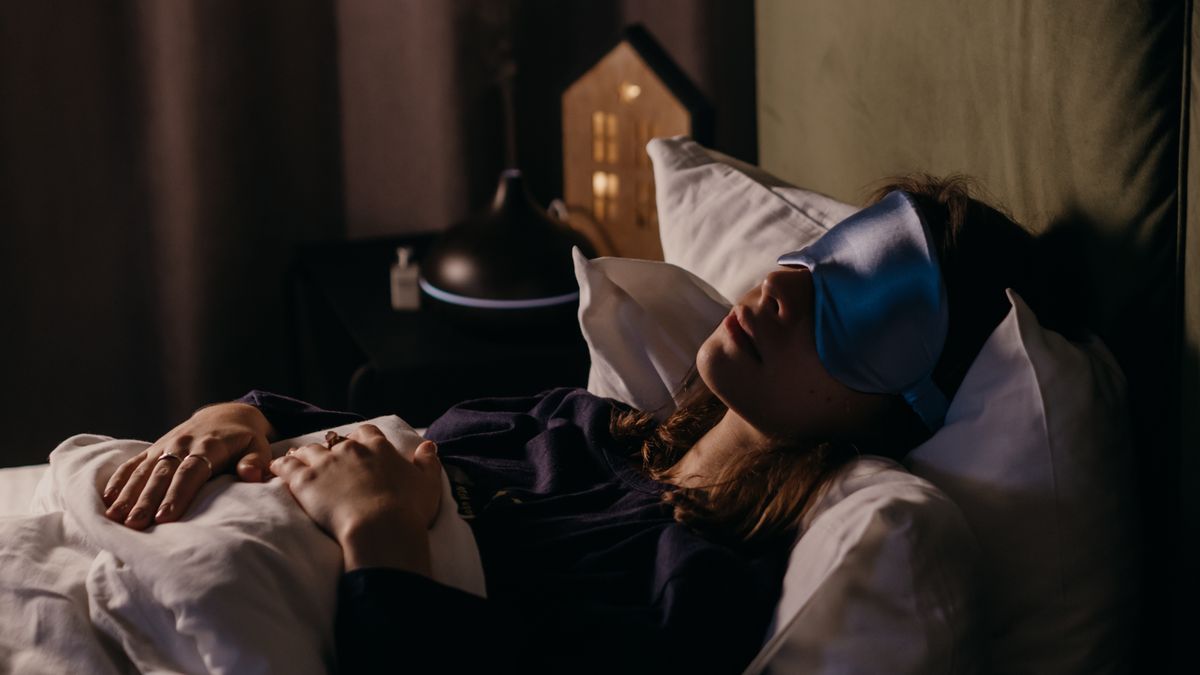
Light is the single strongest cue your internal clock uses to decide when to be alert and when to rest. Even modest amounts of light in the evening can suppress melatonin, the hormone that helps you feel drowsy. In the bedroom, aim for as much darkness as you comfortably can. Blackout curtains, a well-fitted eye mask, and covering or removing small glowing electronics all help. If you need a light to move around safely at night, a dim, warm-toned one is far less disruptive than bright white light.
Keep It Cool
Your core body temperature naturally dips as you fall asleep, and a cooler room supports that process. Many people sleep best somewhere around 18 degrees Celsius, or the mid-60s Fahrenheit, though the ideal varies from person to person. If you tend to run warm, breathable bedding and lighter layers you can adjust make a big difference. A room that is too hot is one of the most common and most overlooked reasons people wake up in the night.
Manage Noise
Sudden or irregular sounds can pull you out of deep sleep even if you do not fully wake up or remember it. If you live somewhere noisy, a fan or a white noise machine can smooth over disruptive sounds by giving your brain a steady, unremarkable backdrop. Earplugs are another simple option. The goal is not total silence, which can actually make occasional noises more jarring, but consistency.
Choose Comfort You Can Feel
A mattress and pillow that suit your body and sleeping position are worth the investment, since you spend roughly a third of your life on them. There is no universally perfect firmness. Side sleepers often want a bit more cushioning at the shoulders and hips, while back and stomach sleepers may prefer firmer support. If you wake up stiff or sore, your setup may be part of the problem.
Reduce Clutter And Screens
A calm, tidy room is easier to relax in than one piled with reminders of unfinished tasks. You do not need a minimalist showpiece, just a space that feels restful rather than stressful. Screens deserve special attention. Phones and tablets are engineered to keep you engaged, and scrolling in bed both delays sleep and trains your brain to associate the bed with alertness. Try charging devices outside the bedroom, or at least across the room.
Protect The Bed For Sleep
Your brain builds strong associations with places. If you work, eat, and watch television in bed, it learns that the bed is a place for being awake and busy. Where possible, reserve the bed for sleep and intimacy. This simple boundary strengthens the mental link between lying down and drifting off, which pays off most on the nights when sleep does not come easily.
Fine-tune The Air And Scent
Fresh, slightly cool air feels better to sleep in than stuffy, stale air, so cracking a window or running a quiet fan can help. Some people find that calming scents such as lavender make winding down easier. The evidence here is modest, but if a familiar, pleasant smell becomes part of your routine, it can act as another gentle signal that it is time to rest.
Frequently Asked Questions
Does the color of my bedroom matter? There is no strong evidence that specific paint colors change sleep quality. What matters more is that the room feels calming to you and that you can make it dark at night.
Is it bad to sleep with the television on? Both the light and the changing sound can disrupt sleep, even if you fall asleep easily. A sleep timer helps, but a dark, quiet room is better.
What if I share a room with a partner on a different schedule? Eye masks, earplugs, a white noise machine, and dimmable lighting let two people with different needs coexist without one constantly disturbing the other.
The Takeaway
Good sleep is not only about what you do in the final hour before bed. It is also about the environment you sleep in. By making your room dark, cool, quiet, comfortable, and free of screens, you remove common obstacles and give your body the conditions it needs to rest. Start with whichever change feels easiest and build from there.
Related: For a closer look at a popular sleep aid, read our Beam Dream review.