


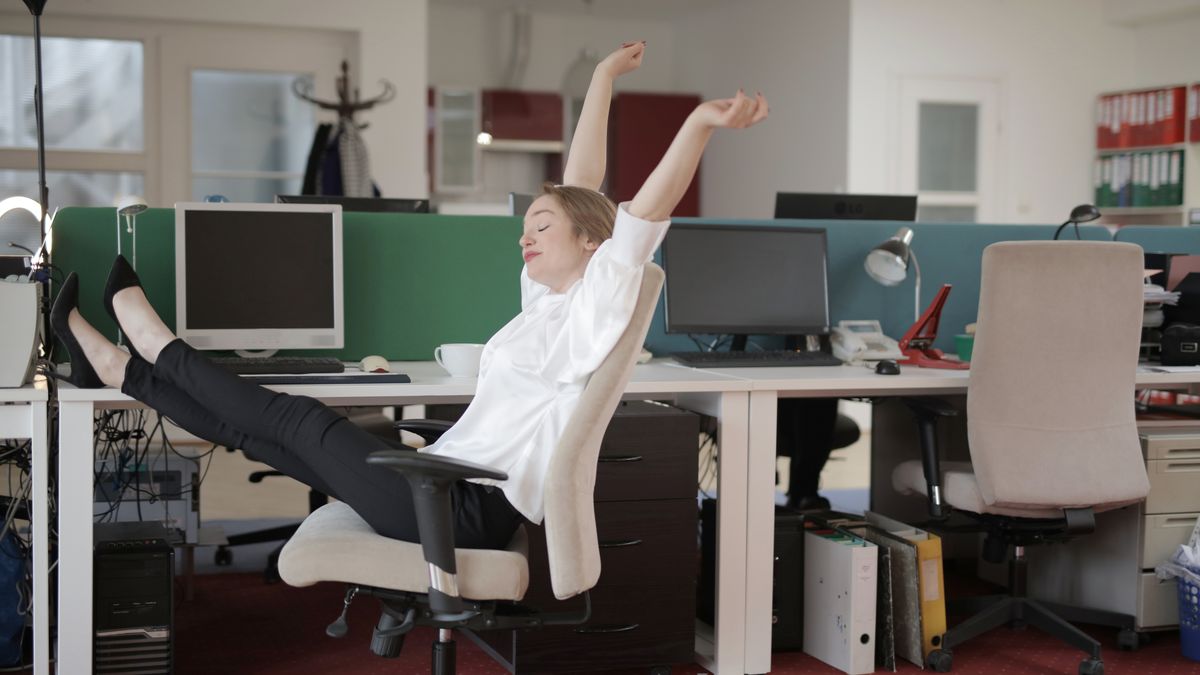
If your workday is built around a chair and a screen, you are not alone, and you are also facing a real health challenge. Long stretches of sitting are linked with a range of problems, from stiff joints and back pain to less obvious effects on metabolism and circulation. The good news is that you do not need a standing desk or a gym membership to counter it. What matters most is breaking up the stillness and weaving small bursts of movement into the day you already have.
Why Prolonged Sitting Is A Problem
When you sit for hours without interruption, your muscles are largely inactive, circulation slows, and the body processes blood sugar and fats less efficiently. Researchers sometimes describe this as the hazard of sitting being somewhat independent of exercise, meaning that even a solid workout does not fully cancel out the effects of sitting still for the other eight or nine hours. The remedy is not one big effort but frequent small ones.
Break Up Your Sitting Time
The most effective single change is simple: stand up and move for a minute or two every half hour or so. Set a discreet reminder if you tend to lose track of time. Getting your blood flowing regularly does more good than staying glued to the chair and trying to make up for it later. Even standing to take a phone call or walking to refill your water counts.
Build Movement Into The Workday
You can find opportunities to move without disrupting your work. Consider:
- Taking phone or video calls while standing or pacing.
- Walking over to a colleague instead of sending a message.
- Using the stairs rather than the lift for a floor or two.
- Parking a little farther away or getting off transit a stop early.
- Holding a short walking meeting when the discussion does not need a screen.
None of these feel like exercise, which is exactly why they are easy to keep up.
Simple Stretches At Your Desk
Sitting tends to tighten the hips, shoulders, and neck. A few gentle stretches through the day can ease that tension. Roll your shoulders back, gently turn your head from side to side, clasp your hands and reach overhead, and stand to stretch your hip flexors and hamstrings. Hold each for a slow breath or two. These take under a minute and can quietly prevent the aches that build up over a long day.
Set Up Your Space To Support You
Good positioning reduces strain even while you are seated. Aim to have your screen roughly at eye level, your feet flat on the floor, and your back supported so you are not hunching forward. If you have the option of a sit-stand desk, alternating between sitting and standing is better than either one alone. Standing all day is not the goal, since it brings its own aches; variety is what your body responds to best.
Use Your Breaks Well
Lunch and short breaks are prime opportunities to move. A ten-minute walk after eating aids digestion, clears your head, and adds up over a week. Stepping outside for daylight has the added benefit of supporting your mood and your sleep that night. Treat breaks as movement time rather than another chance to sit somewhere different.
Do Not Skip Real Exercise
Moving throughout the day and structured exercise are complementary, not interchangeable. Frequent movement counters the harm of sitting, while dedicated workouts build strength, endurance, and cardiovascular fitness. Aim for the general target of about 150 minutes of moderate activity a week alongside your desk-day habits, and your body gets the best of both.
Frequently Asked Questions
Is a standing desk enough on its own? It helps reduce sitting time, but standing still for hours has downsides too. The real benefit comes from alternating positions and moving regularly, not simply standing more.
How often should I get up? A good rule of thumb is a brief movement break every 30 minutes. Even one to two minutes of standing or walking makes a difference.
Can desk movement replace going to the gym? No. It reduces the harms of sitting, but you still need structured activity to build fitness and strength. Think of them as two separate goals.
The Takeaway
A desk job does not have to mean a sedentary life. The key is to interrupt long stretches of sitting with frequent, low-effort movement, set up your workspace to support your body, and keep up real exercise outside of work. Small habits repeated all day long protect your health more than any single heroic effort at the gym.
Related: Curious about everyday wellness gummies alongside your routine? Our Goli review weighs the pros and cons.
If you’re exploring medically supervised weight-loss options, see our hands-on Yucca GLP-1 program review and our Trimi GLP-1 review.