



By Priya Nair · Updated August 16, 2026 · Fact-checked
When people want a better sex life, they tend to look for answers in the bedroom. One of the most reliable places to find them is actually the gym – or the park, the pool, or anywhere else you move your body regularly. The link between exercise and sex life is one of the better-documented relationships in health research, and it runs through nearly every system that sexual function depends on.
Here is what regular movement actually does for desire, arousal, stamina, and confidence – and how much it takes to notice a difference.
Sexual function is mostly a circulation story
Arousal, for every body, is a blood-flow event. It depends on healthy vessels that can widen on demand – the same vessels exercise is famous for maintaining. Aerobic activity improves the function of the endothelium, the lining of your blood vessels, and supports the nitric oxide signaling that physical arousal relies on.
This is why cardiovascular health and sexual health travel together so closely. Research has repeatedly found that men who are more physically active report lower rates of erectile difficulties, and studies in women link regular activity with better arousal and sexual satisfaction. The heart and the bedroom are on the same plumbing.
Movement and desire: the hormone connection
Exercise will not turn desire into a switch you flip, but it tends to nudge the inputs in the right direction. Regular training supports healthy testosterone levels in men, particularly when it helps reduce excess body fat. It improves insulin sensitivity, energy, and sleep – all of which feed libido more than most people realize. And acute exercise increases sympathetic activation and blood flow in ways that, in lab studies of women, primed the body’s arousal response in the hour or so after a workout.
The dose matters, though. Extreme training loads without recovery can push the system the other way, blunting hormones and desire alike. More is better only up to a point.
Stamina, strength, and simply feeling capable
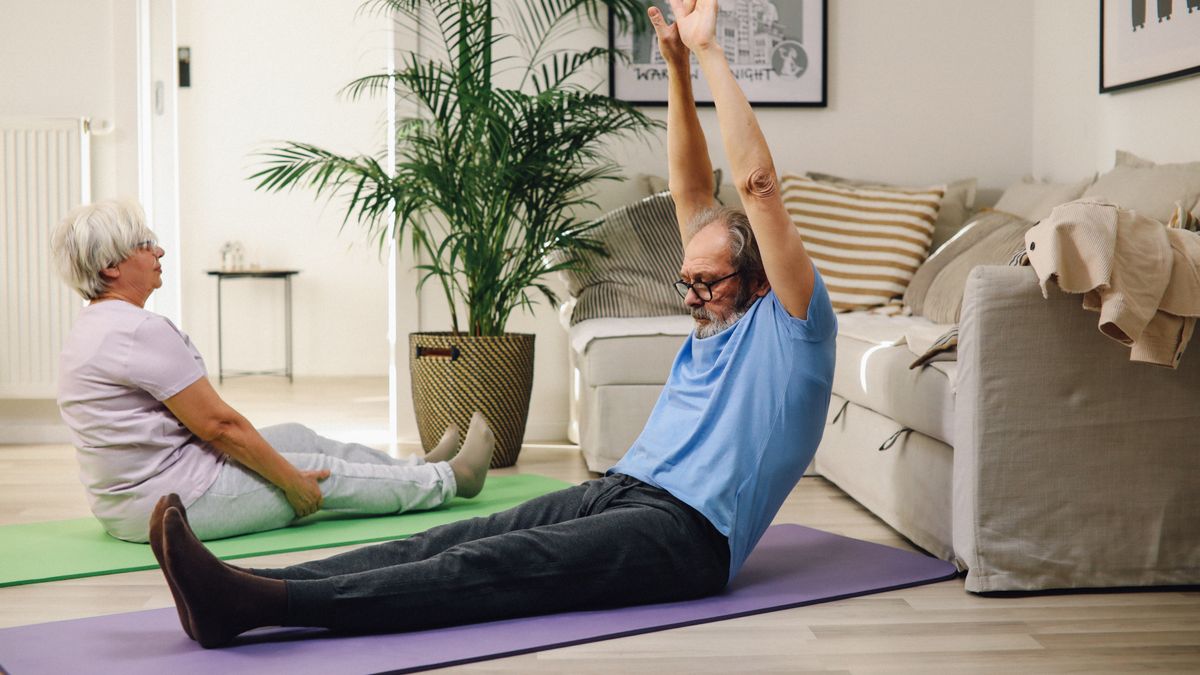
Sex is physical activity. Better conditioning shows up as less breathlessness, more comfortable positions held longer, and less next-day soreness. Strength work – especially for the hips, glutes, and core – carries a lot of that load. This is not about athletic performance for its own sake; it is about your body feeling like a willing participant instead of a limitation.
The confidence effect may be the biggest one
Body image has a strong grip on sexual desire and enjoyment, particularly for women, and it responds to exercise faster than the mirror does. People who begin training regularly report feeling more attractive and more at home in their bodies within weeks – before major physical changes appear. Feeling strong translates into feeling desirable, and desire follows comfort. If self-consciousness has been sitting in your bed like a third person, movement is one of the most direct ways to shrink it.
Do not forget the pelvic floor
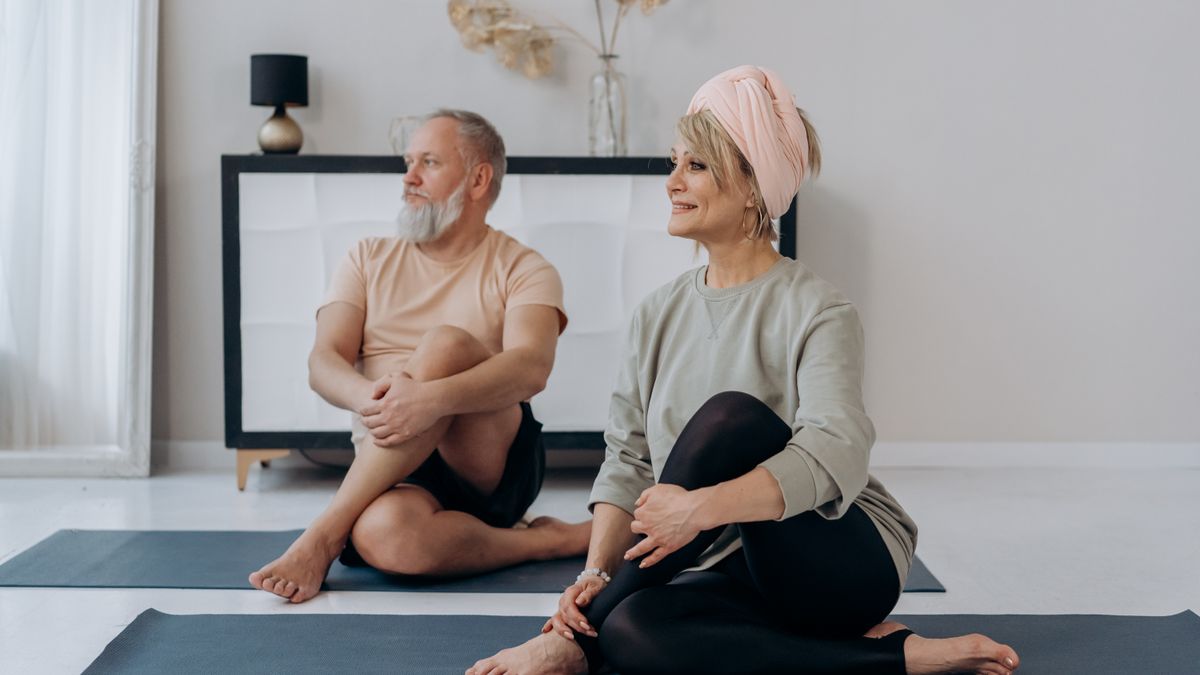
The pelvic floor muscles are directly involved in arousal, orgasm, and erectile function, and they respond to training like any other muscle. Kegel-style exercises have evidence behind them for both men and women, from orgasm intensity to bladder control. They also benefit from not being overworked – a chronically tight pelvic floor can cause discomfort – so think balanced training, not maximum clenching. Yoga and Pilates tend to help here too.
Stress is a libido killer – exercise is a stress killer
Chronic stress, anxiety, and low mood are among the most common reasons desire fades. Exercise is one of the best non-drug tools for all three, lowering baseline stress hormones and improving sleep quality. Calmer nervous systems have more room for desire. If stress is the main thing standing between you and intimacy, we have written more about the connection between stress, mental health, and intimacy.
How much exercise does it take?
You do not need to train like an athlete. The consistent findings cluster around moderate, regular activity:
- Aim for the standard guideline of about 150 minutes of moderate aerobic activity per week – brisk walking counts, as the CDC guidelines outline.
- Add two strength sessions weekly, with attention to hips, glutes, and core.
- Sprinkle in pelvic floor work a few times a week.
- Protect recovery: sleep and rest days are part of the program, not a break from it.
Exercise works best as one habit among several – the rest of the picture is covered in our guide to how lifestyle habits shape your sex life.
Frequently asked questions
How quickly can exercise improve your sex life?
Some effects are fast: mood, energy, and the short-term arousal priming after a workout appear within days to weeks. Circulation and body-composition changes build over two to three months. Confidence often improves before anything visible changes.
Can too much exercise lower libido?
Yes. Sustained heavy training without enough recovery – common in endurance sports – can suppress sex hormones and desire in both men and women. If training hard has coincided with vanishing libido, more rest, food, and sleep is usually the fix.
What is the single best exercise for sexual health?
There is no magic movement. The best evidence supports the combination: regular aerobic work for circulation, strength training for capability and hormones, and pelvic floor exercises for function. The best program is the one you will actually keep doing.
The takeaway
Exercise supports your sex life through every door at once: blood flow, hormones, stamina, stress, and how you feel in your own skin. A brisk half-hour most days plus a couple of strength sessions is enough to move the needle for most people. Think of it less as training for sex and more as maintaining the body that intimacy happens in – the benefits tend to arrive quietly, and then all at once.
This article is for general information only and is not medical advice. If you have persistent sexual health concerns, talk with a qualified healthcare professional – many causes are common and treatable.
More hands-on reviews from our team: Gala GLP-1 review, Medterra CBD review, MontKush review, and Secret Nature review.