


By Priya Nair · Updated August 13, 2026 · Fact-checked
Ask most people to name the muscles that matter for their health and they will list the usual suspects: heart, core, maybe glutes. Almost nobody mentions the pelvic floor. Yet this small sling of muscle quietly shapes how you pee, how you lift, how your posture holds up, and yes, how sex feels.
Pelvic floor health tends to stay invisible until something goes wrong — a leak when you sneeze, a sudden urge that will not wait, discomfort during intimacy. The good news is that these muscles respond to training just like any others. Here is what they do, how to tell when they need attention, and how to strengthen them properly.
What the pelvic floor actually is
Picture a hammock of muscle stretched across the base of your pelvis, from the pubic bone in front to the tailbone behind. That hammock supports the bladder, bowel, and, in women, the uterus. It wraps around the openings that pass through it, which is why it controls continence. It also works with the diaphragm and deep abdominal muscles as part of your core.
Everyone has one. Pelvic floor problems are often framed as a women’s issue — pregnancy and childbirth are major stressors on these muscles — but men have a pelvic floor too, and it matters for bladder control and erectile function, especially after prostate surgery.
Signs yours may need attention
Pelvic floor dysfunction rarely announces itself directly. It shows up as symptoms people often write off as normal aging:
- Leaking urine when you cough, sneeze, laugh, or exercise
- Sudden, hard-to-control urges to urinate, or going far more often than usual
- A feeling of heaviness or dragging in the pelvis
- Difficulty fully emptying the bladder or bowel
- Pain or reduced sensation during sex
- Lower back or hip pain that does not respond to the usual fixes
None of these are things you simply have to live with. If sex has become uncomfortable, that deserves attention in its own right — our guide to the common causes of painful sex covers when to seek help.

What weakens the pelvic floor
These muscles take a beating from ordinary life. Pregnancy and vaginal delivery stretch them significantly. Chronic constipation and the straining that comes with it push down on them year after year. So does a persistent cough, heavy lifting with poor technique, and carrying extra weight. Age plays a role too: muscle mass declines everywhere as we get older, and the drop in estrogen at menopause affects the tissues of the pelvic floor directly.
Sitting for long stretches does not help either. A pelvic floor that never has to work — no walking, no lifting, no variety of movement — gradually loses its responsiveness, the same way any unused muscle does.
Kegels: how to do them properly
Kegel exercises are the classic pelvic floor workout, and they are genuinely effective — when done correctly. Research suggests a large share of people do them wrong, often pushing down instead of lifting up.
To find the right muscles, imagine stopping the flow of urine midstream, or holding in gas. That gentle squeeze-and-lift sensation is the one you want. Then:
- Squeeze and lift for a slow count of three to five seconds, without holding your breath
- Release completely for the same count — the letting go matters as much as the squeeze
- Repeat ten times, up to three times a day
- Keep your glutes, thighs, and stomach relaxed; the work should be internal
The National Institute of Diabetes and Digestive and Kidney Diseases has a helpful primer on Kegel exercises if you want a step-by-step reference. Expect gradual change: most people need six to twelve weeks of consistent practice before symptoms improve noticeably.
Beyond Kegels: whole-body support
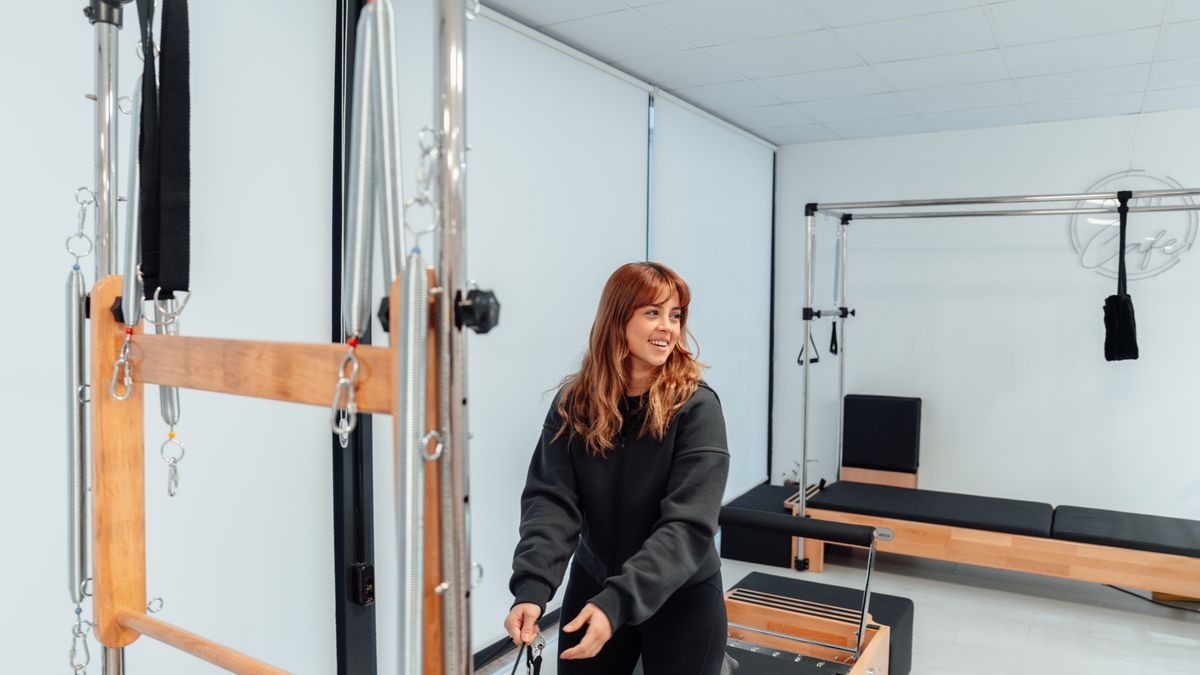
The pelvic floor does not work in isolation, so training it in isolation only gets you so far. Practices that connect breath, core, and pelvis — Pilates is the obvious example, along with certain yoga styles — train these muscles the way they are actually used: dynamically, in coordination with everything else.
Squats, bridges, and dead bugs done with attention to breathing all recruit the pelvic floor naturally. Exhaling on the effort of a lift, rather than breath-holding and bearing down, protects these muscles under load. If you spend most of the day sitting, simply walking more gives your pelvic floor the low-level, varied work it is built for.
When tight is the problem, not weak
Here is the counterintuitive part: not every pelvic floor problem comes from weakness. Some people have the opposite issue — muscles that are chronically clenched and cannot fully relax. An overactive pelvic floor can cause pelvic pain, urgency, constipation, and painful sex, and doing endless Kegels makes it worse, not better.
Clues that tension may be your issue include pain with penetration or tampon use, a feeling of incomplete emptying, and pelvic ache that flares with stress. In that case the work is about release: diaphragmatic breathing, gentle stretching like child’s pose and deep squats, and often hands-on treatment from a specialist.
When to see a professional
Pelvic floor physical therapy is a real, evidence-backed specialty, and it is usually the fastest route to improvement if symptoms are affecting your life. A pelvic health physiotherapist can assess whether your muscles are weak, tight, or poorly coordinated, and build a program around what they find. It is worth seeking out if leaking is routine, if you feel bulging or heaviness, if sex hurts, or if three months of consistent self-directed exercises have not moved the needle.
For women, pelvic floor needs also shift across the decades — pregnancy, postpartum, menopause — and our overview of sexual health at every life stage looks at how to adapt.
Frequently asked questions
How do I know if I am doing Kegels correctly?
You should feel a lift and squeeze inside the pelvis, not a push down, and your buttocks and thighs should stay soft. One self-check: try stopping your urine flow once, just to identify the muscles — but do not make a habit of it, as regularly interrupting urination can interfere with bladder emptying.
Can men benefit from pelvic floor exercises?
Yes. Pelvic floor training in men is linked to better bladder control, particularly after prostate surgery, and some studies suggest it can help with erectile function and premature ejaculation. The technique is the same: lift and squeeze as if holding in gas, then fully relax.
How long until pelvic floor exercises work?
Most people notice improvement in six to twelve weeks with daily practice. Like any strength training, results depend on consistency, and maintenance matters — the benefits fade if you stop entirely.
The takeaway
Your pelvic floor is working every time you stand, lift, laugh, or hold it until the next rest stop. It deserves the same attention you give any other muscle group. Learn to feel it, train both the squeeze and the release, fold it into whole-body movement, and get professional help if symptoms persist. Small, boring, consistent effort here pays off in comfort and confidence for decades.
This article is for general information only and is not medical advice. Talk with a qualified health professional about any symptoms or before starting a new exercise program.