
By Daniel Cole · Updated August 12, 2026 · Fact-checked
Most diets fail for a boring reason: hunger. You can white-knuckle your way through small portions for a few weeks, but appetite is patient, and it usually wins. Volume eating takes the opposite approach. Instead of eating less food, you eat more of the foods that fill you up for very few calories.
It is not a trendy hack. The idea comes from decades of satiety research, and it is one of the few weight-loss strategies that works with your appetite instead of against it. Here is how it works and how to put it on your plate tonight.
What volume eating actually means
Every food has an energy density: how many calories it packs into each bite. Butter sits near the top at around 7 calories per gram. Cucumbers sit near the bottom at about 0.15. Volume eating simply means building meals mostly from foods at the low end of that scale, so your plate looks generous, your stomach fills up, and the calorie total stays modest.
Picture 200 calories two ways: a handful of trail mix that disappears in a minute, or a huge bowl of strawberries with yogurt that takes ten minutes to finish. Same calories, completely different experience of fullness.
Why it works when willpower doesn’t
Your stomach has stretch receptors that signal fullness to your brain based partly on the sheer volume of what you ate, not just its calories. Water and fiber add weight and bulk to food without adding much energy, which is why researchers at Penn State found, across a long series of studies, that people eat a fairly consistent weight of food day to day. Lower the calories hiding in that weight and people naturally eat less without feeling deprived.
That last part is the whole trick. A diet you do not notice is a diet you can keep doing. If constant snacking or stress eating is your bigger battle, our guide to managing cravings and emotional eating pairs well with this approach.
The foods that do the heavy lifting
You probably like more of these than you think:
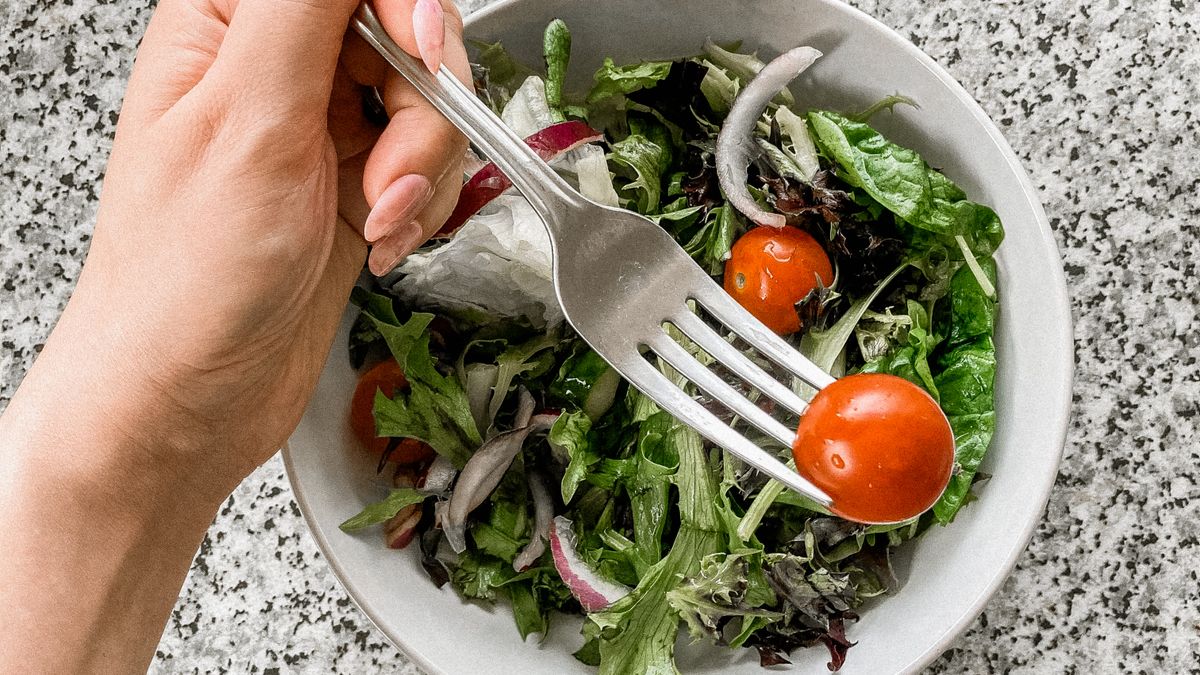
- Non-starchy vegetables. Leafy greens, zucchini, peppers, mushrooms, broccoli, cauliflower. Nearly free, calorie-wise.
- Fruit with high water content. Berries, melon, oranges, grapes. Sweet, heavy, and filling.
- Broth-based soups. One of the best-studied appetite tamers; a bowl before a meal reliably cuts how much people eat after.
- Potatoes. Plain boiled or baked potatoes rank among the most satiating foods ever tested, despite their bad reputation.
- Lean proteins. Chicken breast, white fish, shrimp, eggs, tofu, Greek yogurt, cottage cheese.
- Air-popped popcorn. Three full cups for about 90 calories, which makes it a rare high-volume snack food.
How to build a high-volume plate
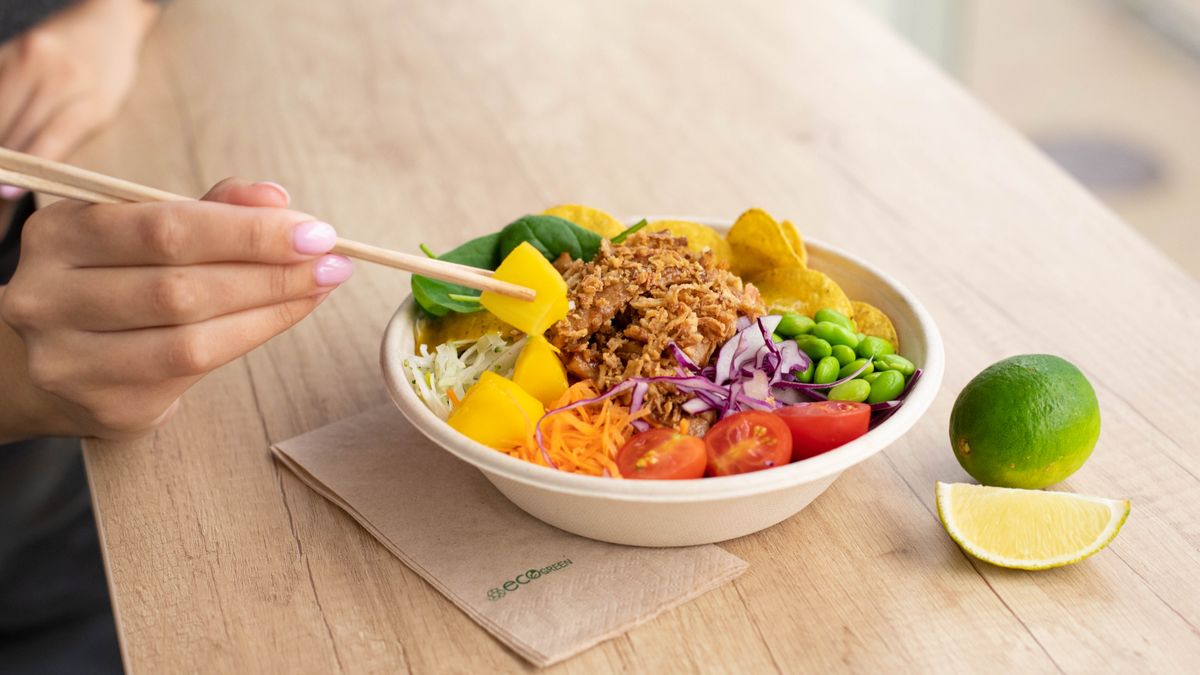
Skip the math. Fill half your plate with vegetables, a quarter with a lean protein, and the last quarter with a starch or grain you actually enjoy. Start meals with soup or a big salad when you can. Add fruit or vegetables to things you already eat: pile the sandwich high, bulk up the pasta sauce with mushrooms and zucchini, double the veg in the stir-fry.
The scale of the change surprises people. A dinner built this way can be visibly twice the size of your old one and still come in a few hundred calories lighter.
Where volume eating goes wrong
The most common mistake is chasing volume so hard that meals become joyless piles of raw vegetables. That backfires. Meals still need fat and flavor to satisfy, or you will end up rooting through the pantry at 9 p.m. anyway.
The second mistake is ramping up fiber overnight. Your digestive system needs a week or two to adjust, so scale up gradually and drink more water as you go. And keep some perspective: volume is one tool, not a moral code. Calorie-dense foods like nuts, olive oil, and cheese are still nutritious; they just need portions rather than free rein.
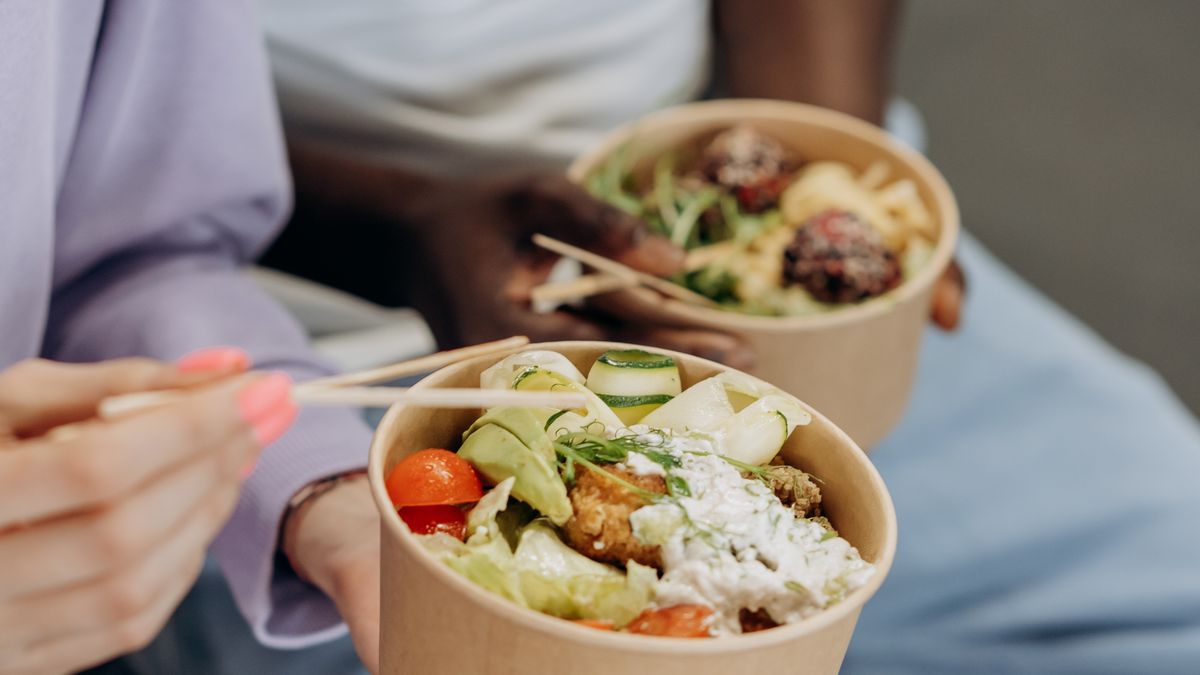
Protein and fat still matter
Fullness is not just about bulk. Protein is the most satiating nutrient per calorie, and it protects your muscle while you lose fat, so anchor every meal with a protein source. A drizzle of olive oil, some avocado, or a sprinkle of cheese keeps meals satisfying and helps your body absorb the vitamins in all those vegetables. For a deeper look at what belongs on your plate, see our roundup of the best foods for weight loss.
A sample day of high-volume eating
Breakfast: a veggie omelet with two or three eggs, plus a big bowl of melon. Lunch: a large salad topped with grilled chicken, chickpeas, and a real dressing, portioned rather than poured. Afternoon snack: Greek yogurt with berries, or popcorn. Dinner: a stir-fry heavy on vegetables over a modest scoop of rice, or a broth-based soup followed by fish and roasted potatoes. Nobody goes to bed hungry on that day, and for most people it lands comfortably in a calorie deficit.
FAQ
Is volume eating just eating more salad?
No. It is a principle, not a menu. Soups, stir-fries, fruit, potatoes, and lean proteins all fit. Salads are one convenient vehicle, but nobody has to live on lettuce.
Will eating bigger meals stretch my stomach or increase my appetite?
Your stomach stretches and empties as part of normal digestion; high-volume, low-calorie meals do not enlarge it over time. Most people find their appetite settles down because they are no longer swinging between restriction and rebound hunger.
Can I eat this way at restaurants?
Mostly, yes. Start with a broth-based soup or side salad, look for dishes built on vegetables and lean protein, and treat the starch as a side rather than the base. It will not be perfect, and it does not need to be.
The takeaway
Weight loss does not have to feel like scarcity. Build your meals around water-rich, fiber-rich foods, keep protein on every plate, and let the sheer size of your dinners do the psychological heavy lifting. When the full plate and the calorie deficit stop being enemies, the whole thing gets a lot easier to sustain.
This article is for general information only and is not medical advice. Talk with a healthcare professional or registered dietitian before making significant changes to your diet, especially if you have a medical condition or a history of disordered eating.
If you are exploring medically supervised weight-loss options, see our hands-on Yucca GLP-1 program review and our Trimi GLP-1 review.