


By Hannah Brooks · Updated August 11, 2026 · Fact-checked
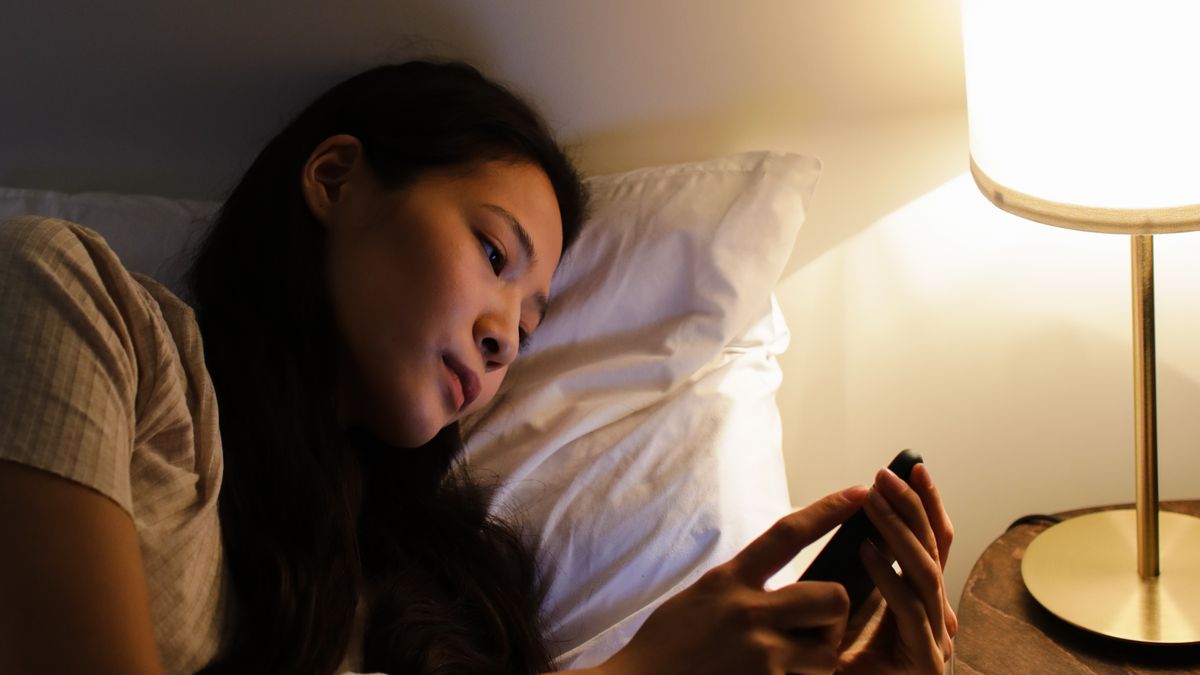
It’s 11:40 p.m. You’re tired — properly, eyes-burning tired — and yet there you are, three episodes into a show you’ve already seen, or scrolling videos you won’t remember tomorrow. If that sounds familiar, you’re not lazy and your willpower isn’t broken. There’s a name for it: revenge bedtime procrastination.
The idea is simple. When your day leaves no room for you, your brain tries to take that time back at night, even though the cost is the sleep you badly need. The term took off on Chinese social media, where overworked employees described staying up late as a way of getting “revenge” on days that belonged entirely to their jobs. It struck a nerve worldwide, because so many of us do exactly the same thing.
What revenge bedtime procrastination actually is
Sleep researchers define bedtime procrastination as delaying sleep without any external reason — no crying baby, no night shift, nothing stopping you from turning off the light except your own choice. The “revenge” part adds a motive: you’re staying up because the day gave you no free time, and those quiet hours after everyone else logs off feel like the only ones you truly own.
Three things usually mark it. You delay sleep with no outside cause. You know it will cost you tomorrow. And you do it anyway, night after night. That last part matters — this isn’t an occasional late night, it’s a pattern that keeps repeating even though you keep regretting it.
Why your brain talks you into it
By 11 p.m. you’ve been making decisions all day — at work, at home, in a hundred small ways. Self-control is at its lowest exactly when you need it to close the laptop. Meanwhile, your phone offers effortless, instant reward. It’s an unfair fight.
There’s an emotional layer too. Going to bed can feel like admitting the day is over and tomorrow’s obligations are next in line. Staying up postpones that. Psychologists sometimes describe it as a small act of autonomy: the schedule owned you all day, so you grab an hour back the only way you can. The logic is understandable. The math, unfortunately, never works out — you’re borrowing that hour from your own morning.
The price you pay the next day
Short sleep catches up with you fast. Concentration slips, patience runs thin, and the afternoon slump hits harder. Do it regularly and the losses accumulate into real sleep debt, which weekend lie-ins only partly repay — and sleeping in on Saturday brings its own problem, a shifted body clock known as social jet lag.
The cruel twist is that the tiredness makes the cycle stronger. An exhausted brain craves easy dopamine and has even less discipline the following night. Many people find their scrolling gets longer as the week goes on, not shorter.

Signs it has become a pattern
- You regularly go to bed one to two hours later than you planned, without any real reason.
- The late-night activity is low-effort — scrolling, streaming, gaming — rather than something you set out to do.
- You feel a quiet resistance to ending the day, especially when tomorrow looks demanding.
- You promise yourself an early night almost daily, and it almost never happens.
Reclaim your me-time earlier in the day
Here’s the counterintuitive fix: the solution to revenge bedtime procrastination isn’t more discipline at midnight. It’s giving yourself real free time before the day ends. If the only hour you own starts at 11 p.m., of course you’ll defend it.
Try carving out even twenty minutes that are genuinely yours — a walk after dinner, music while you cook, a chapter of a novel at lunch. People who feel they had some choice in their day have far less to take revenge for at night. If your schedule truly has no slack, that’s worth addressing directly, because no bedtime routine can compensate for a day that never lets you breathe.
Make the wind-down something you want
A bedtime routine fails when it feels like one more chore. It works when the pre-sleep hour is something you’d actually miss. Swap the doom-scroll for a pleasure that has a natural end point: a paper book, a podcast episode, stretching, a shower taken slowly. The phone’s endless feed has no last page — that’s exactly why it eats hours.
Small friction helps more than grand rules. Charge your phone across the room or outside the bedroom. Set your streaming app to ask before the next episode. Put an alarm fifteen minutes before your target bedtime — not to force lights-out, but to make the decision conscious instead of drifting past it.

Set a bedtime you can defend
Pick a lights-out time that gives you the sleep you need, then work backwards: screens off thirty minutes before, wind-down starts an hour before. Keep it within about an hour of the same time on weekends. Consistency does more for your energy than any single early night, because your body clock loves a schedule almost as much as your calendar does.
And be realistic. If you currently sleep at 1 a.m., aiming for 10:30 p.m. tomorrow will fail by Thursday. Move the target fifteen minutes earlier each week instead. Slow wins stick.
Frequently asked questions
Is revenge bedtime procrastination a sleep disorder?
No. It’s a behavior pattern, not a medical diagnosis. But left alone it can feed into genuine insomnia, because your brain starts associating bed with resistance rather than rest. If you struggle to fall asleep even when you do go to bed on time, talk to a doctor or sleep specialist.
Does one late night really matter?
One night is recoverable. The problem is that this pattern is rarely one night — it’s most nights, and the shortfall compounds. Mood, focus, appetite regulation, and immune function all run worse on chronically short sleep.
Why do I only do this on work nights?
That’s a strong clue that the driver is your daytime schedule, not your sleep habits. Nights before demanding days are exactly when the urge to reclaim time peaks. Building small pockets of free time into those days usually helps more than stricter bedtime rules.
The takeaway
Revenge bedtime procrastination is what happens when the only time that feels like yours starts after dark. The fix isn’t shame or another rigid rule — it’s claiming real time for yourself earlier, making your wind-down genuinely enjoyable, and adding just enough friction to make midnight scrolling a choice instead of a default. Your evenings are worth protecting. So is your morning self.
This article is for general information only and is not medical advice. If ongoing sleep problems are affecting your life, please talk to a qualified health professional.
If you are exploring medically supervised weight-loss options, see our hands-on Yucca GLP-1 program review and our Trimi GLP-1 review.